





Next Article
Should You Consider Probiotics for Persistent Celiac Symptoms?
6 minutes
PCOS is complex, but your gut health might be a key piece of the puzzle. We break down the science of how your microbiome influences PCOS symptoms like insulin resistance and inflammation, and explain what to look for in a probiotic based on the latest clinical research. It's time for clarity.
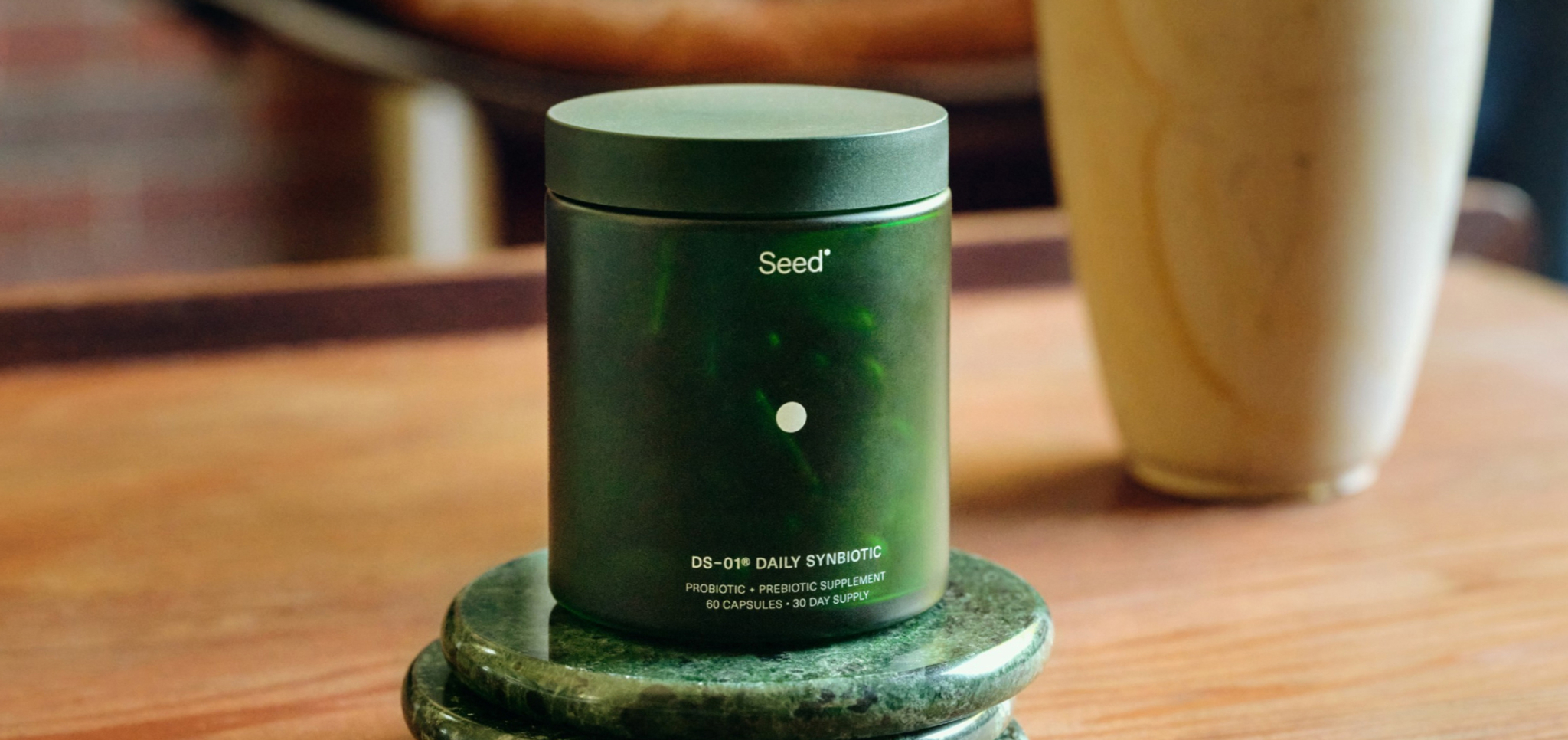
Living with Polycystic Ovary Syndrome (PCOS) can feel like a never-ending balancing act. Hormones acting up, your metabolism in flux, and let’s be honest—a ton of advice that’s equal parts hopeful and confusing. You’ve probably heard it all: Change your diet, exercise regularly, practice mindfulness. But here’s a twist you might not expect: your gut microbiome could play a starring role in your PCOS story. 🦠
While probiotics are not a cure for PCOS, the science is gaining momentum. Those trillions of microbes in your digestive tract? They don’t just digest your lunch—they’re major players in inflammation, metabolism, and (yes) hormone signaling. That’s why probiotics are now in the spotlight as a possible way to help support PCOS management.
So, can popping a daily probiotic really move the needle for PCOS? In short: The research is still evolving, but the outlook is promising—if you know what to look for. Here’s the science behind the gut-PCOS connection, what the evidence says, and how to choose a probiotic that’s actually med-locked in science.
It sounds wild that bacteria in your gut could influence your ovaries, but research shows they’re in constant communication through what’s called the “gut-ovary axis” (or gut-gonadal axis).1 Your gut microbiome is involved in several major pathways that matter for PCOS.
PCOS is often described as a state of chronic, low-grade inflammation. This isn’t the kind of inflammation you notice, but it can ripple throughout your body, raising insulin resistance and leading to irregular ovulation. Your gut microbiome acts as a key immune system gatekeeper.
When things are out of balance (a state called dysbiosis), your gut barrier can get leaky, letting inflammatory molecules escape into the bloodstream.2 Disruption in this gut-ovary connection can lead to changes in ovarian function, bumping up androgen production and messing with follicular development.3
Insulin resistance is a classic PCOS roadblock, making it tough for your body to manage blood sugar. Higher insulin levels tell the ovaries to churn out more androgens like testosterone, which then disrupt the menstrual cycle.4 How does your gut come into play?
Certain microbes can help regulate how you process and store energy, and dysbiosis might nudge you closer to insulin resistance.5,2
Believe it or not, your gut has a direct line to hormone regulation, especially when it comes to androgens. Some bacteria make enzymes that affect how hormones are circulated and broken down.6 Women with PCOS often have a gut microbiome that looks different from those without PCOS—and these shifts are linked to higher androgen levels.7
So, the gut clearly factors into PCOS symptoms. But does adding probiotics to your routine actually help? While probiotics aren’t a cure, studies suggest they may support some of the big PCOS trouble spots.
A landmark 2020 systematic review and meta-analysis (think: big science overview) in the European Journal of Nutrition pulled together nine randomized controlled trials on probiotics and synbiotics for PCOS. The headline: Supplementation was linked to real improvements.8
Some of the findings included:
Other meta-analyses and reviews have echoed these findings, with some showing even broader benefits.9,10 So, while we’re not talking about a panacea, probiotics may help support the hormonal, metabolic, and inflammatory mix at the core of PCOS.
There’s no single, magic probiotic for PCOS. What matters is which strain you’re getting—and why. According to Dirk Gevers, Ph.D., Med-Lock’s Chief Scientific Officer, “The term ‘probiotic’ is incredibly broad. It’s crucial to remember that benefits are strain-specific, not species-specific, and certainly not universal to all probiotics. One strain might support digestive regularity, while another is studied for immune modulation. This level of precision is fundamental to seeing reliable outcomes.”
Think of it like shopping for the right tool, not just any tool. The species most studied in PCOS trials are usually from the Lactobacillus and Bifidobacterium genera—especially L. acidophilus, Lactobacillus casei, B. bifidum, and L. rhamnosus.8 But it’s the exact strain and dosage that make the difference, not just the name.
Before you add a probiotic to your daily lineup, it helps to know what they actually do (and don’t do).
Probiotics don’t move in and set up shop in your gut for the long haul. Instead, think of them like guest speakers at a conference: they show up, deliver their message, and—once their session wraps—they exit the stage, making space for the next presenters. While they’re in town, these strains interact with your resident microbes, your immune cells, and the lining of your gut, influencing the conversation in meaningful ways.
But when you stop taking them, they typically move on within a few weeks, leaving the long-term regulars (your native bacteria) to carry on the day-to-day business.11
Probiotics can support your PCOS journey, but they’re not the whole playbook. Pair them with fiber-rich foods, movement, and stress management to really set the stage for your gut microbiome to thrive. And always talk to your healthcare provider before you start a new product.
Ready to pick a probiotic? Here’s what actually matters:
We’re learning more every day about how the gut microbiome and PCOS are connected—and why it matters for your hormones, metabolism, and inflammation. Choosing a probiotic that’s strain-specific, clinically researched, and part of a healthy routine may offer meaningful support. But remember: It’s not a stand-alone fix, and everyone’s microbiome is a little different.
Pair your daily probiotic with a balanced diet, movement, and stress care for your best shot at feeling better. Good health isn’t hacked—it’s cultured. 🌱
There is no single “best” probiotic for PCOS. The benefits are strain-specific. Research points to multi-strain formulations containing species from Lactobacillus and Bifidobacterium as being beneficial for improving metabolic and hormonal markers in women with PCOS.8
Look for products that list the exact strains and have clinical research to back up their claims.
Probiotics are not a direct weight-loss tool. However, the 2020 meta-analysis found that supplementation was associated with a reduction in BMI.8 This may be an indirect effect of improved metabolic health, such as better insulin sensitivity and reduced inflammation, rather than a direct impact on weight.
The clinical trials reviewed in the 2020 meta-analysis ranged from 8 to 12 weeks. Some benefits, particularly for insulin sensitivity, were more pronounced in the 12-week studies.8
Because probiotics are transient, you need to use them consistently each day for several months to see sustained benefits.
There are no known contraindications between probiotics and metformin. In fact, some people take them together to support gut health, as metformin can sometimes cause gastrointestinal side effects.
However, it’s always best to consult with your doctor before adding any new product to your regimen, and they can advise on the best timing for your specific situation.



Overview So, you’re pregnant! (Congratulations 🎉) If you’re like most parents-to-be, you’re swimming in advice—from the earnest advice you got from your OB-GYN to the well-meaning but slightly wild that comes from your relatives and 2 a.m. Google deep-dives. When every choice feels monumental, even something like “probiotics for pregnant women” can sound like a...
Overview It’s a frustrating cycle: the bloating, discomfort, and never-ending search for relief from diverticulitis. You’ve likely heard whispers about probiotics or seen them lining the shelves of your local health store. But are they helpful, or just more wellness noise? Let’s clear things up. Probiotics for diverticulitis is a topic gaining scientific traction, but...

Overview You’ve finished your course of antibiotics—maybe for a sinus infection, a UTI, or something more persistent—and while the infection’s clearing, your gut might not feel quite right. It’s common to notice looser poops, bloating, or just a sense that things are a little… off. That’s because antibiotics, while essential when needed, don’t just target...