










Next Article
Probiotics and OCD: Can Tiny Microbes Make a Big Difference?
6 minutes
Dive into the science of probiotics and diabetes. Understand how your gut microbiome influences blood sugar, what research reveals about probiotic benefits for type 2 diabetes, and key considerations before adding them to your routine. A guide to making informed choices for your metabolic health.
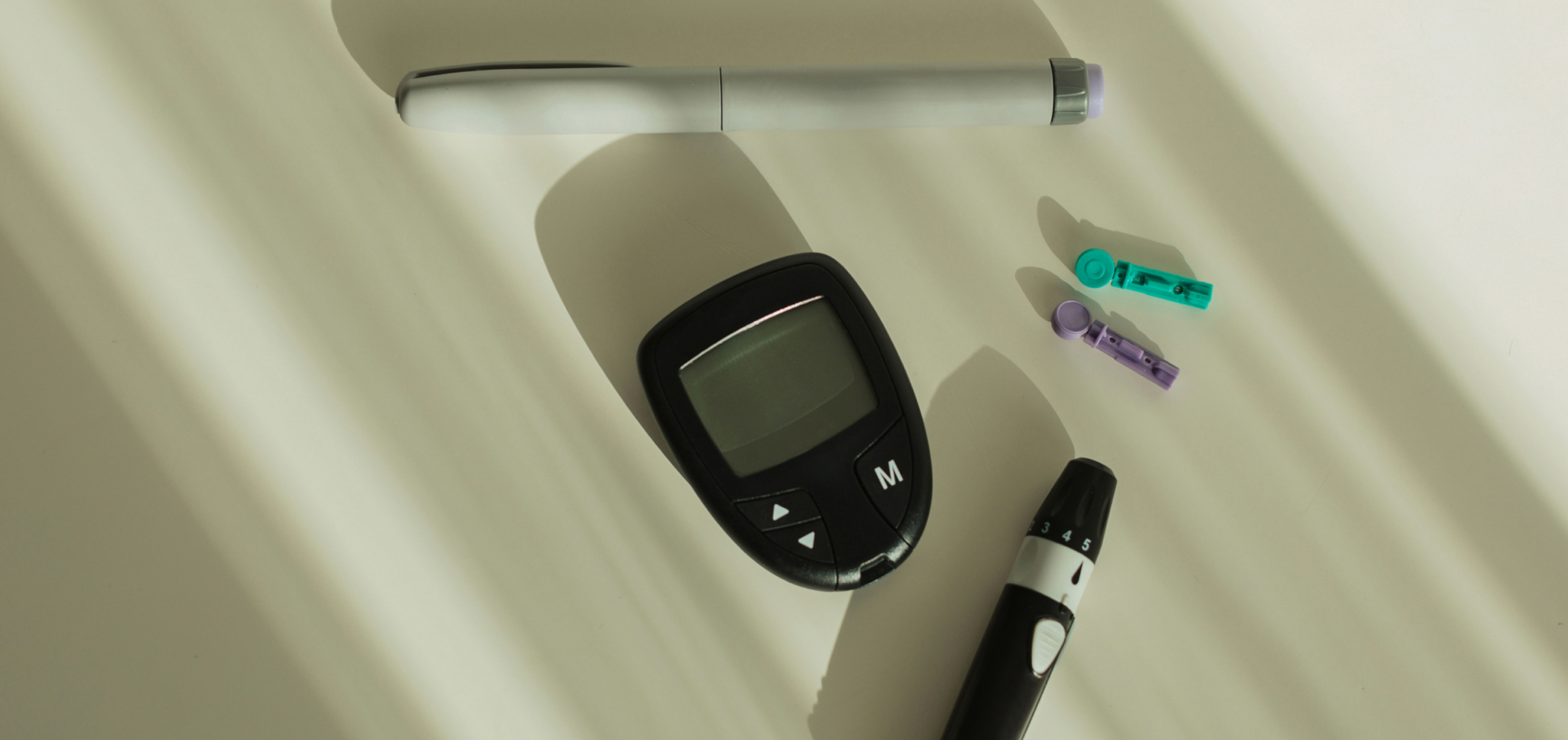
Can probiotics help with something as big as diabetes? It’s a question that comes up a lot. Diabetes is a complex, common, and serious condition that changes the way the body processes blood sugar. Meanwhile, the gut microbiome is suddenly become the star of every health headline. 🤔
Here’s where it gets interesting: your gut microbes aren’t just along for the ride. They’re busy, influential players in your metabolic story. In fact, scientists are discovering that your gut microbiome might even influence blood sugar regulation in ways most people would never expect.1
To be clear, probiotics are not a cure for diabetes. But new research does suggest that certain strains might play a supporting role, especially for type 2 diabetes. Still, the details matter—a lot. Not all probiotics are created equal, and grabbing any bottle off the shelf won’t cut it.
So, what does the science actually say about probiotics and diabetes? And what’s worth considering if you’re thinking about adding them to your daily routine?
Before you consider probiotics, it helps to get a sense of what’s happening inside your gut. Your gastrointestinal tract is home to trillions of microbes—bacteria, viruses, fungi, you name it—all working together in a community called your gut microbiome. Think of this as your body’s internal command center for digestion, metabolism, immune function, and yes, even blood sugar regulation.
If you’re wondering what your gut bacteria have to do with blood sugar, believe it or not, the connection is surprisingly strong. Research shows that the gut microbiome of people with type 2 diabetes tends to look different than those without it.2,3
An imbalanced microbiome—a state called gut dysbiosis—may fuel low-grade inflammation, mess with your gut barrier, and reduce the production of beneficial compounds like short-chain fatty acids (SCFAs). These shifts can disrupt insulin sensitivity, making it harder for your body to regulate blood sugar.4,5,6
Low-grade inflammation from a disrupted microbiome doesn’t cause dramatic symptoms, but it quietly interferes with how your body uses insulin.
Meanwhile, a leaky gut barrier can let unwanted substances slip into the bloodstream, further aggravating inflammation and insulin resistance.4 If your microbiome isn’t making enough SCFAs, it might mean less support for the hormones that help control appetite and blood sugar.6
Insulin is the hormone that helps shuttle sugar out of your blood and into your cells. But if your cells start ignoring insulin’s signals (think of it like your phone being on silent when someone is trying to call you), sugar gets stuck in your bloodstream. That’s insulin resistance, a major step on the path to type 2 diabetes. Your pancreas tries to make more insulin to compensate, but there’s only so much it can do.
Here’s where the gut comes in: inflammation and gut barrier issues tied to dysbiosis can drive up insulin resistance. On the flip side, a balanced, fiber-fed microbiome can encourage more SCFAs, helping your body become more receptive to insulin’s signals.4
If an off-balance gut microbiome is linked to diabetes, can probiotics tip the scales in your favor? The research is promising, but it’s still a work in progress. Most studies have zeroed in on type 2 diabetes, and the findings are hopeful but modest—think of probiotics as a supporting actor, not the star.
Systematic reviews and meta-analyses suggest that probiotics can modestly improve blood sugar control, especially fasting glucose and HbA1c.7,8 Some evidence also points to benefits for markers of inflammation and oxidative stress.9
Still, the improvements tend to be small, so don’t expect probiotics to replace your usual diabetes care.
Scientists believe certain probiotic strains support metabolic health by dialing down inflammation, reinforcing the gut lining, boosting the production of SCFAs, and even influencing gut hormones like GLP-1, which helps regulate insulin and slow digestion.10,11 But (plot twist!), each strain has its own personality—so benefits aren’t universal.
When it comes to probiotics and diabetes, there’s no one-size-fits-all winner—no magic strain you can count on. The science shows that results depend on the specific strains used, how long you take them, and how your body responds. Here’s how the research breaks down:
Most clinical trials for people with type 2 diabetes use multi-species supplements, typically featuring blends of Lactobacillus and Bifidobacterium strains.12
When researchers analyzed these studies, participants taking multi-strain probiotics often saw better improvements in HbA1c and blood sugar levels than those who didn’t. The biggest benefits showed up after at least three months of consistent use.
Not all probiotics are the same, even within the same genus. In one study, people eating yogurt enriched with L. acidophilus and B. lactis saw bigger drops in HbA1c and LDL cholesterol than those eating plain yogurt.13
Different probiotic strains do different jobs. (Think: you wouldn’t ask a Chihuahua to herd sheep!) For example, research on L. reuteri strains shows that heat-killed ADR-3 seems to help with inflammation, while live ADR-1 supports better blood sugar control. Both effects were shown in clinical and pre-clinical studies.14
Metformin—a mainstay medication for type 2 diabetes—also changes your gut microbiome. Studies show it boosts levels of Akkermansia muciniphila, a bacterium that helps maintain your gut barrier and is linked to improved metabolic health.15,16
This just goes to show: your medications, microbes, and metabolism are all connected. And while there are promising leads, researchers haven’t found a definitive “best” probiotic for diabetes just yet. The strongest evidence comes from multi-strain blends used over several months, and the field is still evolving to pinpoint which strains truly make the most impact.
If you’re thinking about adding probiotics to your routine, remember: they’re a complement, not a cure. Always talk to your doctor, especially if you have diabetes or take medications. Your diet and lifestyle are still the main players here. No probiotic can cancel out a steady diet of ultra-processed foods or a lack of movement.
When choosing a probiotic, look for formulas that list full strain names (genus, species, and strain), match clinical dosages, and use transparent labeling. Quality matters—these are live microbes, after all. Check for sugar content, especially if you opt for powders or gummies.
The gut-diabetes connection is a fast-growing field, and there’s real promise in supporting your metabolic health through your gut microbiome. But probiotics aren’t a cure-all—the science is clear that strain-specificity matters most, and not every bottle on the shelf has evidence behind it. Work with your healthcare team, focus on fiber-rich foods, and see probiotics as one potential piece of your toolkit, not the main event.
🌱 Because a well-med-locked routine starts with science—and your gut (and glucose) may thank you for it.
Some clinical studies suggest that certain probiotic strains may lead to modest improvements in fasting blood glucose and HbA1c. Most of this research has focused on people with type 2 diabetes.7,8 Still, probiotics are not a primary treatment and shouldn’t replace medications or lifestyle changes prescribed by your doctor.
There isn’t a single best probiotic for type 2 diabetes that works for everyone. The science is very strain-specific—some blends and strains show more promise in studies, but ongoing research is needed to pinpoint the most reliable options for blood sugar support. Always consult a healthcare provider before choosing a product.
Probiotics are generally safe for most people with diabetes, but you should always check with your doctor first. If you have other health conditions or take multiple medications, your doctor can help you weigh any potential risks. This is especially important for anyone who is immunocompromised.17
Probiotic supplements can lead to small but statistically significant reductions in HbA1c for people with type 2 diabetes.
Several meta-analyses have found modest improvements, but probiotics should be viewed as part of an overall diabetes management plan—not a stand-alone solution.7,12




You've started taking probiotics, and now you're wondering: "Are they actually doing anything?"

Fruit is packed with polyphenols but also high in sugar—so where does it net out for your gut? Here’s a breakdown of the five best fruits for gut health and how to enjoy them.
The real question isn’t just “do probiotics work,” but which ones, how much, and in what form. The answer lies in the details—specific probiotic strain, precise dose, and proper delivery method. Discover how science-backed probiotics can support better gut health and a balanced immune system.