








Next Article
What to Eat for Gut Health: A Science-Backed Microbiome Guide
9 minutes
Can probiotics help with weight loss? This guide breaks down the science behind specific strains, how they might support appetite, fat metabolism, and gut health, and why microbial diversity matters more than hype. Explore the nuances before choosing a strain.

The idea of taking a probiotic to lose weight might sound like wellness wizardry. After all, if your gut holds trillions of microbes, could the right additions help you manage your weight?
The short answer is maybe—but don’t toss your sneakers and kale just yet. 🥬
The connection between probiotics and weight is a promising (but complicated) field. Some bacterial strains have been studied for weight-related effects, but results vary, and they’re always strain-specific. Translation? Not all probiotics are pulling in the same direction.
Your gut’s microbial community plays a huge role in how your body processes energy, stores fat, and manages hunger. But thinking that “more probiotics equals less belly fat” is like assuming any screwdriver works on every screw. Let’s break down what’s real, what’s theoretical, and what your microbes have to say about metabolism, probiotics, and weight.
Your gut bacteria do more than help digest lunch. They’re also capable of extracting extra calories from food that your own enzymes can’t reach.1 They also make short-chain fatty acids (SCFAs), which affect how you store fat, regulate appetite, and manage inflammation.2,3
Basically, it’s like your microbes are co-managing your body’s energy account. And some of them are better accountants than others.
A diverse gut microbiome means more microbial species, more functions, and better coordination across your digestive and metabolic systems. Think of it like a toolkit: the more tools you have, the more jobs your gut can handle. 🧰
When it comes to probiotics for weight, variety matters. People with obesity often have lower microbial diversity compared to others.4,5
A large review found that more diversity was more likely to lead to successful weight loss efforts.5 Plus, a more diverse microbiome may be better equipped to manage inflammation, regulate blood sugar, and influence how your body stores energy.
Some microbes have caught researchers’ attention for their links to body composition. Akkermansia muciniphila often shows up more in lean individuals and has been studied for how it affects insulin sensitivity and gut barrier function.4,6 Members of the Christensenellaceae family have also been linked with leanness in microbiome and genetic research.7
But it takes a village. No single “star” species can do it all alone. These microbes contribute to metabolic health only when supported by a well-balanced, diverse ecosystem. It’s the community, not the solo act, that makes a difference.
Dysbiosis is what happens when your gut microbiome loses its balance—too many of one group, not enough of another, or just a general shift away from what your body needs. It’s not a formal diagnosis, but it shows up in research a lot. Why? Because dysbiosis has been linked to things like inflammation, insulin resistance, and—you guessed it—weight gain.8
That doesn’t mean one microbial misstep always causes metabolic issues. But when your gut ecosystem is out of sync, it can ripple outward, affecting how you process nutrients, store fat, and respond to insulin.
Think of it like an orchestra with a missing section. The result might not be total chaos—but you’ll notice that something’s off. 🎺
You can’t just reach for a random “probiotic for weight loss” and expect results. Benefits are always tied to the specific strain—not just the species. One strain of Lactobacillus might show promising effects in a trial; another might have zero impact. In other words, different strains do different things.
Dr. Dirk Gevers, Ph.D., Med-Lock’s Chief Scientific Officer, puts it this way:
“It’s not just about adding bacteria—it’s about what each strain is built to do and how that interacts with the unique ecosystem in your gut. The same strain might behave differently in two people, depending on what microbes are already there and what signals their bodies are sending.”
👉Learn More: A GI Physician’s Top 4 Tips for Choosing a Quality Probiotic
You might wonder if “more strains = better.” Not necessarily.
Strain specificity still matters most—but multi-strain formulas can offer diverse functional benefits. Think of it like a team: one strain might support gut barrier integrity, another produces SCFAs, and another modulates immune response. When each strain has clinical backing, the combination can address multiple pathways at once.
While there’s no single “best” probiotic strain for weight loss, several have shown encouraging results in clinical or preclinical studies.
These have been explored for effects on fat distribution, metabolism, and weight maintenance:
If probiotics affect weight, it’s not because they’re “burning fat” directly. Instead, they work behind the scenes, nudging your biology in small but meaningful ways:
It’s possible—depending on the strain. Some studies have noted that certain Lactobacillus species, like L. acidophilus, may be associated with weight gain in some contexts.20 This doesn’t mean all probiotics are “fattening,” but it underscores just how important strain-specific research is.
If you’re expecting big changes after a week of taking probiotics, you’ll probably be disappointed. Even strains with some evidence behind them often take at least 8–12 weeks to show measurable effects—if they work at all.10,11 Effects are usually modest. Any impact depends heavily on the specific strain, dose, your body, diet, and lifestyle. (And no, your microbes won’t text you when things are working. You’ll have to watch for changes the old-fashioned way.)
👉 Here’s how to tell if your probiotics are actually working!
Yes, probiotics have an excellent safety track record for most healthy adults.
When you first start taking probiotics, your gut microbiome is adjusting to new residents. Some people experience mild gas or bloating during the first 1-2 weeks—kind of like your microbes are reshuffling to make room. This usually settles as your system adapts.
Who should check with a doctor first? If you’re immunocompromised, critically ill, or have a central line or catheter, talk to your doctor before starting any probiotic.
Shopping for probiotics can feel like taking a pop quiz in Latin. But once you know what to scan for, the labels get a little less cryptic.
Different strains do different things. Look for specifics like “Lactobacillus gasseri SBT2055,” not just “L. gasseri.” That extra string of letters and numbers? It matters. It tells you exactly which strain was used in research—and whether it’s been studied in humans (not just petri dishes) for relevant outcomes like fat distribution or metabolic markers.
If the label doesn’t match the science—or skips the strain name altogether—it’s a red flag. 🚩 Your microbiome deserves better than a guess.
The label that says, “contains 10 billion at time of manufacture” sounds impressive—until you realize half of them may be gone by the time you open the bottle. Look for products that guarantee their AFU or CFU count through the end of their shelf life or expiration date.
💡 Pro Tip: Survivability matters more than big numbers. A billion dead bacteria won’t do much good—make sure your strains are built to last.
Storage matters, too. Check product labels—some probiotics need refrigeration to stay viable, while advanced delivery systems (like ViaCap®) keep strains shelf-stable.
Yes! Those numbers indicate how many live microorganisms are in each dose—essentially the population of helpful bacteria you’re sending into your gut.
How much do you need? Most studies showing metabolic benefits use doses between 10-50 billion CFU or AFU daily, taken consistently for 8-12 weeks. Higher isn’t always better—strain selection matters more than numbers.
Here’s one thing you don’t need to worry about—timing. What matters most is taking them regularly.
Some people take their probiotics before meals to give the bacteria a head start. Others take them at bedtime. Morning person? Night owl? It doesn’t matter.
Zain Kassam, MD, MPH, Chief Medical Officer at Med-Lock, puts it this way: “Consistency is key; timing is not. Take your probiotics with or without meals and in the morning, noon, or night—whatever feels right to you. As long as you take them consistently, they’ll be able to do their work. Support them by eating a nutritious diet that includes fiber.”
You might’ve heard you must take probiotics on an empty stomach first thing in the morning. Thanks to advances in delivery technology, modern probiotic formulations can survive and thrive whether taken with or without food.21
These innovations protect strains so they reach your small intestine intact—no fasting required. ✨
Even the best strain can’t outwork a diet built on ultra-processed foods or a lifestyle running on stress and four hours of sleep. Probiotics aren’t shortcuts—they’re additions.
Start with the basics: eat more plants, move your body, get decent sleep, and take time to relax intentionally. Once that’s in place, certain strains may offer meaningful, science-backed support.
Probiotics aren’t magic pills for weight loss—but they aren’t irrelevant either. Certain strains have been studied for their effects on fat storage, appetite regulation, and inflammation. And while results vary, the research suggests that under the right conditions, some microbes may gently support your body’s weight management systems.
The key word is support. These strains aren’t stand-ins for a balanced diet or a walk around the block. They work best when your lifestyle gives them something to work with—and when you choose them based on actual clinical evidence, not just a nice label.
The real question isn’t just whether probiotics can help you lose weight, but whether your gut has the right ecosystem to support a healthy metabolism. And that’s where the right strains, supported by the right habits, can start to make a difference.
No single probiotic is proven to directly target belly fat, but Lactobacillus gasseri SBT2055 has shown potential in clinical studies for reducing abdominal fat and waist size.
This may be especially relevant for women in perimenopause or menopause, when fat tends to shift toward the midsection in response to hormonal changes.
While results vary, this strain is one of the most studied for body composition. Just remember: probiotics support—not replace—lifestyle habits like diet and movement.
If you’re going to see changes, expect it to take at least 8-12 weeks, and know that the effects tend to be gradual.22 Strain specificity, dosage, and your personal microbiome all influence whether you’ll notice anything.
Yes, some strains have been associated with weight gain. Research on certain strains from the species Lactobacillus acidophilus has shown this in some contexts.20 Always look up the specific strains mentioned on labels and don’t assume “probiotic” equals “weight loss.”
Yes, some probiotics may affect men and women differently. For example, Lacticaseibacillus rhamnosus CGMCC1.3724 was shown to support weight loss in women during dieting and maintenance phases, but not in men.10
While early research points to gender-specific responses, more studies are needed to really understand these differences. For now, the smart move—gender aside—is choosing strains clearly linked to metabolic outcomes in human clinical trials.




This guide identifies the best probiotic strains for women's health concerns from vaginal microbiome balance to digestive comfort. Learn about L. crispatus for vaginal health, strain-specific benefits for women over 50, and how to evaluate quality beyond marketing claims.
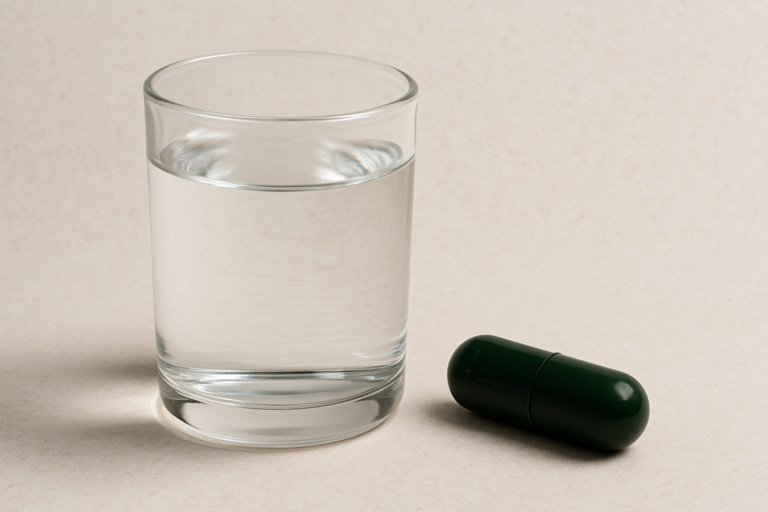
The real question isn’t just “do probiotics work,” but which ones, how much, and in what form. The answer lies in the details—specific probiotic strain, precise dose, and proper delivery method. Discover how science-backed probiotics can support better gut health and a balanced immune system.
Wondering how probiotics affect your poop? Whether you’re trying to manage occasional constipation or improve digestive comfort, these beneficial microbes can help regulate your digestive rhythm. Learn how probiotics work behind the scenes to support a healthier gut and more consistent bathroom visits.