





Next Article
Probiotics for Respiratory Health: Evidence-Based or Over-Inflated?
7 minutes
When you're still dealing with gut issues despite going gluten-free, probiotics for celiac disease might be worth exploring. These helpful bacteria could support your symptom management in ways your diet alone might not. Here’s what the science says.
You’ve banished gluten from your pantry, become a label detective at the grocery store, and can spot hidden wheat in a restaurant menu like a champ. And yet, despite your gluten-free diet, those classic celiac symptoms—bloating, gas, random stomach drama—still pop up like uninvited guests. It’s more common than you think: Up to 30% of people with celiac disease still struggle with digestive symptoms, even when following a gluten-free diet strictly.1
If you’ve wondered whether probiotics for celiac disease might finally bring your gut some peace, you’re not alone. Let’s make it clear from the jump: Probiotics can’t cure celiac disease, and you shouldn’t use them to justify eating gluten. But the research on the gut microbiome—the trillions of bacteria hanging out in your digestive tract—suggests that these helpful microbes may play a bigger role in celiac disease than we once thought.
✨ Could a more balanced microbiome (with a little help from probiotics) be the key to feeling better? Let’s break down the science.
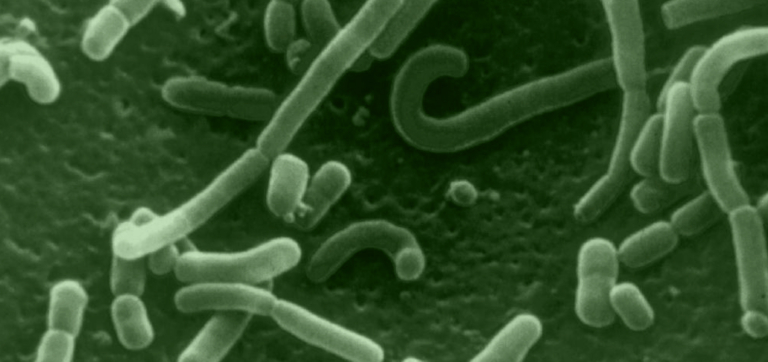
Your gut is home to a teeming ecosystem of bacteria, yeasts, and other microbes. When this system is balanced, it supports digestion, keeps inflammation in check, and generally helps you feel well. But in autoimmune conditions like celiac disease, your gut microbiome often looks a bit out of whack—scientists call this dysbiosis.2
Studies show that people with celiac tend to have fewer beneficial bacteria like Bifidobacterium, and more of other types, like Bacteroides.3 This imbalance can ramp up inflammation and weaken the gut barrier, leaving you with more persistent symptoms.4
But even after you cut out gluten, your microbiome may not snap back to a happy balance. In fact, a gluten-free diet itself can sometimes nudge things in the wrong direction.
Why?
Gluten grains come with fibers (like fructans and other polysaccharides) that feed some of your beneficial microbes. Removing them might also starve your good gut bacteria—another reason those symptoms can stick around.5
👉 Brass Tacks: A gluten-free diet is non-negotiable for celiac disease, but it doesn’t always solve everything. If your gut microbiome is out of balance, persistent symptoms can hang around even when you’re gluten-free.1
If an imbalanced microbiome is part of the problem, could adding more beneficial bacteria be part of the solution? The science is still evolving, but certain probiotics may be able to support your gut in three key ways:
A healthy gut has tight junctions that act like bouncers—letting nutrients in and keeping troublemakers out of your bloodstream. In celiac disease, this barrier can get leaky. Some probiotics may help tighten those junctions and support a more balanced immune response, which could mean less inflammation and fewer symptoms.6,7
Some probiotic strains are little enzyme factories. Certain types may be able to break down fragments of gluten protein—those same peptides that set off the immune system in celiac disease.8,9
To be clear: This does NOT mean you can eat gluten again. But if you’re worried about tiny traces (think cross-contamination), these strains might lend a hand.
Probably the most direct reason to try a probiotic: Shifting your gut’s ecosystem back toward balance. Studies show that targeted probiotic strains can boost populations of beneficial Bifidobacterium and help calm symptoms, especially when used alongside a GFD.1,10
🔬 Science Translation: The benefits of probiotics are all about strain-specificity. Not all probiotics do the same thing, and individual responses can vary. Some people see a real shift in their symptoms; others might not notice much at all.
We’ve established that in the world of probiotics, specificity is everything. The potential benefits are tied to specific strains—not just any bacteria with a “probiotic” label. It’s a little like hiring a plumber versus just any person with a wrench. 🪠
So, what does the research say?
A 2019 randomized, double-blind, placebo-controlled trial—the gold standard of clinical research—gave adults with celiac disease and lingering gut symptoms a multi-strain probiotic mix for six weeks.1
The mix included:
We know, these names are a mouthful. But their specificity is what makes the science so powerful. And the people who took this mix? They saw real improvements in symptom severity compared to placebo.
There’s also early evidence for Bifidobacterium breve (B632 and BR03) in kids with celiac disease, which may help restore a healthier balance of gut bacteria.11
💡 Pro Tip: When choosing a probiotic, always look for the full strain name (not just the species) and check that it’s been studied for your specific concern. Leading microbiome scientist Dirk Gevers, Ph.D., explains, “When selecting a probiotic, try to prioritize scientific evidence. Look for formulations where the specific strains—not just the species—have been studied in human clinical trials for the benefits they claim. The field is constantly advancing, so products backed by current, rigorous research are more likely to be reliable.”
Let’s get practical. If you’re thinking about adding a probiotic to your routine, here are some smart moves:
If your gut’s reaction to probiotics is a little theatrical at first (gas, changes in bathroom habits), that’s usually normal. Your microbiome might just be meeting some new colleagues and figuring out how to get along. 🤝
Shopping for probiotics can feel like entering a crowded party where everyone claims to be the guest of honor. Here’s how to pick a real VIP:
A gluten-free diet is the non-negotiable foundation for managing celiac disease, but it may not be the last stop on the gut health train. If persistent symptoms keep crashing your gluten-free party, certain probiotics—especially specific, clinically studied strains of Lactobacillus and Bifidobacterium—might help support your gut barrier, break down problematic gluten fragments, and shift your microbiome toward balance. Research is ongoing, and individual results will vary, but for some, adding the right probiotic could make living with celiac disease a little easier.
In a gluten-free world, med-lock your choices—and microbes—with science. 🌱
No, probiotics cannot cure celiac disease. Probiotics are not a replacement for a gluten-free diet, and there’s no evidence that any probiotic can reverse or “heal” celiac disease itself. The main treatment is strict lifelong avoidance of gluten. But here’s the good news: research suggests that certain probiotics may help manage ongoing symptoms—like bloating, irregularity, or discomfort—that persist even after you’ve ditched gluten, especially when used as a supportive tool alongside a gluten-free diet.7
There’s no single “best” probiotic for celiac disease. The most promising research centers on multi-strain formulas that include specific, clinically studied strains from the Lactobacillus and Bifidobacterium families. Look for products that clearly name the strains and match what’s been shown in clinical trials.
And keep in mind: your ideal probiotic may differ from someone else’s, so results vary. Consistency and the right strain matter most.1
Yes, probiotics are generally safe for people with celiac disease—if you choose wisely. Make sure any probiotic you consider is third-party tested and certified gluten-free. (Sounds obvious, but hidden gluten can lurk in the most surprising places!) For most people, probiotics are well-tolerated. That said, always talk to your doctor or a registered dietitian before starting, especially if you have complex health needs or take other medications.
And remember: what’s safe for one person might not be ideal for another.7
Probiotics take time—usually at least six weeks of daily use. Don’t expect overnight results; their benefits build over time as they help to rebalance your gut ecosystem. In the Francavilla trial, participants saw the biggest benefits after six weeks, but individual response times can vary. The key is sticking with a consistent daily routine and tracking your symptoms. If you’re not noticing any change after two months, it’s worth checking in with your doctor to discuss next steps.1



Overview So, you’re pregnant! (Congratulations 🎉) If you’re like most parents-to-be, you’re swimming in advice—from the earnest advice you got from your OB-GYN to the well-meaning but slightly wild that comes from your relatives and 2 a.m. Google deep-dives. When every choice feels monumental, even something like “probiotics for pregnant women” can sound like a...
Overview We’ve all had those off days—your stomach feels unsettled, your energy’s tanking, or you’re uncharacteristically irritable. It might not be your first thought, but what if these frustrations were your gut trying to send an SOS? Your digestive system is home to trillions of microbes, all busily contributing to digestion, immunity, and even your...
Are gut microbiome tests too good to be true? If you asked our science team about them at a dinner party, here’s what they’d tell you.