Thinking about taking probiotics for pregnant women? Learn how your microbiome changes during pregnancy, which strains are backed by research for maternal and infant health, and what to look for in a quality product. Get the evidence-based guide.
Probiotics are generally considered safe during pregnancy, but you’ll have the most confidence if you choose strains with clinical data to back them up.
Your gut and vaginal microbiomes shift in surprising ways to support your baby’s development—and probiotics may play a supporting role.
Research suggests that probiotics for pregnant women can help both mom and baby with digestion, metabolic health, and even skin health for the next generation.
Not all probiotic products or fermented foods are created equal: standardization and strain-specific research matter for real results.
Picking a probiotic for pregnancy? Look for transparent labeling, strain-level specificity, and talk to your doctor before adding anything new to your routine.
So, you’re pregnant! (Congratulations 🎉) If you’re like most parents-to-be, you’re swimming in advice—from the earnest advice you got from your OB-GYN to the well-meaning but slightly wild that comes from your relatives and 2 a.m. Google deep-dives.
When every choice feels monumental, even something like “probiotics for pregnant women” can sound like a high-stakes decision. Are they a must-have? Another wellness trend? Or somewhere in between? The pressure is real, so you also deserve real answers.
When it comes to safety, the evidence is reassuring: research shows probiotics are generally safe for both you and your baby.1,2 But as with most things in the world of microbiomes, it gets more personal—and more interesting—the deeper you go.
Probiotics aren’t just about digestion. During pregnancy, your gut and vaginal microbiomes transform in ways that support your growing baby and you. Ready to see what’s happening behind the scenes? 🦠
How Your Microbiome Influences Pregnancy
Here’s a fact that doesn’t come up at baby showers: your microbiome—the trillions of microbes living in and on you—steps up as one of your greatest collaborators during pregnancy.3Instead of just hanging out in your gut, these bacteria, fungi, and viruses start recalibrating to support your baby’s growth (and your changing needs).
The Great Remodeling: Your Gut Microbiome on Pregnancy
From the first positive test to the third trimester, your gut microbiome is basically running a home renovation show. Progesterone rises, and your gut bacteria cast changes dramatically to help you extract more energy and nutrients from your food.4Think of your microbes as reading the memo that it’s time to eat for two.
For example, increased progesterone in pregnancy is linked to a rise in Bifidobacterium—a shift seen in both pregnant people and mice, especially late in pregnancy.5Bifidobacterium may do more than support nutrient absorption: research suggests it improves the likelihood of a full-term birth, helps with blood sugar balance and healthy weight gainand even supports your immune system’s response to germs.6,7,8
Of course, all this “remodeling” can have side effects. Many people experience classic pregnancy discomforts: constipation, bloating, unpredictable hunger, and more. (The gut can be dramatic—who knew?)
Your Vaginal Microbiome: A Protective Shift
It’s not just your gut—your vaginal microbiome is also hard at work. During pregnancy, it tends to become dominated by Lactobacillus bacteria, creating a less diverse but more stable environment.9 These bacteria make lactic acid, lowering vaginal pH and making it tougher for unwanted microbes to get a foothold.
Why does this matter? Your baby’s first microbial “hello,” if you have a vaginal birth, comes from this environment.10 So you’re not just passing on genes—you’re handing over a starter pack of beneficial microbes. (No pressure. 😉)
Can Probiotics Really Help During Pregnancy?
If your microbiome is already in overdrive, do probiotics actually make a difference? Probiotics won’t completely transform your pregnancy, but you can think of them as reinforcements—extra hands that may support your body’s natural rhythms, especially during big changes. And if pregnancy is anything, it’s change.
Supporting Your Gut Through Common Discomforts
Pregnancy can feel like an obstacle course for your digestive system. Sluggish bowels? Surprise nausea? Digestive unpredictability? Most pregnant people have been there.
Here’s how probiotics for pregnant women may help: 🤰
Digestive Regularity
Constipation is one of the most common complaints. Progesterone slows down digestion, but research shows that certain probiotic strains can help keep things moving—meaning more comfortable bathroom visits and less “bathroom limbo.”11
Nausea and Vomiting
Morning sickness is misnamed—it can strike at any hour. Studies show that taking probiotics daily during pregnancy can reduce episodes of nausea and vomiting, while also improving quality of life.12
Probiotics aren’t miracle workers, but the right strains can provide digestive support just when you need it.
Beyond Digestion: Systemic Support for You and Baby
There’s more to probiotics than just gut support—they may have ripple effects throughout your body (and even your baby’s future health).
For instance, gut bacteria play a role in metabolic health, and a balanced gut may help with blood sugar management during pregnancy.13 Some research even suggests certain probiotics might support insulin sensitivity.14
It doesn’t stop there. The microbes your baby encounters at birth and through breastfeeding are important for training their immune system.15Studies even show that when moms take probiotics, their babies may be less likely to develop skin conditions like eczema.16
So, while probiotics won’t give you superpowers, they could offer a subtle advantage for both you and your little one. 🌱
What Are the “Best” Probiotic Strains for Pregnant Women?
Not all probiotics are created equal. The best probiotics for pregnant women are the strains studied specifically for their benefits in pregnancy.
Strains Studied for Maternal Health
Lacticaseibacillus rhamnosus GG is one of the world’s most researched probiotic strains. It’s been shown to support healthy glucose metabolism in pregnant people, and it’s also studied for gut health and immunity in mothers and infants.17,18,19
Lactobacillus fermentum CECT5716 has been studied for reducing recurrence of lactational mastitis.20,21
Strains Studied for Infant Health
L. reuteri DSM 17938 is associated with managing colic symptoms in infants.22
Bifidobacterium bifidum PRL2010, when given to pregnant and breastfeeding parents, may reduce the chance or severity of eczema in children with a family history of allergies.23
B. longum BB536 may support a baby’s developing gut microbiota and healthy immune response.24
B. infantis EVC001—true to its name—is found in the infant gut. Early supplementation can lead to persistent colonization at one year, which may play a role in long-term gut health.25
💡 Pro Tip: When comparing products, check for the full strain name (like “Lactobacillus rhamnosus GG” rather than just “Lactobacillus rhamnosus”). This lets you trace research-backed benefits instead of relying on vague promises. See how some companies are raising the bar in probiotic research.
What to Keep in Mind Before Trying a Probiotic
Thinking about adding probiotics during pregnancy? Here’s what to know before bringing home a new bottle:
A Note on Fermented Foods
Fermented foods (like yogurt, kimchi, and sauerkraut) can be tasty and nutritious, but they aren’t the same as a research-backed probiotic. As Dirk Gevers, Ph.D., explains, “Fermented foods can introduce helpful microbes—but if you’re trying to get a specific benefit, you need to know which strains you’re getting, and in what amounts.”
Put simply, your favorite yogurt is a delicious paint color—it brightens things up, but it probably won’t rewire your house. For targeted results, you want the microbial equivalent of a licensed electrician: specific strains at researched dosages, with proven survivability.
The problem? Fermented foods aren’t technically probiotic foods because they don’t typically disclose strain names, amounts, or survivability. If you want to be sure, reach for a product that tells you exactly what you’re getting—and backs it up with published research.
What to Look for in a Probiotic for Pregnant Women
The probiotic aisle can look like a wall of mystery. Here’s how to spot the science-backed options:
Strain specificity is your best friend. Look for the full strain name—that’s your link to actual research.
Dosage matters. The best products use clinically studied dosages, not just the highest number on the bottle.
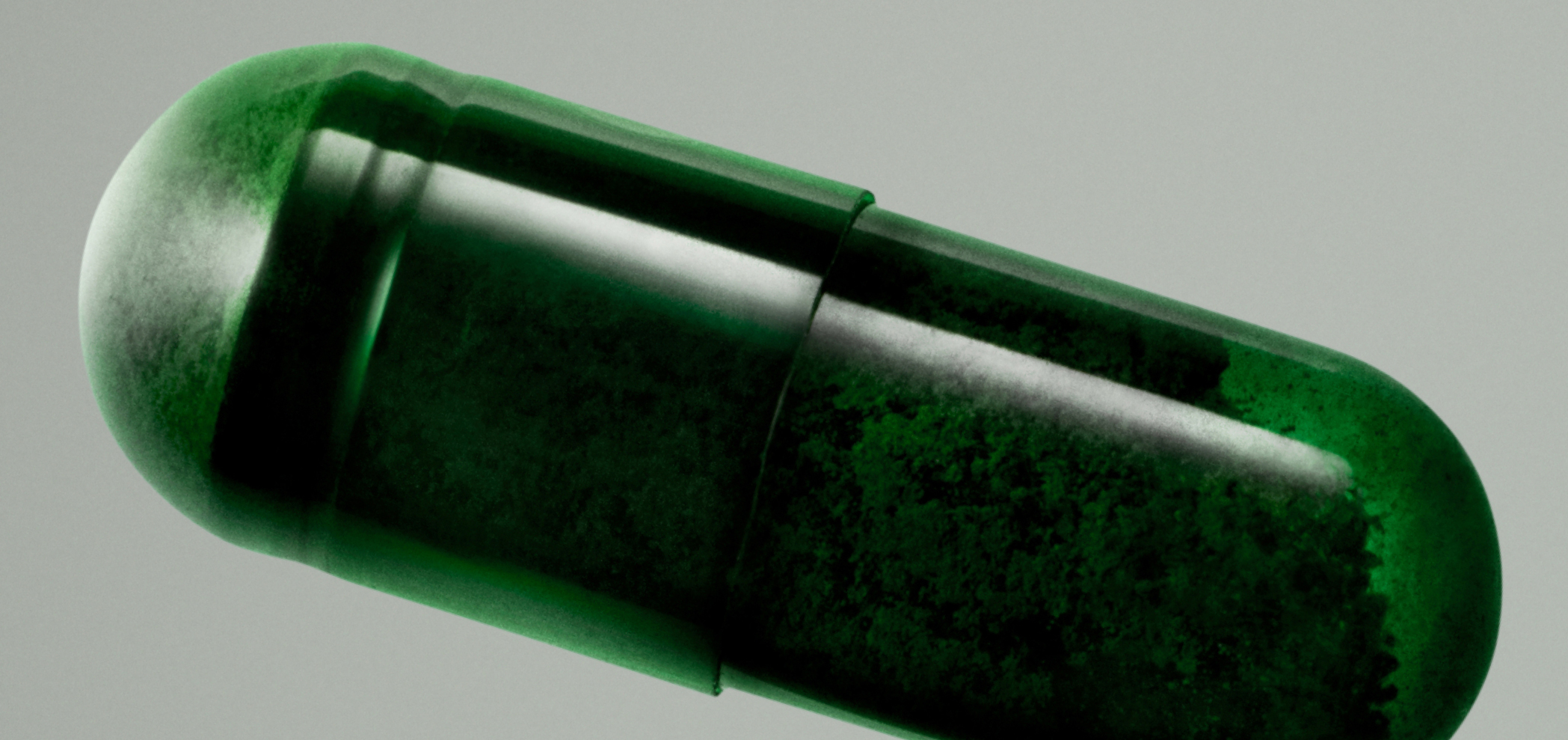
Survivability is critical. Probiotics need to survive the journey through your stomach. Delivery technology (like nested capsules) helps microbes reach your colon where they can work.
Transparency and testing. Trustworthy brands publish their research and test for contaminants. If the facts are hard to find, keep shopping. 🚩
The Key Insight
So, are probiotics for pregnant women worth considering? Science says yes—they’re generally safe, and certain strains may provide support for both you and your baby during this big life stage. They won’t replace a balanced diet, but a well-formulated probiotic can help you ride the wave of microbiome changes that are a normal, healthy part of pregnancy. 🌱
Skip the generic, go for the specific: look for evidence-backed strains at researched dosages, and read the fine print before you commit. That way, you’re not just following a trend—you’re making a science-backed choice that helps “med-lock” a healthy start for you and your baby. Good health isn’t hacked—it’s cultured.
Frequently Asked Questions (FAQs)
Which Probiotics Are Best for Pregnancy?
The best probiotics for pregnancy are those with research in pregnant populations. Rather than choosing at random, look for strains like Lacticaseibacillus rhamnosus GG (linked to glucose metabolism) or Bifidobacterium longum BB536 (supports your baby’s developing immune system). Understanding how long probiotics take to work for your needs can help set expectations.
Can Taking Probiotics During Pregnancy Cause Any Side Effects?
Most people tolerate probiotics well during pregnancy. Some may notice mild gas or bloating at first—think of it as your gut’s “welcome committee.” This typically settles down with time. If you have ongoing symptoms or concerns, talk with your doctor. Curious why probiotics sometimes cause gas?
Are Probiotics Safe to Take While Breastfeeding?
Yes, they’re considered safe for you and baby. Probiotics in breast milk can help shape your baby’s gut microbiome. Taking probiotics while breastfeeding can even influence which beneficial microbes are passed along.
Do Probiotics Affect the Baby’s Health?
Yes, research shows that probiotics can influence your baby’s microbiome. Babies receive their first major microbial “gift” during birth and breastfeeding, which trains their immune system. Maternal probiotics have been linked to a lower risk of eczema and other childhood conditions.
Citations
Sheyholislami, H., & Connor, K. L. (2021). Are Probiotics and Prebiotics Safe for Use during Pregnancy and Lactation? A Systematic Review and Meta-Analysis. Nutrients, 13(7), 2382.https://doi.org/10.3390/nu13072382
Edwards, S. M., Cunningham, S. A., Dunlop, A. L., & Corwin, E. J. (2017). The maternal gut microbiome during pregnancy. MCN The American Journal of Maternal/Child Nursing, 42(6), 310–317.https://doi.org/10.1097/nmc.0000000000000372
Gorczyca, K., Obuchowska, A., Kimber-Trojnar, Ż., Wierzchowska-Opoka, M., & Leszczyńska-Gorzelak, B. (2022). Changes in the Gut Microbiome and Pathologies in Pregnancy. International Journal of Environmental Research and Public Health, 19(16), 9961.https://doi.org/10.3390/ijerph19169961
Nuriel-Ohayon, M., Neuman, H., Ziv, O., Belogolovski, A., Barsheshet, Y., Bloch, N., Uzan, A., Lahav, R., Peretz, A., Frishman, S., Hod, M., Hadar, E., Louzoun, Y., Avni, O., & Koren, O. (2019). Progesterone Increases Bifidobacterium Relative Abundance during Late Pregnancy. Cell Reports, 27(3), 730–736.e3.https://doi.org/10.1016/j.celrep.2019.03.075
Dahl, C., Stanislawski, M., Iszatt, N., Mandal, S., Lozupone, C., Clemente, J. C., Knight, R., Stigum, H., & Eggesbø, M. (2017). Gut microbiome of mothers delivering prematurely shows reduced diversity and lower relative abundance of Bifidobacterium and Streptococcus. PLoS ONE, 12(10), e0184336.https://doi.org/10.1371/journal.pone.0184336
Kikuchi, K., Othman, M. B., & Sakamoto, K. (2018). Sterilized bifidobacteria suppressed fat accumulation and blood glucose level. Biochemical and Biophysical Research Communications, 501(4), 1041–1047.https://doi.org/10.1016/j.bbrc.2018.05.105
Ruiz, L., Delgado, S., Ruas-Madiedo, P., Sánchez, B., & Margolles, A. (2017). Bifidobacteria and Their Molecular Communication with the Immune System. Frontiers in Microbiology, 8, 2345.https://doi.org/10.3389/fmicb.2017.02345
Gupta, P., Singh, M. P., & Goyal, K. (2020). Diversity of vaginal microbiome in pregnancy: Deciphering the obscurity. Frontiers in Public Health, 8, 326.https://doi.org/10.3389/fpubh.2020.00326
Dunn, A. B., Jordan, S., Baker, B. J., & Carlson, N. S. (2017). The maternal infant microbiome. MCN The American Journal of Maternal/Child Nursing, 42(6), 318–325.https://doi.org/10.1097/nmc.0000000000000373
He, X., Chen, W., Wang, Y., Chen, H., Xu, X., Zhao, X., Zhou, D., Yue, M., Wei, J., & Chen, T. (2024). Probiotics combination effectively improves constipation in pregnancy by modifying the gut microbiota composition. Beneficial Microbes, 15(4), 357–371.https://doi.org/10.1163/18762891-bja00020
Liu, A. T., Chen, S., Jena, P. K., Sheng, L., Hu, Y., & Wan, Y. Y. (2021). Probiotics Improve Gastrointestinal Function and Life Quality in Pregnancy. Nutrients, 13(11), 3931.https://doi.org/10.3390/nu13113931
Ren, Y., Zeng, Y., Wu, Y., Yu, J., Zhang, Q., & Xiao, X. (2023). The role of gut microbiota in gestational diabetes mellitus Affecting intergenerational glucose metabolism: possible mechanisms and interventions. Nutrients, 15(21), 4551.https://doi.org/10.3390/nu15214551
Karamali, M., Dadkhah, F., Sadrkhanlou, M., Jamilian, M., Ahmadi, S., Tajabadi-Ebrahimi, M., Jafari, P., & Asemi, Z. (2016). Effects of probiotic supplementation on glycaemic control and lipid profiles in gestational diabetes: A randomized, double-blind, placebo-controlled trial. Diabetes & Metabolism, 42(4), 234–241.https://doi.org/10.1016/j.diabet.2016.04.009
Tang, M. H., Ligthart, I., Varga, S., Lebeer, S., Van Overveld, F. J., & Rijkers, G. T. (2025). Mutual interactions between microbiota and the human immune system during the first 1000 days of life. Biology, 14(3), 299.https://doi.org/10.3390/biology14030299
Akelma, A. Z., & Biten, A. A. (2015). Probiotics and infantile atopic eczema. Pediatric Health Medicine and Therapeutics, 147.https://doi.org/10.2147/phmt.s50476
Gomes, D. C., Meza Alvarado, J. E., Zamonar Briseno, J. A., Cano Sarmiento, C., Camacho Morales, A., & Viveros Contreras, R. (2024). Maternal Supplementation with Lacticaseibacillus rhamnosus GG Improves Glucose Tolerance and Modulates the Intestinal Microbiota of Offspring. Diseases (Basel), 12(1), 12.https://doi.org/10.3390/diseases12010012
Simpson, M. R., Avershina, E., Storrø, O., Johnsen, R., Rudi, K., & Øien, T. (2018). Breastfeeding-associated microbiota in human milk following supplementation with Lactobacillus rhamnosus GG, Lactobacillus acidophilus La-5, and Bifidobacterium animalis ssp. lactis Bb-12. Journal of Dairy Science, 101(2), 889–899.https://doi.org/10.3168/jds.2017-13411
Berseth, C. L., Yeiser, M., Harris, C. L., Kinnaman, J. N., Lappin, V., Wampler, J. L., Zhuang, W., & Vanderhoof, J. (2024). Infant formula with added Lacticaseibacillus rhamnosus GG supported adequate growth and was well tolerated in healthy term infants: a randomized controlled trial. Frontiers in Pediatrics, 12, 1456607.https://doi.org/10.3389/fped.2024.1456607
Arroyo, R., Martín, V., Maldonado, A., Jiménez, E., Fernández, L., & Rodríguez, J. (2010). Treatment of Infectious Mastitis during Lactation: Antibiotics versus Oral Administration of Lactobacilli Isolated from Breast Milk. Clinical Infectious Diseases, 50(12), 1551–1558.https://doi.org/10.1086/652763
Hurtado, J. A., Maldonado-Lobón, J. A., Díaz-Ropero, M. P., Flores-Rojas, K., Uberos, J., Leante, J. L., Affumicato, L., Couce, M. L., Garrido, J. M., Olivares, M., & Fonollá, J. (2017). Oral Administration to Nursing Women of Lactobacillus fermentum CECT5716 Prevents Lactational Mastitis Development: A Randomized Controlled Trial. Breastfeeding Medicine, 12(4), 202–209.https://doi.org/10.1089/bfm.2016.0173
Savino, F., Cordisco, L., Tarasco, V., Palumeri, E., Calabrese, R., Oggero, R., Roos, S., & Matteuzzi, D. (2010). Lactobacillus reuteri DSM 17938 in Infantile Colic: A Randomized, Double-Blind, Placebo-Controlled Trial. Pediatrics, 126(3), e526–e533.https://doi.org/10.1542/peds.2010-0433
Anania, C., Matys, V., Marra, S., De Canditiis, D., Olivero, F., Carraro, C., Giugliano, A., Zicari, A. M., & Piccioni, M. G. (2025). Effect of Supplementation with a Specific Probiotic (Bifidobacterium bifidum PRL2010) in Pregnancy for the Prevention of Atopic Dermatitis in Children: Preliminary Results of a Randomized Trial. Nutrients, 17(4), 673.https://doi.org/10.3390/nu17040673
Wu, B. B., Yang, Y., Xu, X., & Wang, W. P. (2016). Effects of Bifidobacterium supplementation on intestinal microbiota composition and the immune response in healthy infants. World Journal of Pediatrics, 12(2), 177–182.https://doi.org/10.1007/s12519-015-0025-3
O’Brien, C. E., Meier, A. K., Cernioglo, K., Mitchell, R. D., Casaburi, G., Frese, S. A., Henrick, B. M., Underwood, M. A., & Smilowitz, J. T. (2022). Early probiotic supplementation with B. infantis in breastfed infants leads to persistent colonization at 1 year. Pediatric Research, 91(3), 627–636.https://doi.org/10.1038/s41390-020-01350-0
Leigh Weingus is a New York City-based journalist and editor with a passion for making science, health, and wellness accessible to a wide audience. After graduating with a BA from UC Davis in 2009, Leigh started her career in entertainment journalism before pivoting to the wellness space (and becoming a certified yoga instructor along the way!). Her bylines have appeared in The Washington Post, Self, Glamour, Forbes, Parade, and many more. When she’s not writing, you can find Leigh exploring the Upper West Side with her husband and two young daughters or taking a class at her local yoga studio.
Sadie Barr is a published nutrition researcher and an insatiably curious human. She has 15-years of career experience working in various health-focused industries, including health-tech, food-tech, school food, and environmental and healthcare consulting. She has extensive experience in the food and health startup space, and loves bridging the worlds of science, business, and humanity.