








Next Article
The Best Vitamins for Skin Health: A Science-Backed Guide
9 minutes
Forget mega-doses. This evidence-based guide explains what free radicals and oxidative stress are and reveals the best antioxidant supplements—including glutathione, CoQ10, and PQQ. Learn how to support your body's natural defenses with a smarter, science-backed approach to cellular health.
Antioxidants get credit for just about everything these days—clearer skin, more energy, slower aging, better immunity. But when it comes to actually choosing a supplement, the options are overwhelming. Every bottle promises “maximum strength” or “ultra potency,” and the ingredient lists read like a chemistry exam. 🧪
Here’s the thing: the best antioxidant supplements aren’t necessarily going to be the ones with the highest doses or have one perfect ingredient. It’s not that simple. Instead, it’s better to understand how these compounds actually work together inside your body. (Spoiler: it’s more like a relay team than a solo act.)
This guide breaks down the science behind oxidative stress, introduces the antioxidants that matter most, and explains why a more precise approach—one that considers synergy, bioavailability, and even your gut microbiome—makes all the difference for supporting cellular health.
To understand antioxidants, it might help to first cover their counterparts: “free radicals.”
Think of the cells in your body as tiny factories. As they perform their daily jobs, like converting food into energy, they produce byproducts. Some of these byproducts are unstable molecules called free radicals. This is a completely normal and unavoidable part of being alive. Free radicals also come from external sources like pollution, UV radiation, and even psychological stress.1
In a healthy system, your body maintains a careful balance. It has its own built-in defense system of antioxidants to “quench” or neutralize these free radicals, preventing them from causing harm. It’s like a biological system of checks and balances.
🤔 Why should you care? Problems can arise when this balance is disrupted.
If the system is unbalanced, the number of free radicals overwhelms the body’s antioxidant defenses, leading to oxidative stress.
Over time, unchecked oxidative stress can damage important components of our cells, including DNA, proteins, and lipids (the fats that make up cell membranes). This cellular damage is thought to play a role in the aging process and is linked to various long-term health concerns.1,2
🔬 Science Translation: Imagine your cells are a kitchen. Cooking (normal metabolism) creates smoke and grease splatter (free radicals). Antioxidants are your exhaust fan and cleaning crew. When you’re cooking more than you can clean up, things get grimy—that’s oxidative stress.
So how does your body fight back? As it turns out, you’re already equipped with a built-in defense system—and it starts with one molecule in particular.
When people ask about the “mother of all antioxidants,” they’re usually talking about something you don’t get from food—something the body makes on its own. Scientists call this molecule glutathione.
Unlike dietary antioxidants, glutathione is produced internally and is present in nearly every cell. This powerful compound is so important that scientists have nicknamed it the “master antioxidant.”3
Glutathione’s job is threefold:
Low levels of glutathione are associated with increased oxidative stress, which can happen for reasons like aging, genetics, poor nutrition, or exposure to chronic stress and environmental toxins that deplete your body’s natural defenses.4
While you can take glutathione directly as a supplement or multivitamin, it may be even more helpful to support your body with the nutrients it needs to make its own. These include amino acids like cysteine (often supplemented as N-acetyl-cysteine, or NAC) and supporting minerals like selenium. (Your body is pretty good at this whole antioxidant thing when you give it the right tools. 👏)
Glutathione doesn’t work alone. It’s part of a team—and the other players come from what you eat. The “big three” dietary antioxidants are vitamins A, C, and E, but a complete picture also includes key minerals that help your body’s antioxidant enzymes do their jobs.
Vitamin C is probably the most famous antioxidant. It’s a water-soluble vitamin that circulates throughout the body, neutralizing free radicals. It’s also necessary for regenerating other antioxidants, like vitamin E, and plays an important role in immune function.5
But the human body can’t make vitamin C, so we have to get it from our diet—think citrus fruits, bell peppers, and leafy greens. (Your body basically sends you on grocery runs for this one.)
Vitamin E is fat-soluble, which means it embeds itself directly in cell membranes—the lipid barriers that hold your cells together—and prevents oxidative damage there.6 This is important for keeping your cells structurally sound and functioning properly.
You might not think of minerals as antioxidants, but selenium, zinc, and copper are essential cofactors for some of your body’s most powerful antioxidant enzymes. For example, selenium is a necessary component of glutathione peroxidase, an enzyme that helps glutathione do its job.7
Similarly, zinc and copper are required for the function of superoxide dismutase (SOD), an enzyme that neutralizes a particularly damaging type of free radical.8
⚛️ Fun Fact: Your body has its own antioxidant enzymes (like SOD and glutathione peroxidase) that it manufactures internally. These enzymes need mineral “helpers” to function—which is why selenium, zinc, and copper are so important even though they’re not antioxidants themselves.
While foundational vitamins and minerals are important, certain compounds offer more specialized antioxidant benefits, particularly for cellular energy and mitochondrial health.
CoQ10 is a unique compound that serves a dual role in your cells. It’s a key component of the mitochondria—the “powerhouses” of your cells—where it helps generate energy (in the form of ATP). At the same time, it’s a potent antioxidant that protects those same mitochondria from the free radicals produced during the energy-making process.9
Because energy production and free radical generation are two sides of the same coin, CoQ10 is perfectly positioned to manage both. (Talk about multitasking.) This dual function makes it a cornerstone of formulas designed to support both daily health and sustained energy.
PQQ is another compound that operates in the realm of mitochondrial health. Not only does it have potent antioxidant properties, but it has also been studied for its ability to stimulate mitochondrial biogenesis—the creation of new mitochondria.10 This is a significant aspect of healthy aging, as mitochondrial function tends to decline over time.
Research has also explored PQQ’s effects on sleep and fatigue. 😴
In one study, participants taking 20mg of PQQ daily reported improvements in sleep duration, sleep quality, and the time it took to fall asleep after eight weeks.11 Its broad impact on cellular health is why PQQ is a key ingredient in formulations targeting diverse areas like sleep, energy, and overall wellness.
One of the most interesting areas in antioxidant science is the role of the gut microbiome. Your gut microbes can produce their own antioxidant compounds and can also influence the absorption and metabolism of antioxidants from your food.
A healthy, diverse microbiome is better equipped to help manage systemic oxidative stress, making gut health a foundational (and often overlooked) part of antioxidant support.12
👉 TL;DR: Your gut bacteria aren’t just along for the ride—they actively participate in your body’s antioxidant network.
So, to recap: glutathione, vitamins C and E, minerals, CoQ10, PQQ, gut health… That’s a lot of moving parts! If you’re wondering how to actually choose an antioxidant supplement with all of this in mind, you’re asking the right question—and the answer is not “find the one with the highest doses.”
It’s tempting to look for the “strongest” antioxidant, but biology is rarely that simple. (If only we could just swallow the biggest number on the shelf and call it a day, right?) The effectiveness of a supplement depends on so much more than a high number on the label.
Dirk Gevers, Ph.D., Med-Lock’s Chief Scientific Officer, explains why this is important: “Many people think of antioxidants as a single shield against damage,but science points to something more like a complex, interconnected network. The goal should be to provide a spectrum of these compounds in precise, bioavailable forms to support your body’s innate antioxidant systems, rather than just overwhelming them with high doses of one or two.”
Here’s what matters for antioxidant supplements:
💡 Pro Tip: Look for supplements that list specific forms of nutrients (like “methylcobalamin” instead of just “B12” or “ubiquinol” instead of just “CoQ10”). The form often determines how well your body can actually use it.
The best antioxidant supplement isn’t a single ingredient with the biggest number on the label. It’s a strategic combination of compounds—in bioavailable forms, at research-backed doses—that supports the sophisticated defense system your cells already have.
That means prioritizing synergy over potency, choosing forms your body can actually absorb, and remembering that a colorful, whole-foods diet remains the foundation. Supplements fill the gaps; they don’t replace the basics.
Your body’s antioxidant network is already pretty impressive on its own. The right support just helps it flourish. 🌱
There isn’t one “most effective” antioxidant, because they all perform different jobs in different parts of your cells. A truly effective approach uses a combination of antioxidants. That said, glutathione is often called the “master antioxidant” because it’s central to your body’s defense system and helps recycle other antioxidants like vitamins C and E.
This title is universally given to glutathione. It’s a powerful antioxidant that your body produces internally. Its primary roles are to neutralize free radicals, regenerate other antioxidants, and support detoxification processes, making it foundational to cellular health.
The “big three” are typically the dietary antioxidants: vitamin C (water-soluble), vitamin E (fat-soluble), and beta-carotene (a precursor to vitamin A). These work together to protect different parts of the cell.
A comprehensive strategy should also include a multivitamin containing essential minerals like selenium and zinc, which are required for the function of your body’s own antioxidant enzymes.
The most powerful and reliable source of antioxidants is a diverse, whole-foods diet. Colorful fruits and vegetables like berries, leafy greens, and beets are packed with a wide array of antioxidant compounds that work together.Spices like turmeric and herbs like green tea are also exceptionally rich sources.15,16 Supplements are best used to complement a healthy diet, not replace it.


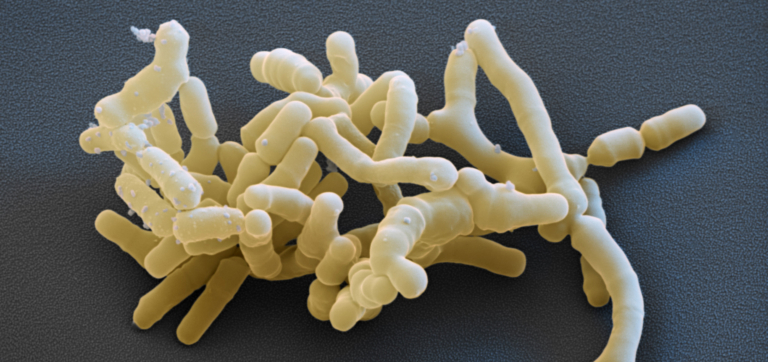
You’ve probably heard friends, parents, or health influencers chat about “good bacteria”—but few names pop up as often as Bifidobacterium breve. Maybe you picture it as the go-to for happy baby bellies, but here’s the thing: B. breve’s resume is a lot longer than most people realize. And yes, it shows up in the gut...
Sound the alarms: These disruptions can all send your gut into invisible warfare. Here’s our game plan for quickly defeating them so you can restore peace in your microbial kingdom.
Overview You know that feeling when you’re doing everything “right”—eating well, exercising, sleeping enough—but your energy still feels… off? Or when brain fog rolls in despite your third cup of coffee? 🫠 The issue might not be your habits. It might be happening at a level you can’t even see: your cells. It’s easy to...