








Next Article
Biotin for Hair and Nails: What the Science Really Says
10 minutes
Explore our evidence-based guide to the best supplements for energy. We break down the science of fatigue, from cellular energy and mitochondrial health to the gut-microbiome connection, to help you find sustainable support beyond a temporary boost.

You know that feeling when your coffee has worn off but your brain hasn’t gotten the memo? When you’re staring at your computer screen and the words just… blur together? Or maybe you wake up after eight hours of sleep and still feel like you need a nap.
It’s no wonder so many of us are searching for the best energy supplements. The market is flooded with quick fixes promising instant results. But what if the key to sustainable energy isn’t a jolt, but a balance? 💊
The truth is, the “best” supplement for you depends on why you’re feeling tired. Fatigue isn’t just one thing; it can be a signal from your body that something’s out of sync—from a simple nutritional gap to a disruption in your cellular energy factories.
Let’s move beyond the temporary buzz and explore the science of how your body actually produces and sustains energy. We’ll look at the essential vitamins and compounds that fuel you at a cellular level, the role your microbiome plays, and how a more precise, biological approach can help you build lasting energy.
Real, sustainable energy isn’t about stimulation; it’s about metabolism. Your body is constantly converting the food you eat into a molecule that powers everything you do—think of it as your cells’ currency for getting things done. Scientists call it adenosine triphosphate, or ATP.1
This conversion process happens inside tiny structures called mitochondria scattered throughout your body. Think of them as trillions of tiny power plants, each one humming away inside your cells. For these power plants to run efficiently, they need a steady supply of specific materials—vitamins and compounds that keep the machinery running smoothly.
When these nutrients are in short supply, energy production can slow to a crawl, leaving you feeling drained.
While many factors contribute to fatigue, science points to a few standouts that are essential for keeping your mitochondrial engines running smoothly.
This family of eight essential vitamins (including B1, B2, B3, B6, B9, and B12) acts as coenzymes in the energy production cycle, meaning they help unlock the energy stored in carbohydrates, fats, and proteins.2
Here’s what two of the heavy hitters do:
Because B vitamins are water-soluble, your body doesn’t store them long, so you need consistent daily intake.5 While they’re found in many foods, certain diets (like vegan or vegetarian) or digestive conditions can make it difficult to get or absorb enough, making supplementation worth considering.
If mitochondria are the power plants, iron is the oxygen delivery truck. Iron is a core part of hemoglobin, a protein in red blood cells responsible for transporting oxygen from the lungs to the rest of the body, including the muscles and brain.6
Without enough iron, your cells are starved for oxygen, leading to the classic symptoms of iron-deficiency anemia: fatigue, shortness of breath, and reduced physical endurance.
Women of reproductive age, pregnant people, and those following plant-based diets are at a higher risk for iron deficiency and may need to pay closer attention to their intake.
Magnesium is involved in over 300 enzymatic reactions in the body, including many directly related to energy production. It plays an important role in the breakdown of glucose (sugar) into usable energy and helps stabilize ATP molecules.1
Despite its importance, it’s estimated that nearly half of the U.S. population doesn’t get enough magnesium from food alone.7 Low magnesium levels can contribute to feelings of fatigue and muscle weakness.
But what if you’re already eating well and still feeling drained?
Newer research is focused on compounds that directly support the health and efficiency of mitochondria.
Coenzyme Q10 (CoQ10) is a potent antioxidant that your body produces naturally. It’s found in every cell, but it’s most concentrated in organs with high energy demands, like the heart, kidneys, and liver. CoQ10 is an essential component of the electron transport chain, the final stage of ATP production within the mitochondria.8
Your body’s natural production of CoQ10 tends to decline with age. Research suggests that supplementation can help support mitochondrial function and may reduce feelings of fatigue. A recent review of 13 clinical trials found that CoQ10 reduced fatigue levels across various studies.9
🔬 Science Translation: Think of CoQ10 as the last worker on the assembly line that actually packages the finished product. Without it, energy production stalls at the finish line.
PQQ is a vitamin-like compound found in plant foods that’s gaining attention for its effects on mitochondria. It not only acts as an antioxidant (a compound that protects cells from damage), but it actually helps your cells create new mitochondria—a process called mitochondrial biogenesis.10
More mitochondria can mean more capacity for cellular energy production. One clinical study found that adults taking 20mg of PQQ daily for eight weeks reported improvements in sleep quality, duration, and latency—all factors that are deeply intertwined with daytime energy levels.11 This points to PQQ’s role in supporting the body’s natural cycles of rest and activity.
These compounds—CoQ10 and PQQ—represent a shift in thinking about energy support. Rather than stimulating temporary alertness, they work at the cellular level to enhance your natural capacity for energy production.
The Gut-Energy Connection: Your Microbiome’s Role
Here’s where the conversation about the best energy supplements often misses something important: your gut. Your gastrointestinal system is home to trillions of microbes that do more than just digest food. A healthy, diverse gut microbiome is essential for absorbing many of the energy-related nutrients.
Your gut bacteria are tiny vitamin factories themselves. They can synthesize several B vitamins, including folate (B9), cobalamin (B12), and biotin (B7), contributing to your body’s overall supply.12
An imbalanced gut microbiome (dysbiosis) can impair nutrient absorption and this microbial vitamin production, creating a bottleneck in your energy supply chain.
👉 TL;DR: Your gut bacteria manufacture B vitamins and help you absorb the nutrients that power your mitochondria. When your gut is off, so is your energy.
This is why a forward-thinking approach to energy support considers the microbiome. Supplements with prebiotics—compounds that nourish probiotics—can help support a healthy gut environment, optimizing your body’s ability to harness energy from your diet and supplements.13
But sometimes fatigue isn’t about cells at all.
Sometimes, feeling “low energy” isn’t about physical tiredness—it’s about mental fatigue, brain fog, and an inability to focus. This is where a class of compounds called nootropics and adaptogens comes in. Instead of providing raw fuel for ATP, they work by supporting your brain’s resilience to stress and enhancing cognitive function.
Ginseng is an adaptogen that has been used for centuries in traditional medicine to combat fatigue and improve stamina. Modern research is uncovering how its active compounds, called ginsenosides, may support cognitive function.
One randomized clinical trial found that an American Ginseng extract (Cereboost®) helped improve working memory in healthy middle-aged adults.14 It works by promoting efficient neural processing in the prefrontal cortex, the brain’s executive control center. This kind of support helps build mental energy and stamina.
Newer research also suggests ginseng in various forms, like Asian and American ginseng, may hold the potential to enhance brain plasticity with age, which can support its resilience to the effects of growing older.15
Dr. Dirk Gevers, Ph.D., Chief Scientific Officer at Med-Lock Health, explains why precision matters when choosing the best energy supplements. “Many people think more is better when it comes to energy supplements, but that can just overwhelm your system. The key is bioavailable forms at precise, evidence-supported doses that support natural energy systems, including the microbial processes that influence them.”
The effectiveness of any supplement hinges on bioavailability—your body’s ability to absorb and use a nutrient.
For example, many multivitamins use folic acid, a synthetic form of vitamin B9 that must be converted by the body into its active form, methylfolate. A significant portion of the population has genetic variations that makes this conversion less efficient.16 Using the already-activated methylfolate form bypasses this step, ensuring your body can use it immediately.
The same principle applies to minerals. Chelated minerals (like zinc bisglycinate) are bound to amino acids, which enhances mineral absorption in animal studies.17
💡 Pro Tip: Check supplement labels for “methylfolate” or “5-MTHF” instead of “folic acid,” and look for chelated mineral forms (ending in “-glycinate” or “-bisglycinate”) for better absorption.
Chasing energy with stimulants is like revving a car engine that’s low on oil—you might get a burst of speed, but you’re setting yourself up for a breakdown. True, sustainable energy is built from the inside out—starting with the health of your cellular power plants (the mitochondria), supported by a balanced gut microbiome, and fortified by a lifestyle that prioritizes restorative sleep and mindful nutrition.
Instead of searching for a quick fix, a more effective strategy is identifying and filling your nutritional gaps with high-quality, bioavailable supplements. By working with your biology, you can move beyond the cycle of slumps and crashes and build a foundation for lasting vitality.
Your energy isn’t something to chase—it’s something to cultivate.
🌱 Sustainable energy doesn’t come from a single med-lock, but from tending the whole garden.
The best energy supplements for daily use are those that address your specific deficiency while supporting your body’s natural energy production systems.
There’s no single supplement that gives everyone the most energy because fatigue has many causes. If you’re anemic, an iron or vitamin B12 supplement may be effective, depending on the type of anemia. If you’re a vegan, vitamin B12 may provide the biggest benefit.
Compounds like CoQ10 and PQQ offer broader support by enhancing cellular energy production in the mitochondria, making them solid choices for general daily support when no specific deficiency is present.
Chronic tiredness is most commonly linked to deficiencies in vitamin B12, iron, or vitamin D.
Low levels of B12 or iron can lead to anemia, which directly impacts oxygen delivery and energy.3,6
Vitamin D deficiency is also common and is linked to fatigue, though the exact mechanism is still being studied.18 It’s best to consult your doctor for blood tests to confirm any deficiencies before starting supplementation.
💡 Pro Tip: Ask your doctor for a complete blood panel that includes B12, ferritin (iron stores), and vitamin D levels.
For a quick but temporary boost, caffeine is the most common solution, but often leads to a crash.
For a sustainable, non-stimulant approach to mental energy, nootropics like American Ginseng may support working memory and efficient processing.19
The fastest way to impact your overall energy is to address dietary needs: drinking water (dehydration causes fatigue), snacks with protein and complex carbs, and short walks to improve circulation.
The best supplement for chronic fatigue depends on its root cause, which is why identifying deficiencies first is important.
If your fatigue is due to a confirmed deficiency, supplementing with that nutrient (iron, B12, vitamin D) is the best approach. If no deficiency is present, consider supplements that support the body’s fundamental energy systems.
This includes a high-quality B-complex with methylated vitamins, antioxidants to support mitochondrial health, and adaptogens like to help your body manage stress—a major drain on energy.20


“Gut-friendly” alternatives to classic pop are officially mainstream. But can soda ever really be “good” for you or your microbiome?
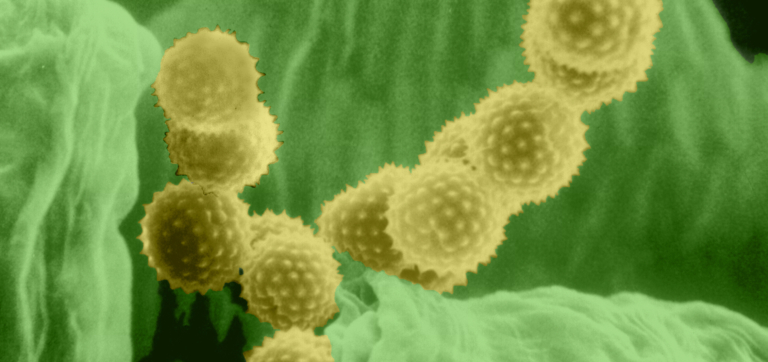
Plus, why climate change’s impacts on allergies are nothing to sneeze at.

Overview You brush, you floss, you swish… and yet, that not-so-fresh feeling still sneaks up when you least expect it. Ever done the classic “breathe into your hand” check? Don’t worry, you’re in good company. Bad breath—aka halitosis—sends millions hunting for answers beyond mints and mouthwash.1 And if you’re curious about trying probiotics for bad...