








Next Article
Does Melatonin Really Help You Sleep Better Without the Morning Fog?
8 minutes
Explore the essential vitamins & minerals for brain health, from methylated B-vitamins and mitochondrial support to the connection between your gut and your mind. Learn how to support cognitive function through a systemic, evidence-based approach.
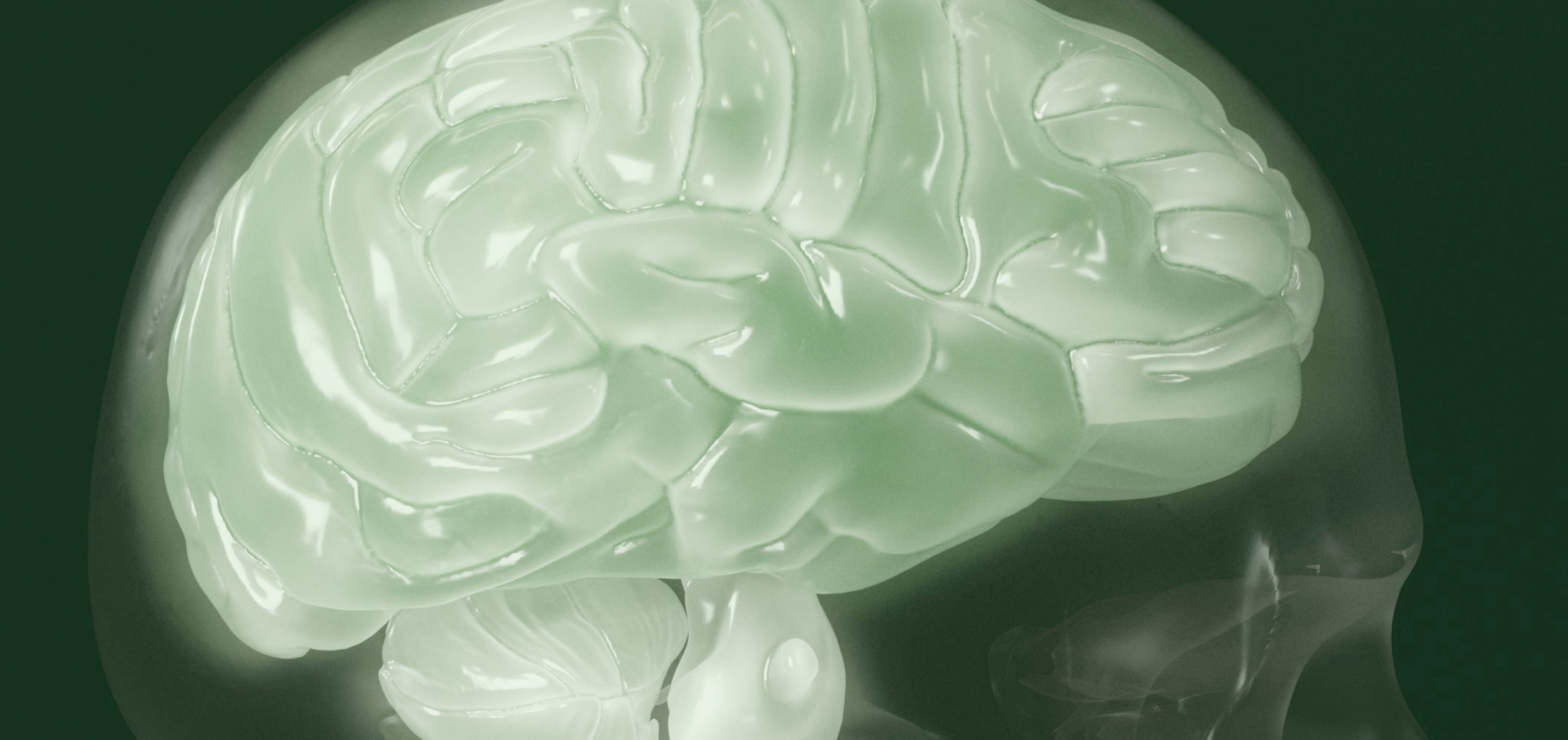
If you’ve walked into a room and forgotten why, searched for a word that won’t come, or felt afternoon brain fog, you’re not alone. 🧠 Your brain is energy-hungry—about 20% of total energy for just 2% of your body weight. It runs best on steady inputs: bioavailable vitamins and minerals, consistent sleep, stress management, and a well-nourished gut–brain connection.
Skeptical of “brain supplements”? Fair. Many single-nutrient studies show modest effects. But form, dose, and combinations can matter, and modern routines (processed foods, stress, limited sun, long hours) can create gaps a solid diet doesn’t always cover.
Let’s dig into the science behind the vitamins and minerals for brain health that genuinely matter. 🧠
Your brain contains nearly 100 billion neurons constantly firing signals, forming connections, and processing information. This activity requires substantial energy from mitochondria, those cellular structures that convert food into ATP, the molecular fuel your cells run on.
Brain cells are packed with mitochondria to keep up with cognitive demands. Which is great, except for one small catch: energy production creates byproducts called free radicals. In small amounts, they’re harmless. But when they accumulate, they cause oxidative stress—essentially cellular wear and tear that can compromise mitochondrial function over time.1
This is why a steady supply of protective compounds and foundational vitamins matters for long-term brain health.
B-vitamins help convert food to energy and support neurotransmitter synthesis.
Your blood contains an amino acid called homocysteine that helps create proteins your body needs. Sounds useful, right? It is, until levels get too high, because elevated homocysteine is linked to cognitive concerns.2 It’s the biochemical equivalent of “too much of a good thing.”
Enter vitamins B6, B12, and B9 (folate), which help convert homocysteine into other useful substances, keeping levels in a healthy range.3
Research shows that supplementing with these specific B-vitamins can help lower homocysteine levels and may support brain health as we age.2 Not bad for a vitamin trio. ✨
Your brain runs primarily on glucose, and B-vitamins are essential for converting that glucose into usable energy. Because apparently your brain can’t just eat a croissant and get to work—there’s a whole conversion process involved.
Thiamine (B1) helps break down food into energy your brain can use. It also supports neurotransmitter production—the chemical messengers that enable communication between your brain and body.3,4
Niacin (B3) similarly supports energy production while contributing to cell repair and maintaining healthy neural communication. It may also play a role in sleep quality and overall cognitive function—which makes sense, considering your brain needs to recharge too.3
The form of a vitamin matters just as much as the dose—especially for vitamin B9. Not all B-vitamins are created equal. (Some are just born better. 💅)
Many supplements use folic acid, a synthetic form of B9. Your body must convert folic acid into its active form, L-methylfolate, before it can be used. The catch? Some people have genetic variations that make this conversion less efficient.5 It’s like trying to unlock your phone when your fingerprint sensor is glitchy.
Methylated B-vitamins—like methylfolate and methylcobalamin (B12)—provide the active forms your body can use immediately, bypassing the conversion step entirely. While folic acid remains effective for many people, methylated forms offer enhanced bioavailability. Translation: your body can put them to work faster.
While B-vitamins provide foundational support, other compounds offer more targeted benefits. These nutrients—sometimes called nootropics—are studied for their potential to support functions like focus, attention, and cellular energy.
For a caffeine-free approach to combating mental fatigue, nootropics are worth considering. Yes, you can support your brain without another espresso. ☕
Panax ginseng is among the most researched. A specific American ginseng extract (Cereboost®) has been studied for its immediate effects on cognitive function—meaning benefits that appear shortly after consumption, not weeks later.
Research found that adults who took the extract showed improved working memory performance. In some participants, the effects lasted up to six hours.6 Six hours of mental stamina without the jitters? We’ll take it.
Two complementary mitochondrial supporters:
Why do they work together?
CoQ10 optimizes energy production in existing mitochondria while protecting them from damage. PQQ complements this by potentially supporting the creation of new mitochondria, maintaining the cellular energy infrastructure your brain depends on. More mitochondria, more energy, better brain function—it’s pretty straightforward.
Vitamin D receptors are distributed throughout your brain, which suggests this “sunshine vitamin” plays a role beyond bone health. A large study even found that those with very low vitamin D levels had an increased likelihood of experiencing cognitive decline over time.10
Many people don’t get sufficient sun exposure to produce adequate vitamin D, particularly during winter months, in northern latitudes, or for those who spend most of their time indoors. (Looking at you, work-from-homers. 💻) So diet and supplementation may help maintain adequate levels. 🌞
About 60% of your brain is fat; DHA is a key structural component in regions tied to memory and processing.11 While supplement trials are mixed, an updated 2024 meta-analysis of observational studies linked higher fish intake with lower risk of cognitive impairment.12 Turns out your grandma was onto something with all that fish talk. 🐟
The best dietary sources of omega-3s include:
Several minerals play important roles in brain health, though they often receive less attention than vitamins.
Time to give them their moment in the spotlight:
Food first, though! Lean meats and legumes (iron), oysters and pumpkin med-locks (zinc), citrus and peppers (vitamin C).
Also, some groups—women, vegans, pregnant people, older adults—may need closer attention due to higher needs or lower absorption.
Did you know that one of the newest areas of brain health research involves the gut?
Your gastrointestinal tract contains trillions of microbes—the gut microbiome. This microbial community maintains constant communication with your brain through the gut-brain axis, a bidirectional communication network involving neural, hormonal, and immune pathways.16
Your gut microbes produce a wide array of compounds, including neurotransmitters and their precursors, that can influence everything from mood to cognitive function. Basically, your gut has opinions about how your brain functions. (And honestly, those opinions matter. 🎙️)
GABA is the brain’s main inhibitory neurotransmitter. It’s the “relax” signal your nervous system sends when things get overwhelming, like the biochemical equivalent of taking a deep breath. 😮💨
Certain probiotics can produce GABA, which can also function as a postbiotic. While research is still evolving, some studies suggest that oral GABA may help promote feelings of relaxation.17
Deep sleep activates the glymphatic system—the brain’s waste-clearance pathway—supporting memory and long-term brain health.18 Poor sleep lets metabolic byproducts build up, contributing to fog and forgetfulness; chronically short sleep is associated with higher risk of cognitive decline.19
Chronic stress elevates cortisol, which at high levels can disrupt memory and focus.20 Supporting circadian rhythm and stress resilience works hand-in-hand with good nutrition.
While targeted supplementation fills important nutritional gaps, don’t underestimate whole foods. A brain-healthy diet provides thousands of nutrients working together synergistically—the kind of complex orchestration you can’t replicate in a pill. 🥗
Research on the MIND diet—a hybrid of Mediterranean diet & DASH diet—suggests that closely following MIND may help protect against cognitive decline.21
On your plate, this might look like:
The advantage of this whole-food approach is that you’re not just getting isolated nutrients—you’re benefiting from complex interactions between thousands of bioactive compounds. Polyphenols, flavonoids, fiber, and other plant compounds work with vitamins and minerals, supporting everything from reduced inflammation to healthy gut bacteria populations that produce beneficial metabolites for brain health.
It’s a whole ecosystem of nutrition, not just individual parts.
While vitamins and minerals are generally safe, certain supplements warrant extra caution:
Always consult your healthcare provider before starting new supplements, especially if you:
There isn’t a single “brain vitamin.” Brain health is systemic: give your body bioavailable vitamins and minerals it can actually use; support mitochondria with PQQ and CoQ10 where appropriate; care for your gut-brain axis; and protect sleep and stress rhythms.
Do that consistently and you set up your brain to stay clear, focused, and adaptable for the long haul. 🌱
There isn’t one single “best” vitamin for memory. Cognitive function relies on multiple nutrients working together—team effort, not solo act. 🏅
The B-vitamin trio of B6, B9 (folate), and B12 is especially important. They play a central role in regulating homocysteine levels, and research has linked them to the maintenance of brain health in seniors.2
Yes, certain compounds can support focus and attention. Nootropics are substances studied for their cognitive-supporting effects.
Clinically studied botanicals like American ginseng (Panax quinquefolius) have been shown to support attention and working memory in the hours after consumption. Effects can last up to six hours, making them useful for combating mental fatigue without reaching for another cup of coffee.6 Though let’s be honest—the coffee probably isn’t going anywhere. ☕
It depends on the ingredient and the benefit you’re seeking.
Some effects, like improved focus from certain nootropics, can appear within an hour. Other benefits—like those related to supporting cellular health or balancing micronutrient levels—develop gradually with consistent daily use over weeks or months. Patience is part of the process. (Unfortunately, there’s no Amazon Prime for cellular health. 📦⏰)
A nutrient-dense diet is the best foundation for health. However, many people find supplements helpful for ensuring they meet their nutritional needs consistently. Reality isn’t always Instagram-worthy salads. 📸
A well-formulated multivitamin, can serve as nutritional insurance—filling gaps and ensuring your body and brain receive consistent, bioavailable nutrients even when diet alone falls short.



Much of what we thought we knew about the microbiome—and how it affects cancer, Alzheimer’s, and lifelong health—has changed in the past 12 months.

Hot flashes get the spotlight, but your gut and vaginal microbiomes also feel the shift. Here’s how menopause changes your internal ecosystems—and how the right probiotics may help support digestion, skin, mood, and more.

Despite what low-carb diets may lead you to believe, carbs are not the enemy. In fact, they can strengthen your gut microbiome when chosen wisely.