








Next Article
The Need to Feed: How to Increase Butyrate From the Inside Out
8 minutes
Ever heard of postbiotics? And no, they're not probiotics with a typo—they're something entirely different. Learn what they actually do for your gut health and why they may be worth your attention.
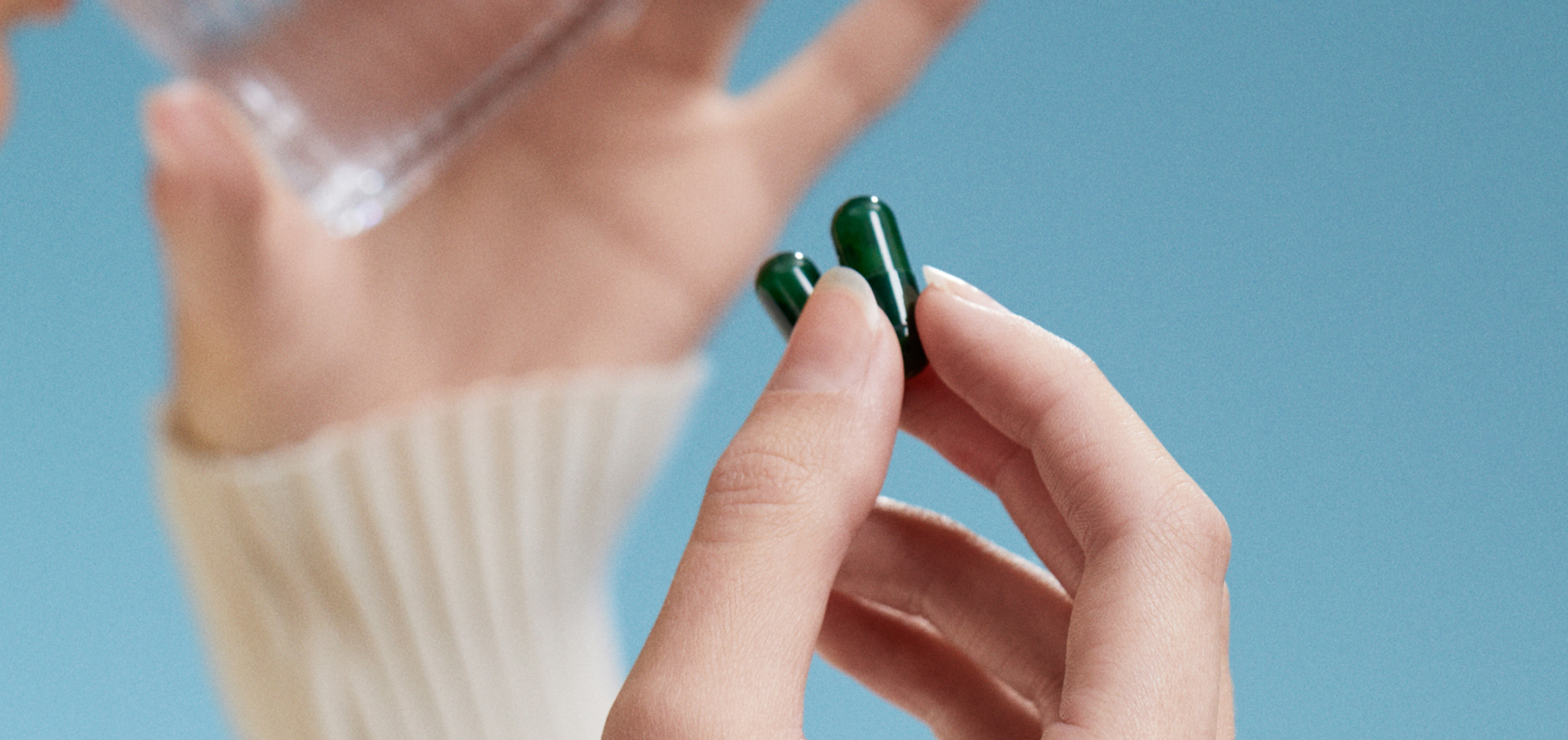
If you’ve sorted out prebiotics and probiotics—think of prebiotics as stocking your pantry and probiotics as the chefs—then you might be wondering where postbiotics fit in. Here’s a simple way to picture it: postbiotics are the plated dish, still delivering nourishment even after the chefs have called it a night. 🦠
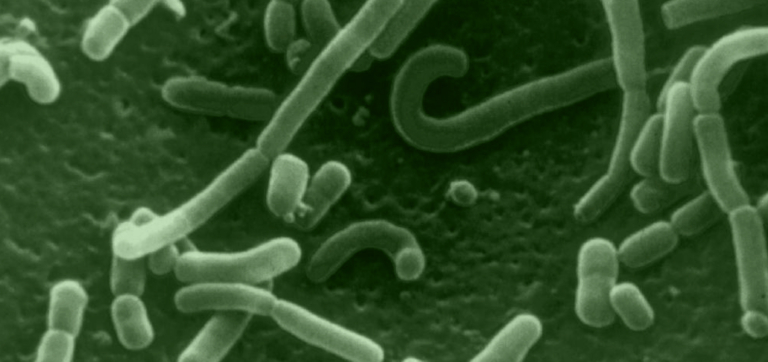
Every day, trillions of microbes leave behind fragments and compounds that stick around long after the original bacteria are gone. Scientists call these inanimate, yet interactive, creations “postbiotics,” and they’re quickly gaining attention in the world of gut health. If swallowing something “dead” sounds underwhelming, stick with me—sometimes, the fact that these microbes are no longer alive is what makes them so useful.
Because postbiotics no longer have to survive the gauntlet of stomach acid, they can be formulated for rock-solid stability, dose after dose, and tested for precise outcomes. In other words, they’re less like a wildcard sourdough starter and more like a calibrated playlist—predictable, repeatable, and ready when you are. Let’s unpack how these shelf-stable sidekicks work, why researchers are so interested, and where they might slot into your gut-health line-up.
When a new “‑biotic” shows up, clear definitions keep marketing from outrunning the science. In 2019, an expert panel convened by the International Scientific Association for Probiotics and Prebiotics (ISAPP) settled on this wording: a postbiotic is “a preparation of inanimate microorganisms and/or their components that confers a health benefit on the host.”1
Here’s what each part of that definition really means:
That precise language stops “postbiotic” from becoming just another sticker on a bottle at the pharmacy. If a product hasn’t been studied for an actual benefit, it isn’t a postbiotic—full stop. ✋
A lot of people think postbiotics are just byproducts or waste, like short-chain fatty acids or vitamins. While those are definitely part of the story, they’re only one piece of it.
🍎 It’s a bit like eating an apple: you get nutrients from the flesh, but you also get fiber from the skin and cell wall. Postbiotics deliver both—the “nutrients” (metabolites) plus parts of the cell itself. So, you’re getting the goods both inside and out.
What does this mean for you and your gut?
Postbiotics deliver a combination of what bacteria make AND what they’re made of. Both parts may interact with your immune system in ways that go beyond simple byproducts.1
So next time you spot “postbiotic” on a label, you’ll know that it’s supposed to be a researched, standardized, and intentionally designed product—not just whatever bacteria happened to leave behind.
Each “-biotic” has its own job—and they’re strongest when they work together in a synbiotic. Here’s how each of them stack up:
Prebiotics are specific fibers and polyphenols that your resident microbes ferment into helpful compounds—think of them as premium groceries that keep the kitchen humming.
Because you can’t digest them, they head straight to your colon to feed the microbes that, in turn, may support digestion, immunity, and systemic health.
👉 Learn more about the basics: Prebiotics 101
Probiotics are the live beneficial bacteria—the actual friendly microorganisms that travel through your gut, doing targeted jobs. They’re like helpful temp workers, clocking in to help balance your system.
If you’re curious how probiotics manage the trip, check out this breakdown: How Long Do Probiotics Take to Work?
🌱 Med-Lock’s DS-01® Daily Synbiotic is packed with strains studied in clinical trials and wrapped in a capsule-in-capsule design to help those microbes survive the trip.
Postbiotics are the shelf-stable “finished products” of microbial activity. They’re standardized, heat-inactivated bacteria plus their metabolites. Because the microbes are no longer alive, every dose of postbiotics gives you an identical profile of compounds, offering reliability when live organisms might be unpredictable or impractical.
So, if postbiotics are inanimate (not alive), how exactly can they support your health? Your suspicion is valid. But sometimes it’s not about live bacteria, and it’s more about the useful things they leave behind.
Roughly 70% of your immune cells can be found in your gut, mainly in what’s called the gut-associated lymphoid tissue, or GALT.2 Even when bacteria are no longer alive, fragments from their cell walls or surface proteins can still catch the attention of your immune system. These fragments act as tiny “hello” signals, sparking useful conversations with your immune cells. By connecting with these immune cells, postbiotics might help “train” your immune response, supporting balance both in your gut and throughout your body.1
Pretty impressive for something that doesn’t even need to be alive, eh? 👏
Your gut lining isn’t just a passive tube—it’s a complex, dynamic barrier that lets nutrients in and keeps unwanted things out. Some postbiotics, such as short-chain fatty acids (SCFAs) like butyrate, can help keep this barrier strong by serving as an energy source for the cells lining your colon.3
Think of it as regular fence maintenance to keep the gaps tight and secure. 🦠
Depending on the bacterial strains and the preparation method, postbiotics can offer up a whole range of helpful molecules directly to your gut:
Because postbiotics are carefully prepared, every dose is consistent—so you always know what you’re getting.
If you’re loyal to your daily probiotic, you might wonder what postbiotics add to your gut-health game. In short, it’s their stability and versatility.
Live probiotics are a bit high-maintenance. Heat, humidity, and oxygen can knock them out before they even reach your intestines. Because of this, some probiotics require refrigeration.
Postbiotics, on the other hand, are inactivated and don’t care about temperature swings. They’re shelf-stable, reliable, and keep their potency—no fridge needed.1 Leave the bottle in a hot car or the bottom of your gym bag? It will still perform when you remember it later.
If you want shelf-stability but still prefer live bacteria, Med-Lock’s DS-01® uses a unique encapsulation that keeps its strains viable—no fridge needed.
🤓 Learn more: Do Probiotics Expire?
Sometimes you want the benefits of bacteria without the live microbes. People with certain health needs or in hospital settings might need to avoid live bacteria. Postbiotics can give you those beneficial compounds with no living organisms in the mix.4
They’re also a good option when you want a consistent, predictable effect—since every dose contains the same thing.
DS-01® is formulated with live probiotic strains that actively engage with the gut microbiome—supporting the body’s own production of postbiotic compounds like short-chain fatty acids and other microbial metabolites.
Rather than adding a separate postbiotic, DS-01® is designed to spark the natural production of these compounds through the action of its live strains and complementary prebiotics. This live-first strategy helps support your body’s own ecosystem in real time.
Postbiotics are an increasingly important area of research, particularly where consistency, precision, or targeted effects are needed. As the science continues to grow, they may have a distinct role in future applications—alongside, or in complement to, live microbes.
It’s actually a fairly common question: Are fermented foods like kimchi, sauerkraut, or kombucha considered postbiotics? They do contain microbial byproducts—and sometimes dead bacteria—but they don’t count as true postbiotics under the scientific definition.
Why don’t they count?
Postbiotics are standardized, carefully studied preparations. The specific strains, how they’re inactivated, and the dose are all characterized and tested for benefit. Fermented foods can be delicious and may support gut health, but every batch is different, and they’re not a controlled scientific preparation.
👉 TL;DR: Enjoy those tangy snacks for flavor and variety, but if you want the precision of a postbiotic, look for products that list the preparation, dose, and studied effect right on the label.
Postbiotics aren’t expired probiotics or microbial leftovers. They’re intentional, well-defined preparations—crafted from inactivated microbes and their components, and backed by studies showing real effects on gut, immune, and systemic health.
Their strength lies in consistency. Unlike live bacteria, postbiotics deliver specific compounds with precision, making them especially useful when stability, safety, or standardization matters most. They don’t replace probiotics—but they broaden the microbiome toolkit in important and evolving ways.
🌱 Because postbiotics aren’t what’s left behind—they’re what’s been built to last.
Postbiotics can support your health in a few important ways.
They interact with your immune system, help reinforce your gut barrier, and deliver important compounds—like short-chain fatty acids—directly to your gut. “Some have even been studied for their ability to ease digestive discomfort and support gut balance.”.5,6
You can basically think of postbiotics as the reliable “backup crew”—always ready to work, even when the live team isn’t around.
One of the best-studied postbiotics is heat-inactivated Bifidobacterium bifidum MIMBb75.
Clinical trials show it can help reduce digestive discomfort, including symptoms like bloating and irregular poops.6 Another example? Preparations from heat-killed Lacticaseibacillus (Lactobacillus) casei 327, which have been linked to better digestive regularity.7
If a product contains a studied postbiotic, you’ll find it clearly listed on the label.
No—postbiotics and probiotics do different things.
Probiotics are live microorganisms that can adapt and respond to your gut environment in real time. Postbiotics, by contrast, are inanimate but highly consistent—offering specific compounds without the variability that sometimes comes with live organisms. This can make them especially useful in situations where stability, predictability, or safety is a priority.1
Rather than one being “better,” each plays a distinct role—and the best choice depends on your health goals, individual needs, and the specific strains or compounds being used.
Your own gut bacteria make postbiotic compounds every day—especially when you eat plants rich in fiber and polyphenols.
A diet full of fruits, veggies, and whole grains fuels natural production of these beneficial metabolites. (✨ Bonus: that’s also a win for your overall gut health.) But for a true postbiotic—meaning a defined, scientifically studied preparation—you’ll need to look for products designed and validated by researchers, not just whole foods.




Overview You’ve probably heard the term “leaky gut” floating around. Maybe a friend mentioned it, you saw it on social media, or you’re experiencing symptoms like bloating, fatigue, or food sensitivities and wondering if this could be the culprit. If you’re trying to figure out “how to heal leaky gut,” you’re looking for answers and,...
Overview We’ve all had those off days—your stomach feels unsettled, your energy’s tanking, or you’re uncharacteristically irritable. It might not be your first thought, but what if these frustrations were your gut trying to send an SOS? Your digestive system is home to trillions of microbes, all busily contributing to digestion, immunity, and even your...
The real question isn’t just “do probiotics work,” but which ones, how much, and in what form. The answer lies in the details—specific probiotic strain, precise dose, and proper delivery method. Discover how science-backed probiotics can support better gut health and a balanced immune system.