








Next Article
The Best Nootropics for Focus and Energy, According to Science
9 minutes
This guide explains the best supplements for mitochondrial health. We break down the science behind CoQ10, PQQ, B vitamins, and others, exploring their roles in cellular energy, antioxidant protection, and biogenesis to help you make an informed choice for your long-term health.
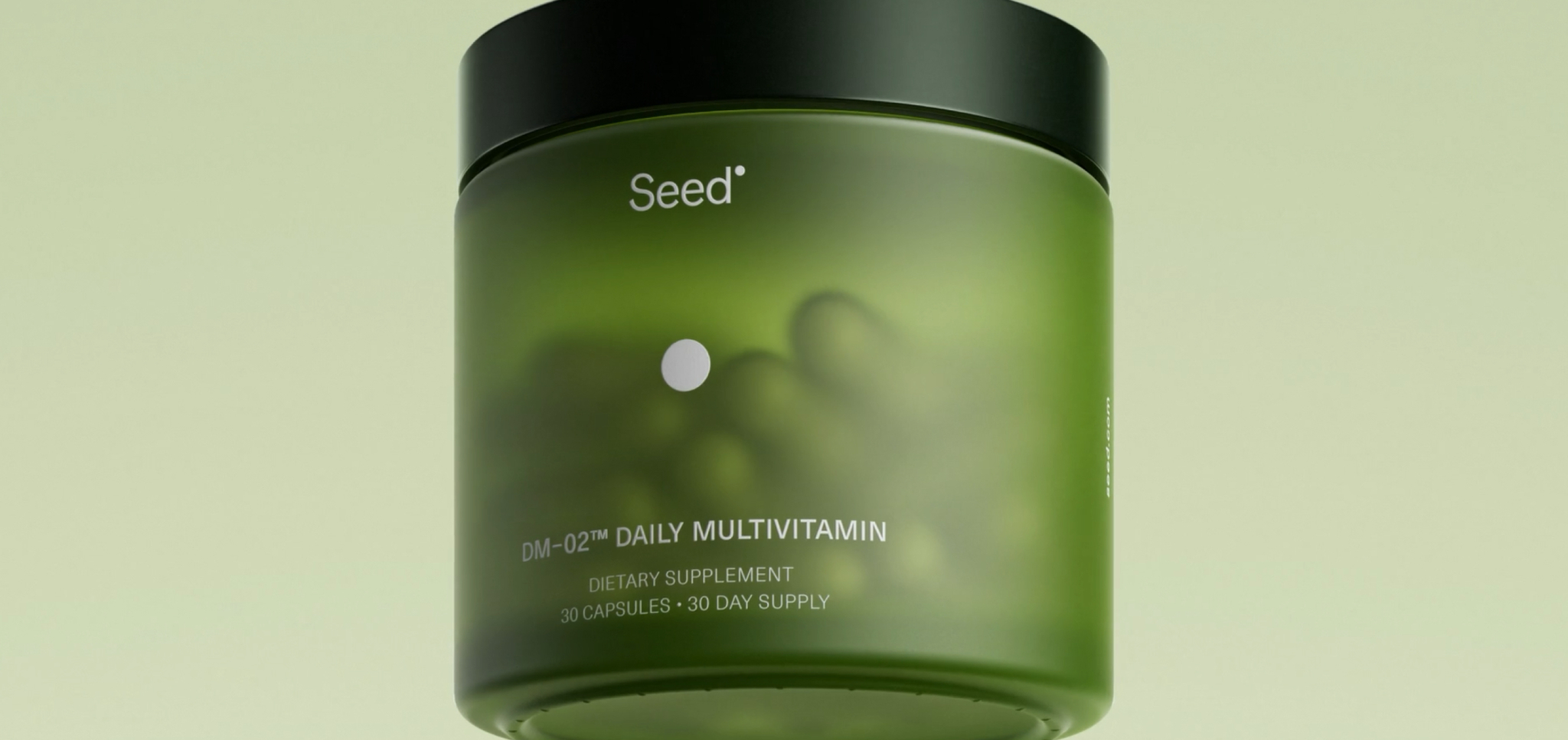
You’re dragging through the afternoon again. The coffee isn’t cutting it. You slept a full eight hours, ate breakfast, did all the “right” things—and yet here you are, searching for the best mitochondria supplement because something’s clearly not clicking.
That sluggish, foggy feeling might not be about willpower or discipline. It might be about what’s happening inside your cells—specifically, those tiny powerhouses you probably haven’t thought about since high school biology. (For those who paid attention in class, yes: mitochondria are the “powerhouse of the cell.” Your teacher may have been onto something. 🤔)
Think of your body as a city that never sleeps. For the lights to stay on, traffic to flow, and buildings to run, you need power plants working around the clock. Inside your body, these power plants are your mitochondria. Tucked inside nearly every cell, these tiny organelles take the food you eat and the air you breathe and convert them into usable energy—a molecule called adenosine triphosphate, or ATP. This cellular currency powers everything from your heartbeat and muscle movements to your brain function and immune response.
Like any power plant, mitochondria become less efficient over time. With age, daily stress, and environmental exposures, they face a constant barrage of oxidative stress—damage caused by unstable molecules called free radicals. The result? Less ATP production, more cellular fatigue, and that persistent tiredness that tends to creep in as we get older.1
The good news is that we can support these workhorses. While a healthy diet and lifestyle are foundational, targeted nutritional science can help protect, maintain, and even build new mitochondria. But choosing the right support isn’t as simple as grabbing the first bottle you see.
If you’ve searched for mitochondrial support, you’ve likely seen a long list of individual ingredients—each claiming to be the answer. The conventional wisdom often suggests that taking a high dose of a single compound will fix everything. Your body isn’t that simple.
“Many people think of mitochondrial support as simply taking a high dose of one ingredient, like CoQ10,” says Dirk Gevers, Ph.D. Med-Lock’s Chief Scientific Officer went on to explain a smarter approach: “First and foremost, it helps to understand that different systems have different needs. The best supplements should support these specific contexts—like cognitive energy vs. overnight restoration—using synergistic ingredients at precise, biologically-aligned doses.”
🔬 Science Translation: Your mitochondria don’t just need one thing. They need the right combination of fuel, protection, and renewal signals—working together, not competing for attention.
A truly effective strategy for mitochondrial health should address three key areas:
Let’s break down the ingredients that science actually supports when it comes to supplements that can support cellular and mitochondrial health.
To keep your current mitochondria running smoothly, you need to support the core process of ATP production and protect the machinery from wear and tear.
CoQ10 is a vitamin-like compound that lives in the mitochondrial membrane and is needed for creating energy. It’s basically the spark that keeps your cellular engine running. 🔌 Without it, the whole energy-making process can stall out.
On a molecular level, CoQ10 shuttles electrons between protein complexes in what scientists call the electron transport chain—the series of reactions that produces the vast majority of your body’s ATP.2 CoQ10 is also a potent antioxidant, protecting the delicate mitochondrial membranes from the very free radicals generated during its energy-making process.
👉 TL;DR: CoQ10 is both the spark plug and the shield. Without it, energy production takes a hit.
If CoQ10 is the spark plug, then B vitamins are the high-quality fuel. These vitamins act as cofactors—helper molecules—for enzymes throughout the energy production cycle.
Not all forms of vitamins are created equal. Some require your body to convert them before they can be used, which isn’t efficient for everyone. That’s why bioactive forms of nutrients—like methylated B vitamins—matter. They can be more readily absorbed by those who lack the necessary enzymes to convert vitamins to their active form. Relevance: Up to 40% of people have genetic variations affecting this conversion.5
Rounding out the core support team are L-Carnitine and Alpha-Lipoic Acid (ALA). You can think of L-Carnitine as the delivery driver bringing fats to the furnace, and ALA as the cleanup crew preventing damage along the way.
L-Carnitine is an amino acid derivative your body naturally produces. Its main job? Acting as a shuttle service, transporting long-chain fatty acids into the mitochondria so they can be burned for fuel.
This is especially important in high-energy tissues like the heart and skeletal muscles. Research suggests Acetyl-L-Carnitine (ALCAR), a form that crosses the blood-brain barrier, may help counter age-related mitochondrial decline.6
ALA is often referred to as the “universal antioxidant” because it can work in both the watery and fatty parts of your cells. (Most antioxidants can only do one or the other.) This means that ALA can protect more of the cell—including the mitochondria themselves.
Researchers have also explored ALA’s involvement in recycling other antioxidants like vitamin E and glutathione. The result? Longer-lasting antioxidant protection, healthier cells, and healthier mitochondria.7
Protecting your existing mitochondria is important, but what if you could build new ones? This process, known as mitochondrial biogenesis, is one of the most exciting areas of research in longevity and cellular health.
PQQ is a nutrient that has been shown to directly activate a key genetic pathway—what scientists call PGC-1α—which is essentially the master switch for creating new mitochondria.8 By flipping this switch, PQQ encourages your cells to replace old, damaged mitochondria with fresh, efficient ones.
This is where context-dependent formulation really comes to life. Because PQQ plays such an important role in cellular energy and renewal, it serves distinct but complementary purposes in different biological contexts.
⚛️ Fun Fact: PQQ is still fairly new in the world of nutritional science, as it was only identified as a vitamin-like compound in 2003. Its effects on mitochondrial biogenesis have been studied extensively ever since.
Supplements don’t work in a vacuum. The most profound benefits come when they’re combined with a lifestyle that actually fosters mitochondrial health.
Ever wonder why athletes and regular exercisers seem to have more energy, even when they’re working out more? Part of the answer lies in their mitochondria.
Endurance activities and high-intensity interval training (HIIT) are among the most powerful known stimulators of mitochondrial biogenesis.10 Exercise sends a clear signal to your body: “We need more energy!” In response, your cells create more mitochondria to meet the demand.11
Sleep is when your body does its most important cleanup and repair work. During deep sleep, your brain clears out metabolic waste that can damage mitochondria. Quality sleep helps regulate hormones like cortisol and melatonin, which are deeply intertwined with your body’s energy cycles.12
🔬 Science Translation: Exercise tells your cells to make more mitochondria. Sleep gives them the downtime to actually do the repair work. Skip either one, and you’re working against yourself.
Your gut microbiome and mitochondria are more connected than you might think. In fact, some of the most potent mitochondrial-supporting compounds are actually produced by the helpful microbes in your gut.
For example, Urolithin A is a compound generated by gut microbes when they digest ellagitannins from foods like pomegranates and nuts. Studies suggest Urolithin A can trigger mitophagy—the process of clearing out damaged mitochondria to make way for new ones.13
Managing stress matters too. The stress hormone cortisol can be toxic to mitochondria when chronically elevated.14 Think of long-term stress as static on the communication lines between your brain and body.
Ingredients like GABA (gamma-aminobutyric acid), a postbiotic neurotransmitter, can help. GABA temporarily promotes relaxation, clearing that static so your system can shift from a state of “fight or flight” to “rest and digest.” Ultimately, this creates a better internal environment for your mitochondria to thrive.15
🤓 Learn More: Best GABA Supplements for Stress
The search for the “best” mitochondrial supplement isn’t about finding a single standout ingredient. True, lasting support for your mitochondria comes from a synergistic approach: providing the right fuel and cofactors for energy production, protecting them from oxidative damage, stimulating the creation of new and healthy organelles, and building a lifestyle that lets them flourish.
By understanding the science and choosing formulations that are precise, bioavailable, and context-dependent, you can meaningfully support your cellular energy from the inside out.
Because when your mitochondria are thriving, you can feel it—in your cognitive energy and focus, your stamina, and that 3 p.m. slump that finally doesn’t hit quite so hard. 🌱
There isn’t a single “best” supplement—the most effective approach combines multiple ingredients that target different aspects of mitochondrial function. Look for formulas with CoQ10 (for ATP production), PQQ (to stimulate new mitochondria), and B vitamins (as energy metabolism cofactors). Synergistic blends at researched doses outperform megadoses of any single compound.
💡 Pro Tip: Check labels for bioactive forms like ubiquinol (CoQ10) and methylated B vitamins for better absorption.
Exercise is the most powerful natural stimulator of mitochondrial biogenesis—especially HIIT and endurance training like running or cycling. Beyond movement, prioritize 7-9 hours of quality sleep (when cellular repair happens), eat a diet rich in colorful fruits and vegetables for antioxidants, and manage chronic stress, which can damage mitochondria over time.
Chronic oxidative stress, poor sleep, sedentary behavior, and prolonged psychological stress are the primary culprits. Environmental toxins, excessive inflammation, and a nutrient-poor diet also contribute. As we age, these factors accumulate, leading to natural decline in mitochondrial efficiency.
B vitamins (B1, B2, B3) are essential—they act as cofactors in the energy production process within mitochondria. Antioxidant vitamins like C and E help protect mitochondrial membranes from oxidative damage.16,17
While vitamins don’t “repair” mitochondria like a mechanic fixes an engine, they provide the raw materials mitochondria need to function optimally.
Napolitano G, Fasciolo G, Di Meo S, Venditti P. Nutrients. 2019;11(12):2900.



Digestion is a complex and carefully coordinated process involving trillions of bacteria and 25-30 feet of anatomical runway. Let’s double-click on the GI tract to learn all about how it works and how to support it through diet and lifestyle.

Could your microwave’s microbiome help combat climate change? Let’s get to know the microbes in your home, and explore how they could contribute to world-shifting science.

Probiotics don’t stay in your gut forever, so taking them daily is key to unlocking their benefits. But does timing matter, and what about side effects? This beginner’s guide breaks it all down, from how probiotics support your health to easy ways to make them part of your routine.