






Next Article
If I Eat Fermented Foods, Do I Need a Probiotic?
6 minutes
Wondering if your probiotics are working? Learn the 5 key signs—from smoother digestion to clearer skin—and how to optimize gut health for lasting benefits.
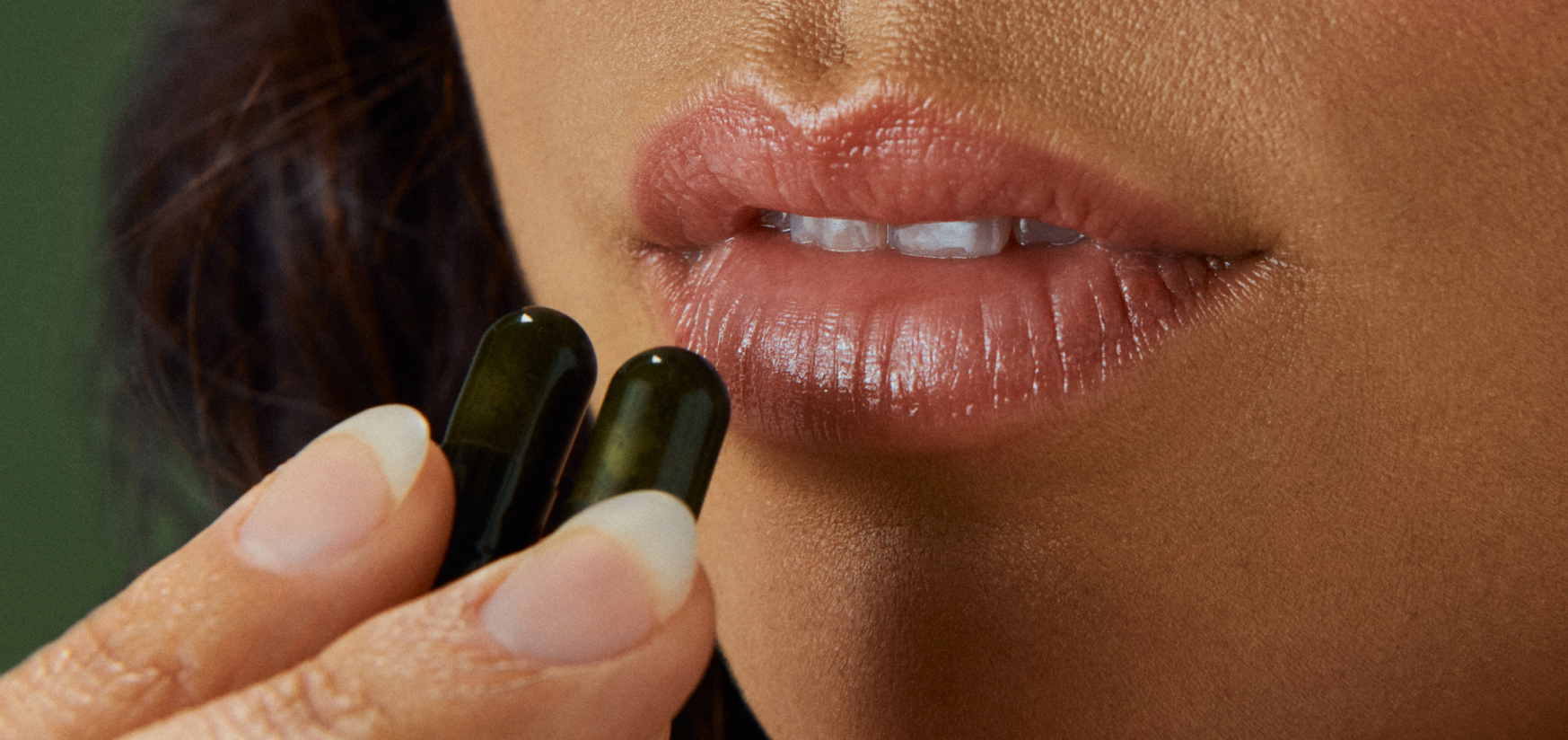
You’ve started taking probiotics, and now you’re wondering: “Are they actually doing anything?” Whether you’re dealing with digestive issues, recovering from antibiotics, or simply trying to support your gut health, it’s natural to question if your probiotics are making a difference. There are well-known signs probiotics are working, but it’s important to keep in mind that everyone’s body responds differently.
While some benefits are noticeable—like better digestion—others happen beneath the surface. Understanding what to look for, and when, can help you gauge whether your probiotics are a good fit for you.
We get it—you want results yesterday. But when it comes to your gut microbiome, patience is a virtue. Probiotics aren’t a quick fix; they work by subtly influencing a vast and complex ecosystem. The time it takes to see or feel a difference depends on your starting gut health, the specific strains you’re taking, and your consistency.
Here’s a general timeline for what you might expect if your probiotics are working:
Remember, this is just a general guide. If your gut has been through a lot (thanks, antibiotics and stress 😅), it might take a bit longer. The key is to give it at least 8 weeks of consistent use before deciding if your probiotics are working for you.
While some of the most important work happens behind the scenes, there are several outward signs that can tell you your probiotics are having a positive impact.
The most noticeable change often happens in your digestive tract.
When probiotics are doing their job in your GI tract, you may experience:
These changes often happen because specific probiotic strains help produce beneficial compounds like short-chain fatty acids (SCFAs), which support gut motility and help keep things moving smoothly.2 As Dr. Zain Kassam, MD MPH, explains, “Specific probiotic strains may be complementary and work together to support your digestive health.”
Did you know about 70% of your immune system lives in your gut? This remarkable connection, known as the gut-immune axis, explains how probiotics can help support your body’s defenses.3
When your gut microbiome is balanced, you notice:
Certain probiotic strains, especially from the species Lacticaseibacillus rhamnosus and Bifidobacterium lactis, are particularly effective at supporting immune function. They help your gut and immune cells communicate more effectively, creating a strong foundation for your body’s natural defenses.4 It’s kind of like creating a strong support network for your body.
But keep in mind that the functionality of your immune system depends on many factors, and probiotics are just one part of supporting immune health. If you have symptoms of infection or are frequently sick, talk to your doctor!
Have a vagina? A balanced vaginal microbiome is another important sign of systemic health. Your gut and vaginal microbiomes are connected, and a healthy gut can help support a healthy vaginal environment.5 When probiotics are working to maintain this balance, you might notice fewer disruptions and a greater sense of comfort.
However, persistent vaginal health issues definitely warrant a trip to the OBGYN or your doctor.
The gut-skin axis is a real thing. The communication between your gut and your largest organ means that a balanced microbiome can often translate to healthier-looking skin.
Some signs that your probiotics are benefiting your skin include:
Specific probiotic strains like Lactobacillus salivarius LS01 and Bifidobacterium lactis have been studied for their role in supporting the gut-skin connection, helping to reinforce the skin’s barrier and maintain a healthy microbial balance on the skin’s surface.6,7
💡Pro Tip: If your skin health is still a concern, reach out to a skincare professional, doctor, or registered dietitian to learn how to improve your skin from the inside out.
Think of your gut barrier as your digestive system’s security guard—a protective lining that allows beneficial nutrients to pass into your bloodstream while keeping harmful substances out. Modern life can be tough on this barrier, but certain probiotics are known to help reinforce it.
Some strains have been shown to strengthen tight junctions within the gut lining and support mucus composition.8 While you can’t “feel” your gut barrier strengthening, you might notice you have a better tolerance to a wider variety of foods. A strong gut barrier is essential for preventing systemic inflammation and is a cornerstone of overall health.9
Your gut and brain are constantly chatting with each other in a communication channel known as the gut-brain axis. When your probiotics are working and these conversations run smoothly, you’ll probably feel it.
Balanced gut bacteria can lead to:10
“Microbes play a role in impacting the nervous system (vagal nerve) and even influence powerful molecules in the brain like oxytocin, the social connection hormone,” says Dr. Zain Kassam.
Your mouth is the gateway to your gut and has its own complex microbiome that acts as your body’s first line of defense. Because the oral microbiome and gut microbiome are connected, supporting one can often benefit the other.11
Signs that your probiotics are working to positively influence your oral health:
This is a sign that beneficial bacteria are having a positive influence beyond just your digestive tract, contributing to a more balanced microbial environment from top to bottom.
Some of the most important work probiotics do happens quietly, without any noticeable signs. These “silent” benefits are still powerful indicators that your probiotics are effective.
When you’re looking at a label full of tongue-twisting bacterial names, how do you know where to start? Should you take probiotics? Which ones do you choose? Experts advise,
“A healthy gut microbiome is diverse, so look for a product with multiple, scientifically-studied strains.” Dr. Zain Kassam continued, “Products that also contain a prebiotic (together, called a synbiotic) are valuable, as prebiotics are nutrients that the probiotic needs to thrive.”
While fermented foods like “probiotic yogurt,” kefir, and sauerkraut are a great addition to a healthy diet and introduce microbial diversity, they’re different from a targeted probiotic. The strains and their quantities in fermented foods aren’t standardized, so you can’t be sure what you’re getting. One study found that a diet high in fermented foods increased microbiome diversity and modulated immune markers, which is a fantastic benefit.15
Think of fermented foods as general support for your gut garden, while a scientifically-validated probiotic is like planting specific, well-researched med-locks for targeted results. The best approach? Both!
💡 Pro Tip: Check for survivability. Probiotics are alive, and can be threatened by elements like heat, moisture, and light. A study found some probiotics lose up to 90% of their viable bacteria by expiration if stored improperly. Look for signs of moisture (e.g., clumping) and always check expiration dates. Choosing a shelf-stable probiotic with protective packaging means it’s designed to withstand various conditions, which is especially great for travel and consistency.
You’ve been taking your probiotics consistently for over eight weeks, and… nothing. It can be frustrating, but don’t give up just yet. Here are a few common reasons why your probiotics might not seem to be working:
If you’ve addressed these factors and still aren’t seeing results after 12 weeks, it might be time to try a different formulation or consult a healthcare provider or registered dietitian for personalized advice.
When probiotics are working for you, the signs usually add up across your whole body—not just your gut. Over the first couple months, you may have regular digestion, less bloating, steadier immunity, clearer skin, and even changes in mood, sleep, or focus. At the same time, your microbes may be quietly supporting things you can’t feel day to day, like your gut barrier and micronutrient production.
The throughline is consistency and fit: a strain-specific product that matches your goals, taken every day and paired with a fiber-rich, microbiome-friendly diet. This approach is far more likely to deliver meaningful results than something taken sporadically.
If you don’t see changes after several weeks, it’s feedback from your gut—not failure. It may just be time to reassess your formula, your routine, or both. 🌱 The most reliable signs probiotics are working usually start with small, consistent choices over time.
Yes, it’s normal to experience a temporary acclimation period. “Some people’s intestines are a bit more sensitive, so they may notice mild transient gastrointestinal changes in the first few weeks, but these usually resolve,” explains Dr. Zain Kassam, a microbiome scientist. If the discomfort persists or feels severe, it’s always a good idea to consult a healthcare provider.
Give it at least 8 weeks of consistent, daily use before looking for signs probiotics are working. Benefits for the gut microbiome don’t happen overnight. If you see no changes after 8-12 weeks and have addressed other factors like diet and consistency, it might be time to reconsider your current product or consult a professional.
Yes, but timing is important. Since antibiotics can kill beneficial bacteria, it’s best to take your probiotics at least 2–3 hours apart from your antibiotic dose.
It’s also a good idea to continue taking your probiotics for several weeks after your antibiotic course can help support your gut’s recovery and replenish your good bacteria.17 Always check with your doctor before starting any new regimen alongside medication.



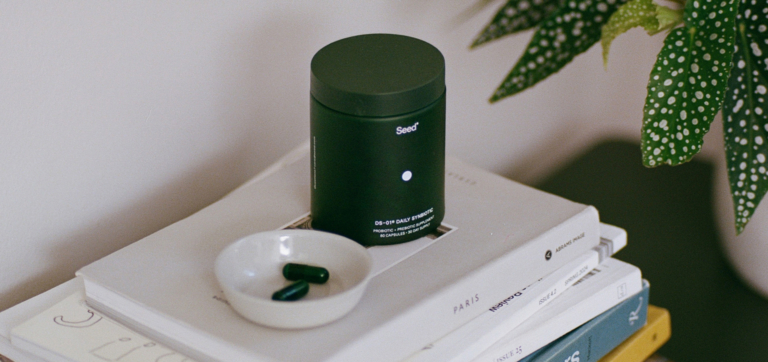
Learn about how probiotics work, their benefits, when you should take them, and why keeping a consistent schedule is key.
Digestion is a complex and carefully coordinated process involving trillions of bacteria and 25-30 feet of anatomical runway. Let’s double-click on the GI tract to learn all about how it works and how to support it through diet and lifestyle.

There’s a difference between fermented foods and probiotics (even if labels tell you otherwise). Here’s why both are great additions to your routine.