








Next Article
Microbiome Testing 101 (Finally, a Reason to Mail Your Poop)
8 minutes
Discover what sets Bifidobacterium adolescentis apart as a resident of your gut microbiome. Learn how this species digests complex carbohydrates, supports the gut barrier, and even influences B vitamin metabolism. Explore what can help—or hinder—its population in your digestive system.
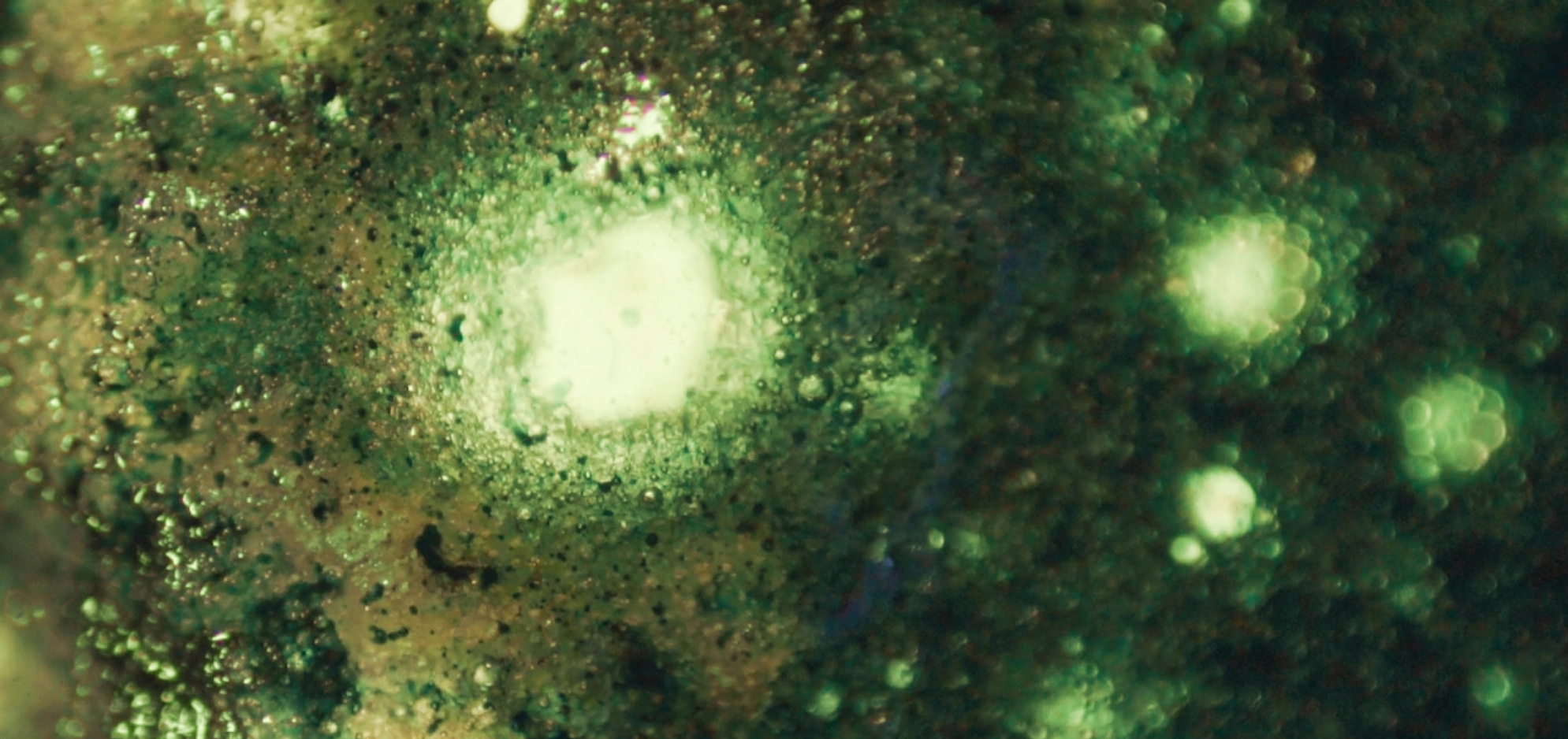
Most people never think twice about the billions of microbes working away in their gut. (And some of us prefer not to think about it.) But, honestly, their impact is hard to ignore. From how you digest your favorite foods to how your digestive health feels day to day, it comes down to which species are in your gut. Bifidobacterium adolescentis is one of those steady workers—a probiotic species often present in healthy adults. Its populations are mostly shaped by the food we eat and the routines we keep. 🦠
While you may not notice it, this microbe helps your gut handle foods that would otherwise pass you by, making a real difference. And knowing how your daily choices support microbes like B. adolescentis can help you get more out of your meals—and your gut health overall. 🦠
Bifidobacterium adolescentis (B. adolescentis for short) is an anaerobic bacterium—a fancy way of saying it thrives in oxygen-free zones like your large intestine. It’s a Gram-positive, rod-shaped microbe that scientists consider a core member of a healthy adult gut microbiome.1
Think of your gut microbiome less like a random jungle and more like a highly specialized factory floor. B. adolescentis is the seasoned pro on the assembly line, expertly breaking down tough plant materials your body’s own machinery can’t handle. It’s one of the main reasons you get any nutritional value out of that kale salad.
👉 TL;DR: Don’t let the name fool you. While it has “adolescent” in its name, this microbe is mostly in healthy adults, not teenagers. It’s a sign of a mature and well-functioning gut microbiome.
One of the standout talents of B. adolescentis is its mastery over fermenting plant-based carbohydrates, especially resistant starch.1 You’ll find it in foods like green bananas, cooked-then-cooled potatoes or rice, and legumes. They’re carbs your small intestine can’t touch, so they arrive in the large intestine waiting for a specialist.
That’s where B. adolescentis shines. It comes equipped with specialized enzymes that dismantle these complex starches. When it ferments them, it creates short-chain fatty acids (SCFAs) like acetate and lactate.1 They’re like microbial “thank-you” gifts—your body cashes them in for energy, gut barrier maintenance, and immune support.
Better yet, by starting this breakdown process, B. adolescentis also helps feed other beneficial gut bacteria through cross-feeding.1 It’s the opening act that gets the crowd warmed up, setting the stage for everyone else to perform. (Teamwork makes the dream work, even for microbes.)
This microbe’s job description goes beyond just digesting lunch. B. adolescentis is a true multi-tasker.
Your gut lining is like a selective security gate—allowing in nutrients you need, while keeping potential troublemakers out. Certain B. adolescentis strains, as shown in lab and animal studies, can help fortify this barrier.1 For instance, the AF91-08b2A strain restored important tight junction proteins in mouse models with gut inflammation.2
A well-supported gut barrier means your body can decide what to absorb and what to keep out, which plays a role in keeping inflammation at bay.
Roughly 70% of your immune system is stationed right in your digestive tract. This makes your digestive tract immune system headquarters. B. adolescentis acts as a diplomat, interacting with immune cells to calibrate how your body responds to threats.
Certain strains can moderate immune signals—dialing down those that drive inflammation and supporting those that help resolve it.1,2 In a way, B. adolescentis helps keep your immune system from overreacting, like a well-adjusted thermostat maintaining the right temperature.
Ever wonder how you actually absorb the vitamins from your food? 🤔
Gut microbes play a hands-on role in turning nutrients from food into forms you can use. For example, B. adolescentis BA5 (also known as DSM 18350) helps process the natural (but unusable) folate from the foods you eat. As a result, this vitamin is converted into folic acid—the form your body can actually absorb and use.3
🔬 Science Translation: Some gut bacteria act as converters for your vitamins. Without them, certain nutrients in your food wouldn’t be as useful to your body.
The gut-brain axis is a two-way communication system connecting your digestive tract and your brain. Certain strains of B. adolescentis can actually produce GABA (gamma-aminobutyric acid)—a neurotransmitter best known for its calming effects, especially during times of stress.1,4
In animal studies, B. adolescentis reduced anxiety- and depression-like behaviors after chronic stress. Researchers found these effects were linked to lower inflammation in the brain, as well as changes in the balance of other gut bacteria—specifically, more Lactobacillus and less Bacteroides.5 While human research is still early, these results add to the growing interest in how gut bacteria like B. adolescentis could help support mental health and wellbeing.
Like any living community, your gut ecosystem shifts based on its environment. Your B. adolescentis levels aren’t set in stone; they respond to your daily choices.
Things that can affect your B. adolescentis population include:
Med-Lock’s leading expert on the gut microbiome, Dr. Dirk Gevers, comments, “While many people focus on getting enough vitamins through their diet, the role of our gut microbiome in metabolizing and even producing some of these nutrients is often overlooked. At Med-Lock, we look closely at these strain-specific functions, like the ability of B. adolescentis BA5 to process folate. It shows the sophisticated ways our microbes contribute to our overall nutritional status beyond just digestion.”
Ready to be a better host for your gut microbes? While you can’t micromanage your entire microbial community, you can create an environment where B. adolescentis is encouraged to thrive.
Here’s your action plan for supporting these beneficial bacteria:
Think of this as serving the perfect five-course meal for your best bacterial guests.
Certain fibers (called prebiotics) specifically nourish beneficial microbes. B. adolescentis uses prebiotics like arabinoxylan,xylooligosaccharides (XOS), and galactooligosaccharides (GOS) as fuel.1 When you feed your gut bacteria the fibers they love, they produce metabolites that support your digestive and overall health—a true win-win for you and your microbes.
For those looking for comprehensive gut support, some products go a step further by combining prebiotics and probiotics into a synbiotic.
If you’re looking for a gut microbe that quietly puts in the work, Bifidobacterium adolescentis is about as reliable as it gets. This probiotic strain helps you break down tough-to-digest carbs, supports your gut lining, and gets chatty with your immune system and even your brain. In fact, when B. adolescentis gets its favorite foods—like resistant starch and plant fibers—it steps up to produce important nutrients, including folate, that your body needs to thrive. That’s the kind of microbial multitasking anyone would want at their table.
The best part? You don’t need to micromanage your microbes. Just give them a fiber-filled menu (think: fruits, veggies, beans, and whole grains), and your gut microbiome species—including B. adolescentis—can get to work. Consider yourself less of a manager and more of a generous host at a dinner party: Offer a diverse spread and let your guests mingle.
🌱 Because when it comes to your gut, good things grow from what you med-lock every day.
Bifidobacterium adolescentis specializes in breaking down tough carbohydrates and supporting your gut ecosystem. It excels at fermenting resistant starch, which fuels your gut cells and supports digestive health.1 Certain strains may also help strengthen the gut barrier, promote a balanced immune response, and process B vitamins like folate into more usable forms.2,3
Early lab studies also show its potential to produce calming brain chemicals like GABA, suggesting it may play a role in mood via the gut-brain axis.4,5
Eating the right foods is the best way to support B. adolescentis. Focus on a diet rich in resistant starch and fermentable fiber from sources like legumes, whole grains, cooled potatoes, and a wide variety of fruits and vegetables.1 Think of it as creating the perfect menu your beneficial gut bacteria can’t resist. Your food choices help these microbes help you.
Yes and no—it depends on the strain and how it’s used. While B. adolescentis naturally lives in your gut as a beneficial bacteria, only certain strains of this species qualify as a probiotic. A microbe must be a live organism shown to deliver health benefits at a researched dose to earn the title. For example, B. adolescentis BA5 (DSM 18350) is a strain in some probiotics because it’s been studied for its ability to process folate.
Remember, health effects are always strain-specific.
You won’t find this microbe in yogurt or kimchi—it’s not typically in fermented foods. Instead of looking for foods that contain B. adolescentis, focus on eating foods that feed it. By eating a diet full of fiber and resistant starch from plants, you create ideal conditions to help your existing population of B. adolescentis thrive.



Overview Living with Polycystic Ovary Syndrome (PCOS) can feel like a never-ending balancing act. Hormones acting up, your metabolism in flux, and let’s be honest—a ton of advice that’s equal parts hopeful and confusing. You’ve probably heard it all: Change your diet, exercise regularly, practice mindfulness. But here’s a twist you might not expect: your...

Antibiotics can leave your gut feeling off balance. Find out which probiotic strains may help support your microbiome, how to time them for maximum benefit, and why fiber is your gut's best friend during recovery.

In partnership with the Two Frontiers Project (2FP), we’re supporting a range of research initiatives in 2024 focused on the discovery and application of microbes to capture CO₂ and transform it into sustainable solutions and resources.