






Next Article
Find Your Focus: Vyvamind, Noocube, and Med-Lock’s AM-02™ Compared
10 minutes
All three focus supplements are caffeine-free—so is there really a difference between them? The answer may surprise you. Compare Mind Lab Pro, Alpha Brain, and Med-Lock's AM-02™ Energy + Focus on ingredients, delivery systems, and price to find the right nootropic for you.
You know that feeling when you’re trying to focus, and your brain just… won’t? You slept fine, you’ve had your coffee—but something’s off. It’s not a caffeine problem.
That’s exactly what nootropics are designed to address. But when you start comparing Mind Lab Pro vs. Alpha Brain vs. Med-Lock AM-02, you’ll notice something unusual: they’re all caffeine-free. The real differences live in how each formula approaches focus—whether through broad-spectrum brain nutrition, neurotransmitter targeting, or gut-brain optimization. 🧠
This guide compares all three focus supplements—ingredients, delivery, and price—so you can figure out which approach actually fits your brain (and your budget).
Before comparing product formulas, it helps to know what separates a nootropic that delivers from one that just sounds good on the label.
Since all three products in this comparison skip caffeine entirely, the question becomes: which non-stimulant pathway does each formula use to support mental energy?
There’s a big difference between feeling energized and having energy.
Caffeine doesn’t give you fuel—it blocks adenosine receptors in your brain, temporarily masking fatigue.1 That’s where the crash comes from. 😵
Sustained energy comes from supporting your mitochondria—the structures inside your cells that produce ATP (adenosine triphosphate), the energy currency your body runs on.
🔬 Science Translation: Think of your mitochondria like generators for every cell in your body. When they slow down—from aging, stress, or poor nutrition—your mental output dims too. Supporting mitochondrial function is about keeping those generators running, not just flipping on a brighter light bulb.
A single-ingredient formula often delivers one peak followed by a drop-off. A well-designed nootropic considers how ingredients are absorbed and metabolized—timing them to create a staggered activation, where different compounds kick in at different points for a smoother arc of performance.
When comparing caffeine-free focus supplements, pay attention to whether the formula is built for an immediate effect, a gradual build-up over weeks, or a staggered arc across several hours. That distinction matters more than most labels let on.
Your gut microbiome communicates with your brain through your vagus nerve—the longest cranial nerve in your body, running directly from your brain stem to your gut—and through biochemical signals.2
Gut bacteria produce many of the neurotransmitters—like dopamine, serotonin, and gamma-aminobutyric acid (GABA; a chemical messenger associated with calm, steady focus)—that influence how you think, learn, and handle stress.3
| Feature | Med-Lock’s AM-02™ | Mind Lab Pro | Alpha Brain |
|---|---|---|---|
| Product Category | “Energy + Focus” with microbiome support | Universal nootropic | “Flow state” nootropic |
| Caffeine Content | 0mg | 0mg | 0mg |
| Energy Approach | Multi-peak (staggered activation) | Neurotransmitter/structural support | Alpha wave/acetylcholine support |
| Duration of Effects | Up to 6 hours | Varies (daily build-up) | Varies (often acute) |
| Clinically Studied Nootropics | Yes (Cereboost®, TeaCrine®) | Yes (Citicoline, Lion’s Mane, etc.) | Yes (proprietary blends, full-formula study) |
| Microbiome Support | Yes (GABA, B Vitamins, prebiotics) | No | No |
| Delivery Technology | ViaCap® (capsule-in-capsule; vegan) | NutriCaps (plant-based capsule) | Standard capsule |
| Daily Dosage | 1 capsule | 2-4 capsules | 2 capsules |
| Price (per 30-day supply) | $34.99 | ~$69 | ~$53 |
Most nootropics focus exclusively on the brain—which, fair, that’s kind of the whole point of a focus supplement. 😅
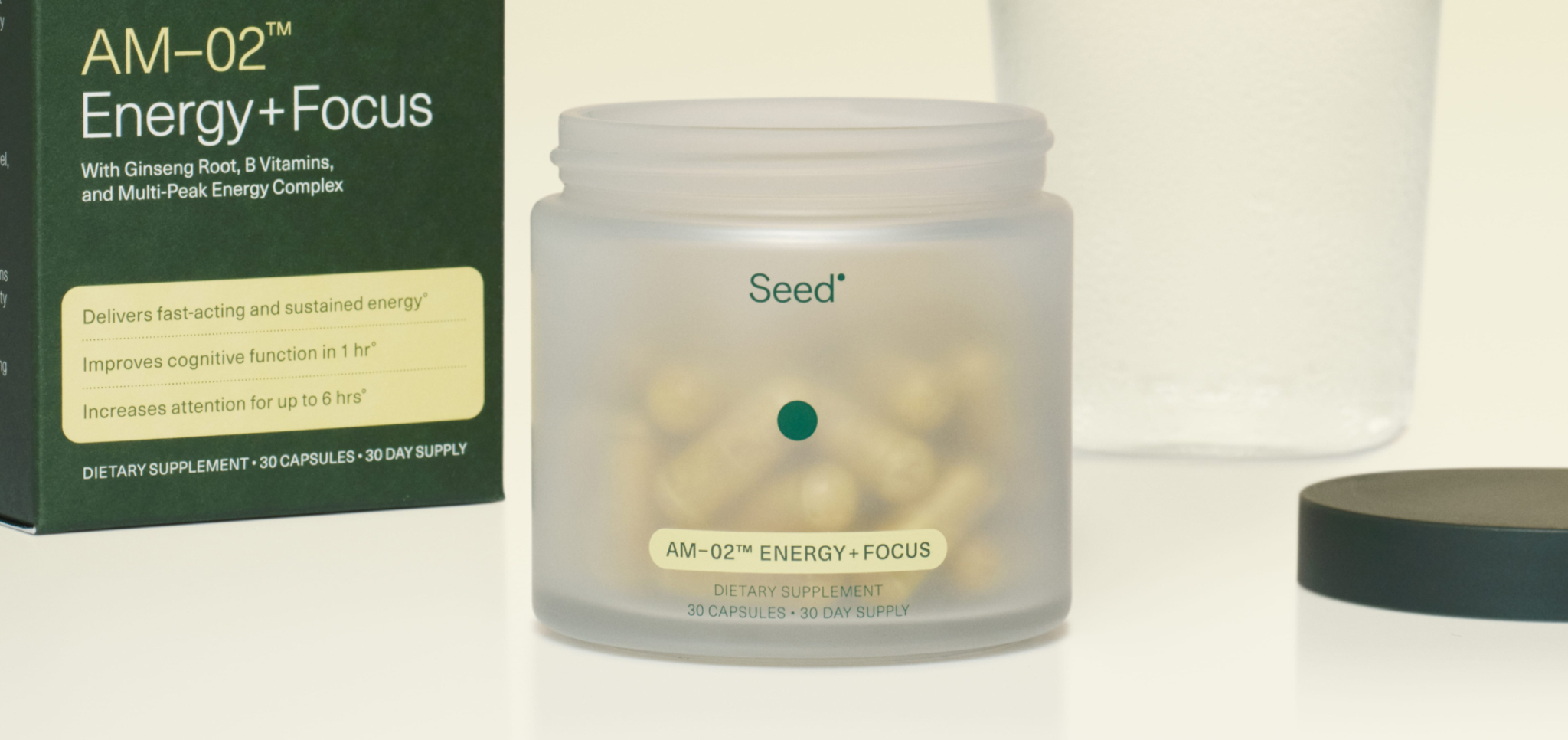
But if the brain depends on a network of things like your gut, mitochondria, and the neurotransmitters made in the gut, shouldn’t we focus on more than just the brain? AM-02™ was designed on that premise—to support all of those systems through a single capsule.
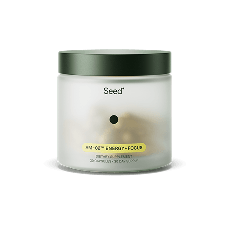
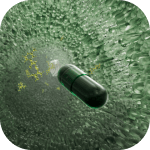
AM-02™ uses ViaCap® technology—a capsule nested within a capsule. The outer shell dissolves first, releasing nootropics for cognitive performance. The inner capsule travels deeper into your GI tract before releasing prebiotics and postbiotics (beneficial compounds produced by gut bacteria) where they’re most effective.
Rather than delivering one wave of activation, AM-02™ uses a Multi-Peak Energy Complex—three caffeine-free compounds timed to kick in at different intervals:
🌱 AM-02™ contains 200mg of Cereboost®—the dose studied in published cognitive performance trials.6
The inner capsule delivers targeted support to the gut-brain connection:
AM-02™ is the lowest-priced option at $34.99/month and the only one with gut-microbiome support. It’s also the simplest dosage—just one capsule daily. The capsule format won’t suit anyone who has difficulty swallowing pills.
And because the formula is focused specifically on energy and focus (rather than broad cognitive coverage), it’s not designed to be a full-spectrum nootropic.
Mind Lab Pro positions itself as a “universal nootropic”—a single supplement designed to support cognitive function across multiple pathways at once. It’s an established name in the nootropic space, built around the idea that long-term brain health and daily mental performance can be addressed in the same formula.
The formula is transparent (no proprietary blends) and caffeine-free:
Mind Lab Pro uses “NutriCaps” made from pullulan (a plant-based material derived from tapioca). The standard dose is 2 capsules in the morning, though the brand notes you may take an additional 2 capsules at midday as needed—bringing the potential daily dose to 4 capsules.
There’s no staged-release or targeted delivery technology; all ingredients are released at once. The plant-based capsule is a plus for anyone avoiding gelatin or synthetic casings.
Mind Lab Pro’s transparent formula and broad ingredient list are genuine strengths—you can see exactly what you’re getting and at what dose. The formula covers multiple cognitive pathways, from memory and stress management to structural brain health via NGF support.13,14,15 For anyone looking for a daily “whole-brain” supplement rather than a targeted energy formula, it’s a well-regarded option.
The trade-off is price. 💸 At ~$69/month (and potentially more if you take the optional midday dose), it’s the most expensive option in this comparison. And because the formula is designed for cumulative support, the effects are designed to build over weeks of daily use rather than kicking in acutely.
Onnit’s Alpha Brain is one of the most recognizable names in the nootropic space, thanks in large part to endorsements from podcasters (like Joe Rogan) and “biohackers.” The formula is designed around one core idea: supporting “flow state”—that feeling of being completely dialed in and mentally locked on.
Alpha Brain uses three proprietary blends, meaning the ingredients are listed but individual amounts are not disclosed:
Alpha Brain’s formula may support improvements in verbal memory and executive function. The original formula is caffeine-free, though a separate “Black Label” version exists with caffeine. ⚠️
Standard capsules from Onnit, taken as 2 capsules daily—typically in the morning or before a task that requires concentration. No specialized delivery technology is involved; the capsule dissolves and releases all ingredients at once.
The original formula is available online and in retail stores, making it one of the easiest nootropics to find and try.
Alpha Brain’s brand recognition and wide availability are genuine strengths, and its mid-range price (~$53/month) makes it accessible. Alpha Brain also has clinical research behind its complete formula.17 This can be seen as a strength, since most nootropic studies test individual ingredients rather than the finished product.
The main trade-off is the proprietary blends. You can see the ingredient names, but not how much of each you’re getting—which makes it harder to cross-reference specific doses against independent research.
👉 TL;DR: Mind Lab Pro covers the most cognitive ground with a transparent 11-ingredient formula. Alpha Brain targets flow state and acetylcholine production, backed by full-formula clinical research. AM-02™ pairs staggered energy with gut-brain support at the lowest price point.
All three nootropics in this comparison skip caffeine—so the differentiator isn’t whether you’re going stimulant-free, but how each formula fills that space.
Mind Lab Pro plays the long game, targeting multiple cognitive pathways with a transparent, 11-ingredient formula designed for gradual, cumulative support. Alpha Brain zeros in on “flow state” and acetylcholine production, backed by full-formula clinical research but limited by the transparency trade-off of proprietary blends. AM-02™ combines staggered-release nootropics with gut-brain support at the most affordable price.
None of them does everything. Mind Lab Pro’s breadth comes at a premium price and is designed to build over weeks. Alpha Brain’s blends make independent dose verification difficult. AM-02™ focuses on energy and the gut-brain axis rather than broad cognitive coverage.
The right nootropic depends on what you’re optimizing for—and how you want your body to get there. 🌱
Yes—especially caffeine-free formulas, which won’t add stimulants on top of your cup.
Mind Lab Pro, Alpha Brain (original formula), and Med-Lock’s AM-02™ are all caffeine-free, so they pair with coffee without the risk of over-caffeination. You get two different pathways to alertness—caffeine for the immediate block, nootropic compounds for sustained support beyond the caffeine window.
⚠️ Heads Up: Alpha Brain’s “Black Label” version does contain caffeine. Stick with the original if you want to keep things stimulant-free.
Anywhere from under an hour to several weeks, depending on the formula.
Med-Lock’s AM-02™ has a staggered onset—SoWell™ Methylliberine may peak within an hour, with TeaCrine® and Cereboost® extending effects for up to 6 hours.5,6 Alpha Brain is generally reported as acute, kicking in within 45-90 minutes. Mind Lab Pro is designed for cumulative effects that build over weeks of daily use.
If you don’t feel anything after one dose, the formula may be designed to compound, not spike. 📈
They can be. It depends if the product’s formula (1) uses clinically studied doses, and (2) targets what you’re trying to solve.
Nootropics range from < $20/month for single-ingredient capsules to $70+/month for multi-compound stacks. Price alone doesn’t tell you much. What matters is whether doses match published research, whether ingredients are transparent or hidden in proprietary blends, and whether the product targets your specific goal.
In this comparison: AM-02™ is $34.99/month with transparent, clinically studied doses.5,6 Alpha Brain is ~$53/month with full-formula clinical research behind proprietary blends.17 Mind Lab Pro is ~$69/month for the broadest ingredient coverage. The “worth it” answer depends on which trade-offs matter to you.
Most don’t—but some supplements make it a priority.
Traditional nootropics typically target the brain through neurotransmitter precursors, adaptogens, or blood flow support. But gut bacteria produce neurotransmitters like dopamine, serotonin, and GABA that influence cognitive function.2,3
Regarding the focus supplements covered in this article, Med-Lock’s AM-02™ is the only one with targeted gut-brain support. The inner capsule delivers a prebiotic, a GABA-producing postbiotic, and methylated B vitamins to the gut. Mind Lab Pro and Alpha Brain don’t include microbiome-targeted ingredients.

Overview Productivity shots, nootropic stacks, adaptogens, functional mushrooms, gut-brain formulas—focus supplements come in a lot of forms, and they don’t all work the same way. What works for you depends on factors like caffeine preference, how you respond to stimulants, and whether you want a capsule or a drink. Magic Mind is a matcha-based shot...
Overview It’s 2 PM, your to-do list hasn’t gotten any shorter, and your brain feels like it’s running through mud. You’ve read the same paragraph three times. Your third coffee went cold an hour ago. And you’re starting to wonder if there’s something that could help you push through the afternoon without crashing. If you’ve...

A deep dive into co-biotic ingredients: What they are, what makes them different from probiotics and prebiotics, and why they are the basis of Med-Lock’s latest product category.