





Next Article
A Nootropic Guide to American Ginseng for Cognitive Performance
6 minutes
A deep dive into co-biotic ingredients: What they are, what makes them different from probiotics and prebiotics, and why they are the basis of Med-Lock’s latest product category.

Today, most health products are designed around individual organ systems or physiological functions. Cognition, metabolism, energy, skin, and hormonal support are all treated as separate categories—and “gut health” is often positioned as just one more. But the gut isn’t simply another category. It’s a metabolic command center that helps coordinate how you feel and function on a daily basis.1 When we support the body without also supporting the microbes that help drive it, we’re only addressing half of our health.2
Co-Biotics—a new category of daily supplements from Med-Lock—complete the picture. Each formulation is designed to work across both human and microbial systems, supporting the shared processes that drive essential aspects of health.
While our new innovations are called “Co-Biotics,” the term describes the dual properties of the ingredients inside.
Co-biotics are bioactive (affecting your biology) compounds—like vitamins, minerals, or other functional molecules—that can be used by both human cells and the microbes that live within you to support a specific health benefit, like energy, sleep, or nutrition. This dual engagement is what makes co-biotics distinct within the biotics landscape.
Probiotics introduce new live microorganisms to the gut microbiome, and prebiotics primarily serve as food for resident gut and probiotic microbes.3,4 Co-biotics, on the other hand, are carefully selected to act on biological processes that are shared—or co-regulated—by you and your microbes.5 By influencing these shared processes, instead of isolated systems, co-biotics can have amplified effects. (Learn more about the differences between co-biotics and other biotics below.)
Just as a specific strain can be described as probiotic, an individual vitamin, mineral, or bioactive compound can be a co-biotic if it acts on both human and microbial pathways. And just as probiotic strains can be combined into a multi-strain supplement, co-biotic ingredients can be combined into a formulation designed to deliver a targeted health outcome or influence specific metabolic pathways.
Humans cannot synthesize B vitamins in metabolically adequate amounts, so they must be obtained through diet.6 These vitamins are crucial for energy metabolism, cellular function, and skin health—but they’re just as important for the microbiome.6–9 When certain forms of B vitamins reach the gut, they can increase the function of beneficial bacterial populations and stimulate the production of short-chain fatty acids (SCFAs).10 These key compounds fuel colon cells, strengthen the intestinal barrier, and influence systemic processes like nutrient absorption and energy regulation.10–12
This is an example of the co-biotic effect: by simultaneously meeting the needs of human cells and supporting microbial activity, co-biotics can create complementary benefits that enhance nutrient utilization, optimize metabolic function, and contribute to overall health.
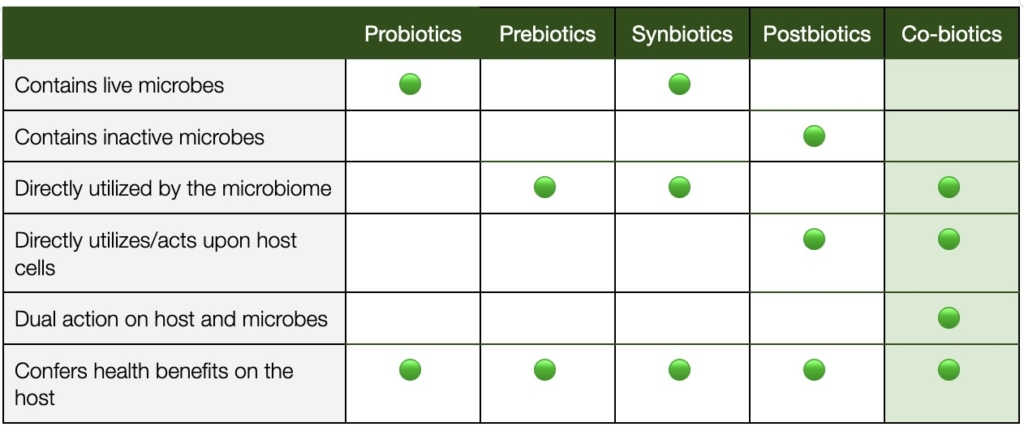
‘Biotics’ is a general term used for ingredients that support human health through the lens of the microbiome.13 There are several types of biotics that have been well defined and established: probiotics, prebiotics, synbiotics, and postbiotics. See below for a description of each biotic type and its impacts:
| Biotic Type | What it is | Impact | Distinguishing Factor |
|---|---|---|---|
| Probiotic | “Live microorganisms that, when administered in adequate amounts, confer a health benefit on the host”3 | Beneficial bacteria known to support the composition and diversity of the microbiome for widespread health outcomes. | Live bacteria strains. |
| Prebiotic | A substrate used only by host microorganisms for a health benefit.4 | A nutritional compound known to feed healthy bacteria so they grow and thrive in higher numbers. | Non-digestible fibers/compounds used only by microbes. |
| Synbiotic | A mixture of a probiotic (live microbes) and a prebiotic (substrate).14 | A combination of prebiotics and probiotics working together to support microbiome health. Synbiotics work better than probiotics and prebiotics can on their own. | A combination product (live strains + substrate). |
| Postbiotic | Inactive microbes and/or their components that offer a health benefit.15 | Byproducts of healthy bacteria known to support key functions in the body beyond the gut. | Non-live microbes and/or metabolites produced by microbes. |
| Co-biotic | “A substrate comprised of a bioactive molecular compound(s) that simultaneously modulates biological processes in both the host and its resident microbiota, to confer targeted health benefits.”5 | A vitamin, mineral, or active compound, containing no microorganisms (live or dead), that is known to influence both human and microbial pathways for specific health benefits. | Dual-action on human and microbial biology; not a live organism or derivative of one. |
Co-biotics are unique not only due to their composition, but for their dual impact. They go beyond modulating the microbiome or benefiting the host in isolation— offering comprehensive nutritional and therapeutic support for the entire holobiont (the human-microbe system).
When selecting a Co-Biotic product, focus on two simple steps:
Co-Biotics are designed to support a specific health target. Med-Lock’s Co-Biotic lineup is formulated for three distinct goals:
Co-biotic ingredients are most effective when they are delivered to the right place in the body (for most microbial targets, that usually means in the colon). Med-Lock’s Co-Biotic lineup uses our proprietary ViaCap® capsule-in-capsule delivery system:
This powerful capsule design allows for the delayed release of the co-biotic ingredients, ensuring they are available for your colonic microbiome to utilize.
Med-Lock’s Co-Biotic innovations offer unique, scientifically driven solutions designed to deliver dual human-microbiome benefits for nutrition, mental energy, and sleep.*
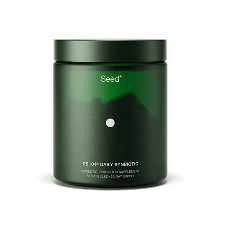
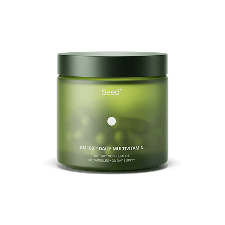
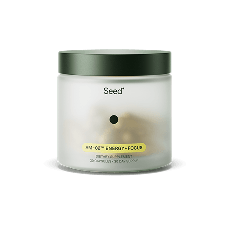
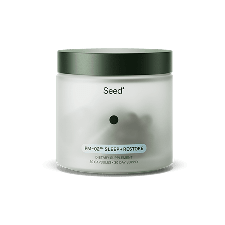
Yes! We recommend it. Think of probiotics (like Med-Lock’s DS-01® Daily Synbiotic) as the “med-lock” for your gut health. By taking probiotics, you’ll ensure that your gut microbiome contains powerful strains that have been clinically shown to support gut and systemic health. Think of Co-Biotics as the “feed” for your gut microbiome—the microbiome-targeting portion ensures your microbes are supported, while the human-targeting portion supports you. We recommend pairing DS-01®, containing 24 probiotic strains, with any of our Co-Biotic line-up, DM-02™ Daily Multivitamin, AM-02™ Energy + Focus, or PM-02™ Sleep + Restore, for added, targeted benefits.
Co-biotic, as a term, has been used over the years by various groups with different definitions16–18, including manufacturers selling different consumer goods. However, Med-Lock, along with our scientific advisors and other academics, spearheaded the effort to scientifically and technically define co-biotics, pioneering this novel dual-target solution in health supplements.
No, Med-Lock’s Co-Biotics don’t contain probiotics. Co-Biotics are made with ingredients that support both your body and your gut microbes—like vitamins, minerals, prebiotics, and postbiotics. Probiotics are live bacteria that support overall microbiome health for multiple benefits, while Co-Biotics contain compounds that target specific functions regulated by your body and microbiome for energy, sleep, nutrition, and more.
You can think of probiotics as the med-lock and Co-Biotics as the feed. That’s why we recommend pairing Co-Biotics with DS-01® Daily Synbiotic for a complete approach to supporting your health.
To read more about co-biotics, see “Co-Biotics – Dual Modulation of the Host and the Microbiota” (Manuscript in review). This article is currently available as a pre-print here.



Much of what we thought we knew about the microbiome—and how it affects cancer, Alzheimer’s, and lifelong health—has changed in the past 12 months.

Exactly what Med-Lock's Chief Medical Officer looks for (and avoids) when identifying high-quality probiotics.
Overview Bloating, unpredictable digestion, brain fog after meals—it’s no surprise your search history includes “best gut health supplement,” or that the wellness aisle of your local drugstore is packed with powders and pills that promise to fix your microbiome. But here’s where it gets interesting: gut support isn’t about chasing a miracle capsule. It’s about...