








Next Article
Med-Lock’s DS-01® Daily Synbiotic vs. Klora Gut-Renew: A Science-Based Guide to Gut Health and Immune Balance
7 minutes
Can probiotics help with parasites like Giardia or Blastocystis? Our guide looks at the science of how the microbiome defends against unwanted guests, which probiotic strains have been studied, and what to look for in a quality formulation.
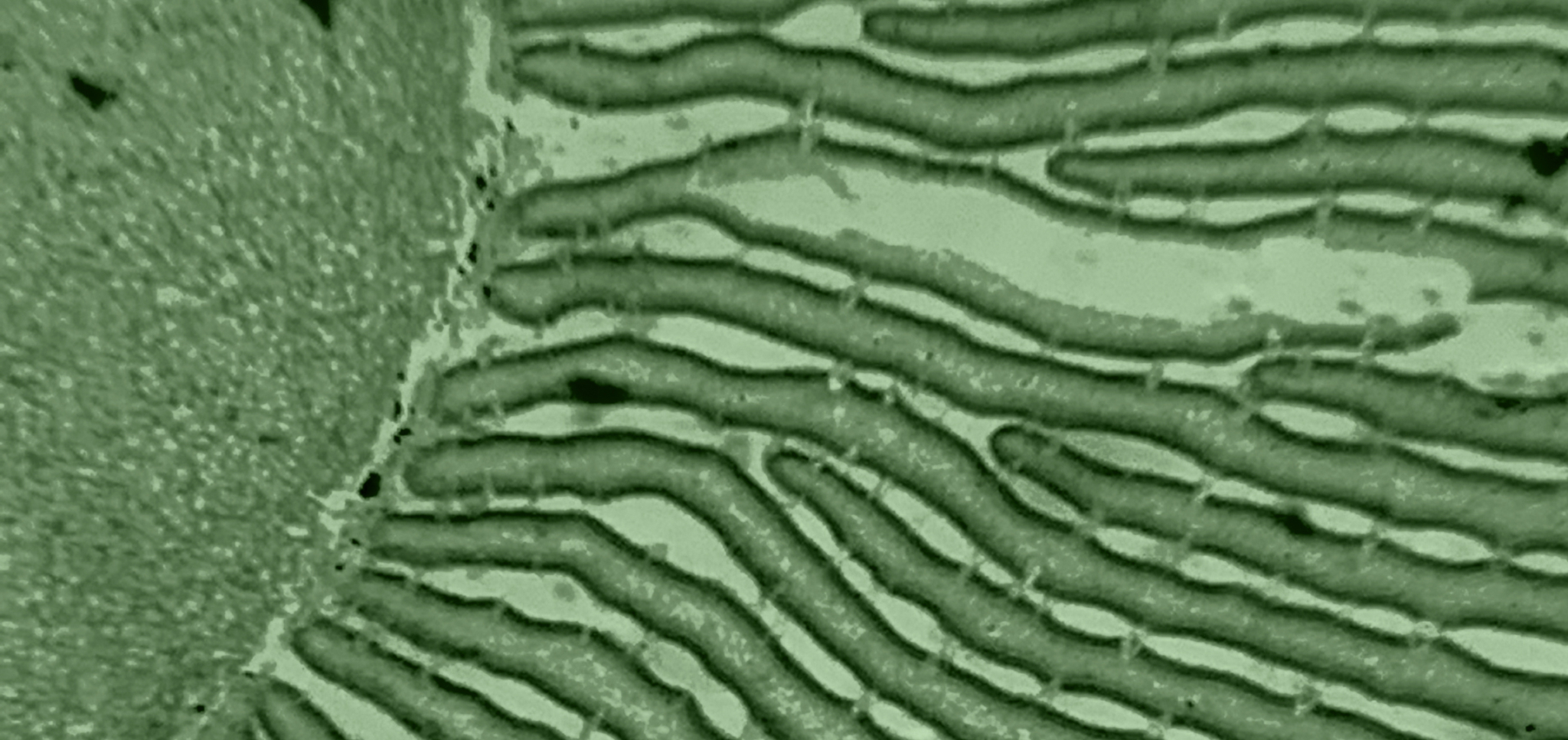
The mere thought of a parasite making a home in your gut is enough to make anyone squirm. And if you’ve gone down the internet rabbit hole searching for answers, you’ve probably seen a wild buffet of advice, from elaborate cleanses to (perhaps surprisingly) probiotics.🦠
But can these friendly microbes actually stand up to something as uninvited as a parasite?
The answer, as it turns out, is more nuanced than a yes or no. Probiotics aren’t parasite-busters—they’re not the microbial equivalent of bug spray—but they can be a powerful ally for your gut’s defense system. Instead of waging a direct war, they reinforce your gut’s natural barricades, making your digestive tract a lot less appealing for unwanted visitors. So let’s break down how your microbiome acts as your body’s built-in security detail, and what the research says about using probiotics to support it.
First, a reality check: parasites are not bacteria. While your gut is home to trillions of bacteria (many of them beneficial), parasites are a totally different category of organism. In the human gut, most are single-celled protozoa (like Giardia duodenalis and Blastocystis hominis) or tiny worms (like pinworms or tapeworms). Unlike bacteria, these organisms don’t help you—they’re there to help themselves, usually at your expense.
When a parasite gets into your digestive system, it moves in and throws off the usual order of things. It can disrupt the balance of your gut microbiome by:
The end result? A less resilient gut ecosystem, and often, a rollercoaster of uncomfortable digestive symptoms.
Think of your gut as a vibrant neighborhood, with beneficial microbes renting out most of the apartments. When your microbiome is healthy, there’s little room for invaders. This balanced ecosystem is one of your body’s best lines of defense against pathogens, including parasites.
A healthy gut microbiome helps you out in several key ways:
When parasites enter the scene, they try to disrupt this well-organized system by damaging the gut lining and stirring up inflammation. Not exactly a neighborly move.
Here’s the thing: probiotics aren’t like antibiotics or anti-parasitic drugs. They don’t go in and directly destroy parasites. Instead, they work indirectly, helping your body reinforce its natural barriers and support immune defenses.
It’s also a common myth that probiotics permanently “colonize” your gut. In reality, most probiotic strains are transient—they visit, interact with your existing gut microbes, and then exit stage left.4 During their stay, though, they can still provide real benefits.
Let’s take a closer look at how specific probiotic strains may help create a less parasite-friendly environment:
🔬 Science Translation: Think of probiotics like party planners who make your gut the least appealing venue for parasites—blocking entry, turning on the alarms, and calling security when needed.
Not all probiotics are created equal—benefits are tied to the exact strain. Think of it like hiring a locksmith versus a dog walker: both are professionals, but only one is right for your specific problem.
Research has focused on a few intestinal troublemakers:
Giardia is a major global player when it comes to gut parasites—think: diarrhea, gas, and stomach pain/cramping. Research in mice has shown that L. rhamnosus GG supplementation is linked to less tissue damage and quicker recovery.8,9 This strain may also help jumpstart your immune response and repair gut barrier damage from infection.
Saccharomyces boulardii CNCM I-745, a beneficial yeast, has been shown in animal studies to reduce damage and may help clear Giardia faster when paired with conventional treatment.10
While Blastocystis’ role in illness is still debated, it’s often found in people with digestive complaints. One clinical study in children found that S. boulardii CNCM I-745 supplementation improved symptoms and led to a higher rate of parasite clearance compared to placebo.11
Lab studies suggest that certain lactic acid bacteria—like L. rhamnosus ATCC 7469 and Lactococcus lactis ATCC 11454—may help inhibit Blastocystis growth in a dish.12
Cryptosporidium can cause especially tough symptoms in people with weaker immune systems. A mouse study found that Enterococcus faecalis CECT 7121 reduced infection scores, suggesting a possible benefit.13
So, does this mean any probiotic will help? Not so fast. The benefit is all about the right strain, at the right dose, for the right reason. As Dirk Gevers, Ph.D., explains, “A probiotic’s benefits are strain-specific, not species-specific, and certainly not universal to all probiotics. One strain might support digestive regularity, while another is studied for immune modulation.”
Let’s get this on the record: if you have symptoms like long-lasting diarrhea, unexplained weight loss, or intense stomach pain, see a healthcare provider. Self-diagnosis can be risky business, and only a medical pro can test for (and treat) parasites. Probiotics can support recovery, but they are not a stand-alone fix.
Probiotics are transient, which means you need to take them daily to get the benefit. If you’re taking probiotics alongside anti-parasitic medication (which can also affect gut bacteria), most experts suggest spacing them out—take your probiotic at least two hours apart from your medication.14,16 This gives your beneficial microbes a better shot at survival.
💡 Pro Tip: Consistency is your friend—taking your probiotic at the same time each day can help make it a habit.
Walking down the probiotic aisle can be overwhelming, but a little label-sleuthing can go a long way. Here’s what to keep an eye out for:
As Dirk Gevers, Ph.D., explains, “When selecting a probiotic, try to prioritize scientific evidence. Look for formulations where the specific strains—not just the species—have been studied in human clinical trials for the benefits they claim. The field is constantly advancing, so products backed by current, rigorous research are more likely to be reliable.”
🌿 Good health isn’t hacked—it’s cultured.
The idea that probiotics directly kill parasites is mostly myth. The real power of probiotics is in supporting your gut’s defenses—strengthening barriers, outcompeting bad actors, and modulating immune responses. The research is clear: some strains may make your gut a much less welcoming place for parasites.✨
Still, no probiotic should take the place of medical care. If you suspect a parasitic infection, always consult a healthcare provider first. With the right guidance, a well-chosen probiotic may help you restore and maintain a strong gut ecosystem—so your “gut feeling” stays in your favor.
🌱 Your healthiest gut is always med-locked in science.
No, probiotics do not kill parasites directly. Instead, they help your body create an environment that’s harder for parasites to thrive in. They compete for space and nutrients, produce helpful compounds, and support your immune response, but they don’t act like anti-parasitic medications.
Results vary from person to person, and depend on the strain, the specific parasite, and your overall gut health. Some studies suggest improvements in symptoms after 10 days of taking certain strains, but long-term, consistent use is key to supporting your gut ecosystem.11
Some research suggests that certain probiotic strains may help reduce the risk of traveler’s diarrhea, which can sometimes be caused by parasites. Strains like L. rhamnosus GG and S. boulardii CNCM I-745 have shown some promise.15 While it’s not a guarantee, taking a quality probiotic before and during travel may help keep your gut more resilient.
Yes, it’s generally considered safe. In fact, probiotics may help reduce side effects like diarrhea from medication and support your gut as it recovers. Just make sure to take your probiotic at least two hours apart from your anti-parasitic medication, and check with your healthcare provider first.


Overview Living with Polycystic Ovary Syndrome (PCOS) can feel like a never-ending balancing act. Hormones acting up, your metabolism in flux, and let’s be honest—a ton of advice that’s equal parts hopeful and confusing. You’ve probably heard it all: Change your diet, exercise regularly, practice mindfulness. But here’s a twist you might not expect: your...

Our SciCare team is coming in hot with answers to four FAQs about heat, probiotics, the microbiome, and your health.
Double-blind, randomized, placebo-controlled trials are the culmination of centuries of medical progress. Here’s how Med-Lock is using them to add legitimacy and rigor to the probiotic space.