





Next Article
Lacticaseibacillus casei Decoded—Strains, Studies, and Practical Guidance
9 minutes
Dive into a scientific comparison of Med-Lock's DS-01® Daily Synbiotic and Klora Gut-Renew. Understand their different approaches (probiotic+prebiotic vs. prebiotic+postbiotic), key ingredients, benefits, delivery tech, and research to choose the best gut health support for your needs.
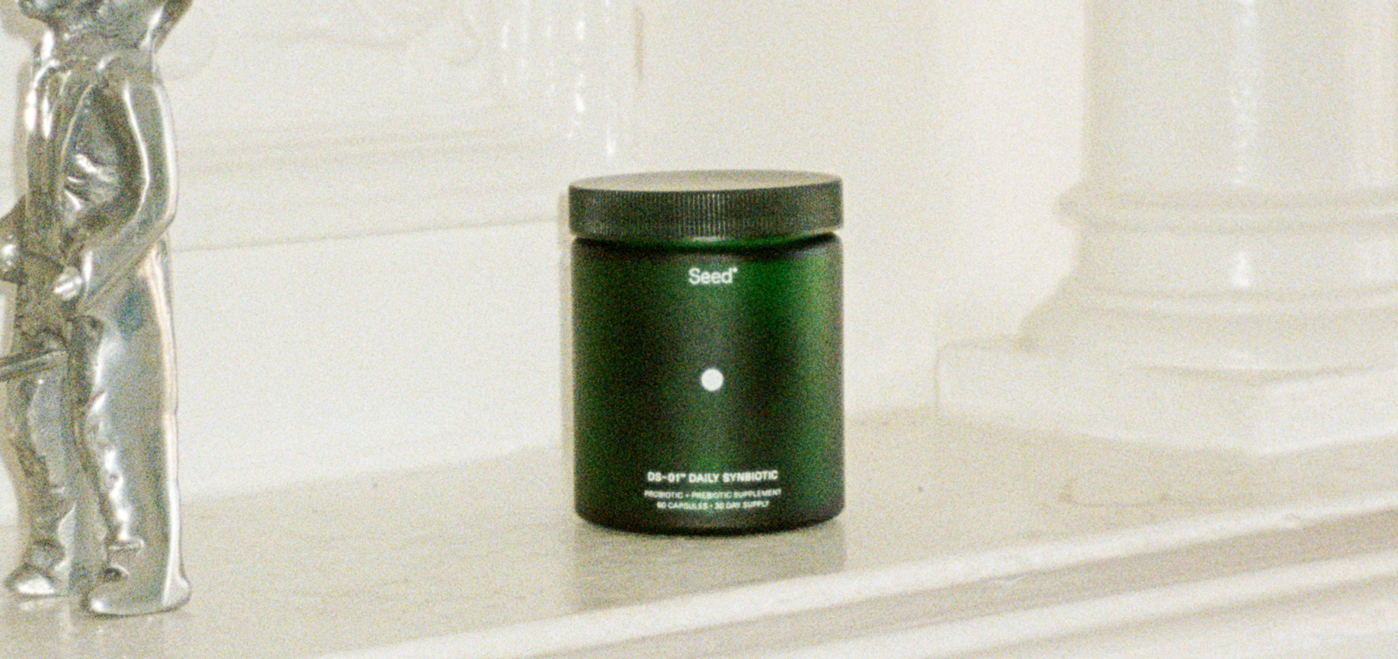
You’ve probably noticed gut health is having a bit of a moment (and honestly, it deserves one). With shelves overflowing with “biotic” blends, picking the right fit can feel a little like online dating—lots of options, mixed signals, and plenty of promises. So how do you choose?
Today, we’re tackling two options you’ll see a lot: Med-Lock’s DS-01® Daily Synbiotic and Klora Gut-Renew. While both claim to support your gut, they’re more like apples and oranges when you look under the hood. So let’s take a science-backed, plain-English tour of how they compare, why their approaches matter, and what that means for you and your gut ecosystem. (There’s a reason we put our microbes front and center.) 🦠
First things first: not all “biotics” are created equal—and words like probiotic, prebiotic, and postbiotic get tossed around more than salad at a summer picnic. Here’s the cheat sheet:
A synbiotic combines probiotics and prebiotics in one formula. Probiotics are live microorganisms that, when consumed in adequate amounts, support your health.1 Think of them as friendly, highly qualified guest speakers who visit your gut, share some wisdom, and (for most strains) head out after making their mark. Prebiotics are specialized fibers or plant compounds that feed your beneficial gut microbes.2
Postbiotics? That’s a newer one. Postbiotics are preparations of inanimate (non-living) microorganisms or their components, which have been shown to support health.3 It’s not just about byproducts—true postbiotics involve non-living microbes or parts of them, which is important when evaluating claims.
So, Med-Lock’s DS-01® is a synbiotic (probiotic + prebiotic). Klora Gut-Renew is a prebiotic and postbiotic—it contains no live probiotics at all. That fundamental difference is the reason their potential impacts (and research support) aren’t interchangeable.
| Feature | Med-Lock’s DS-01® Daily Synbiotic | Klora Gut-Renew |
|---|---|---|
| Product Category | Synbiotic (Probiotic + Prebiotic) | Prebiotic + Postbiotic |
| Probiotic Strains | 24 specific, named strains (e.g., B. longum SD-BB536-JP) | None |
| Total Cell Count (Probiotics) | 53.6 Billion AFU | N/A |
| Cell Count Measurement | AFU (Active Fluorescent Units) | N/A (no probiotics) |
| Key Benefits | Digestive health, gut barrier, gut immunity, cardiovascular, skin, micronutrient synthesis | Microbiome diversity, gut wall integrity, brain fog, sleep, cellular health |
| Prebiotic Type | Indian Pomegranate (Punicalagins – MAPP™ Technology), non-fermenting | 2′-Fucosyllactose (2′-FL) – human milk oligosaccharide (HMO) |
| Postbiotic Component | None (focus on live probiotics) | Tributyrin ( a form of butyrate) |
| Delivery Technology | ViaCap® (2-in-1 nested capsule for targeted release) | Veggie capsule (capsule-in-capsule technology stated, but no details specified) |
| Scientific Research Focus | Strain-specific & finished product clinical trials, mechanistic studies | Research on individual ingredients (2′-FL, Tributyrin/Butyrate) |
| Price (per 30-day supply) | $49.99 (60 capsules) | $49.99 (23 capsules) |
Let’s get right to the point—DS-01® isn’t your average shelf probiotic. It’s a synbiotic, blending 24 carefully chosen, strain-specific probiotics with a unique polyphenol-based prebiotic. The star: 53.6 billion AFU (Active Fluorescent Units), measured with cutting-edge precision. (No CFU guesswork here—more on that in a sec.)
Ever scan a probiotic label and wonder if those long, complicated names are just for show? They’re not. “Each probiotic strain has its own specialized role. The results you get depend on the type you take, how consistent you are, and for how long you take them,” says Dirk Gevers, Ph.D., Med-Lock’s Chief Scientific Officer. “Plus, your existing gut bacteria, diet, lifestyle, and other factors like your age and sex can affect how probiotics work for you.”
DS-01® contains 24 unique strains, mostly from the Lactobacillus and Bifidobacterium groups—two of the most research-backed in microbiome science. Each strain comes with a “surname” (that code after the species), and that’s the detail that connects a microbe to actual clinical research. Precision, not guesswork.
DS-01® is formulated for more than just regularity. Here’s what the research (and the strain selection) supports:
💡 Pro Tip: Results will always vary. Strain-specific benefits depend on consistency, your diet, and the unique makeup of your microbiome.
You’ll see “CFU” (Colony Forming Units) on almost every probiotic label—it’s the old-school count. But CFU only tracks cells that grow on a petri dish. Med-Lock measures in AFU (Active Fluorescent Units), using flow cytometry to count all viable probiotic cells (even ones that won’t grow on a plate, but still work in your gut).
“People tend to focus on the highest CFU number they can find—but it’s not about quantity. What matters is using the right strains at the right dose, and making sure those cells are actually alive and active. That’s why we use AFU for measuring the amount of DS-01® strains, and our ViaCap to deliver them through the GI system alive,” says Dirk Gevers, Ph.D., Med-Lock’s Chief Scientific Officer.
Most prebiotics are fermentable fibers (great, but can cause gas and bloating for some). DS-01® takes a new approach: 400mg of Microbiota-Accessible Polyphenolic Precursors™ (MAPP™), sourced from Indian pomegranate (punicalagins). These plant compounds don’t just “feed” your gut microbes—they’re biotransformed into new molecules (like urolithins) with their own health potential.4
The problem with most probiotics? Many don’t survive the acidic, turbulent trip through your stomach.
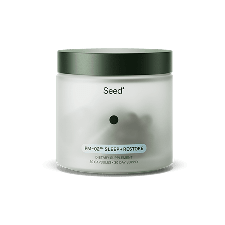
ViaCap® is a 2-in-1, nested capsule system: an inner probiotic capsule shielded by an outer prebiotic shell. This design protects the live strains, keeping them safe until they reach the lower intestine, where they’re actually needed. Bonus: no refrigeration required.
Beyond the main ingredients, DS-01® uses organic rice fiber and a rice extract blend (to prevent clumping), plus plant-based capsules tinted with natural chlorophyllin. No unnecessary fillers, and packaging is focused on sustainability—your first month comes with a refillable glass jar and a travel vial. Refills arrive in bio-based pouches and eco-friendly boxes.
DS-01® isn’t just a “probiotic blend.” It’s tested and retested:
🔬 Science Translation: Why does this matter? Strain-specific research and finished product trials give you confidence the benefits are real—not just theoretical.
Klora Gut-Renew brands itself as a “Gut + Mind Formula,” but the mechanics are very different from DS-01®. Here’s what you actually get:
This is the biggest fork in the road: Klora Gut-Renew contains no live probiotic organisms. Instead, it’s a combo of:
Klora Gut-Renew comes in a veggie capsule. Their website references “capsule-in-capsule technology,” but doesn’t specify what this means for Gut-Renew specifically. The product is taken as two capsules per day for five days, with a two-day break, then repeating.
Other ingredients: stearic acid, silicon dioxide, magnesium stearate, and olive oil. No major fillers, but it’s a simpler formula compared to DS-01®.
Klora points to research on 2′-FL and butyrate, but there are no published studies on their finished formula or its effects in humans. The ingredient science is promising, but it’s a different standard than clinical trials on the full product. Just something to keep in mind when making your decision.
Klora Gut-Renew markets benefits like:
Individual results will vary. And since the effects rely on feeding your existing microbes and supporting gut cells (not introducing new strains), what you experience may depend a lot on the state of your current microbiome.
👉 TL;DR: Klora Gut-Renew is focused on giving your gut bacteria new “fuel” (2′-FL) and supporting gut cell health (tributyrin). But you’re not introducing new live microbes as with a probiotic or synbiotic.
You’ve got choices—so what matters most to you? If your goal is:
Med-Lock’s DS-01® Daily Synbiotic and Klora Gut-Renew are both designed to support gut health, but their philosophies couldn’t be more different. DS-01® is all about strain specificity, delivering 24 live, well-characterized probiotic strains (53.6 billion AFU) and a novel pomegranate prebiotic (MAPP™) in a delivery system that makes sure everything arrives alive and thriving. It’s backed by finished product research and a science-first approach.
Klora Gut-Renew, meanwhile, skips the probiotics altogether. Instead, it puts its money on 2′-FL (an HMO prebiotic) and tributyrin (a form of butyrate SCFA), aiming to support the gut ecosystem by fueling existing microbes and gut cells—no new guests at the microbial party, just extra snacks and cellular TLC.
At the end of the day, the right choice comes down to your needs: Are you looking for strain-specific probiotic support with clinical research and targeted delivery? Or are you more interested in the effects of specific prebiotics and postbiotics without adding new live bacteria? Whatever you choose, make sure it’s med-locked in science, not just hype. 🌱
The main difference is in the “biotic” components. DS-01® delivers 24 live probiotic strains (53.6 billion AFU) plus a non-fermenting prebiotic. Klora Gut-Renew is a blend of prebiotic (2′-FL) and postbiotic (tributyrin), with no live probiotics. So, if you want live, research-backed strains with a unique delivery system, DS-01® is your pick. If you’re interested in a pre- and postbiotic formula, Gut-Renew is a fit.
No, Klora Gut-Renew does not contain live probiotic strains. Its focus is on a prebiotic (2′-FL HMO) to feed your existing gut bacteria and a postbiotic (tributyrin) to support colon cell health. DS-01® contains a spectrum of live, clinically studied strains for more direct microbiome support.
DS-01® uses a non-fermenting, polyphenol-based prebiotic (MAPP™), sourced from Indian pomegranate, that’s designed to be gentle on digestion and biotransformed into health-supporting compounds. Klora Gut-Renew uses 2′-FL, a Human Milk Oligosaccharide (HMO) known to feed bifidobacteria and other beneficial species.
Both products support gut health, but through different mechanisms. DS-01® directly introduces new probiotic strains with documented digestive benefits, while Gut-Renew provides fuel for the microbes you already have (and a postbiotic to nourish gut cells). Research on DS-01® strains and finished formula is more robust; Gut-Renew’s evidence is ingredient-based, so your response may depend more on your baseline gut status.



Overview Living with Polycystic Ovary Syndrome (PCOS) can feel like a never-ending balancing act. Hormones acting up, your metabolism in flux, and let’s be honest—a ton of advice that’s equal parts hopeful and confusing. You’ve probably heard it all: Change your diet, exercise regularly, practice mindfulness. But here’s a twist you might not expect: your...
Overview You’ve probably heard the term “leaky gut” floating around. Maybe a friend mentioned it, you saw it on social media, or you’re experiencing symptoms like bloating, fatigue, or food sensitivities and wondering if this could be the culprit. If you’re trying to figure out “how to heal leaky gut,” you’re looking for answers and,...

Overview If being a teenager feels like a whirlwind, it’s because, scientifically, it kind of is. Growth spurts, brand-new independence, and a body that suddenly feels like it’s switched operating systems overnight—it’s a lot. Add to that a social life that shifts, school stress that’s not exactly gentle, and snack choices that sometimes seem…questionable (pizza...