







Next Article
Probiotics for UTIs: Can They Help?
9 minutes
There's no instant fix for a hangover, but supporting your gut health with probiotics is a good place to start. Learn how alcohol impacts your microbiome and whether probiotics can help you bounce back after a night out.

That splitting headache, the wave of nausea, the overwhelming regret when you (vaguely) remember buying a round for everyone at the bar—we’ve all been there.
You probably had a great night out, but now it’s like your body is sending you an itemized bill for every beer pint, every tequila shot, and that questionable 2 AM food choice. (Why, oh why did a gas station hot dog seem like a good idea? 🌭)
In your desperate search for hangover relief, you’ve probably tried everything from greasy breakfast sandwiches to sports drinks that promise to restore your electrolytes. But what if the key to understanding your misery—and potentially speeding up recovery—lies in an unexpected place: your gut?
The truth is, alcohol wreaks havoc on your gut microbiome in ways that directly contribute to why you feel like you’ve been hit by a truck. Scientists have uncovered a fascinating connection between your gut bacteria and your morning-after crisis. Once you understand what’s really happening down there, it makes sense to wonder: Could probiotics for hangover relief actually work?
There’s no foolproof way to immediately reverse the consequential effects of last night’s enthusiasm. But scientists have revealed some surprising connections between your gut bacteria and your morning-after misery, providing insights on how probiotics might deserve a spot in your hangover recovery toolkit—right next to that bottle of aspirin and coconut water.
You might think of a hangover as just a really bad headache and a serious need for water, but it’s actually your entire body staging a protest. Nausea, fatigue, suddenly finding sunlight offensive—those classic symptoms happen because alcohol affects multiple systems in your body through dehydration, sleep disruption, and inflammation.1 What most people don’t realize is that your gut microbiome is caught up in all of it.
Your gut houses trillions of microbes that influence everything from digestion to immune defense. When you drink alcohol, you’re not just giving your brain a buzz—you’re also throwing a wrench into this delicate ecosystem.2
Your gut microbiome normally runs like a well-organized city, with beneficial bacteria maintaining order and keeping everything running smoothly. But when alcohol crashes through? It’s like a rowdy parade leaving chaos in its wake
Here’s what happens in your gut when you drink:
Time for the question you came here for: Can probiotics help a hangover? The short answer is no—and anyone selling a “hangover cure” is probably trying to separate you from your money faster than you blew through your bar budget last night.
Hangovers are complex beasts involving dehydration, inflammation, disrupted sleep, and your liver working overtime to process alcohol’s toxic byproducts.1 So, no single remedy magically erases all these effects. (If only it were that simple. 😭) Here’s what probiotics can do: help your body manage and recover from alcohol more effectively by supporting a healthier gut ecosystem.
And research shows that building a stronger gut ecosystem helps in these ways:
A strong gut barrier is your first line of defense against inflammatory toxins. Certain probiotic strains may help maintain the barrier’s integrity, potentially reducing the amount of harmful substances that leak into your bloodstream.5
It’s kind of like upgrading your bouncer from a sleepy intern to a legit trained security professional.
Probiotics introduce beneficial bacteria that can help restore gut microbiome balance after alcohol’s chaotic parade through your system. A recent study using a model of the human gut found that a multi-strain synbiotic (probiotics + prebiotics) helped rescue the microbiome’s metabolic activity after alcohol exposure.6
This recovery included increased production of short-chain fatty acids (SCFAs)—beneficial compounds that fuel your colon cells and support overall gut health.
By supporting a balanced microbiome and stronger gut barrier, probiotics can help manage the inflammatory response that alcohol typically triggers.7 And less inflammation means less of that whole-body “hit by a truck” feeling. (If you know, you know.)
Your immune system will still be irritated, but maybe more like “mildly annoyed” instead of “declaring war on everything.”)
These long-term benefits build over time with consistent use. Taking a probiotic the morning of your hangover isn’t the way to go—that ship has sailed (and crashed spectacularly). Instead, consistent daily use helps build a more robust gut ecosystem that’s better prepared to handle life’s various stressors, including that occasional extra cocktail. Or three.
👉 TL;DR: Your gut is like the foundation of a house. When alcohol comes through like a wrecking ball, a stronger foundation helps the whole structure weather the storm better.
So here’s what you need to know: there’s no special “hangover probiotic” sitting on the shelf waiting to save your Sunday morning. (Scientists apparently have more pressing research priorities than embarrassing karaoke choices.) No probiotic strain has been studied for it because that’s not how probiotics work.
What you’re actually shopping for are strains supporting overall gut health—the same gut health that alcohol loves to demolish.
The goal isn’t finding a mythical “hangover cure” strain—it’s choosing high-quality, scientifically-validated probiotics that build overall gut resilience. You’re basically assembling your microbial A-team. Each member should bring their own expertise to help your gut bounce back from life’s various pitfalls. (Including that time you thought ordering “one of everything” at the bar was brilliant.)
When alcohol wreaks havoc on your gut, these are the strains with solid research for helping restore balance:
The most effective products combine multiple clinically-studied strains that work together—kind of like having a whole cleanup crew instead of just one overwhelmed janitor trying to tackle everything alone.
While probiotics are generally safe for most healthy adults, approaching them with the right mindset makes all the difference. Think of them as a long-term investment in your gut health, not a morning-after emergency kit.
Here’s what you need to know:
The probiotic aisle can feel like an overwhelming maze of promises, big numbers, and hard-to-pronounce labels—especially when you’re nursing a hangover and just want something that works. Here’s what actually matters when you’re shopping for a quality product to help your gut bounce back from alcohol’s assault (and prepare it for whatever questionable decisions lie ahead):
🛒 Shopping Tip: Skip products making outrageous claims like “cures hangovers” or “instant results.” Quality probiotics let their science do the talking, not their marketing department.
So, can probiotics cure a hangover? No. But asking that question is like asking if seat belts can prevent car accidents—you’re missing the bigger picture.
The better question: Can a healthy gut help you feel better overall, even after a night of drinking? Absolutely.
Alcohol acts like a wrecking ball in your gut microbiome, and the aftermath—inflammation and a compromised gut barrier—contributes to your hangover misery. While a probiotic won’t undo the effects of that impromptu karaoke session fueled by tequila shots, it can help build a more robust gut ecosystem that bounces back faster.
By consistently supporting your gut with beneficial bacteria, you’re not just preparing for your next night out—you’re investing in a system that serves you every single day. Good gut health isn’t something you can hack with a hangover cure. It needs consistent care and the right conditions to flourish. Your microbiome will thank you—especially on Sunday mornings. 🌱
The most effective hangover prevention is drinking alcohol in moderation—or not at all. Beyond obvious (but often ignored) advice, staying hydrated by alternating alcoholic drinks with water makes a real difference. Eating a substantial meal before drinking slows alcohol absorption, giving your body more time to process it. Adequate sleep is equally important since alcohol disrupts your sleep cycles, compounding next-day exhaustion.
While these strategies won’t guarantee a hangover-free morning, they significantly reduce the severity of symptoms and help your body cope better with alcohol’s effects.
No—probiotics can’t prevent or reduce alcohol flush. This reaction, common in people of East Asian descent, happens because of a genetic variation affecting how you process alcohol. Specifically, it’s related to a deficiency in an enzyme called ALDH2 that breaks down acetaldehyde (a toxic alcohol byproduct).10 Since this is a genetic metabolic issue rather than a gut health problem, probiotics can’t help.
The flush reaction is your body’s warning signal that it’s struggling to process alcohol efficiently—the best approach is to limit alcohol intake if you experience this reaction.
Yes, excessive alcohol can harm beneficial bacteria in your gut—including probiotics. Alcohol creates a hostile environment for many microbes, potentially reducing survival and effectiveness.2 To maximize your probiotic’s benefits, take it several hours before you plan to drink alcohol—ideally in the morning if you’re going out that evening.
This timing gives the probiotics a chance to pass through your system and start their work before alcohol enters the picture.
🤓 Learn More: Taking Probiotics with Alcohol
While no food can cure a hangover, some can definitely help your recovery. Eating a balanced meal before drinking slows alcohol absorption—think of it as laying down a protective foundation. The next day, focus on foods rich in nutrients and electrolytes: bananas provide potassium, avocados offer healthy fats and minerals, and eggs contain cysteine which may help break down acetaldehyde. Don’t forget plenty of water to combat dehydration.11
Toast or crackers can help settle your stomach, while honey provides quick energy and may help you metabolize alcohol faster. The goal is gentle nourishment that helps you recover without overwhelming your already-stressed digestive system.


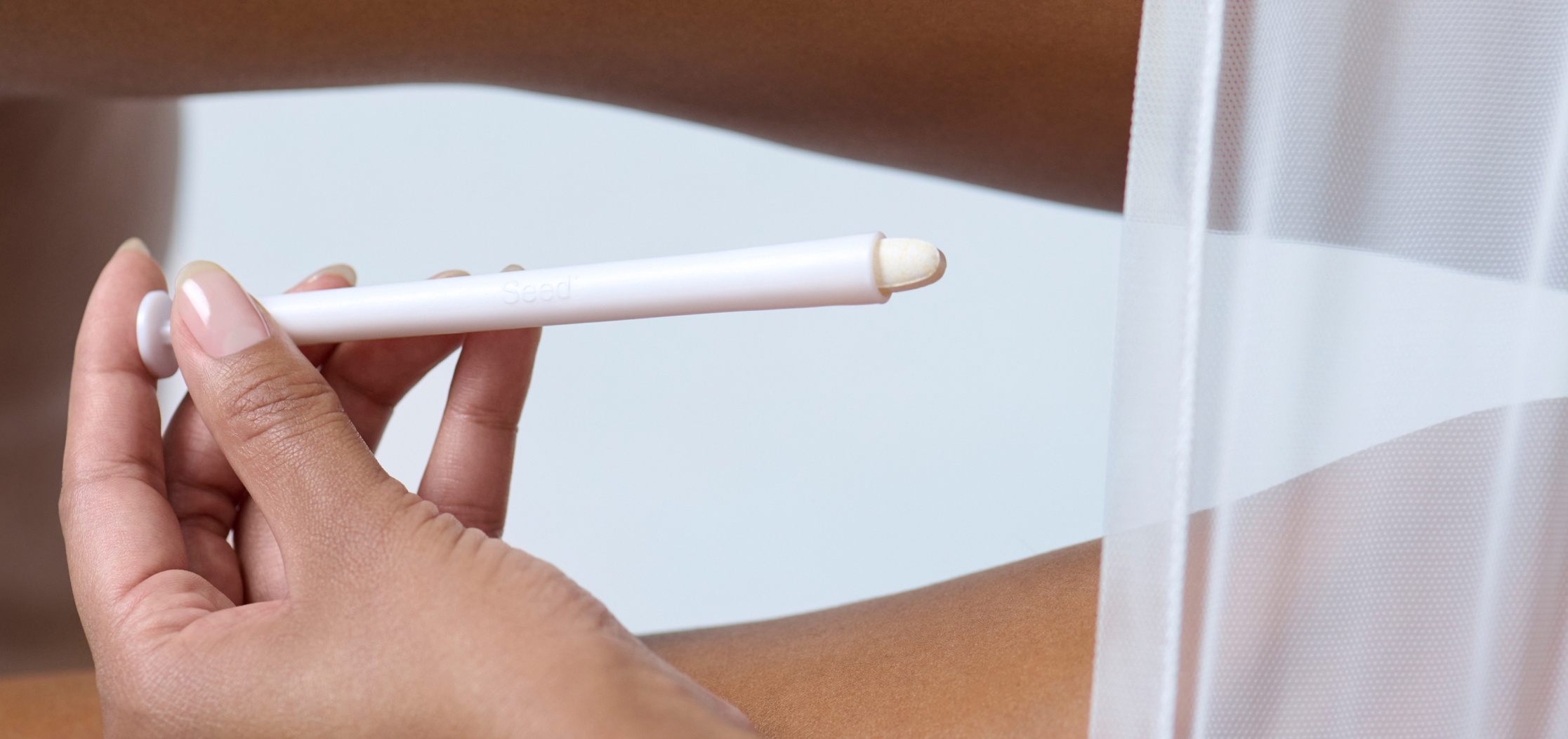

Overview So, you’re pregnant! (Congratulations 🎉) If you’re like most parents-to-be, you’re swimming in advice—from the earnest advice you got from your OB-GYN to the well-meaning but slightly wild that comes from your relatives and 2 a.m. Google deep-dives. When every choice feels monumental, even something like “probiotics for pregnant women” can sound like a...
Antibiotics can leave your gut feeling off balance. Find out which probiotic strains may help support your microbiome, how to time them for maximum benefit, and why fiber is your gut's best friend during recovery.
Overview You’re scrolling through your feed, and there it is: another “#1 food for gut health” headline. Between colon cleanses, gluten-free panic, and low-FODMAP fads, it’s a lot. And when it comes to fruit—sweet, colorful, and sometimes vilified—the science can get buried beneath the buzz. Whole fruits are sometimes dismissed for their sugar or hyped...