







Next Article
Probiotics for Inflammation: A Science-Based Guide to Gut Health and Immune Balance
7 minutes
Antibiotics can leave your gut feeling off balance. Find out which probiotic strains may help support your microbiome, how to time them for maximum benefit, and why fiber is your gut's best friend during recovery.
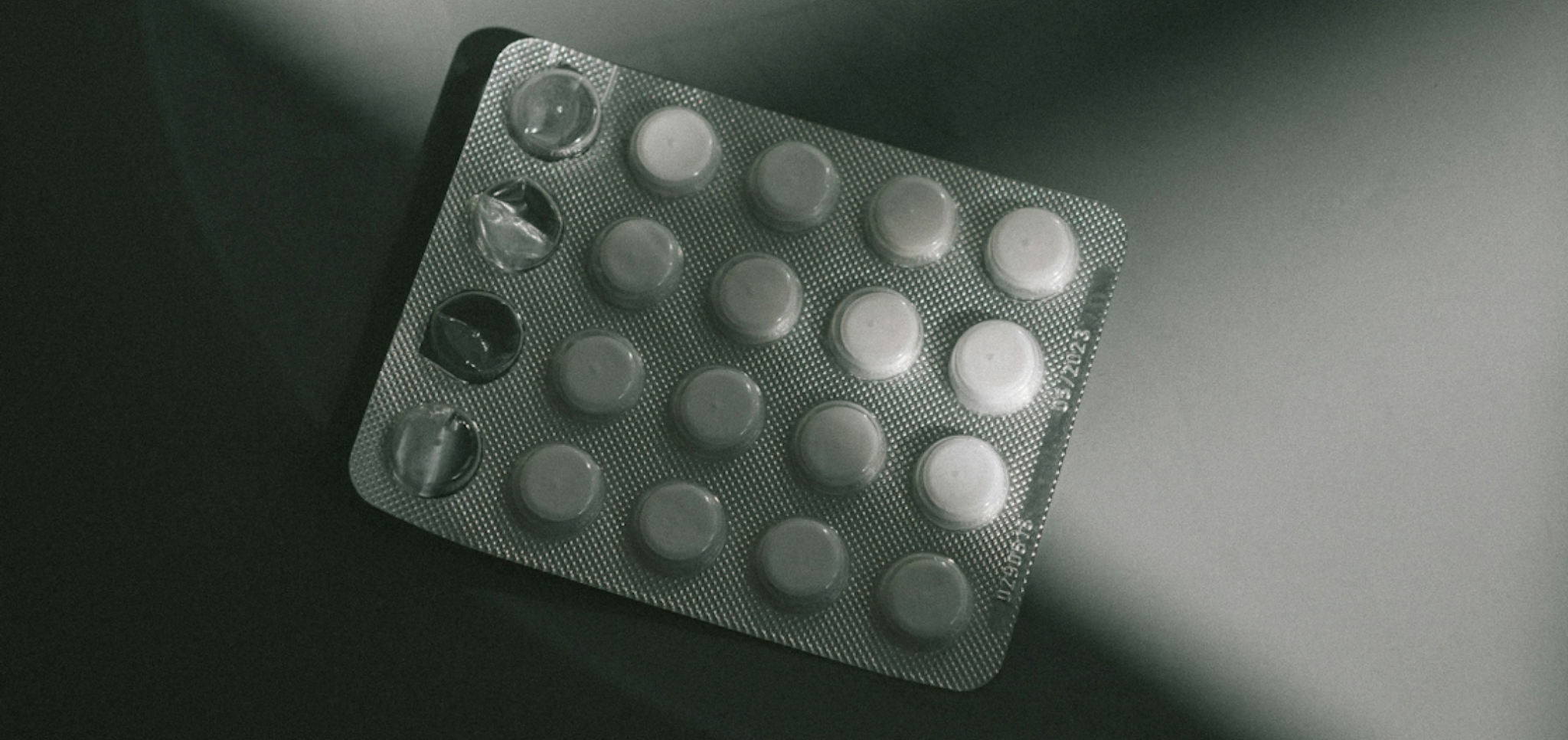
When you’re on antibiotics, your gut often feels the impact. While those medications are busy fighting infection, they can also disrupt the delicate balance of your gut microbiome—leading to side effects like bloating, cramping, and less-than-ideal bathroom timing.
It’s a common scenario, but it doesn’t have to leave your system unsupported. Certain probiotic strains have been studied for their ability to help maintain microbial balance during and after antibiotics. Not by “repopulating” your gut, but by offering support as they pass—interacting with immune cells, helping reinforce your gut barrier, and keeping unwanted microbes from gaining ground.
Let’s explore probiotics for antibiotics, how they work, which strains to look for, and how to take them without overcomplicating things. 🦠
Your gut’s not just a tube—it’s a living ecosystem, home to trillions of microbes that help digest food, train your immune system, and keep unwanted bugs in check.1 But antibiotics aren’t exactly specific. They go after the bad guys and the good guys—especially if you’re on a broad-spectrum treatment.2,3
Here’s what typically happens:
Recovery doesn’t happen overnight. Your gut can take weeks (or longer) to bounce back after a single round of antibiotics.5
Over 200 million antibiotic prescriptions are written each year in the U.S. alone—and research suggests that roughly 28% of those are for infections that don’t actually require antibiotics, like viral colds and flu where antibiotics have no effect.6 This isn’t just a personal gut health issue—unnecessary antibiotic use also contributes to the rise of antibiotic-resistant “superbugs,” bacteria that no longer respond to standard treatments.
This isn’t to say you should avoid antibiotics when you need them—they’re lifesaving medications. But understanding when they’re necessary (or not) helps protect both your microbiome and public health. And when antibiotics ARE necessary, supporting your gut during and after treatment becomes even more important.
Probiotics don’t swoop in and take over your gut like microbial superheroes. They don’t rebuild your entire ecosystem or permanently repopulate it. But that doesn’t mean they’re not doing something important.
Probiotics act more like skilled visitors—interacting with your gut environment and supporting key systems as they pass through.7 Their benefits happen in motion, not after they’ve moved in.
Here’s what they can do along the way:
Not all probiotics are created equal. The label “probiotic” doesn’t mean much without specific strain names and clinical data. Here are some of the best-studied strains for supporting your gut during antibiotic treatment:
L. rhamnosus GG is one of the most researched strains for AAD. In fact, studies show that it may help reduce the risk of diarrhea in both kids and adults taking antibiotics.11,12,13 It’s also known to support gut barrier strength and interact with the host’s immune cells.
S. boulardii isn’t a bacteria like other probiotics, but a yeast microbe. This friendly yeast has two perks: it may help reduce AAD (especially in C. diff cases), and it’s naturally resistant to antibiotics.14
However, results across studies are mixed—so keep that in mind.15,16
Antibiotics often wipe out Bifidobacteria, which are important players in your gut ecosystem. Some strains, like B. longum BB536, have been studied for maintaining gut regularity and overall resilience.17
It’s typical for probiotic products to combine several strains, with the idea that they might work together for broader support. One in vitro research study found that a synbiotic (which combines probiotics with prebiotics) could help restore microbial function after a course of antibiotics.10
Just make sure that the combo has been studied for benefits in humans—not just thrown together in a capsule and put on a shelf.
“CFU” stands for Colony Forming Units—the standard way to measure how many live, active bacteria are in each dose. But CFU has limitations: it only counts cells that can grow and form colonies in a lab, which may not capture all the viable bacteria in a product.
AFU (Active Fluorescent Units) offers a more precise alternative. It uses fluorescent staining to count only cells that are actually alive and metabolically active.18
As for the “right” dose? It depends on the strain and the benefit you’re looking for. Effective dosages in clinical studies range widely, and more isn’t always better. What matters most is that the dose matches what was tested in human trials for that specific strain and outcome.
Probiotic supplements aren’t regulated as strictly as pharmaceuticals, and research suggests that about two-thirds of products marketed as probiotics contain strains with no demonstrated health benefit. One-third or more are mislabeled at the genus or species level.19,20
Here’s what to look for:
One’s designed to wipe out bacteria (antibiotics), the other to support them (probiotics). So how do you make sure they don’t cancel each other out?
The trick is timing: take your probiotic at least 2 hours before or after your antibiotic. That spacing helps the probiotic bacteria survive long enough to actually do their job in your gut.14,21
So when should you start taking your probiotics?
Not all antibiotics affect your gut equally.
Broad-spectrum antibiotics—like amoxicillin, ciprofloxacin, or clindamycin—are designed to wipe out a wide range of bacteria, which means they cause more extensive microbial disruption. Narrow-spectrum antibiotics, on the other hand, target specific bacterial families and may have a somewhat smaller impact on your overall gut ecosystem.3
Broad-spectrum antibiotics tend to pose a higher risk for antibiotic-associated diarrhea and C. diff overgrowth because they clear out more of your protective bacteria. If you know you’re taking a broad-spectrum antibiotic (your doctor or pharmacist can tell you), probiotic support may be especially beneficial during and after treatment.
That said, this doesn’t mean narrow-spectrum antibiotics are “gut-safe”—all antibiotics have the potential to disrupt your microbiome to some degree. You don’t need to become an antibiotic expert overnight—just ask your pharmacist, “Is this a broad-spectrum or narrow-spectrum antibiotic?” and they’ll be happy to clarify.
💡 Pro Tip: If spacing out doses makes your routine complicated, don’t overthink it. Daily consistency matters more than perfect timing. Morning, night—just stick to what works for you.
Probiotics are helpful travelers—but they don’t work alone. Your gut needs the right environment to recover well during antibiotic use.
Prebiotics are like slow-burning fuel for your gut bacteria—they feed the beneficial microbes already living in your system and support the newcomers introduced through probiotics.
Unlike probiotics, prebiotics aren’t living organisms—they’re types of dietary fiber (like inulin and resistant starch) that your body can’t digest on its own. When they break these fibers down, they make byproducts like SCFAs, which help maintain your gut lining, pH balance, and inflammation response (which can be a big deal for post-antibiotic recovery.)
Good sources of natural prebiotics include:
Antibiotics deplete the beneficial bacteria that normally ferment dietary fiber into SCFAs. So while your gut is rebuilding, prebiotic fiber gives surviving bacteria—and the newcomers from your probiotic—something to “eat,” helping them thrive and produce those beneficial compounds again.23
Consider pairing prebiotic foods with your probiotic supplement. For example, taking your probiotic with a small prebiotic-rich meal (like oatmeal with sliced banana) may enhance its activity. You can also look for synbiotic products that combine prebiotics and probiotics in one formulation—this ensures the probiotic strains have the fuel they need right from the start.
💡 Pro Tip: Try not to eat all of these fiber sources at once. Too much too fast can lead to bloating, gas, and awkward moments. 💨 Start with small portions and increase gradually to let your gut adjust comfortably.
Fermented foods have long been regarded as an acceptable way to get your “daily probiotics”—but do they actually do the same job? Dr. Dirk Gevers, Ph.D., weighed in as a leading expert in microbiome science:
“Fermented foods can be part of a healthy diet—they’re flavorful, nutrient-rich, and may contain polyphenols that your gut bacteria love,” he explains. That’s good news—but what about live bacteria?
“They’re more of a wildcard, which is why fermented foods aren’t technically probiotics,” Dr. Gevers says. “You can’t know which microbes are present, in what amounts, or whether they survive digestion. That’s a big difference from well-formulated synbiotics, which are designed for targeted delivery and measurable impact.”
To put it simply: fermented foods contain what scientists call Live Dietary Microbes (LDM)—not probiotics in the scientific sense. LDM haven’t been characterized at the strain level, their quantities aren’t standardized, and they haven’t been clinically studied for specific health benefits. That doesn’t make them “bad”—it just means they’re fundamentally different from a probiotic supplement where every strain, dose, and benefit is mapped out and tested.
So yes—fermented foods have their place. But if you’re looking for specific strains with clinical precision, it’ll take more than cabbage and kraut. 🥬
Your gut’s been through enough—especially if you’re coming off antibiotics, dealing with stress, or managing a flare-up of digestive issues. Now’s not the time for spicy experiments. Keep it simple.
Here are a few ways to go easy on your gut:
Your gut isn’t just digesting food right now—it’s trying to rebuild a community. Treat it like a neighborhood under renovation: add the right support, go easy on demolition, and don’t rush the timeline.
For most healthy adults, probiotics are safe and well-tolerated. But there are a few groups who should check with their doctor before starting—or avoid probiotics altogether.
Here are some situations where extra caution is warranted:
If you fall into any of these categories, your healthcare provider can help weigh the risks and benefits based on your specific situation. For most people, these aren’t concerns—but it’s always better to check than to assume.
Antibiotics save lives—there’s no question about that. But they’re not precision tools. When they wipe out an infection, they often take your beneficial gut bacteria down with it. The result? Weeks to months of digestive disruption, weakened immune function, and in some cases, serious complications like C. diff. That’s where probiotics step in—not as a cure-all, but as strategic support during a vulnerable time for your gut.
They’re not here to repopulate your gut from scratch. But the right strains, taken at the right time, can help stabilize your microbial ecosystem, reinforce your gut lining, and keep unwanted bugs from taking over.
Pair that with consistent timing, fiber-rich foods, and a little patience, and you’re not just getting through antibiotics—you’re med-locking your recovery with purpose. 🌱
There’s no single “best” strain for everyone, but Lactobacillus rhamnosus GG and Saccharomyces boulardii are two of the most studied microbes for antibiotic-associated diarrhea.
What matters most is picking a product that names the specific strain and dose tested in clinical studies.
Yes. Aim for daily use during the entire course of antibiotics—and for several weeks afterward—helps maintain gut balance and supports microbiome recovery. Skipping days reduces consistency, which can limit benefits.26
Aim for at least 2 hours. This gives the probiotic a better shot at surviving the journey and doing its job in your gut.21
That depends. Not everyone will experience side effects from taking antibiotics—but skipping out on probiotics could mean a higher risk of AAD or slower recovery for your gut microbiome. Think of probiotics as extra support during a stressful time for your system.4
Yes, probiotics are generally safe for children and have been specifically studied in pediatric populations during antibiotic use. In fact, L. rhamnosus GG (LGG) is one of the most well-researched strains for children, with studies showing it may help support gut health in kids taking antibiotics.13,27
Keep in mind that dosage matters—children’s probiotic needs may differ from adults, so look for products specifically formulated for pediatric use with age-appropriate dosing.
As a parent, you want to support your child’s gut health just like you would for yourself—and the good news is, probiotics have been studied in kids with promising results. Always consult your pediatrician before starting any supplement, especially if your child has underlying health conditions.



This guide identifies the best probiotic strains for women's health concerns from vaginal microbiome balance to digestive comfort. Learn about L. crispatus for vaginal health, strain-specific benefits for women over 50, and how to evaluate quality beyond marketing claims.
Antibiotics can disrupt your gut microbiome, impacting digestion, immunity, and overall health. Learn how different antibiotics affect your gut bacteria, the short- and long-term effects of microbial disruption, and how to support your good bacteria during and after antibiotic treatment.

Leaky gut" isn't about your gut springing leaks like faulty plumbing—it’s actually increased intestinal permeability. Find out what this means, how your daily habits affect your gut barrier, and whether probiotics can truly lend a hand.