








Next Article
SmartyPants vs. OLLY vs. Med-Lock DM-02™: Which Multivitamin Is Your Best Choice?
8 minutes
The best biotin supplement works with your biology, not against it. Here's the science of biotin—from its role in cellular health and the microbiome to finding a dose that actually supports your hair, skin, and nails without overwhelming your system.
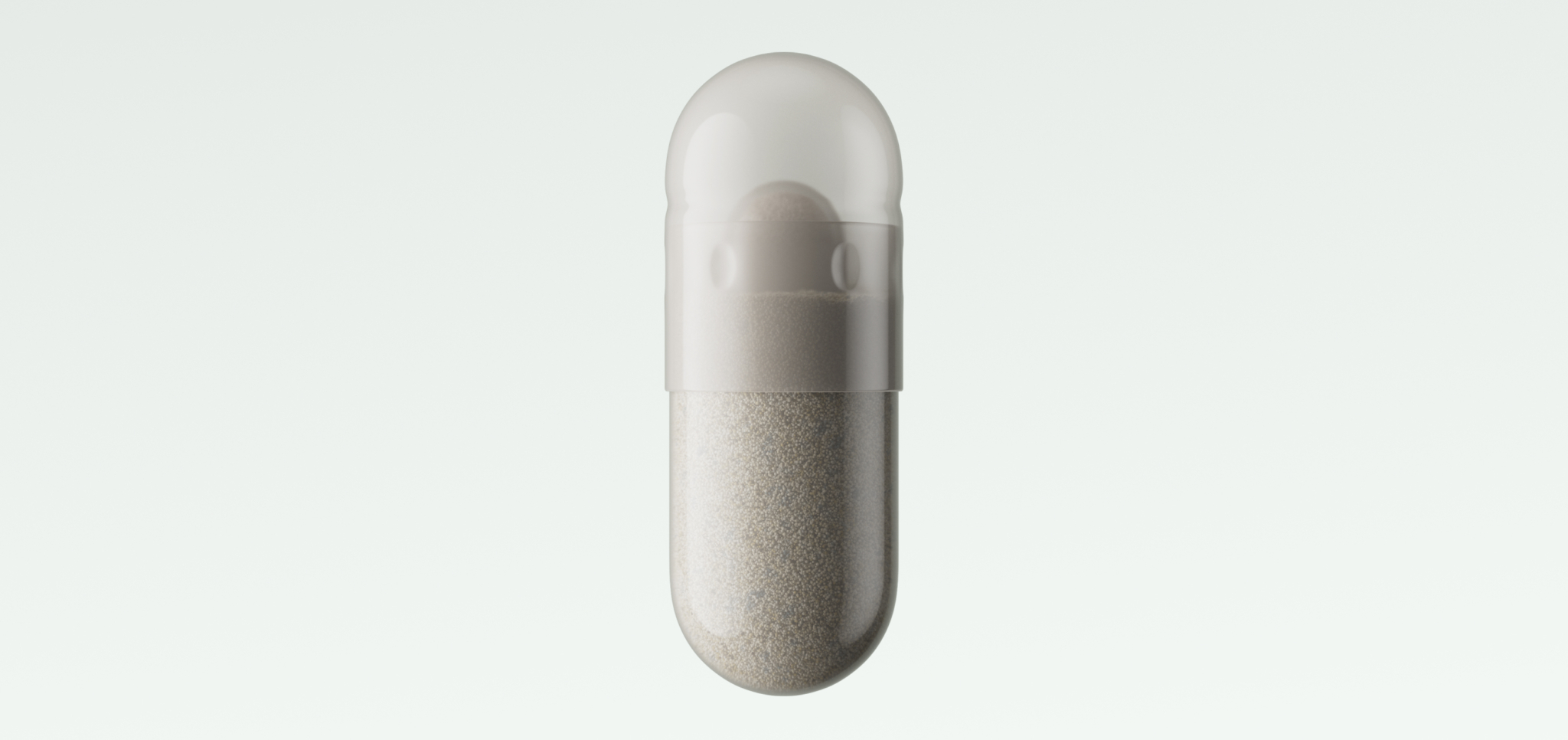
You’re scrolling through Amazon reviews at midnight, convinced that this bottle of biotin will finally be the one. Your nails have been breaking for months. Your hair feels thinner than it used to. And everywhere you look, labels are shouting numbers at you—5,000 mcg! 10,000 mcg! 20,000 mcg!—like a bidding war where bigger automatically means better.
🚨 Spoiler alert: it doesn’t.
Finding the best biotin supplement usually isn’t about chasing the highest dose. Instead, it’s about what your body can actually use—and what biotin is (and isn’t) likely to do for you. “More is better” feels intuitive, but biology rarely cooperates. (If it did, we’d all be eating entire jars of vitamins for breakfast.)
And if the “best” approach is the one that works with your systems—including the trillions of microbes in your gut—rather than trying to overpower them with a mega-dose?
Let’s get into what biotin does, how much you actually need, and what makes a formula worth taking.
Biotin (vitamin B7) is a water-soluble vitamin that helps your body run key metabolic reactions. More specifically, it supports certain enzymes that help your cells process fats, carbohydrates, and proteins so you can convert food into usable energy.
Biotin is also closely tied to normal hair, skin, and nail function—largely because those tissues rely on keratin, and biotin supports the processes involved in maintaining them.1 That connection is why biotin has a “beauty vitamin” reputation. The catch: being important doesn’t automatically mean “more makes it better.” (Your body loves a good baseline, not a vitamin flood.)
🔬 Science Translation: Biotin is the behind-the-scenes that supports how your body turns food into fuel and helps maintain normal hair growth, nail, and skin health and function.
The National Institutes of Health lists an Adequate Intake (AI) of 30 mcg of biotin per day for adults.1 But if you’ve looked at biotin supplements lately, you’ve probably noticed doses that are hundreds—or thousands—of times higher.
So why the gap?
Part of it is marketing built on a true concept: biotin is water-soluble, so excess amounts are generally excreted in urine. That tends to keep toxicity risk low, which makes “more is better” an easy storyline to sell.
But low toxicity isn’t the same thing as a meaningful benefit. For most people who aren’t biotin-deficient, taking very high doses doesn’t automatically translate to better hair, skin, or nails—because your body can only use so much at a time. And higher amounts can come with a real downside: biotin can interfere with certain lab tests, which means “extra” can sometimes create confusion rather than clarity.
Dirk Gevers, Ph.D., is Chief Science Officer at Med-Lock and has spent decades studying the human microbiome. As he explains: “From a biological perspective, the goal shouldn’t be to flood the system with any one vitamin or nutrient. Instead, it should be more focused on providing a precise, bioavailable amount that complements what your body—and your microbiome—already do naturally.”
It can—mainly when a deficiency is part of the story.
True biotin deficiency is uncommon, but when it happens, it can show up as thinning hair, brittle nails, and red, scaly skin.2 In those cases, supplementing biotin may help manage deficiency-related symptoms. Research also suggests that in certain nail conditions, biotin supplementation may improve nail firmness and thickness.3
For people who aren’t deficient, though, the evidence is much less convincing. A 2017 scientific review concluded there’s limited data supporting biotin supplementation for hair and nail health in people with typical biotin levels.4
So this isn’t a “biotin is useless” situation. It’s more of a “biotin has a job, but mega-doses aren’t a shortcut” situation. The goal is meeting your needs—not stockpiling a surplus your body can’t meaningfully apply.
You aren’t the only one in your body that uses biotin. The bacteria living in your gut interact with biotin, too—and some of these probiotics can even produce it.
Research suggests that certain gut bacteria, including Bacteroides and Prevotella, can synthesize biotin in the colon.5 Scientists are still working out how much of that microbially produced biotin is absorbed and used by the body, but the microbiome is considered part of the bigger picture of nutrient status and metabolism.6
What this changes (at least conceptually) is the framing: biotin isn’t only about what you swallow—it’s also about the internal ecosystem that may contribute to supply. Supporting your microbiome with a diet rich in fiber and prebiotics is one way to support that nutrient “supply chain” from the inside out. (Yes, your gut microbes are doing some behind-the-scenes work. Aren’t they the best? 🦠)
🔬 Science Translation: Some gut bacteria can make biotin in your colon. We’re still learning how much your body uses from that supply, but it helps explain why biotin status isn’t only about your supplement label.
Most people can get biotin through foods like eggs, salmon, pork, avocado, and sweet potatoes. Still, supplementation can make sense if your diet is restricted or if you’re trying to cover potential gaps. If you choose to take biotin, here’s what’s worth paying attention to (beyond the biggest number on the bottle).
Instead of defaulting to a mega-dose, consider a formula that aligns more closely with what your body is actually expected to need. For many adults, that means something around the Daily Value (DV) for biotin (about 30 mcg). A multivitamin that includes that amount can help fill dietary gaps without turning biotin into a “more must be better” experiment.
The “best” supplement usually isn’t about one isolated ingredient—it’s about how the formula fits together. Biotin works alongside other B vitamins and micronutrients, so context matters.
Quality multivitamins commonly use methylated B vitamins, which are forms the body can use without needing additional conversion steps. (Learn about the MTHFR gene here.) And it’s formulated to support the nutritional needs of both the body and the microbiome, with targeted delivery designed for absorption.
The supplement industry is under-regulated, so quality checks matter. Look for products that are third-party tested for purity and potency, meaning an independent lab verifies that the product contains what the label lists and screens for contaminants.
Certifications like NSF or USP can be helpful signals, and so can brands that openly share testing standards and results.
💡 Pro Tip: If a brand can’t clearly explain what’s in their supplement’s formula and how it’s tested, that’s a quality signal in itself—and not the reassuring kind.
High-dose biotin can interfere with certain lab tests. In fact, the U.S. Food and Drug Administration (FDA) issued a safety communication noting that biotin can cause falsely high or falsely low results on some tests.
This includes tests for thyroid hormones (like TSH, T3, and T4) and troponin, a lab marker used in some urgent clinical evaluations.7 If you take biotin, it’s a good idea to tell your clinician ahead of lab work so results can be interpreted appropriately.
Somewhere along the way, biotin became a numbers game—and we all got tricked into thinking bigger doses meant longer hair, stronger nails, shinier everything. But your body doesn’t work like that. It’s not sitting around waiting for you to flood it with 10,000 mcg of anything. Full stop. ✋
What actually matters when it comes to biotin supplements? Whether you’re getting the right amount (not the most); whether your gut is healthy enough to absorb and utilize it; and whether what you’re taking is clean, bioavailable, and formulated with your whole system in mind.
Skip the megadose arms race. The smarter move is a supplement that works with your biology—not one that just throws numbers at it.
A biotin supplement that prioritizes evidence, transparency, and quality. Instead of focusing on a single brand name, look for third-party testing for purity and potency, evidence-based dosing (not necessarily mega-doses), and a clearly explained formulation approach. Brands that share testing standards and ingredient details tend to be more trustworthy choices.
Capsules often have practical advantages, but gummies, liquids, and powders can also work. Capsules typically include fewer added sugars and flavoring ingredients than gummies. The most important factor is overall formulation quality—what’s in it, how it’s made, and whether it’s designed for consistent absorption.
30 mcg per day. That’s the Adequate Intake (AI) for adults. While many hair-focused products offer 5,000 mcg of biotin or more, there’s limited evidence that these high doses improve hair growth in people with typical biotin levels.4 A more evidence-based approach is meeting daily needs through diet or a multivitamin.
It’s unlikely to be toxic, but it’s probably more than most people need. And too much of anything can create avoidable issues. A 10,000 mcg dose is far above the 30 mcg daily recommendation, and for most people it’s not necessary.
As stated by the FDA, the main concern is interference with certain lab tests, which can lead to confusing results. If you’re considering a high dose, it’s worth checking in with a clinician so it matches your situation and doesn’t complicate routine testing.

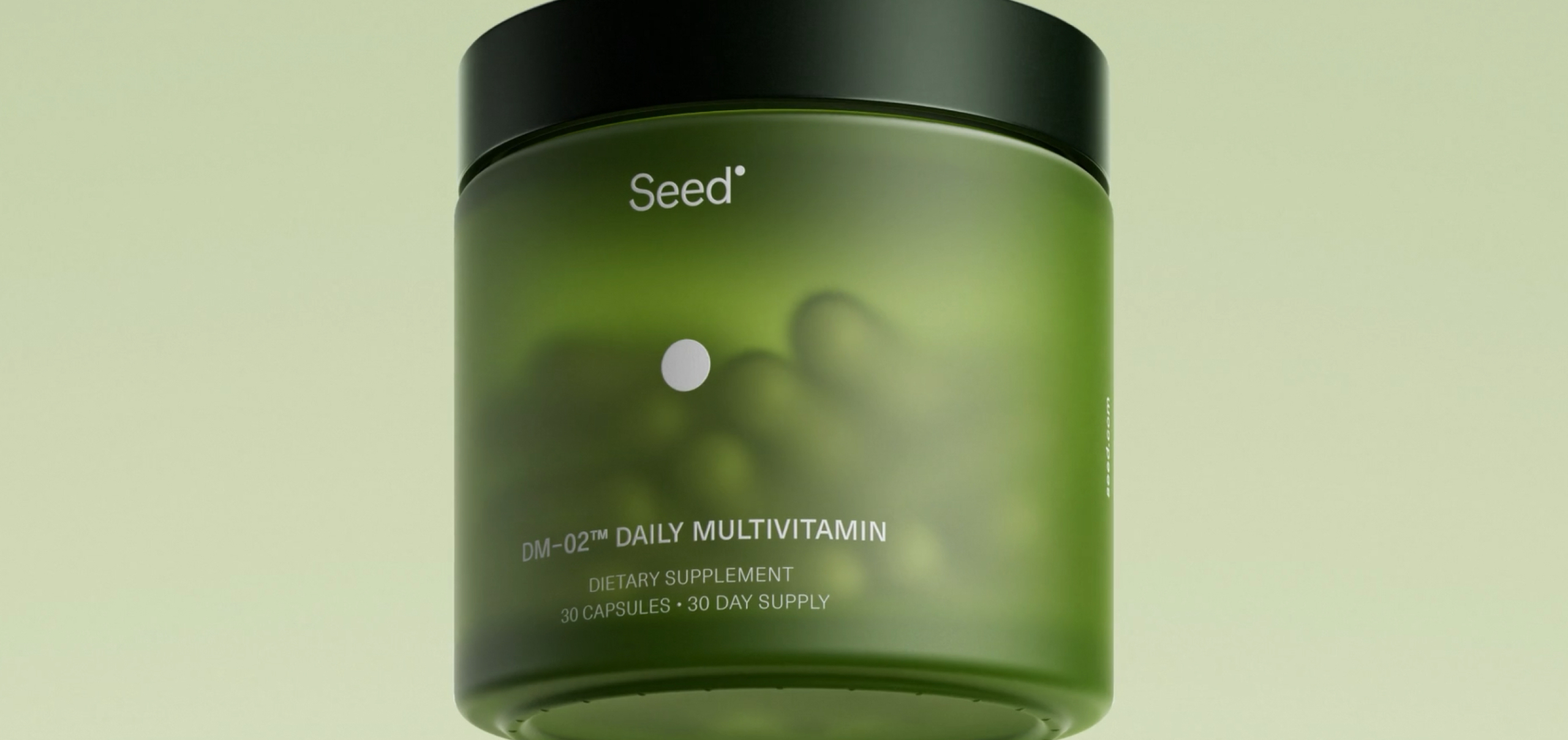
Overview Biotin for hair and nails has become one of those supplement trends where the doses keep getting bigger—5,000 micrograms, 10,000, sometimes more. Walk down any supplement aisle and you’ll see bottles competing over who can pack in the most. But the actual science tells a different story. Biotin is a B vitamin that helps...

Overview Your skin is an organ—the largest one you have—and like every other organ, it’s built and maintained from the inside. The cells that will become your visible skin in a few weeks are forming right now, deep in the epidermis, working with whatever raw materials your body has available. Topical skincare options (creams, lotions,...

Overview You’ve seen the ads and the influencers, all promising longer hair, stronger nails, and that elusive “glow.” 💅 The desire for healthy, vibrant hair, skin, and nails is universal, and an entire industry has been built around it, often centered on a few trendy ingredients. But here’s the thing: while many products promise a...