




Next Article
Sour Stomach? The Promise Behind Probiotics for Ulcers
9 minutes
You’ve tried the serums, but have you looked at your gut? Probiotics aren't a direct fix for hair growth, but emerging science reveals a compelling link. Discover how gut health, inflammation, and nutrient absorption impact your hair, and what to look for in a science-backed probiotic.
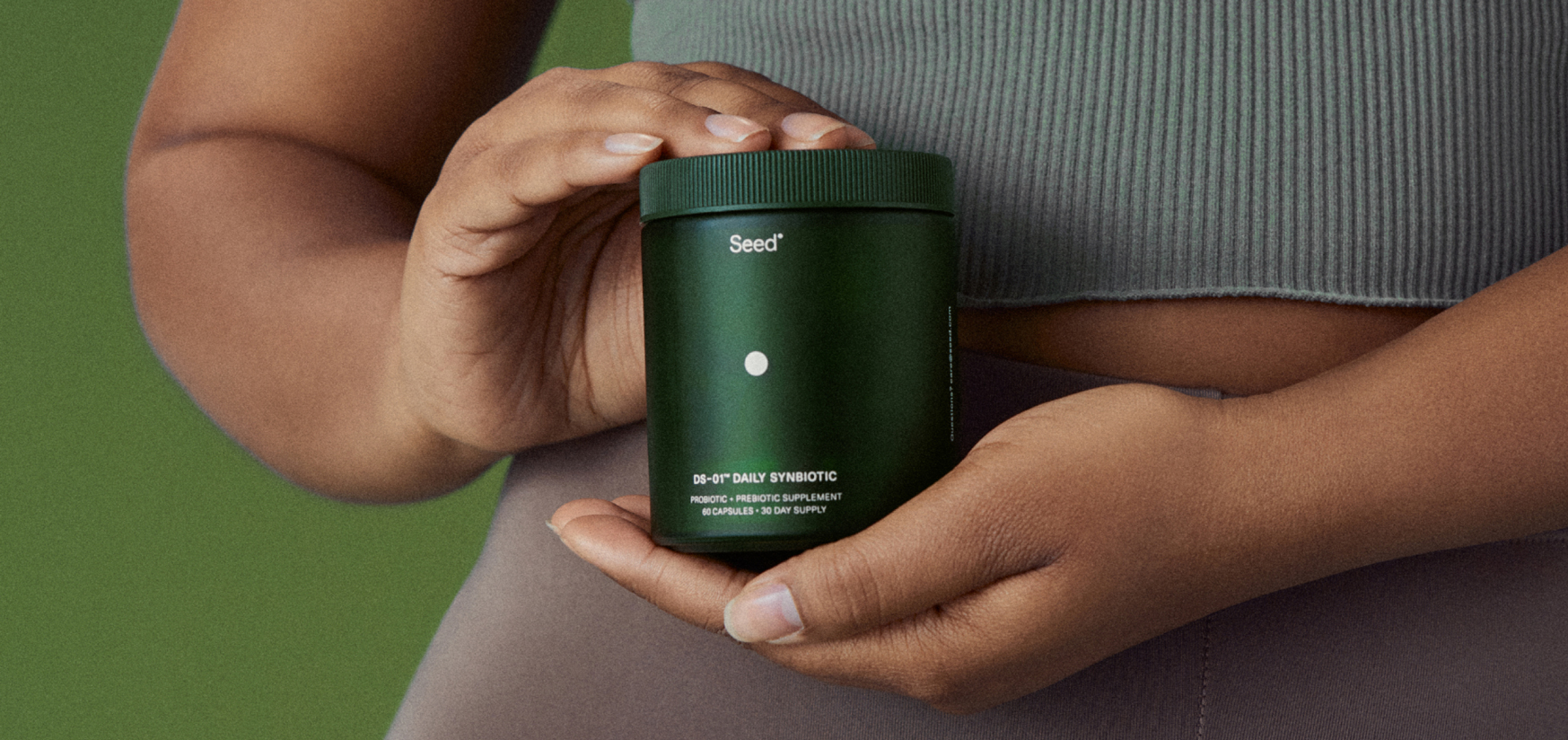
You’ve probably tried the special shampoos, the thickening mousses, maybe even that scalp serum your favorite influencer swears by. But when it comes to supporting healthier hair, have you ever thought about your gut? 🦠 It might sound like a stretch, but research shows there’s a real connection between the trillions of microbes in your gut and what’s happening on top of your head.
The big question is this: can probiotics actually help with hair growth? The answer is complicated. Probiotics aren’t a miracle for hair loss, but they may play a surprisingly supportive role. Instead of acting on your hair directly, they work on foundational systems—like nutrient absorption, immune signaling, and inflammation—that set the stage for healthy hair to thrive.
Let’s unpack the science behind the gut-hair connection to help understand why taking care of your microbiome could be the most overlooked strategy for hair health.
Before you even get to probiotics, it’s worth understanding how your gut is surprisingly connected to your scalp. This relationship shows up through a few major biological routes. And if you’re picturing this as a one-way street, think again—what happens in your gut can actually set off ripple effects throughout your body, including your skin and hair follicles.
You’ve likely heard of the gut-brain axis, but scientists are increasingly talking about the gut-skin axis—a constant two-way communication between your gut microbes and your skin.1 Since hair follicles are specialized organs embedded in your skin, this axis extends right to them.
When your gut microbiome is balanced and resilient, your gut lining remains strong, keeping unwanted substances out of your bloodstream. But when things go sideways—say, from stress, antibiotics, or a diet heavy on ultra-processed foods—the gut can become “leaky”.2 This means particles that should stay in your gut can sneak into your bloodstream, raising a red flag for your immune system.
That’s where things get interesting for hair. Chronic, low-grade inflammation can surface on your skin or scalp and might even disrupt the delicate environment needed for healthy hair follicles to grow.3 It’s why people dealing with stubborn scalp irritation or lackluster hair growth might need to look below the surface—way below, to their gut.
🔬 Science Translation: When scientists talk about the gut-skin-hair axis, they mean your gut and skin are chatting all day long through the immune system and chemical messengers. If the gut is inflamed or disrupted, that message can show up on your scalp.
Let’s get real—your hair is picky. It needs biotin, iron, zinc, B vitamins, and protein to grow strong, shiny, and resilient.4 But even the best diet or supplement regimen can fall flat if your gut isn’t able to break down food and shuttle those nutrients to where they’re needed most.
A thriving gut microbiome helps digest and absorb key micronutrients. Certain microbes can even transform nutrients into more “bioavailable” forms that your body—and your hair—can actually use. But gut disruptions (think: recent antibiotics, gut inflammation, or low microbial diversity) can slow or block this process.5
That means if your gut is off, even a hair-healthy smoothie loaded with leafy greens, beans, nuts, and eggs might not be doing its full job. Some people with unexplained hair thinning are surprised to find out their gut—rather than their shampoo or serum—is actually the weak link.
🦠 Fun fact: Gut microbes even play a role in making certain B vitamins (like folate and B12) right there in your digestive tract. They don’t just absorb; they create, too!
Inflammation isn’t always a villain—your immune system needs it to fight infection and heal wounds. But chronic, low-grade inflammation is another story. In hair health, that’s the kind of heat that can quietly sabotage hair follicles over time.
When the immune system goes into overdrive (sometimes because the gut barrier is compromised), it can target hair follicles by mistake, leading to less growth and more shedding.6 In serious cases, this can look like alopecia areata, but even without a diagnosis, a chronically inflamed scalp can spell trouble for healthy hair.
The gut comes back into play because around 70% of your immune system lives in your digestive tract. When you support a diverse, balanced gut microbiome, you help your immune system keep cool—reducing the odds that your hair follicles get caught in the crossfire.7
💡 Pro Tip: If you’re looking to support your scalp, start with your gut. More fiber and more color on your plate means a better microbial balance, which means less inflammation all around.
Let’s get to the root of it: probiotics aren’t going help you sprout new hair overnight. But given the science we cited above, it’s possible that they could offer indirect support.
What’s going on behind the scenes? Research suggests probiotics may help by:
Let’s zoom in: Most of the evidence here is early-stage or mechanistic (that is, based on models of how things work inside your body, not huge clinical trials). But there are some interesting clinical findings. In one randomized controlled trial, people with androgenetic alopecia (the most common type of hair loss) who took an oral probiotic for several months saw less hair loss progression and, in some cases, thicker hair compared to placebo.11 While one study can’t settle the debate, it’s an encouraging sign.
🔬 Science Translation: Probiotics help “train” the immune system, reinforce the gut barrier, and help with nutrient synthesis—so you’re supporting the very ground (your scalp) from which your hair grows. But don’t expect miracles; these are background benefits, not overnight fixes.
Let’s clear something up: there are no strains that are “for hair growth.” It’s not as simple as picking any probiotic and expecting longer locks—think of it more like choosing the right tool for the job.
What really matters? In the probiotic world, it comes down to strain specificity. Research shows that benefits are tied to exact strains, not just broad species like Lactobacillus or Bifidobacterium. Dirk Gevers, Ph.D., explains, “Probiotic benefits are not interchangeable. Efficacy is tied to the specific strain, and only that strain, in that dose, as shown in research.”
So for hair health, you’re looking for strains that have been studied for their ability to:
Because hair is literally an extension of your skin, strains shown to support the gut-skin axis are a good place to start. Most research in this area looks at skin barrier support and immune balance.
Examples include:
You’ll often see these strains used in formulas marketed for skin or overall wellness, not “hair growth”—but supporting scalp health is part of the hair equation.
Supporting your gut’s ability to produce B-vitamins is another smart angle. B-vitamins are used all over your body—including the cells that make your hair.
👉 TL;DR: Not all probiotics are created equal for hair. Look for products where the exact strains are listed, and that have been clinically studied for mechanisms like skin health, gut barrier integrity, or vitamin production.
So you’re curious about trying a probiotic for hair? Here’s what matters most:
There’s a persistent myth that probiotics set up camp in your gut and “colonize” for the long haul. The reality? Most are just passing through—they interact with your gut lining and resident microbes, do their work, and then leave.14 That’s why daily, consistent intake is key. “It’s like nurturing an ecosystem,” explains Dirk Gevers, Ph.D. “Just as a garden requires consistent care, supporting your gut microbiome with probiotics is most effective with regular, daily administration. This consistency allows the specific strains to continuously engage with your system, which is necessary for achieving and maintaining the intended health benefits.”
So, if you skip days or stop entirely, you’re not likely to see sustained effects—especially when it comes to indirect hair benefits that rely on long-term, foundational support.
Probiotics work best when you’re already caring for your gut ecosystem in other ways. Here’s how you can set the stage:
💡 Pro Tip: Want to get the most from your probiotic? Pair it with fiber, color-rich plants, and sleep that’s actually restful. If you’re mostly running on caffeine and ultra-processed snacks, a probiotic can only do so much.
We know—everyone loves a quick fix. But science linking probiotics to hair growth is in its infancy. Probiotics help create the environment for healthy hair to grow by supporting the gut and keeping inflammation in check, but they don’t reverse baldness or act as a standalone hair-loss remedy. If you’re noticing increased shedding, patches, or dramatic changes in hair texture, make an appointment with a dermatologist or your healthcare provider to rule out underlying causes.
When it comes to probiotics for hair growth, the truth is less “miracle product,” more “microbiome support crew.” Your hair’s health starts with your gut—especially the balance of your microbiome, how well you absorb nutrients, and how you manage inflammation. If you want to give your hair its best shot, nurture the ecosystem that everything else grows from.
🌱 Because good hair days start with what’s med-locked in your gut.
Indirectly, they might. By supporting gut health, probiotics can help ensure you’re absorbing the nutrients essential for hair follicle function and help manage systemic inflammation, both of which can be factors in hair thinning. However, they are not a direct treatment for it.
There is no single “best” probiotic for your hair. Instead, look for formulations with specific strains of Lactobacillus and Bifidobacterium that have been clinically studied for gut barrier integrity, skin health, or micronutrient synthesis, as these mechanisms are most relevant to creating a healthy foundation for hair.
Since hair growth is a slow process and probiotics work indirectly, don’t expect rapid changes. It can take several months of consistent use, alongside a healthy diet and lifestyle, to see potential benefits in hair health and strength, as you’re supporting the underlying systems.
Probiotics are not a proven treatment to reverse hair loss or cure conditions like alopecia. While some preliminary research is promising, their role is supportive, not curative. If you are experiencing significant hair loss, you should consult a healthcare professional to identify the cause.


Overview So, you’re pregnant! (Congratulations 🎉) If you’re like most parents-to-be, you’re swimming in advice—from the earnest advice you got from your OB-GYN to the well-meaning but slightly wild that comes from your relatives and 2 a.m. Google deep-dives. When every choice feels monumental, even something like “probiotics for pregnant women” can sound like a...

Strategies for supporting digestive health beyond diet—from regulating your sleep timing to exploring your local park.
“Gut-friendly” alternatives to classic pop are officially mainstream. But can soda ever really be “good” for you or your microbiome?