








Next Article
The Best Antioxidant Supplements: A Guide to What Really Works
12 minutes
Explore the evidence-based benefits of vitamin E for hair. Learn how this antioxidant supports scalp health and hair growth systemically, why food sources matter, and the difference between topical oils and internal nourishment for truly healthy hair.
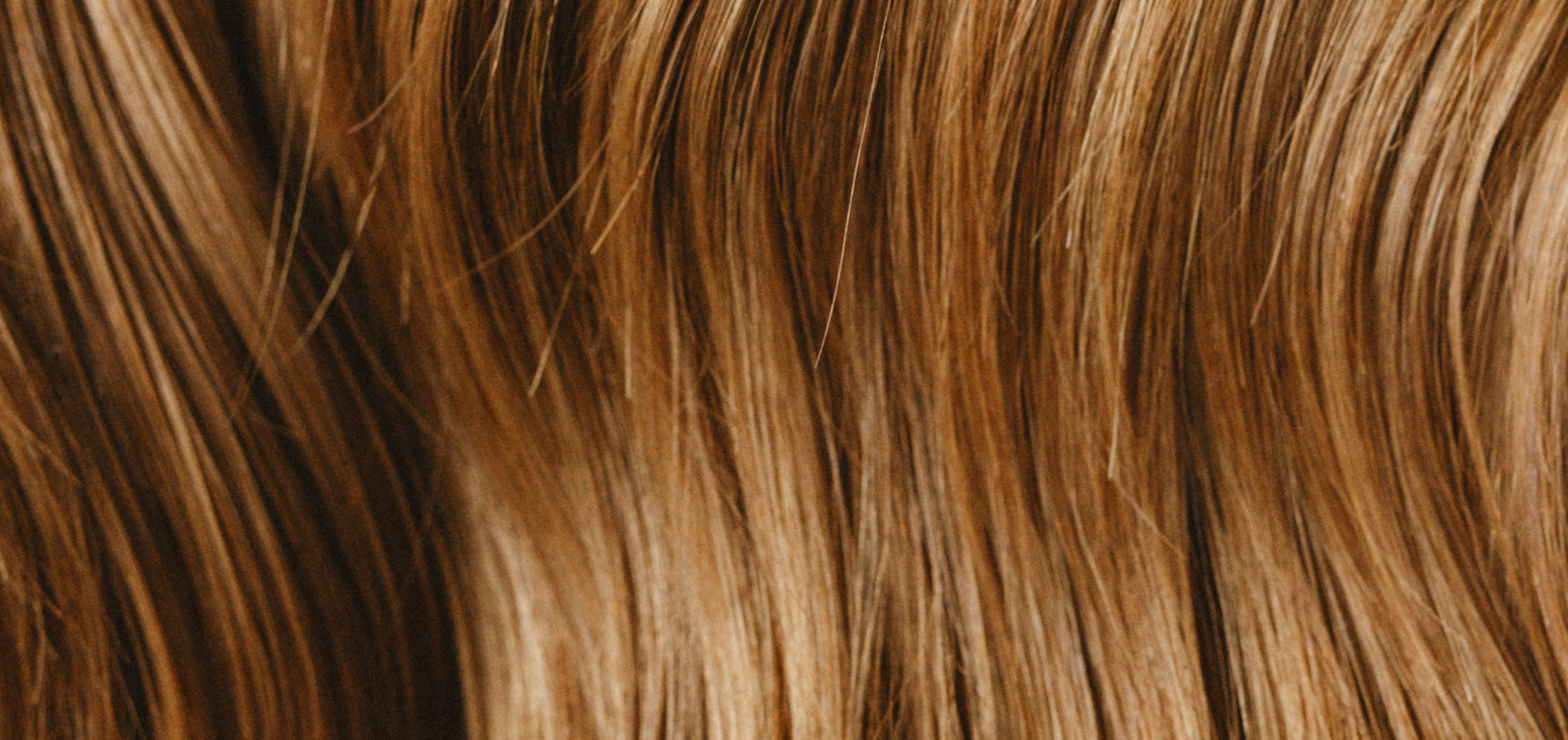
Vitamin E is one of the most common ingredients in hair care products and supplements. It’s also one of the most misunderstood.
You may not be surprised to learn that healthy hair starts beneath the surface. Every strand of hair grows from a follicle that’s embedded in your scalp, relying on the surrounding tissue to support it. And like all skin, that tissue is susceptible to oxidative damage.
That’s where vitamin E comes in.
And maybe the most effective way to use vitamin E for hair isn’t what’s implied by various bottles of shampoo and conditioner. Perhaps it’s less about what you put on your scalp, and more about what you put into your body. 🌱
Vitamin E isn’t a single nutrient—it’s a family of eight different compounds that fall into two groups: tocopherols and tocotrienols. Both act as antioxidants, but they’re not equally effective.
Tocotrienols appear to have greater antioxidant potential than tocopherols, likely because of how they move through cell membranes and interact with lipid radicals.1 This distinction becomes important when we talk about hair.
Antioxidants are compounds that neutralize free radicals before they can damage your cells. Free radicals are unstable molecules—your body produces them naturally through metabolism, and things like UV exposure and pollution pile on more. When they accumulate faster than your body can deal with them, oxidative stress kicks in and cellular damage starts to add up.
Vitamin E is one of the body’s main fat-soluble antioxidants, stepping in to intercept free radicals before they cause trouble.
Your scalp is skin, obviously. And like the rest of your skin, it’s exposed to free radicals from UV rays and pollution, and is subject to the effects of normal metabolism. When those free radicals build up faster than your body can neutralize them, oxidative stress sets in. That can affect the hair follicles living in your scalp tissue, disrupting their ability to grow hair normally.2
Vitamin E helps by neutralizing free radicals before they accumulate, reducing oxidative stress and creating a healthier environment for follicles to function. That’s the main reason it’s associated with hair health.
Let’s look at the science of hair and hair growth.
To date, the most-cited evidence comes from a small (but significant) 2010 study that examined the effects of vitamin E supplementation on hair growth.
In this study, 38 volunteers experiencing hair loss were given either a placebo or a supplement containing tocotrienols (a potent form of vitamin E). After eight months, the group taking the tocotrienol supplement saw a 34.5% increase in hair growth, whereas the placebo group actually saw a slight decrease.3
The researchers concluded that the antioxidant properties of the tocotrienols likely reduced lipid peroxidation (a marker of oxidative stress) in the scalp, creating a healthier environment for hair growth.
A few important caveats apply to this study:
Still, the evidence shows that vitamin E plays a role in reducing oxidative stress on the scalp. As a result, scientists can conclude that vitamin E can create a better foundation for healthy hair growth.
This brings us back to the bottle of hair oil. If the primary benefits of vitamin E come from its antioxidant action inside the body, what good is applying it topically?
Here’s a breakdown:
Applying an oil to your hair can certainly have cosmetic benefits. It can coat the hair shaft, which helps to:
But here’s the catch: vitamin E is a large molecule, and it’s not clear how much is actually absorbed into the scalp to have a meaningful antioxidant effect at the follicle level. Topical application is more of a conditioning treatment than a way to nourish growth from the root. (Think of it like watering the leaves of a plant instead of the roots.)
Consuming vitamin E through your diet or a well-formulated supplement ensures it gets delivered throughout your body via the bloodstream—including to the capillaries that feed your scalp and hair follicles. This systemic approach is what allows vitamin E to perform its protective, antioxidant functions where they matter most for growth.
Improved blood circulation is another potential benefit of vitamin E. Some early research suggests that vitamin E may support blood flow, and healthy circulation is key for delivering oxygen and nutrients to hair follicles, creating an optimal environment for hair growth.5
👉 TL;DR: Vitamin E oil makes your hair look good on the surface. But for actual growth support, your body needs to absorb it internally.
As mentioned, vitamin E is a family of eight different compounds. The most common form found in supplements and fortified foods is alpha-tocopherol.1 It’s effective as an antioxidant, but the standout hair growth study used tocotrienols.
Tocotrienols are thought to have more potent antioxidant activity than tocopherols and may be more effective at accumulating in certain tissues.6 While research in this area is still ongoing, it’s a great example of how the specific form of a nutrient can matter just as much as the dose.
This concept of bioavailability and bioactivity is central to how we think about formulation—it’s not just about what’s in the capsule, but what your body can actually recognize and use.
💡 Pro Tip: When shopping for vitamin E supplements, check the label for tocotrienols specifically—not just “vitamin E.” That distinction could make a real difference for your hair.
The good news is that true vitamin E deficiency is rare in healthy people. Most of us can get the recommended daily amount (15 mg for adults) through a balanced diet.7
Food sources of vitamin E include:
Focusing on a diet rich in these whole foods is the best first step. For those looking for additional support, a comprehensive multivitamin can help fill in any nutritional gaps. (Your hair will thank you—even if it can’t actually say so.)
🤓 Learn More: Vitamins for Hair, Skin, and Nail Health: 2026 Guide
Whether you’re using it topically or taking it orally, there are a few things to keep in mind when using vitamin E supplements. If you’re feeling a bit nervous about trying something new—that’s totally normal. Here’s what to watch for:
Pure vitamin E oil can be thick and sticky. (Almost like the consistency of honey. 🍯) It’s best to dilute it with a carrier oil like coconut or jojoba oil to make it easier to apply.
Always perform a patch test on a small area of skin (like behind your ear) before applying it to your entire scalp to check for any allergic reactions or irritation, which can show up as itching or a rash.8
While dietary vitamin E is safe, high-dose supplementation can be risky. Taking too much vitamin E can interfere with blood clotting and may interact with certain medications, including anticoagulants and chemotherapy drugs.9
It’s always best to speak with your healthcare provider before starting any new supplement regimen to ensure it’s right for you.
💡 Pro Tip: Stick to the recommended daily amount (15 mg for adults) unless your healthcare provider advises otherwise. More isn’t always better when it comes to fat-soluble vitamins.
While the idea of a miracle hair growth oil is appealing, the science of vitamin E points to something more grounded: hair health is a reflection of overall systemic health. Its most beneficial effect—combating the oxidative stress that can damage hair follicles—happens from the inside out.
Rather than focusing solely on topical treatments that offer temporary cosmetic fixes, a more effective long-term strategy is to ensure your body is well-nourished with essential, bioavailable nutrients like vitamin E. A diet rich in nuts, med-locks, and leafy greens, complemented by a thoughtful supplement where needed, provides the foundational support your body needs to protect itself at a cellular level. And when your body is healthy on the inside, it shows on the outside—right down to the ends of your hair. 🌱
Vitamin E mainly acts as an antioxidant, helping protect the cells in your scalp and hair follicles from damage caused by oxidative stress. This creates a healthier environment for hair growth.
Some research suggests oral supplementation can support an increase in hair count, while topical oils can add shine and reduce breakage by conditioning the hair shaft. (Not to mention, supplementing with multivitamins can be good for other parts of the body, too, like the brain! 🧠)
For most people, yes—but with a few precautions. Pure vitamin E oil is thick and can sometimes cause skin irritation or allergic reactions. It’s recommended to dilute it with a carrier oil (like coconut or jojoba oil) and perform a patch test on a small area of skin first. Applying it directly is more of a conditioning treatment and is less likely to deliver the antioxidant benefits to the follicle than consuming it.
When applied topically, potential side effects include skin irritation, itching, or a rash, especially if you have sensitive skin.8
When taken as a supplement or multivitamin, very high doses of vitamin E can be harmful, and has the potential to interact with certain medications.9 It’s essential to stick to recommended dosages and consult a healthcare provider if this is a concern for you.
It’s unlikely. There’s no evidence that vitamin E deficiency directly causes hair loss on its own. True vitamin E deficiency is very rare in healthy individuals.
While oxidative stress (which vitamin E helps fight) is linked to some types of hair loss, the connection is more about creating a healthy environment for growth rather than a direct cause-and-effect relationship.


Overview When someone says ‘heart health supplement,’ you probably think omega-3s, maybe some garlic. Fair enough—those classics still matter. But researchers are discovering that supporting your heart health starts at the cellular level. Your heart contains more energy-producing mitochondria than any other organ—because pumping blood 24/7 takes serious fuel. (Think of it like running a...
Overview Biotin for hair and nails has become one of those supplement trends where the doses keep getting bigger—5,000 micrograms, 10,000, sometimes more. Walk down any supplement aisle and you’ll see bottles competing over who can pack in the most. But the actual science tells a different story. Biotin is a B vitamin that helps...
As we grow older, our resident bacteria grow with us. Could these microbiome changes influence how—and how long—we live?