






Next Article
Should You Take Probiotics With Antibiotics? An Evidence-Based Look
7 minutes
Navigate the complex relationship between probiotics and SIBO with evidence-based insights. Learn which strains show promise, when probiotics might backfire, and how to incorporate them into your treatment plan.
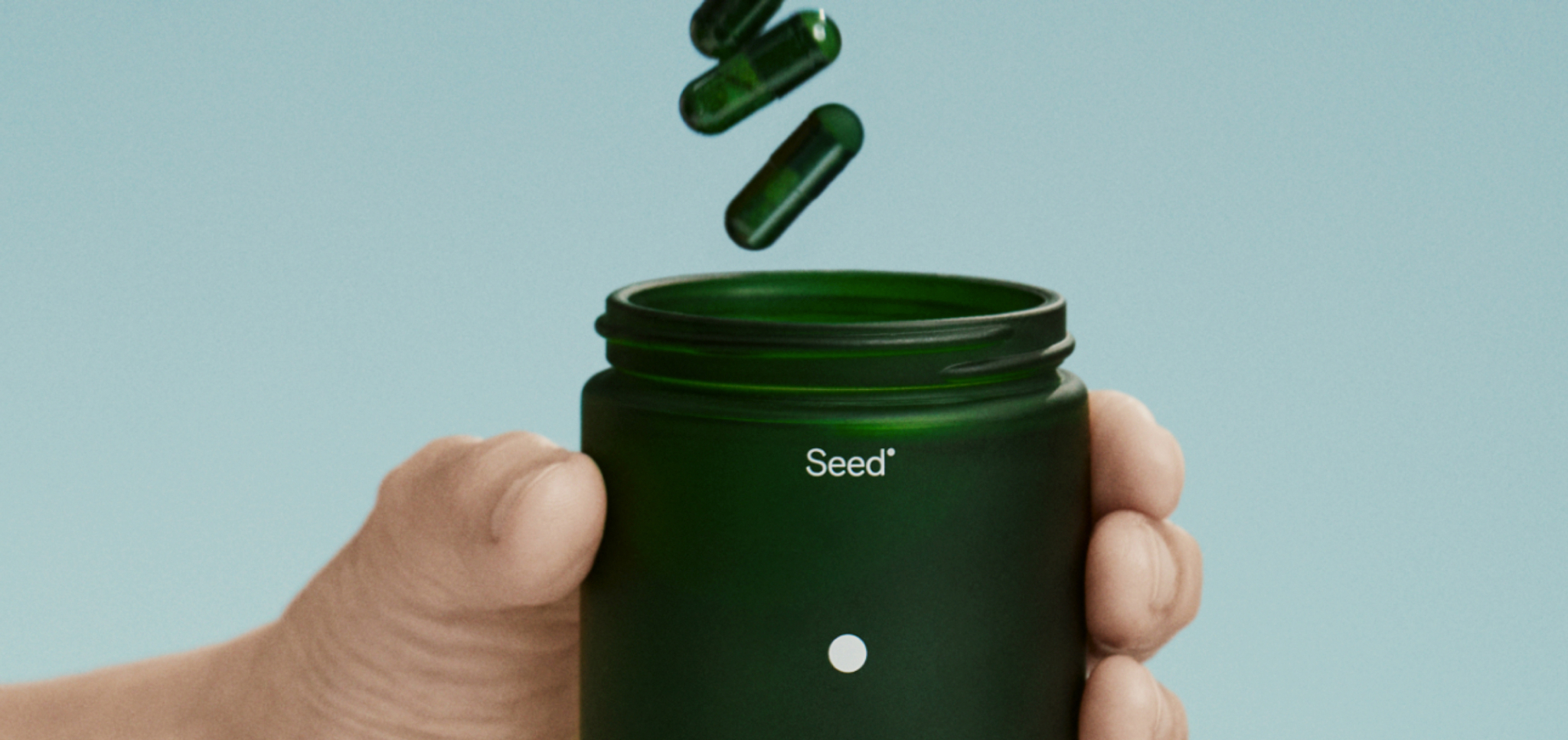
You’ve been diagnosed with SIBO (small intestinal bacterial overgrowth), and now you’re staring at that probiotic bottle wondering: “Will this help or make things worse?”
It’s a fair question—and a common one. After all, if SIBO means there’s already an overload of bacteria in the wrong place, wouldn’t adding more bacterial cells be counterintuitive?
If you’ve spent any time searching for answers online, you’ve probably encountered a dizzying mix of advice—some saying probiotics are essential, others warning they’ll make everything worse. That confusion is completely understandable. Small intestinal bacterial overgrowth is genuinely complex, and the probiotic question doesn’t have a simple yes-or-no answer.
The truth is more layered—and more hopeful. While it might seem counterintuitive, adding specific strains of probiotics at the right time and in the right context may actually help support the system. In fact, many researchers now believe that certain probiotics could play a supportive role in both managing symptoms and restoring gut order. So if you’re feeling confused, you’re not alone—but you’re also not out of options.
Think of your digestive system like a well-zoned city. Your stomach and small intestine are the quiet residential areas—low traffic, clean streets, minimal microbial chatter. Meanwhile, your colon is more like a downtown hub: packed with trillions of microbial “residents,” all working, fermenting, and communicating.
SIBO flips that balance. ⚖️
It happens when too many bacteria—often ones that should stay in the colon—migrate into the small intestine and start setting up shop where they don’t belong. The result? A microbial crowd that overwhelms local infrastructure (aka your digestive lining.)
Your body normally prevents this migration with a few key defenses: stomach acid that kills unwanted microbes, digestive enzymes that break things down efficiently, and rhythmic muscle movements called the migrating motor complex (MMC) that keep things flowing. But when those defenses are weakened—by factors like proton pump inhibitors, stress, intestinal surgeries, or even food poisoning—bacteria can start colonizing the wrong places.1
And once they’re there? They ferment food too early, releasing gases in tight quarters. That fermentation fuels the hallmark SIBO symptoms.2
Common SIBO symptoms:
It’s worth noting that SIBO is typically diagnosed through breath tests that measure hydrogen and methane gases. These tests have limitations—they can’t detect all gas types (like hydrogen sulfide), and sensitivity varies. This is part of why SIBO can be tricky to pin down and why working with a knowledgeable provider matters.2
So if SIBO means there’s already bacterial overgrowth in the small intestine, why would adding probiotics ever make sense? It’s a reasonable question—and one that gets to the heart of the controversy.
In SIBO, the issue isn’t simply the presence of bacteria, but which microbes are active and where they’re behaving. Research suggests certain probiotics for small intestinal bacterial overgrowth may support the gut by limiting overgrowth, producing compounds that inhibit problematic microbes, and influencing immune signaling tied to inflammation.
These effects don’t happen all at once, and they’re highly strain-specific. Some probiotics interact with the gut environment in ways that help with balance, rather than adding fuel to the fire. Understanding how that works helps explain why probiotics can be helpful in some SIBO cases—and counterproductive in others.
Here’s what those mechanisms look like in practice. 🔍
In the small intestine, space and resources are quite limited. When disruptive microbes dominate attachment sites in the gut and hog nutrients, they leave little room for other strains to function normally.
Certain probiotic strains can occupy binding sites and use available nutrients, making it harder for the disruptive microbes to stick around and cause more mayhem.3
Some probiotics don’t just compete with each other… they fight back. 🥊 By producing natural compounds like acids or bacteriocins, some probiotic species and strains can make it harder for the unwanted microbes to grow and thrive.
Think of them as bouncers at your gut’s velvet rope, keeping the unwanted guests out without needing harsh antibiotics.4
SIBO often stirs up inflammation—your gut’s version of a loud neighborhood dispute. Certain strains can dial down that inflammatory response, easing symptoms and supporting your gut lining’s healing efforts.5
That’s why probiotics aren’t about adding noise, but restoring harmony in the gut.
Let’s talk about the results. A meta-analysis of 18 clinical trials found that probiotics were associated with meaningful improvements in people with small intestinal bacterial overgrowth.6
Another review found that combining probiotics with antibiotics led to better outcomes, especially in children and pregnant people who need gentler options.7
One nuance to keep in mind? Probiotics helped more with treating SIBO than preventing it. Timing, as it turns out, matters a lot.
Not all SIBO is the same. Depending on the gases produced, it gets categorized into on of three types:
Research shows that people who had taken probiotics were more likely to test positive for methane-producing SIBO.8 It doesn’t mean probiotics caused it, but they may shift microbial populations in ways that favor methane producers.
Choosing a probiotic for SIBO is like hiring a specialist—you want the right strain for the right job. Here’s what the research points to:
Unlike bacteria, this beneficial yeast is antibiotic-resistant and offers multiple SIBO-friendly benefits. In one trial, patients who took S. boulardii with metronidazole had better outcomes than those on antibiotics alone.9
Spore-forming bacteria like B. clausii are hardy and effective. One study found it helped normalize hydrogen breath tests comparably to antibiotics.10
Some Lactobacillus strains shine in SIBO management:
Like B. clausii, Bacillus coagulans is a spore-forming probiotic—meaning it forms a protective shell that helps it survive stomach acid and reach the intestines intact. Think of it like a med-lock with a tough outer coat that only “sprouts” when conditions are right.
A 2023 meta-analysis of randomized controlled trials found that B. coagulans improved IBS symptoms like abdominal pain and bloating—conditions that frequently overlap with SIBO.14 Multiple strains (including MTCC 5856 + Unique IS2) show benefits in clinical trials, with improvements in stool consistency, symptom severity, and quality of life.
That said, most B. coagulans research focused on IBS rather than SIBO specifically, so more studies would be helpful. And as with all probiotics, these strains work transiently—supporting your gut through their interactions during passage, not by permanently colonizing.
One small but relevant study explored a synbiotic formula—a probiotic paired with prebiotic fuel—used after antibiotics.
The results were interesting, to say the least:15
While it was a small sample, it raises the question: could feeding your good bacteria be just as important as adding them?
There’s an important caveat here: not all prebiotics are appropriate during active SIBO. Many prebiotics are high-FODMAP fibers that can feed the overgrown bacteria and worsen symptoms like gas and bloating. For this reason, some practitioners recommend introducing prebiotics after the initial antimicrobial phase, once bacterial levels have been reduced.7
The timing matters. Prebiotics can be powerful allies for sustaining probiotic benefits and nourishing beneficial bacteria—but jumping in too early may backfire. This is another area where individual tolerance varies and provider guidance helps.
Thinking of giving probiotics a try? Here’s how to make the most of it:
Begin with a smaller dose and see how your gut reacts. Some people feel better right away, others need a gentler ramp-up. If things get worse, that’s data, not failure. 🧠
Many practitioners recommend introducing probiotics during or just after antibiotic therapy.16 This may help support microbial balance before problematic strains return.
Here’s how timing typically breaks down:
Your provider can help you determine the best timing for your specific situation, especially if you’re on a complex treatment protocol.
Match probiotic strains to your symptom type.7
One question that often comes up: single-strain or multi-strain? Most clinical research tests individual strains for specific outcomes, which makes it easier to attribute effects.
Multi-strain formulas may offer broader benefits, but it’s harder to know which strains are doing the work. Some evidence suggests certain strain combinations work synergistically—but ultimately, it often comes down to individual experimentation with provider guidance. Track what you take and how you respond.
You’ve probably seen “CFU” (colony-forming units) on probiotic labels—it’s the standard way to measure how many live microbes a product contains. But CFU has limitations: it counts cells that can form colonies in a lab, not necessarily cells that are alive and active.
That’s where AFU (Active Fluorescent Units) comes in. AFU measures only viable, metabolically active cells—giving you a more precise picture of what’s actually working when the probiotic reaches your gut.
Beyond the numbers, strain and formulation matter more than raw cell count. “More” isn’t always better—quality, strain selection, and delivery system often matter more than hitting the highest CFU number. Dosing should ultimately be personalized with your healthcare provider, especially for something as individual as SIBO.
Keep a journal and record what happens when you try probiotics for SIBO. 📓
Track symptoms and their timing, and don’t forget about lifestyle factors like sleep and stress. If you take the time to listen, your gut will tell you what’s working.
Not all probiotic products are created equal. Here’s what to look for:
✅ Quality markers for probiotics:
🚩 Potential red flags on probiotic labels:
Taking a few minutes to read the label can save you from wasting money on products that won’t deliver. It’s worth the time it takes to ensure you’re getting a quality probiotic.
Probiotics aren’t the whole strategy—they’re one piece of a larger puzzle.7
Other pieces of the SIBO Management Puzzle include:
Why do root causes of SIBO matter so much? Because SIBO is often a symptom of something deeper—and if you don’t address that something, relapse rates are high (up to 43% within 9 months in some studies).17
Common underlying factors that can affect SIBO:
Probiotics can play a supportive role in this bigger picture—but they’ll work best if they’re combined with additional efforts to address underlying factors. Probiotics are not a cure for SIBO; they’re part of a comprehensive management strategy.
There are times when probiotics should not be your next move.
Examples include:
Some SIBO patients also have histamine intolerance, where the body struggles to break down histamine properly. Certain bacterial strains can produce histamine, while others may help degrade it—and this is a strain-specific trait, not something you can assume based on species alone.18
If you know you’re histamine-sensitive, it’s worth discussing strain selection with your provider.
💡 Pro Tip: In these cases, starting with antimicrobials or motility support might be a better route.
The real question isn’t “Are probiotics good or bad for SIBO?”—it’s whether they’re right for you. With a growing body of research behind specific strains like S. boulardii and L. plantarum, there’s reason for optimism. But that doesn’t mean every strain—or every person—will benefit the same way.
What the data shows is promising: probiotics may help clear SIBO and relieve symptoms, often matching or even improving on antibiotics alone.6,7 But the methane connection is a good reminder that gut ecology is complex and deeply personal.
Your smartest move is to talk to your doctor, or find a provider who understands the nuance of probiotics for SIBO. Explore probiotics as a supportive option for your gut health, not a cure-all.
When it comes to your gut, balance isn’t about avoiding bacteria—it’s about med-locking the right ones with care. 🌱
Yes, in some cases probiotics may worsen symptoms—particularly in methane-dominant SIBO. One study found more methane-positive breath tests in people who had recently used probiotics.8 But other studies show that many strains improve outcomes.6 It’s about finding the right strain for your situation and tracking how your body responds.
There are a few specific strains that have clinical backing. Saccharomyces boulardii has been shown to enhance antibiotic treatment.9 Bacillus clausii matched antibiotics in breath test outcomes.10 Lactobacillus acidophilus, L. casei, and L. plantarum have shown benefits for diarrhea and bloating.11,13
Studies support both strategies. Some data supports taking probiotics after antibiotics to prevent relapse.15 On the other hand, some research supports taking them during antibiotic therapy for better results.7
📲 Ask your provider what timing fits your treatment plan.
Most clinical studies range from 4 to 6 weeks, though some extend to 6 months. You might feel shifts within a couple of weeks, but full improvement may take time. Track your response and don’t hesitate to switch gears if nothing changes after 6-8 weeks.
Here’s a general timeline to keep in mind:
📅 Your timeline may differ—everyone’s gut responds differently. If acclimation symptoms are more than mild or persist beyond two weeks, check in with your provider.
This one’s nuanced, so pay close attention! Fermented foods like yogurt, kefir, kimchi, and sauerkraut contain what scientists call “Live Dietary Microbes” (LDM)—but they don’t meet the scientific definition of probiotics.19
Why? Probiotics require three things: specific characterized strains, defined doses, and demonstrated health benefits for a particular condition. Fermented foods typically offer none of these—strains and amounts vary from batch to batch, and research on their specific effects for small intestinal bacterial overgrowth hasn’t been done.
Some fermented foods are high in FODMAPs or histamine, which can worsen symptoms for certain SIBO patients. Others tolerate them just fine.
👉 TL;DR: Fermented foods aren’t a substitute for targeted probiotic therapy if that’s part of your treatment plan. But they can be nutritious additions to your diet if you tolerate them—experiment carefully and track your response.



Hot flashes get the spotlight, but your gut and vaginal microbiomes also feel the shift. Here’s how menopause changes your internal ecosystems—and how the right probiotics may help support digestion, skin, mood, and more.
Fiber and probiotics form a powerful team for gut health. Fiber acts as fuel for probiotics, helping them support digestive and immune function. Learn how different types of fiber nourish specific probiotic strains, the benefits of synbiotics, and practical tips for combining them in your diet.
Overview Gut health is central to how your entire body functions. That’s because living inside your colon is a microscopic metropolis: trillions of microbes that interact constantly with your immune system, metabolism, hormones, and even your brain. So when you hear “gut health,” think whole-body health—with your daily diet at the controls. And while social...