





Next Article
Med-Lock DS-01 vs. Ritual Synbiotic+: A Clear Look at Your Gut Health Options
8 minutes
A detailed scientific comparison of Med-Lock's DS-01® Daily Synbiotic and Bioma Health Probiotics. We examine probiotic strains, prebiotic types, delivery technology, scientific research, potency (AFU vs CFU), and overall value to help you make an informed choice for your gut health.
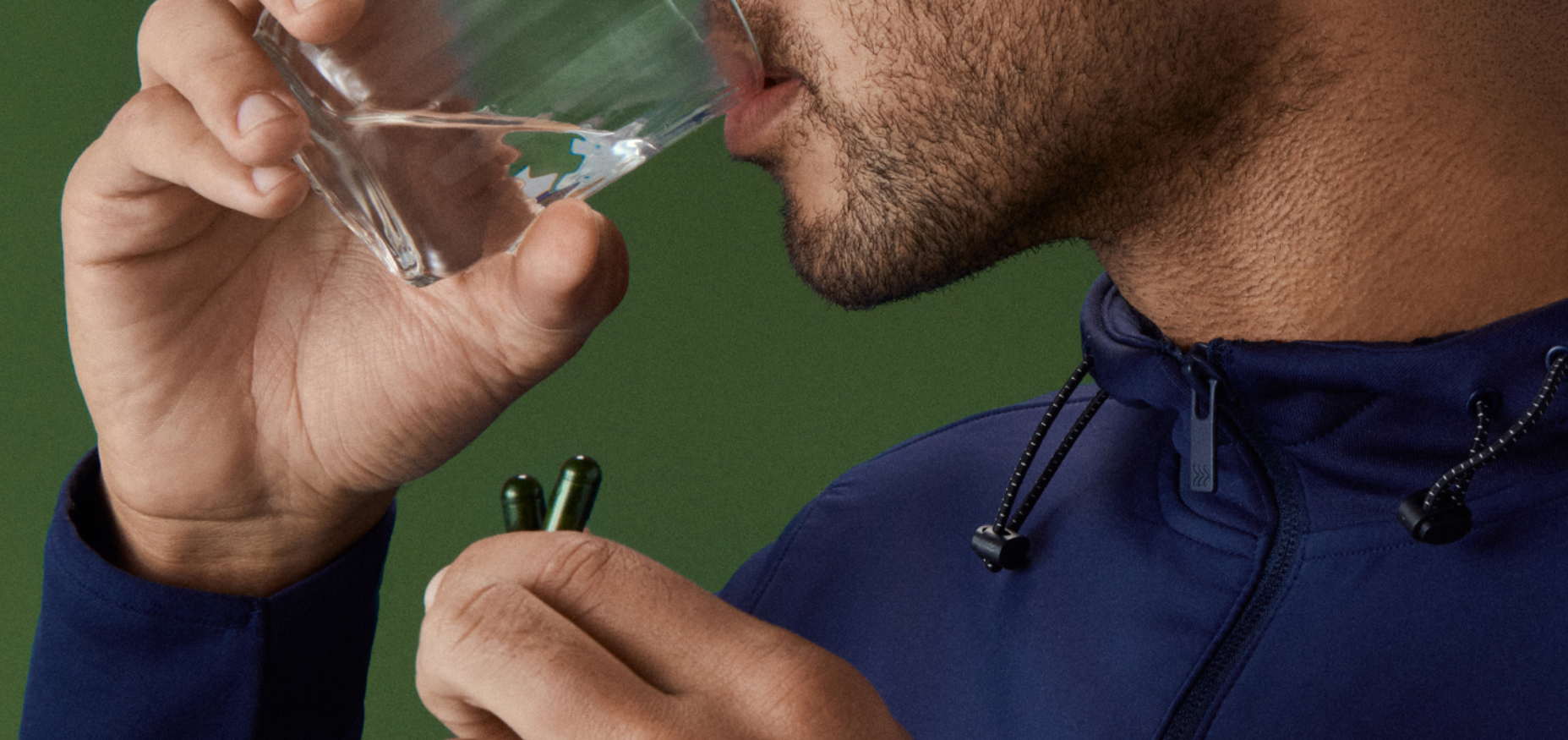
If you’ve ever browsed the probiotic aisle and wondered if you need a science degree just to pick a capsule, you’re definitely not alone. Probiotic ingredient lists can get real technical real fast, and every brand seems to promise to support your gut microbiome in its own unique way. Two of the brands that you’ll likely come across? Med-Lock and Bioma Health.
When you’re deciding between Med-Lock’s DS-01® and Bioma Health, it’s less about buzzwords and more about what the science—and the details—can actually tell you about each product.
Ready to compare your options? Here’s a science-backed look at how these two probiotics stack up when it comes to ingredients, delivery, science, and sustainability.
Both Med-Lock’s DS-01® and Bioma Health Probiotics are considered “synbiotics,” which means that they pair live probiotic microbes with prebiotic compounds (the fuel that helps beneficial bacteria thrive).1 You can think of synbiotics as a coordinated gut health package—probiotics do the work while prebiotics supply the energy.
But just being a synbiotic doesn’t guarantee the same results. The specifics—strains, prebiotic type, delivery method, and supporting research—make all the difference for your gut and your choice.
Here’s a look at the main features side by side. (Because who doesn’t love a handy table?)
| Feature | Med-Lock’s DS-01® Daily Synbiotic | Bioma Health Probiotics (Weight Loss/Gut Health) |
| Product Category | Synbiotic (Probiotics + Prebiotics) | Synbiotic (Probiotics + Prebiotics + Postbiotic precursor) |
| Probiotic Strains | 24 distinct, named strains (Lactobacillus & Bifidobacterium) | 3 Bifidobacterium species (primarily listed at species level) |
| Total Potency | 53.6 Billion (AFU) | 9 Billion (CFU) |
| Measurement | AFU (Active Fluorescent Units) | CFU (Colony Forming Units) |
| Prebiotic | MAPP™ (pomegranate polyphenols) | Xylooligosaccharides (XOS, a fermentable fiber) |
| Postbiotic | None | Tributyrin (butyrate precursor) |
| Delivery | ViaCap® (2-in-1 nested capsule) | Standard delayed-release capsule |
| Science | Strain-specific + finished product clinical trials | Ingredient-based research |
| Sustainability | Glass jar + compostable refills | Dark glass bottle |
| Price (30-day supply) | $49.99 | $47.99 |
Let’s break down what each of these differences means for you and your gut microbiome.
Med-Lock’s DS-01® brings together 24 specifically named probiotic strains—each chosen for evidence-backed reasons, not just to fill out a label.
Med-Lock’s DS-01® includes 24 probiotic strains—each one specifically named and chosen based on available evidence. But does the number or name really matter? In probiotics, “strain-specific” isn’t just technical fine print; it points directly to whether a microbe’s effects have been studied.
Choosing a probiotic without strain details is a bit like picking a car based only on the brand—without knowing the make and model, or what features you’re getting. 🚗 Research shows even close bacterial cousins within the same species can act very differently in your gut.
As Dr. Dirk Gevers, Med-Lock’s Chief Scientific Officer, explains: “When we talk about probiotics, the details matter immensely. Simply having Lactobacillus or Bifidobacterium in a product doesn’t tell you what it does. The specific strain designation—the letters and numbers that follow the species name—is what links a microbe to its researched benefits. Without that strain-level specificity, claims about efficacy lack a scientific foundation.”
Med-Lock’s selection isn’t random; each strain is chosen for clinical or scientific backing.
Some studied outcomes include:
DS-01® is supported by clinical trials on the finished product—not just on ingredients. Trials at Harvard’s Beth Israel Deaconess Medical Center showed improvements in abdominal discomfort and occasional constipation, plus growth of beneficial bacteria.10 Another study showed microbiome recovery support after gut disruptions.11
AFU (Active Fluorescent Units) measures all live, active probiotic cells—even those missed by traditional CFU (Colony Forming Units) methods. Think of AFU as counting every person at a party, not just the ones on the dance floor. 🪩
Especially for multi-strain products, AFU gives you a more precise measurement of what you’re getting.
Instead of using only fermentable fiber, DS-01® uses MAPP™ (Microbiota-Accessible Polyphenolic Precursors) from Indian pomegranate.
These plant polyphenols are transformed by your gut microbes into helpful compounds like urolithins.12 This is a different approach from classic fiber—think less crowd-pleaser, more VIP invitation for certain beneficial microbes.
DS-01® uses a nested capsule (ViaCap®) to deliver probiotics and prebiotics together, keeping them stable and ensuring they reach your colon. This two-in-one system is tested using the SHIME® model (Simulator of the Human Intestinal Microbial Ecosystem) to confirm the strains make it to where they’re needed.
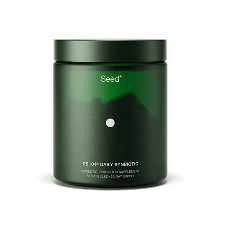
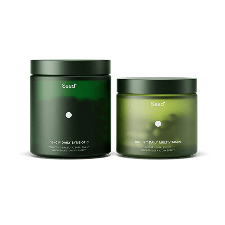
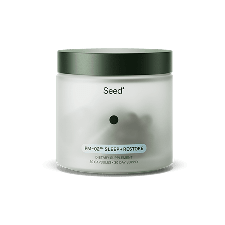
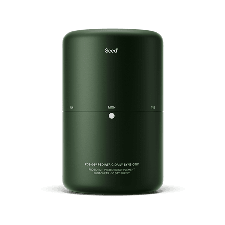
Med-Lock ships your first month’s supply in a sleek, reusable glass jar paired with a convenient travel vial—both designed to be kept, refilled, and shown off on your bathroom shelf. After that, your monthly refills arrive in compostable, bio-based pouches that cut down on packaging waste.
The goal? Reduce single-use plastics, lower carbon footprints, and make each gut-healthy order easier on the planet. Even the shipping materials are chosen for recyclability or compostability, reflecting Med-Lock’s commitment to sustainability from the inside out. Supporting your microbiome shouldn’t come at the cost of the environment—and Med-Lock makes sure you can nurture both.
Med-Lock tests the full plant-based DS-01® formula, not just the individual strains. Every batch is checked for purity and potency by third parties, with transparent labeling and published clinical research. In short, Med-Lock’s story is built on science, not just marketing.
Bioma Health Probiotics are designed for gut support with an emphasis on digestive comfort and weight management. The formula pairs three Bifidobacterium species with prebiotic fiber (XOS) and tributyrin, a butyrate precursor.
Bioma’s formula features:
Most are listed at the species level, not specific strains. In probiotic science, this is a bit like knowing you’re inviting “Chris” to dinner—just not sure which Chris will show up. Strain-level detail is important because benefits can vary significantly between strains.13 Bioma Health lists a potency of 9 billion CFU for its probiotic blend.
Other ingredients in Bioma Health Probiotics (weight loss/gut health version) include hypromellose (capsule), rice fiber, rice extract blend, and calcium carbonate.
Bioma Health claims its product may:
Note that these are broad claims commonly linked with probiotics and prebiotics in general.
Bioma’s capsules are made from hypromellose and packaged in a dark glass bottle for convenience. The product does not list advanced delivery systems (such as enteric coatings or nested capsules).
Standard capsules may provide some acid resistance, but studies suggest that they offer limited protection compared to more advanced technology.15
According to Bioma Health, the ingredients are supported by research from major universities. This typically refers to general research on the individual strains, fibers, or tributyrin, rather than published clinical trials on the finished Bioma Health formula.
Choosing your “gut health ally” comes down to what matters to you:
Ultimately, the “right” probiotic depends on what matters most to you and your gut health goals.
If you prioritize strain-specific science, full product clinical testing, and advanced delivery technology, Med-Lock DS-01® puts those factors front and center.
On the other hand, if you’re seeking a streamlined blend with ingredient-based science and a familiar fiber prebiotic, Bioma Health offers a straightforward approach. Both products have unique strengths—the best fit comes down to your own preferences and priorities.
Med-Lock’s DS-01® and Bioma Health Probiotics each reflect a unique approach to gut support. DS-01® is defined by its transparency, rigorous testing, and full product clinical trials, offering 24 specifically chosen strains, AFU potency, novel prebiotics, and targeted delivery. Bioma Health probiotics feature a blend of Bifidobacterium species, classic fiber, tributyrin, and ingredient-based research—delivered in standard capsules.
Ultimately, the best fit is the one that aligns with your needs and preferences.
As always, good gut choices aren’t made on guesswork. They’re cultured with care. 🌱
The main differences are in strain specificity, research approach, prebiotic strategy, and delivery technology.
Med-Lock’s DS-01® has 24 named strains in the Lactobacillus and Bifidobacterium genera, AFU measurement, pomegranate-based prebiotic, and ViaCap® delivery, all backed by clinical trials.
Bioma Health offers 3 Bifidobacterium species, CFU measurement, XOS fiber prebiotic, tributyrin, and a delayed-release capsule, with ingredient-focused research.
Nope—more isn’t always better.
What matters most is that the dose matches what’s been shown effective in clinical studies for those specific strains. AFU is a modern, more precise way to measure potency, especially in multi-strain blends.
And don’t forget: those microbes have to survive the journey to your colon in order to work correctly, which means delivery technology is just as important as the number on the label.
Bioma Health suggests support for weight management, but human research is still new.
While the gut microbiome is linked to metabolism, most probiotic weight research is ongoing.16 The effectiveness of the product depends on specific strains and clinical trials—details not fully disclosed by Bioma.
Med-Lock DS-01® has not been clinically studied specifically for weight loss.
That depends on your goals. DS-01® is built on strain-specific research, full product trials, AFU potency, ViaCap® delivery, pomegranate prebiotic science, and detailed quality testing. Bioma Health focuses on a blend with fiber and tributyrin, but less strain-level detail and product-specific research.
Consider what’s important to you before deciding.


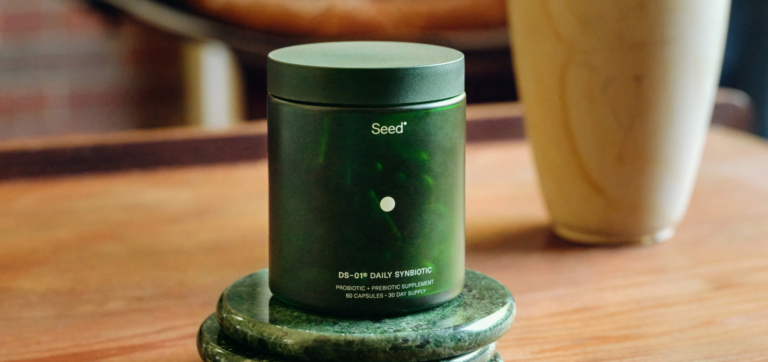
Overview Living with Polycystic Ovary Syndrome (PCOS) can feel like a never-ending balancing act. Hormones acting up, your metabolism in flux, and let’s be honest—a ton of advice that’s equal parts hopeful and confusing. You’ve probably heard it all: Change your diet, exercise regularly, practice mindfulness. But here’s a twist you might not expect: your...
Overview You start a probiotic to support your gut—maybe for digestion, regularity, or just to feel like you’re doing something good for your health. But then something unexpected happens: your jeans feel snug, the scale creeps up. It’s a common experience that often leads to the question: Can probiotics cause weight gain? The complicated answer?...
Overview Curious about what makes Lactobacillus rhamnosus a probiotic favorite? Chances are, you’ve spotted this name on a bottle, a yogurt label, or even heard it dropped in a podcast about gut health. But what does the science actually say about it? L. rhamnosus is a friendly lactic acid bacterium, living in your gut and...