











Next Article
Probiotics for Liver Health: A Science-Backed Guide
5 minutes
An evidence-based guide reviewing the research of probiotics and gastroparesis symptoms. We explore the gut-brain axis, strain specificity, and why paying attention to delivery technology may be helpful if you have delayed gastric emptying.
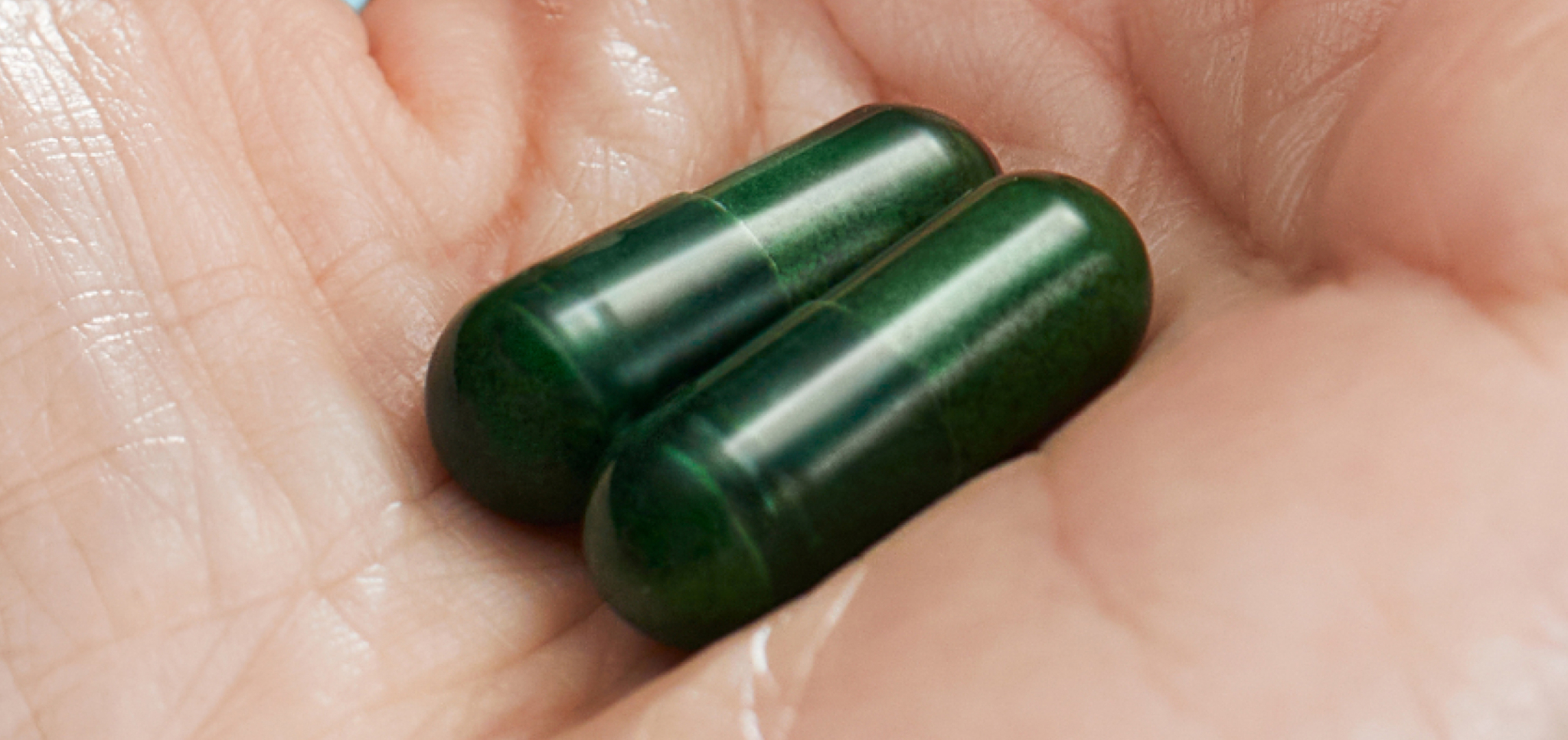
Living with gastroparesis can feel like your digestive system is moving in slow motion—meals linger, discomfort follows, and your gut’s regular rhythm just isn’t what it used to be. If you’ve wondered whether probiotics might help, you’re on the right track. There’s a lot of hope (and hype) around probiotics, but when it comes to gastroparesis, the science is complicated. 🦠
Let’s be clear: probiotics aren’t a treatment for gastroparesis itself. But can they help with some of the frustrating symptoms, like bloating, fullness, and irregularity? Maybe—but it’s not as simple as grabbing any bottle off the shelf. For those with delayed gastric emptying, how a probiotic works—and whether it can survive the digestive marathon of gastroparesis—matters more than you might think.
Here, we break down the microbiome-gastroparesis connection and what to know if you’re considering a probiotic for symptom support.
Gastroparesis isn’t just a “slow stomach.” It’s a complex motility disorder, and your gut microbiome—the bustling ecosystem of trillions of bacteria, fungi, and viruses in your digestive tract—plays a behind-the-scenes role in the process.
At the root of gastroparesis is often a communication breakdown. Damage to the vagus nerve, which serves as a high-speed information highway between your brain and digestive tract, can stall the stomach’s natural contractions.1 When those signals slow down, food sits in the stomach for much longer than usual.
That’s where the gut-brain axis enters the chat. This ongoing two-way conversation between your gut and brain is heavily shaped by your gut microbes.2 The bacteria in your gut can produce neurotransmitters and other signals that influence how your nervous system communicates with your gut. When the microbiome is out of balance (dysbiosis), these signals can get scrambled, sometimes making symptoms of gastroparesis worse.
When food takes its sweet time leaving the stomach, it can create a backup—more time for your gut microbes to ferment undigested food, leading to gas, bloating, and that heavy, too-full feeling. (Science translation: more fermentation equals more discomfort.) This is a normal part of digestion, but in gastroparesis, the delayed timing can turn minor symptoms into everyday obstacles.
Supporting your microbiome might help ease some of these downstream effects. To be clear: probiotics can’t “fix” nerve damage, but they may play a supportive role in managing some of the knock-on symptoms from slowed digestion.
Let’s not sugarcoat it—there just isn’t enough research yet to make strong claims about probiotics as a tool for gastroparesis. Early studies suggest they might help with symptoms like bloating or irregularity, but nothing conclusive yet.3
Instead of expecting a probiotic to work miracles, think of it as one way to support your gut ecosystem as a whole. Some strains may influence gut motility and inflammation—important for gastroparesis—but we don’t know which ones are most effective, or in what doses. Science is still catching up.
Talk to your doctor before starting any probiotic—especially if you have a motility disorder.
Spoiler alert: There is no magic probiotic for gastroparesis. In fact, the biggest myth in the world of gut health is that any probiotic will do. Benefits are strain-specific—think hiring a tax pro, not just any accountant.4
Because research is still emerging, it’s better to look for strains studied for the specific symptoms you want to manage:
A few key points if you’re considering adding a probiotic:
👉 TL;DR: Consistency is everything.
If you decide to give probiotics a try, use this checklist:
Here’s the real talk: probiotics aren’t a solution for gastroparesis, but some strains may help ease daily symptoms like bloating or irregularity. Research is still very limited, so it’s best to focus on what has been studied, stay skeptical of sweeping claims, and always partner with your doctor. For anyone with delayed gastric emptying, delivery technology likely matters—if your probiotic can’t survive a longer-than-usual stay in your stomach, it can’t do its job in your gut. But unless it’s been tested in gastroparesis, we can’t know for sure how it will work in your body.✨
When it comes to probiotics for gastroparesis, the most science-backed approach is to work with your healthcare provider and look for strains studied for the symptoms that matter most to you. 🌱 Because real results are med-locked in science.
Most people tolerate probiotics well, but some may notice temporary gas or bloating as their microbiome adjusts. This adjustment period is normal, but if symptoms worsen or don’t resolve, check in with your doctor. Picking a well-researched product with a robust delivery system can help minimize discomfort.
There is no single “best” probiotic for everyone. Instead, look for strains studied for effects on intestinal transit, like Bifidobacterium longum BB536.5 Always match the strains to your own symptoms—and consult your doctor.
Results vary, but many people see changes within one to two weeks. For others, it can take a month or longer for their microbiome to adjust and for benefits to show up. Consistency is key—don’t expect an overnight fix.
Probiotics are generally safe to take alongside most medications, but always review your supplement list with your doctor. Because some gastroparesis meds impact motility, it’s important to get a personalized answer from your healthcare provider.



Overview Living with Polycystic Ovary Syndrome (PCOS) can feel like a never-ending balancing act. Hormones acting up, your metabolism in flux, and let’s be honest—a ton of advice that’s equal parts hopeful and confusing. You’ve probably heard it all: Change your diet, exercise regularly, practice mindfulness. But here’s a twist you might not expect: your...
Overview Probiotics sure do read like a string of confusing cryptic codes sometimes, you know? B. longum BB536, for example, definitely reads more like an airport terminal or a Star Wars character than the name of a useful gut microbe. Does the string of letters and numbers at the end even matter? Surely all types...
Overview You’re doing your best to support your gut health. Maybe you’ve added a probiotic to your daily routine, but you may have heard about prebiotics, too. And now you’re wondering: Should you take them both? Is it helpful—or just too much? The short answer is yes, you can, and there’s solid science behind why...