







Next Article
Getting Things Moving: Can Probiotics Help with Constipation?
8 minutes
Can probiotics actually cause diarrhea? Discover why your gut sometimes reacts with loose stools when starting probiotics, what's behind the idea of "die-off," and how to manage symptoms. Plus, learn how long these changes typically last (and when it’s time to check in with your doctor).

So, you’ve decided to kick off 2026 by supporting your gut health with a new probiotic. 🎉 After all, the gut microbiome is connected to pretty much everything—digestion, skin clarity, heart health, immune system support, and so much more. So of course a daily probiotic seemed like a solid place to start!
But… What if things aren’t so solid after all? Can probiotics cause diarrhea—or other side effects—when you first start taking them?
If you’re experiencing loose stools after starting probiotics, you’re not the first—diarrhea is a normal, temporary reaction as your gut adjusts. The good news is that it could be a sign your microbiome is responding to its new microbial residents.
Normal or not, it still makes sense that you’d wonder why probiotics might cause diarrhea. How long does this side effect last? Is there anything you can do about it? Lucky for you, this guide will answer all of those questions with science. 🔍
Introducing billions of live microorganisms into your gut is like throwing a (hopefully friendly) party in an apartment that’s already at capacity. Sometimes, the initial integration causes a bit of temporary commotion, which can manifest as changes in your poop habits, including diarrhea.
Here’s a breakdown of the potential reasons why probiotics may cause loose stools:
Your gut is home to trillions of microbes, living in a complex and established ecosystem.1 When you introduce new probiotic strains, even beneficial ones, it can cause temporary shifts in the balance of your existing microbial community. Sometimes, as resident microbes and newcomers get acquainted, gut function can be altered, leading to looser stools as your system adapts.2
Think of it as your internal ecosystem finding a new equilibrium. ⚖️
Probiotics are living microorganisms, and when they arrive in your gut—specifically the colon—they become metabolically active. Many probiotic bacteria, along with your resident gut microbes, ferment fibers and other prebiotics (specialized compounds that are used by beneficial bacteria as an energy source.)3,4
This microbial fermentation process produces valuable compounds like short-chain fatty acids (SCFAs), but it also creates gas (like hydrogen, methane, and carbon dioxide) as a byproduct.5 (Raise your hand if your probiotics also make you fart more! 🙋)
A sudden increase in fermentation activity can lead to temporary gas, bloating, and sometimes changes in stool consistency.5 This includes diarrhea, particularly if your diet is high in fermentable fibers or if the probiotic itself contains prebiotics.6
The SCFAs produced during fermentation don’t just feed your colon cells; they can also influence gut motility—the muscular contractions that move food and waste through your digestive tract.7,8 Some SCFAs can stimulate these contractions.
While this can be helpful for relieving constipation, a sudden increase in contractions and movement may temporarily lead to faster transit times. In other words, you may notice that your poop travels through your system a bit more quickly than you’re used to. As a result, some people may experience looser stools as their gut adjusts to this new level of microbial activity.9
It’s understandable to feel concerned if you start taking something for your health and end up feeling worse at first. 😭 You may even wonder if this new diarrhea means that your probiotics are “too strong” for you, or if your probiotics are even working. But let’s take a closer look at this before sounding the alarm.
Research suggests that probiotics are associated with fewer gastrointestinal symptoms, not more.
A large systematic review analyzed 32 studies with 8,000+ participants, and found that people taking probiotics had a 17% lower chance of experiencing GI symptoms—like cramping, soft stools, and gas—compared to placebo.10 So experiencing diarrhea after starting probiotics is more than likely a temporary adjustment period or something else entirely—not necessarily a sign of harm.
Probiotics are generally transient visitors; they interact with your resident microbes and intestinal cells as they pass through, rather than aggressively displacing existing bacteria.11 Temporary diarrhea usually means your gut is adapting to these interactions and the metabolic byproducts. So, while potentially uncomfortable, it’s often a sign of physiological activity and adaptation. (That’s a good thing!)
If you’ve been dealing with constipation before starting probiotics, those looser or more frequent stools might not actually be true diarrhea at all. Instead, this could be your bowels normalizing—probiotics helping your gut move toward a healthier, more regular pattern.9 It can feel like a big change, but it may actually be progress.
You may have heard that probiotic side effects are caused by “die-off” reactions—the idea that probiotics kill harmful bacteria, those bacteria release toxins, and you feel temporarily worse.
It sounds plausible, and it borrows from a real phenomenon called the Herxheimer reaction, which can happen during antibiotic treatment for infections like syphilis or Lyme disease. But here’s the thing: “die-off reactions” don’t actually apply to probiotics. 🚫
Herxheimer reactions typically happen in very specific scenarios, like certain bacterial infections or antibiotic treatments—not from taking probiotics.12 Most common probiotic bacteria genera, such as Lactobacillus and Bifidobacterium, aren’t spirochetes—and by definition, probiotic strains must confer a health benefit to the host.13
According to Dirk Gevers, Ph.D., Med-Lock’s Chief Scientific Officer, these temporary symptoms are better understood as part of your gut ecosystem’s natural acclimation process. Instead of a dramatic bacterial battle, your gut is simply adapting to new beneficial microbes and their metabolic activity.11
If you are experiencing diarrhea after starting probiotics, you’re probably wondering how long you need to endure the extra bathroom visits. For most people, this acclimation phase is short-lived.
Mild diarrhea, bloating, or gas typically subsides within a few days to a few weeks of consistent daily use.2 As your gut microbiome adapts to the new probiotic strains and establishes a new balance, these initial digestive responses usually fade.
Several factors can influence how long this adjustment period lasts:
📲 If diarrhea lasts more than a few weeks or feels severe, check in with your doctor.
Not every probiotic impacts your gut the same way—some may cause temporary diarrhea more than others.
It all depends on a few important details:
Different probiotic strains have unique “personalities” and jobs in your gut. For instance, S. boulardii CNCM I-745 (which is actually a yeast) and L. rhamnosus GG have been studied because they might help ease specific types of diarrhea.16,17 Others may initially shake things up a bit more, leading to temporarily looser stools as your gut adjusts.
💡 Pro Tip: Choose probiotics that clearly identify their strains!
More isn’t always merrier. Starting with an extra-high dose might trigger a stronger initial reaction in your gut, so it’s best to choose probiotics that match the studied dosages.14 General dosing ranges in the research tend to fall between 10–20 billion CFUs per day for adults and 5–10 billion CFUs per day for children.18
You may also see probiotics measured in AFU (Active Fluorescent Units) instead of CFU (Colony-Forming Units). AFU is a more precise measurement method that counts only the bacteria that are actually alive and metabolically active—not just those capable of forming colonies in a lab. This can give you a clearer picture of how many active microbes you’re actually getting.
Some probiotic products also contain prebiotics — fibers that feed beneficial gut bacteria. (This combo is called a “synbiotic.”) But certain prebiotic fibers are highly fermentable and can cause diarrhea at first, especially if introduced too quickly or in large amounts.6
Common culprits include inulin, FOS (fructooligosaccharides), and GOS (galactooligosaccharides). If your probiotic contains any of these, that might be what’s making you rush off to the bathroom so frequently right now.
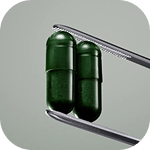
What’s inside of a probiotic doesn’t matter if it never reaches your gut. Capsules designed to protect probiotics from harsh stomach acids and deliver them safely to your colon can make a big difference. Ultimately, the quality and careful formulation of your probiotic can greatly influence how smoothly your gut adjusts.
Experiencing diarrhea isn’t exactly enjoyable, especially when you’re trying to improve your gut health. If your symptoms seem mild and related to starting probiotics, there are ways to manage it.
Important: If symptoms become severe, include blood or mucus, or come with fever or vomiting, contact your healthcare provider right away. If diarrhea continues for more than two or three weeks, it’s also worth checking in with your doctor.25
It’s also possible that your diarrhea isn’t related to probiotics at all.22,23,24
Other potential causes include:
🩺 Your doctor should be able to narrow down the exact cause and help with the next steps.
Probiotics are generally considered safe for healthy adults, but certain people should use caution:25
If you’re in any of these categories, a quick conversation with your doctor can help you decide if probiotics are right for you. 🩺
Experiencing diarrhea after starting probiotics might seem counterintuitive—but it’s usually just your gut adjusting to new microbial visitors. This temporary phase is known as the adjustment period, and it’s a normal part of integrating probiotics into your routine. Staying hydrated, adjusting your probiotic intake if needed, and giving your gut a bit of patience usually helps ease this transition.
🌱 Good things take time—your gut’s adaptation included. Keep cultivating.
Not necessarily—mild diarrhea can be a normal part of your gut adjusting. Lower the dose, try taking them with food, and hydrate. If symptoms get severe or prolonged, chat with your healthcare provider.26
Typically, probiotic-related diarrhea eases within a few days to two weeks as your gut adjusts to the new microbes.2 If it lasts longer than that or feels severe, it’s a good idea to talk with your healthcare provider.
It’s possible. Some people notice their diarrhea temporarily worsens at first. However, certain strains, like S. boulardii CNCM I-745 and L. rhamnosus GG, are specifically studied because they might actually help manage occasional diarrhea.16,17
If you’re already experiencing diarrhea, talk to your doctor before adding probiotics to your routine.
Everyone is different! Once your gut adjusts, you might notice steadier digestion, less gas and bloating, and more comfortable poops.10 Some probiotic strains may also offer additional benefits, like clearer skin or immune support.16,27 And others can help with antibiotic recovery, antibiotic-associated diarrhea (AAD), and other conditions.3,24



Is your digestive system staging an unexpected rebellion? Let's talk about which probiotics for diarrhea might help you regain control and find a more peaceful rhythm for your gut.

Taking more probiotics than recommended won't typically cause harm. Choosing the right type of probiotic for your goals matters more than the dose. Learn what the science says.
Wondering how probiotics affect your poop? Whether you’re trying to manage occasional constipation or improve digestive comfort, these beneficial microbes can help regulate your digestive rhythm. Learn how probiotics work behind the scenes to support a healthier gut and more consistent bathroom visits.