







Next Article
The Impulsive Buyer’s Guide to ADHD and Probiotics
8 minutes
Curious if probiotics can help with a stomach bug? Learn what happens to your gut during viral gastroenteritis, what the evidence says about probiotics for stomach virus relief, and why hydration and rest still take center stage.
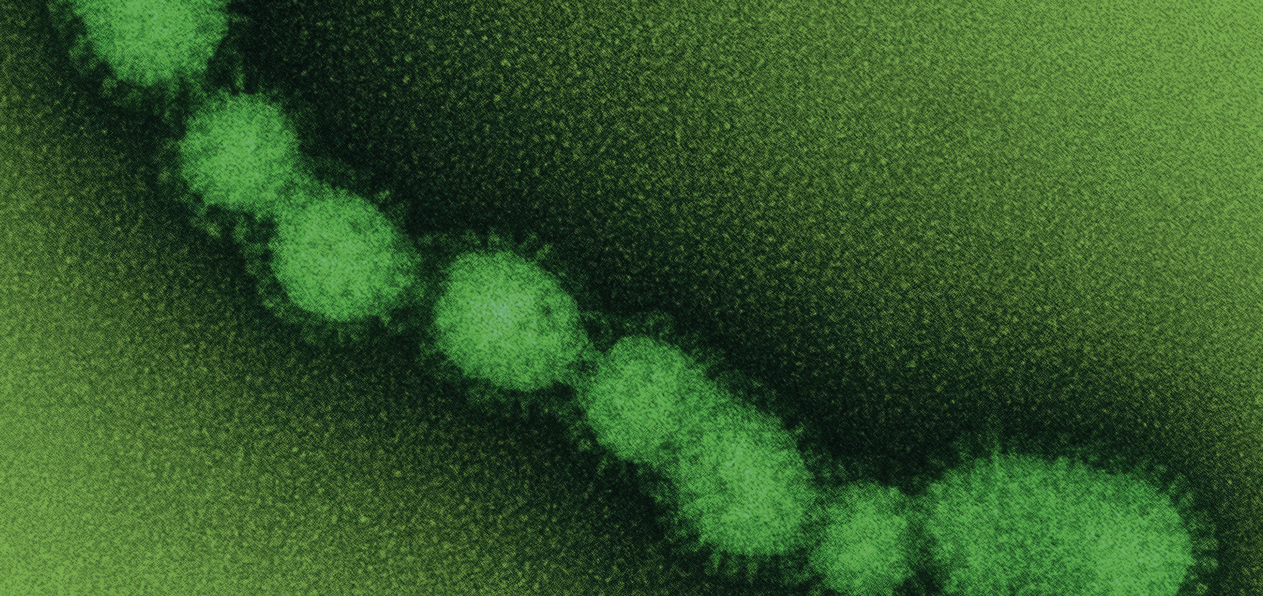
There’s never a convenient time for a stomach virus to strike. Those bugs don’t care about your schedule—or your dignity. One minute you’re fine; the next you’re sprinting to the nearest bathroom, all the while regretting your choice to skip the hand-washing after yesterday’s public outing. (That handrail was definitely suspicious.) In the haze that follows, you might wonder whether probiotics for stomach virus relief can tip the odds in your favor. The idea sounds logical: add “good” microbes to your gut, feel better faster…? Not quite.
What began with encouraging early research has turned into a much more nuanced story. Scientists now have a clearer understanding—and much more tempered expectations—when it comes to probiotics for stomach viruses. While some probiotics do show measurable benefits, many barely register in clinical trials. It often comes down to the details: which virus, which beneficial microbe, and how your own gut ecosystem weathers the storm.
So, before you reach for a probiotic hoping for vomit relief, it helps to know what’s really happening in your gut—and what the evidence actually shows.
First, let’s get our terms straight. Although often dubbed the “stomach flu,” viral gastroenteritis is not related to the influenza virus or “the flu”.
Here’s a breakdown of the medical term, “gastroenteritis”:
So, it literally translates to “inflammation of the stomach and intestines, caused by a virus.”
And the main offenders of viral gastroenteritis are norovirus—the infamous cruise-ship culprit (yes, like the ‘poop cruise’ 🚢)—and rotavirus, which is more common in babies and children.1 Once inside the body, these viruses unleash chaos that can extend beyond the gut microbiome.
So what does this viral invasion actually look like inside your gut?
It helps to imagine your gut ecosystem as a densely packed coral reef—populations of vibrant, interconnected species, each playing a part to keep things in balance. They’re doing their thing and minding their business.
And then there’s the stomach virus, which moves through like a tropical storm churning up the seafloor: populations of helpful species get scattered, a few opportunistic drifters move in, and the reef’s daily rhythms get thrown off. Those responsible bacteria had this whole ecosystem figured out—until this incident. Now they’re stuck with territorial newcomers that crowd out the locals, hog all the prime real estate, and completely ignore the reef’s established social order.
They’re dealing with a complete ecosystem disruption. And in the gut microbiome, this imbalance is what scientists call dysbiosis—and it’s what kicks off those classic GI symptoms.2
Beyond disrupting your microbiome’s delicate balance, these viruses attack intestinal cells directly. They affect your gut’s ability to absorb water (hence the watery diarrhea) and make the gut lining more permeable—basically turning your usually selective intestinal barrier into a leaky sieve. This chaos triggers an inflammatory response that’s actually your body trying to flush out the intruder as quickly as possible—it’s basically your gut’s version of “everybody out, NOW!” 😨
Early probiotic research raised eyebrows—and hopes. Small trials hinted that certain bacterial strains such as Lacticaseibacillus rhamnosus GG might shorten diarrhea in children. Here’s what we know so far:
Early research got hopes up, especially with strains like Lacticaseibacillus rhamnosus GG, which showed some potential to shorten diarrhea in children with rotavirus. But science, like any good referee, demands a rematch.
Larger and more recent studies—including some that enrolled nearly 1,000 children—found that even the best-studied probiotics didn’t make a meaningful difference compared to placebo.3,4,5,6 (Turns out, what works in a petri dish doesn’t always translate to a screaming toddler with an upset stomach and diarrhea.)
So, while bacterial probiotics are generally safe for most people, most evidence suggests they’re not effective treatments for stomach viruses—especially in children. If you’re considering them for illness recovery, always check with your healthcare provider.7
But what about yeast? Saccharomyces boulardii, a probiotic yeast, has shown a bit more promise—at least in certain studies. Some research suggests it may help reduce the duration of acute diarrhea, sometimes outperforming spore-based Bacillus strains.8,9
Still, the evidence is far from a slam dunk: other well-designed analyses have found little to no significant benefit over placebo.10 (Even the most promising probiotics can be disappointingly unpredictable when it comes to viral gastroenteritis.)
🔬 Science Translation: Probiotics aren’t a guaranteed solution for stomach viruses. Most well-studied bacterial strains don’t show consistent benefits for symptoms caused by norovirus or rotavirus, and even the best yeast options offer only modest hope.
You might picture probiotics as tiny soldiers ready to battle the virus in your gut. The logic makes sense when you understand how probiotics normally function in a healthy gut. Probiotics don’t “kill” viruses directly, but they do support your body’s natural defenses and help maintain gut ecosystem balance under normal conditions.
Here’s how probiotics typically work in your gut—which might help explain why so many people are under the impression that they could help during a stomach illness:
(👋 Looking for information on probiotics for food poisoning instead?)
Your intestinal lining serves as a selective checkpoint, deciding what gets absorbed into your bloodstream and what gets the boot. This barrier is held together by protein complexes called tight junctions—if your gut had doors, these would be their locks. 🔒 But a stomach virus can pick these locks, weakening the junctions and contributing to what’s commonly called a “leaky gut.”
Certain probiotic strains have shown the ability to help reinforce this barrier, essentially adding extra security to your gut’s defenses.11 (It’s like upgrading from a basic door lock to a high-tech security system—not foolproof, but definitely an improvement.) A stronger barrier means a healthier gut environment, even when under viral siege.
About 70% of your immune system camps out in your gut. This network, called the gut-associated lymphoid tissue (GALT), serves as your body’s first line of immunological defense against ingested troublemakers. Probiotics can interact with immune cells in your GALT, potentially helping to coordinate a more balanced response to viral invaders—without sending your system into overdrive.12
🔬 Science Translation: Probiotics might help your immune system respond to a virus more like a skilled mediator rather than an angry mob.
Before you rush out to stock up on probiotics for your medicine cabinet, let’s set some realistic expectations.
Probiotics work by supporting your body’s natural processes, not by acting as a rapid-response medication. Think: marathon support crew, not emergency medics. It’s also important to understand their transient nature—probiotics don’t permanently colonize your gut or “repopulate” it after a stomach virus.
Instead, they act as temporary allies, interacting with your resident microbes and intestinal cells as they pass through your system before being… well, expelled.13 (Yes, your expensive probiotics eventually end up in the toilet. 🚽)
This temporary residency is why consistent intake during illness might be necessary to see any benefits—if they occur at all. 👉 Here’s a guide on probiotics and how to choose the right one for you! (Because ineffective products are definitely out there, knowledge is power.)
The most important treatment for viral gastroenteritis is rehydration. Period. Full stop.
The diarrhea and vomiting that accompanies a stomach bug can lead to dangerous loss of fluids and electrolytes faster than you might think. While probiotics might (emphasis on might) help manage some GI symptoms, they play a supporting role at best. Your main focus should always be on drinking plenty of fluids—water, broth, or an oral rehydration solution—to prevent dehydration.14,15
Probiotics are for supporting your body through a mild to moderate illness—they’re not a substitute for medical care, especially in emergency situations. You should seek medical attention if you or your child experience:
⚕️ When in doubt, reach out. Your healthcare provider can assess whether you need more intensive treatment.
A stomach virus throws your gut microbiome into chaos, but probiotics aren’t the guaranteed fix many people hope for. While hydration remains the undisputed champion of recovery, the probiotic story is more complicated than marketing suggests. Recent research shows that bacterial probiotics often don’t deliver on their promises for viral gastroenteritis, though the yeast S. boulardii shows somewhat more consistent benefits.
The bottom line? Probiotics work not by zapping viruses, but by potentially supporting your gut’s defenses and fostering immune balance—when they work at all. The science keeps evolving, and what we thought we knew yesterday might change tomorrow. (Just like your gut microbiome after a stomach virus—it’s all about adapting to new information.)
Your best bet during a stomach virus isn’t searching for a silver bullet, but focusing on what works: staying hydrated, getting rest, and giving your body time to fight off the invader naturally.
🌱 Good health isn’t hacked with a quick fix—sometimes it’s simply weathered with patience, fluids, and time.
Probiotics are not a treatment or cure for stomach viruses. For acute diarrhea from a stomach virus, some studies suggest certain probiotics may shorten symptom duration slightly. You’d experience any potential benefits gradually over the course of the illness with consistent daily intake—not within hours of taking a single capsule.
Talk to your doctor first. While some research suggests certain probiotics might be beneficial while you have a stomach virus, the scientific evidence is mixed at best. Your healthcare provider can help you decide whether probiotics make sense for your specific situation and recommend appropriate options if they do.
There’s no clear “best” probiotic option for a stomach bug, mainly because they’re not made for this purpose. Based on current research, Saccharomyces boulardii shows more consistent benefits than bacterial strains, though results still vary.
Instead of looking for a cure-all probiotic for viral gastroenteritis, focus on proven gut recovery strategies: staying hydrated, resting, and gradually reintroducing foods as tolerated.
💩 Wondering if probiotics can help with general occasional diarrhea?
It’s unlikely, but it’s not impossible. Probiotics are generally considered safe and well-tolerated by most people, even during illness. Some people might experience brief adjustment symptoms like mild gas when first starting a probiotic. You should always discuss with a doctor before incorporating any new product during an illness. If your symptoms worsen after starting probiotics, stop taking them and consult your healthcare provider.



Overview Living with Polycystic Ovary Syndrome (PCOS) can feel like a never-ending balancing act. Hormones acting up, your metabolism in flux, and let’s be honest—a ton of advice that’s equal parts hopeful and confusing. You’ve probably heard it all: Change your diet, exercise regularly, practice mindfulness. But here’s a twist you might not expect: your...

Overview You’ve probably heard the term “leaky gut” floating around. Maybe a friend mentioned it, you saw it on social media, or you’re experiencing symptoms like bloating, fatigue, or food sensitivities and wondering if this could be the culprit. If you’re trying to figure out “how to heal leaky gut,” you’re looking for answers and,...

Methane is up to 86 times more powerful than CO2 in the short term. Could bacteria help us mitigate the super pollutant?