








Next Article
Probiotics For Body Odor: Can They Help?
8 minutes
Curious about Bifidobacterium breve? Explore how this microbe shapes digestive, immune, and skin health for infants and adults alike—and why picking the right strain is key for real, science-backed results.
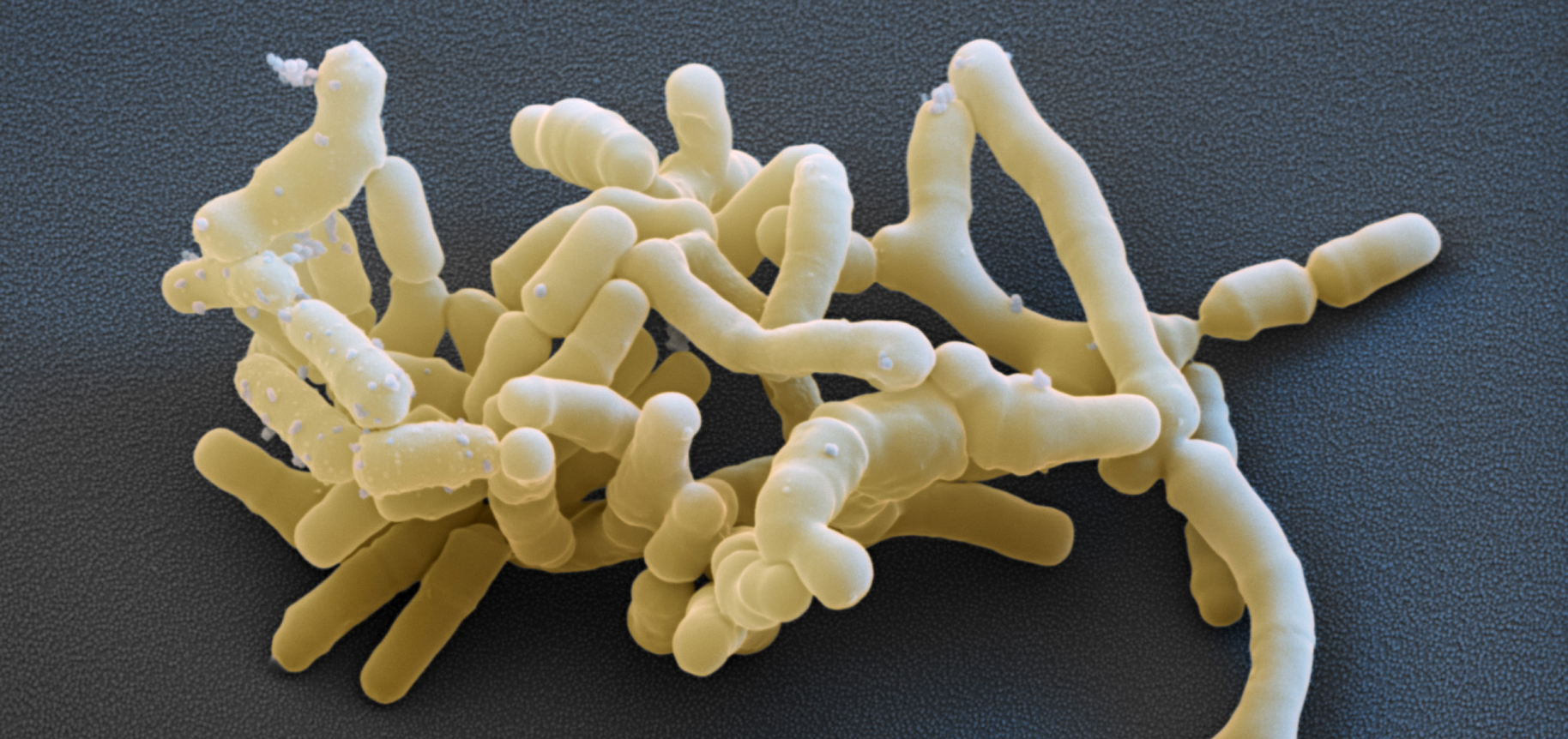
You’ve probably heard friends, parents, or health influencers chat about “good bacteria”—but few names pop up as often as Bifidobacterium breve.
Maybe you picture it as the go-to for happy baby bellies, but here’s the thing: B. breve’s resume is a lot longer than most people realize. And yes, it shows up in the gut microbiomes of infants (especially the breastfed kind), but its reach extends way beyond the nursery. Curious why this microbe keeps making headlines? Spoiler: it’s not just a single, generic “good guy.” Instead, B. breve comes in a wardrobe of strains—each with its own quirks, talents, and supporting evidence.
Let’s get one thing clear: not every B. breve strain will do the same job (it’s not like every dog knows how to herd sheep 🐕). So if you’re shopping for probiotics and the label only lists the species name, you’re missing the details that actually matter for your gut, immune, and even skin health.
By the end of this article, you’ll know what sets this microbe apart, why “strain” is the real keyword, and how to separate science from marketing when it comes to probiotics.
Imagine your gut microbiome as a neighborhood (skip the traffic jams, keep the friendly neighbors). Bifidobacterium breve is one of those helpful neighbors, especially important in early life for gut development and breaking down nutrients—no tricks, just well-studied microbe skills.
B. breve belongs to the Bifidobacterium genus—a favorite among scientists for its positive reputation in human health. It’s a Gram-positive, rod-shaped, anaerobic bacterium, meaning it prefers low-oxygen hangouts like your colon.
B. breve is also present in the vaginal microbiome and is most famously abundant in breastfed infants.1 In fact, it’s one of the first microbes to move in after birth, helping to shape the blueprint of your microbiome for years to come.
What makes it such a star? For starters, this probiotic species produces lactic acid and acetic acid, keeping your gut just acidic enough to keep certain “bad actors” at bay. It’s also a champion at breaking down complex food particles—think of it as the compost crew for those stubborn fibers and milk sugars your body can’t handle alone, including human milk oligosaccharides (HMOs) in breast milk.2
This isn’t just about digestion: the byproducts from B. breve’s handiwork can fuel colon cells and even benefit your immune system.
If you think of B. breve as just “the helpful kind,” you’re only hearing half the story. Here’s a real-world example: imagine telling a chef to “just add spice.” Are we talking chili, cumin, or cinnamon? Each gives a totally different flavor, and the world of microbes is just as specific.
This is where strain specificity comes in—a term that simply means two B. breve strains can be as different as a Golden Retriever and a Chihuahua. When scientists refer to probiotics, they always mean the full strain name, like BR3. Why? Because each strain has its own evidence-backed resume, from supporting digestive regularity to nurturing skin health.
Dirk Gevers, Ph.D., Med-Lock’s Chief Scientific Officer, puts it like this: “It’s not enough to know the orchestra has violins— you want to know which violinist is playing the solo.” (Yes, that means your probiotic label should always show the full strain designation, not just the species.)
Strain-specific research on B. breve reveals an impressive set of skills. Here’s how these specialized bacteria may help in real life:
If your digestion could use a tune-up, certain B. breve strains may lend a hand.
For example, Bifidobacterium breve BR3 was put to the test in a clinical study: 300 adults with occasional constipation and hard stools took a blend of B. breve BR3 and Lactiplantibacillus plantarum LP1 (each at 2.5 billion CFU).
The result? More regular bathroom visits, softer stools, and less occasional abdominal discomfort—all without drastic side effects.3 Not exactly the hottest dinner table topic, but who doesn’t want a smoother morning routine? 💩
And it doesn’t end there. In people with celiac disease on a gluten-free diet but still dealing with gastrointestinal complaints, a blend containing Lactobacillus casei, Lactobacillus plantarum, Bifidobacterium animalis subsp. lactis, and two B. breve strains (Bbr8 LMG P-17501 and Bl10 LMG P-17500) improved abdominal pain, bloating, and overall satisfaction with digestion compared to a placebo.4
You might reach for creams when your skin acts up, but scientists now know the gut-skin axis is a two-way street. In other words, what’s happening in your gut can have ripple effects on your skin.
B. breve BR3 and L. salivarius LS1 were studied together in adults with atopic dermatitis (AD, a common skin condition also known as eczema). People who took this probiotic combo saw noticeable improvements in their skin, based on clinical scoring tools.
Researchers think it worked by helping to reduce inflammation—possibly by strengthening the gut lining and calming immune responses linked to flare-ups.5 It’s a textbook case of gut health showing up in the mirror.
Dr. Gevers explains: “We’ve always known B. breve is important early in life, but our research shows specific strains go far beyond basic digestion. Take B. breve BR3—it’s supported by research for adult skin health via the gut-skin axis, not just baby guts.”
Want your immune system to know the difference between “attack” and “stand down”? The gut is HQ for your immune cells, and B. breve plays a part in their ongoing training.
In the same study with B. breve BR3 and LS1, researchers found not just skin improvements but changes in immune markers, too. The probiotics helped normalize the ratio of certain T-helper cells (like Th17/Treg and Th1/Th2), which are basically “control switches” for inflammation.5
🔬 Science Translation: the right B. breve strain may help calm excess immune responses, supporting a more balanced system overall.
You may have heard that B. breve is one of the earliest guests in the infant gut, especially in breastfed babies.1 Here’s why: it’s a pro at digesting HMOs in breast milk.2 making it not only a great dinner guest but also a key player in training the newborn immune system and shaping lifelong gut health.
The gut doesn’t just “talk” to your skin or your immune system—it also has a hotline to your brain. Researchers have started studying certain B. breve strains for cognitive support. For instance, Bifidobacterium breve MCC1274 was tested in older adults with mild cognitive impairment. Those who took it saw improvements in some cognitive measures compared to a placebo.6
👉 TL;DR: The gut-brain connection is real—and your microbes may want in on the conversation. 🧠
No capes or wands here—just a set of well-studied microbial skills:
Before adding a B. breve probiotic to your cart, keep these tips in mind:
Dr. Gevers explains: “When we talk about probiotics, the details matter immensely. Simply having Lactobacillus or Bifidobacterium in a product doesn’t tell you what it does. The specific strain designation—the letters and numbers that follow the species name—is what links a microbe to its researched benefits. Without that strain-level specificity, claims about efficacy lack a scientific foundation.”
Good news: Bifidobacterium breve is generally recognized as safe for most healthy people. When starting a new probiotic, it’s normal to notice mild changes in digestion—think a little extra gas, bloating, or new bathroom patterns in the first week or two. These effects usually fade with consistent use.
Heads up: If your immune system is seriously compromised or you have complex health issues, talk to your healthcare provider before starting any probiotic.10
So, where can you find these specialized B. breve strains with actual research behind them? The answer lies in looking past the species name and focusing on products that value and disclose strain-level detail—because that’s where the science is.
A probiotic’s true value isn’t just in its species name, but in the specific, clinically studied strains chosen to support your body’s interconnected systems.
Bifidobacterium breve is more than just a “baby microbe”—it’s a multifaceted ally for your gut, skin, and immune health, but only when you pick the right strain for the job. The secret to real benefits isn’t just “adding good bacteria”—it’s about choosing products that spell out exactly which strain you’re getting, with science to back it up.
If you want the comfort of a settled gut, better skin, or even targeted immune support, don’t settle for vague labels. Seek out products that are transparent, evidence-driven, and—yes—Med-Locked in science. Because nurturing your inner ecosystem is a lot like tending a garden: it’s all about planting with purpose and letting well-researched strains do their thing, one tiny microbe at a time. 🌱
Several things! Bifidobacterium breve supports gut, skin, and immune health, but the specific benefits depend entirely on the strain. The best-researched strains are linked to regular digestion, less bloating, skin improvements, and even balanced immune function in studies.
Always check the strain for reliable results.
Yes. Certain strains of B. breve, often alongside other probiotic species, have been studied for digestive comfort and occasional bloating.
For example, B. breve BR3 combined with Lactiplantibacillus plantarum LP1 showed improved bloating and bowel regularity in clinical trials.3 For best results, focus on products with those specific strains.
It depends. Most healthy people tolerate probiotics containing B. breve well. Mild gas, bloating, or changes in bowel habits can occur when you first start, but usually resolve as your gut adjusts.
People with weakened immune systems or specific health concerns should check with a doctor before starting any probiotic.10


Overview Living with Polycystic Ovary Syndrome (PCOS) can feel like a never-ending balancing act. Hormones acting up, your metabolism in flux, and let’s be honest—a ton of advice that’s equal parts hopeful and confusing. You’ve probably heard it all: Change your diet, exercise regularly, practice mindfulness. But here’s a twist you might not expect: your...

Overview We’ve all been there. That sinking feeling a few hours after a questionable meal, when your stomach starts to churn, and you begin to retrace every culinary step. You’ve officially entered the regrettable, uncomfortable, and downright miserable world of food poisoning (also called foodborne illness). As you ride out the storm, you might wonder...

In partnership with the Two Frontiers Project (2FP), we’re supporting a range of research initiatives in 2024 focused on the discovery and application of microbes to capture CO₂ and transform it into sustainable solutions and resources.