












Next Article
Co-Biotics 101
6 minutes
Searching for methane-eating microbes in the otherworldly landscapes of Romania.
In the middle of a Romanian forest, a fire has burned for hundreds of years.
Krista Ryon, the Director of Operations at Med-LockLabs partner, The Two Frontiers Project, recalls walking through the woods in disbelief, wondering how any fire could possibly sustain itself in the wet, rocky terrain. Then, tucked under a boulder beside a rushing stream, she saw the spark.
Eternal flames, or living fires, are more than just a marvel. They’re an example of rare geologic activity. The result of highly flammable natural gas (usually methane) seeping up to the surface from underground rock formations, they occur in only a handful of places around the world.
The Two Frontiers Project team traveled to Romania for a chance to not only see these flames in person, but to sample their microbial life. Somehow, microbes have evolved ways to survive in environments saturated with methane—and it was their job to understand how.
Scientists at The Two Frontiers Project (2FP) travel the world searching for ‘extremophilic’ microorganisms that thrive in conditions that mirror the future of our planet (high heat, elevated greenhouse gas levels, extreme precipitation and drought, etc.). Then, they examine the microbes for traits that could help combat climate change.
An extremophile microorganism (bacteria, archaea, or otherwise) lives under extreme environmental conditions, adapting its cellular machinery to survive variations in temperature, pH, pressure, or other stress factors.1
Following successful expeditions focused on carbon dioxide, in which they discovered a microorganism that can consume and sequester CO2 at a rapid rate, 2FP set its sights on microbes with an appetite for methane.2
Methane (CH4) gas is the second-largest contributor to global warming after carbon dioxide.3 It’s extremely effective at trapping heat, but its structure and low atmospheric concentrations make it difficult to capture. As such, finding ways to reduce global methane emissions is an increasing priority for climate scientists and innovators.4
Most methane emissions currently come from human industries like fossil fuel extraction and agriculture. However, the gas—which forms underground as organic matter decomposes—is also naturally released from certain landforms, like those in Romania.
“[Romania has] one of the largest naturally occurring ancient releases of methane in the world. It’s a really unique place,” says Dr. James Henriksen, 2FP’s Director of R&D.
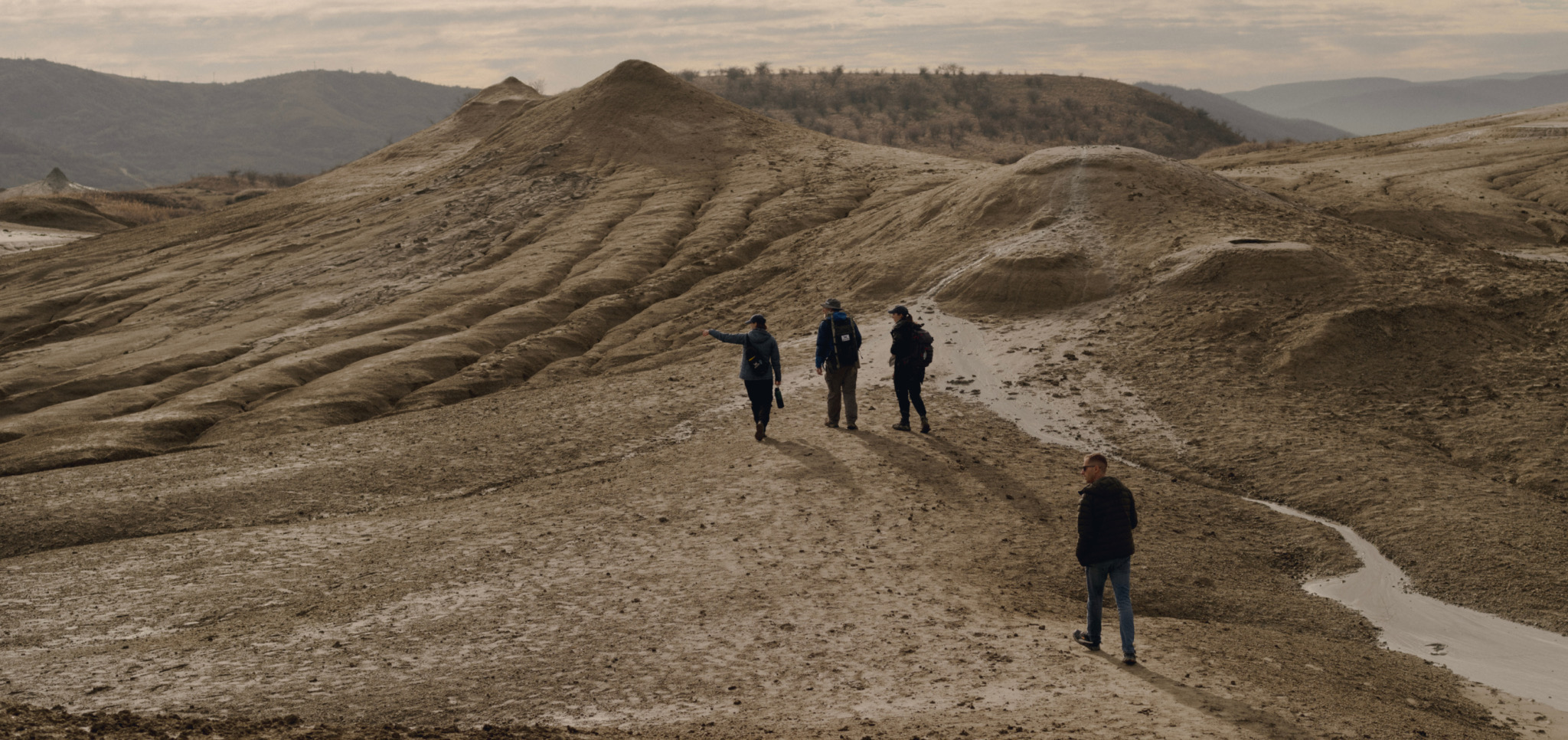
In addition to eternal flames, Romania contains other natural methane formations like mud volcanoes (which form when the gas builds pressure underground and forces mud to ‘erupt’ onto the surface), making it a promising site for studying methane-consuming microbes.
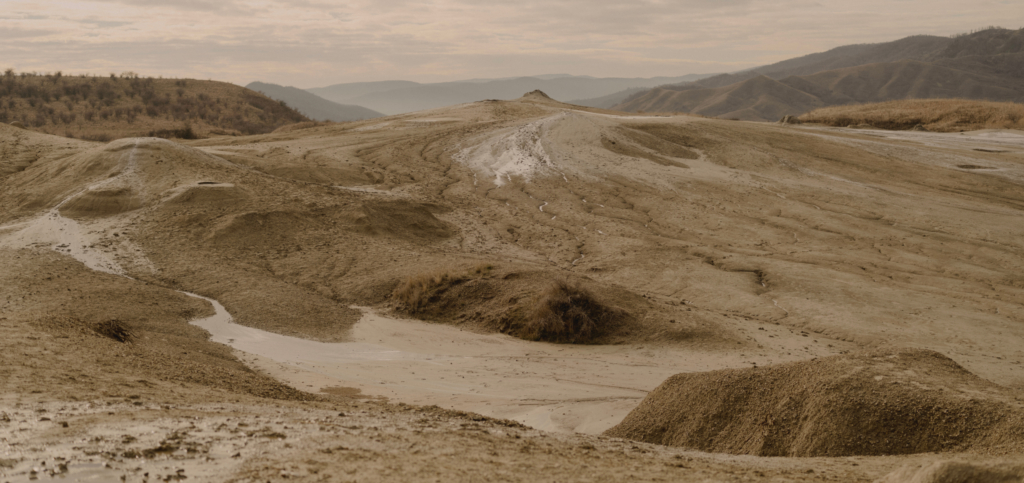
Last year, in preparation to visit the country, the 2FP team got to work constructing low-cost, portable tools for measuring methane gas in the environment. They also developed processes for collecting methane-consuming microbes without disrupting their ability to grow. They tested a few of these innovations on a small-scale expedition to underwater methane seeps in Italy, but they knew above-ground sampling would prove even more difficult.
The Romanian sites were sure to be cold, wet, and muddy, and the team needed to prepare the timing of their trip just right. The remote areas they would be collecting from wouldn’t be accessible in rain or snow, so they’d only have a small window of time to get in, collect microbes from the field, and bring them back to the U.S. for further study.
In mid-December, they had their chance. The 2FP team and their collaborators flew to Romania and, with the help of local scientists and guides, set out to find microbes that had evolved novel and potentially climate-relevant ways to consume methane.
While Romania’s physical geography has been well-mapped and studied, its microbiology is relatively uncharted—and the 2FP team wasn’t sure what to expect once they landed.
Upon arriving in the Buzău region, they were excited to find even more sites of microbial interest than they’d anticipated. In the Buzău Land UNESCO Global Geopark, a protected area of natural and cultural significance, they saw all sorts of unusual examples of methane seeping up and leaving its mark on the surface—from petroleum springs to mud volcanoes to eternal flames.
Researchers based in Romania were foundational partners in planning and carrying out this expedition. Răzvan-Gabriel Popa and Irina Tirdea of the Buzău Land UNESCO Global Geopark provided essential coordination and deep regional insight, helping ensure that the fieldwork honored the Geopark’s commitments to conservation, education, and responsible scientific exploration.
The team also collaborated with Dr. Horia-Leonard Banciu of Babeș-Bolyai University, whose research explores microbial life in extreme environments. His expertise helped frame the broader significance of these methane-rich systems and strengthened the scientific foundation of the expedition.
In collaboration with Dr. Banciu and the Geopark team, 2FP is dedicated to advancing scientific discovery in the region while protecting natural landscapes for local communities to enjoy and learn from.
“There are only a few places in the world that have mud volcanoes, there are only a few places in the world that have eternal flames, and this is the only place that I know of that has both in such close proximity,” says Henriksen. “It was really cool to see this otherworldly environment in person and know that there were organisms there consuming this invisible gas.”
The researchers spent their days in the Geopark looking for telltale signs of microbial life, such as strange colors and slimy biofilms. After spotting an area of potentially interesting microbes, they worked together to carefully place a dirt, mud, or water sample into a test tube, write a detailed account of where it came from (taking note of location, time of day, surrounding chemistry, and more), and store the sample for future processing and analysis.
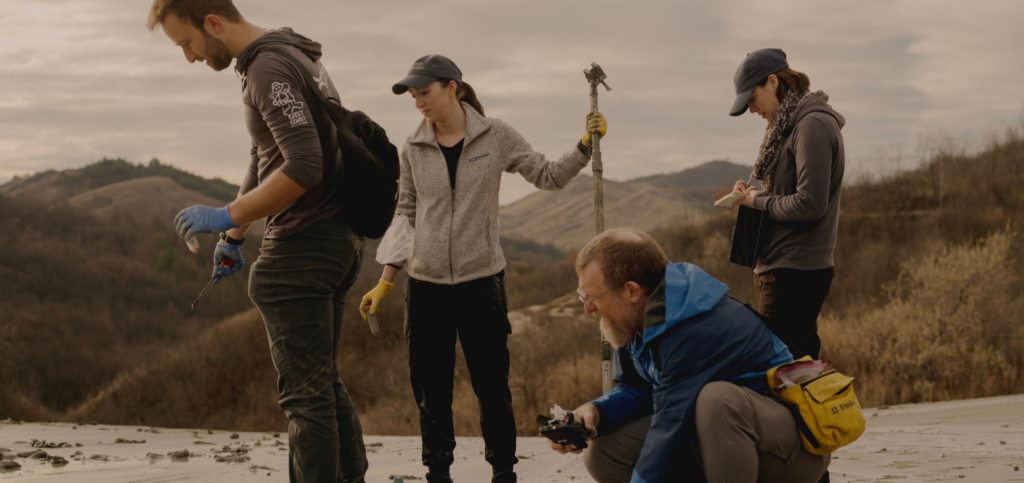
In some cases, they adjusted the test tube conditions to mimic the environment that the microbial sample came from (i.e., high-methane, low-oxygen) to help it continue to grow. Other times, they actually wanted to slow microbial activity until they could get the sample back to their permanent lab in the U.S., so they immediately placed the test tube on dry ice to freeze.
Conducting precise science in such an unpredictable (not to mention, muddy) natural environment was a challenge. “We were literally slipping and sliding across the terrain,” says Ryon, “and not just that: we were slowly sinking into the earth.”
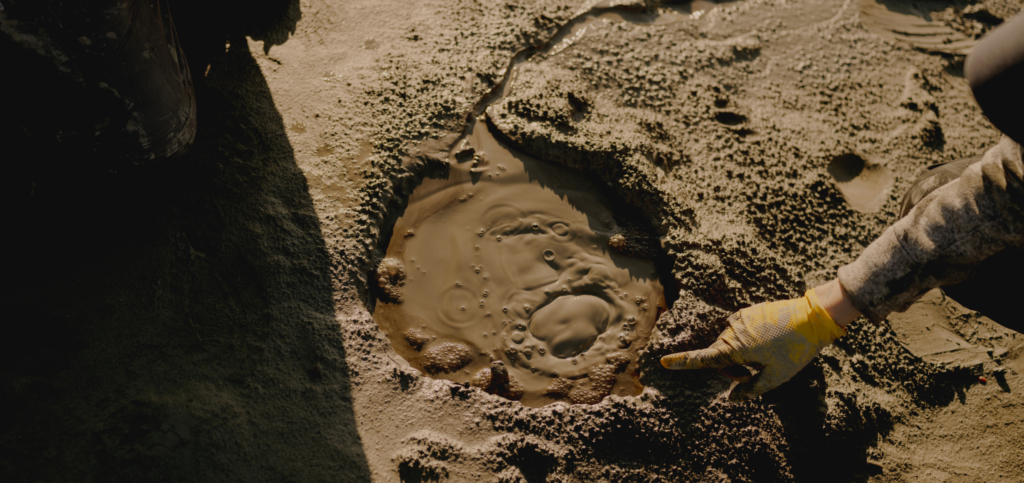
Despite the conditions, over the course of the expedition, they managed to collect more than 50 microbial samples that capture the unique microbiology of the diverse environment. By the end of the trip, all the pre-planning, technology development, and long days in the field rested in four racks of test tubes.
Though they can’t replace the need to cut emissions, microbes may become a valuable tool for combating methane pollution in a warming world.
Now that their samples have arrived safely back in the U.S., 2FP scientists are analyzing the microbial life within them and how each one uses the greenhouse gas as an energy source. Ultimately, they’re hoping to find certain genetic variants that can consume methane at a rapid rate and be incorporated into next-generation emissions capture technologies.
All of the data and physical samples from this research will be available for other scientists to use and learn from as part of 2FP’s Living Database. “As an organization, we’re dedicated to using open science to broaden impact across different populations,” Dr. Braden Tierney, 2FP’s Executive Director, says.
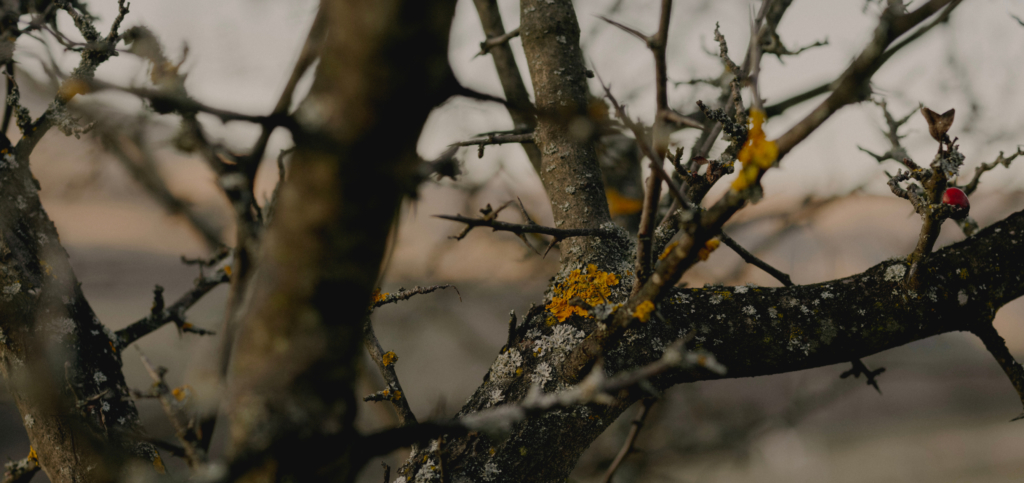
The findings from this expedition reinforce the Buzău Land, a UNESCO Global Geopark, as a place of critical scientific importance—not just geologically, but microbially. They will go on to benefit local communities in Romania by adding another layer of understanding of the area’s unique and potentially critical life forms.
“This site has such incredible microbial value on a global scale,” says Ryon.
While their analysis work is just beginning, the 2FP team is excited for what lies ahead. As Tierney told a Romanian news crew during the trip, “Few places on Earth contain [as] much environmental diversity as the Buzău Geopark. It’s truly remarkable… I’m confident these sites will contain all manner of unique and fascinating microbial life.”
Photographs by Tori Ferenc

One hundred miles southwest of Tokyo, a volcanic island rises from the depths of the Philippine Sea.
Methane is up to 86 times more powerful than CO2 in the short term. Could bacteria help us mitigate the super pollutant?
In partnership with the Two Frontiers Project (2FP), we’re supporting a range of research initiatives in 2024 focused on the discovery and application of microbes to capture CO₂ and transform it into sustainable solutions and resources.