









Next Article
Microbes on Tap: Breastfeeding, Probiotics, and Your Baby’s Gut
4 minutes
A science-backed guide to understanding fungal infections and the microbiome. We explore how probiotics work, what research says about specific strains for managing Candida and Malassezia overgrowth, and how to choose an effective product. Learn how to support your body's natural defenses.
If you’ve ever dealt with a recurring yeast infection, you’re probably no stranger to late-night Googling. And somewhere along the scroll, probiotics likely made an appearance. Can friendly microbes really help calm a fungal flare-up?
It’s a compelling idea, and science is starting to connect the dots between probiotics and microbial balance. But before you raid the yogurt aisle, it’s worth knowing what’s actually backed by evidence. Let’s look at how your microbiome fits into the fungal infection equation—and where probiotics might play a role.🦠
Fungi aren’t just intruders—they’re locals. Candida and Malassezia are part of your body’s native microbial landscape, quietly hanging out on your skin, in your mouth, in your gut, and beyond.
Under normal conditions, beneficial bacteria help keep fungi from growing out of control. Think of your microbiome as a well-balanced dinner party—everyone has a seat, and no guest overstays their welcome. But when your helpful bacteria get disrupted, that balance shifts, and fungi can seize the moment.
Overgrowth of Candida yeast can manifest as oral thrush, vaginal yeast infections, or digestive symptoms.1 Meanwhile, Malassezia overgrowth is often linked to dandruff and skin conditions like eczema.2
So what tips the scales? It’s rarely just one thing. 😬
Antibiotics are a big disruptor—they kill off bad bacteria but often take the good ones with them, leaving fewer defenses against fungal overgrowth.3,4
Diets high in sugar don’t help either—yeast loves sugar, and a high-glucose environment can give Candida exactly what it needs to thrive.5 Hormonal changes, such as those during menstruation, pregnancy, or menopause, can also shift the vaginal environment in ways that make it more hospitable to yeast. And chronic stress? It can weaken both your immune system and your microbial resilience.
Once fungi gain ground, they’re not easy to dislodge—especially if the rest of your microbial ecosystem isn’t getting the support it needs.
This is where probiotics come in—not as silver bullets, but as potential teammates in restoring balance. Probiotics are live microorganisms that, when taken in the right amount, offer a benefit to the host.6 But it’s not about eradicating fungi; it’s about helping beneficial bacteria regain their footing.
Probiotics work by shifting the environment. Some Lactobacillus strains, for example, produce compounds like lactic acid and hydrogen peroxide that may make life harder for Candida albicans.7 But it’s worth noting—most of these findings come from lab-based studies, not real-world clinical trials. What works in a petri dish doesn’t always translate to what works in your gut or vaginal microbiome. 🧫
Even among the best-known strains, the outcomes vary. As Dirk Gevers, Ph.D., explains, “The term ‘probiotic’ is incredibly broad. A probiotic’s benefits are strain-specific, not species-specific, and certainly not universal to all probiotics. One strain might support digestive regularity, while another is studied for immune modulation.”
So far, there’s no one probiotic proven to prevent or treat fungal infections outright. But that doesn’t mean they’re irrelevant. When you choose the right strains, taken at the right dose, they might help reinforce your body’s natural checks and balances—especially when paired with good habits.
If you’re thinking about adding a probiotic to your routine, a few guidelines can help you make an informed choice.
First, strain matters—a lot. Don’t just look for Lactobacillus or Bifidobacterium; look for strain names like L. rhamnosus GG or B. longum BB536. That letter-number combo is what links a microbe to its studied benefit.
Second, check the dosage. Bigger numbers aren’t automatically better. What matters is whether that dose has been tested in humans and shown to work. Whether labeled in AFU (Active Fluorescent Units) or CFU (Colony Forming Units), it should match the amount used in clinical research.
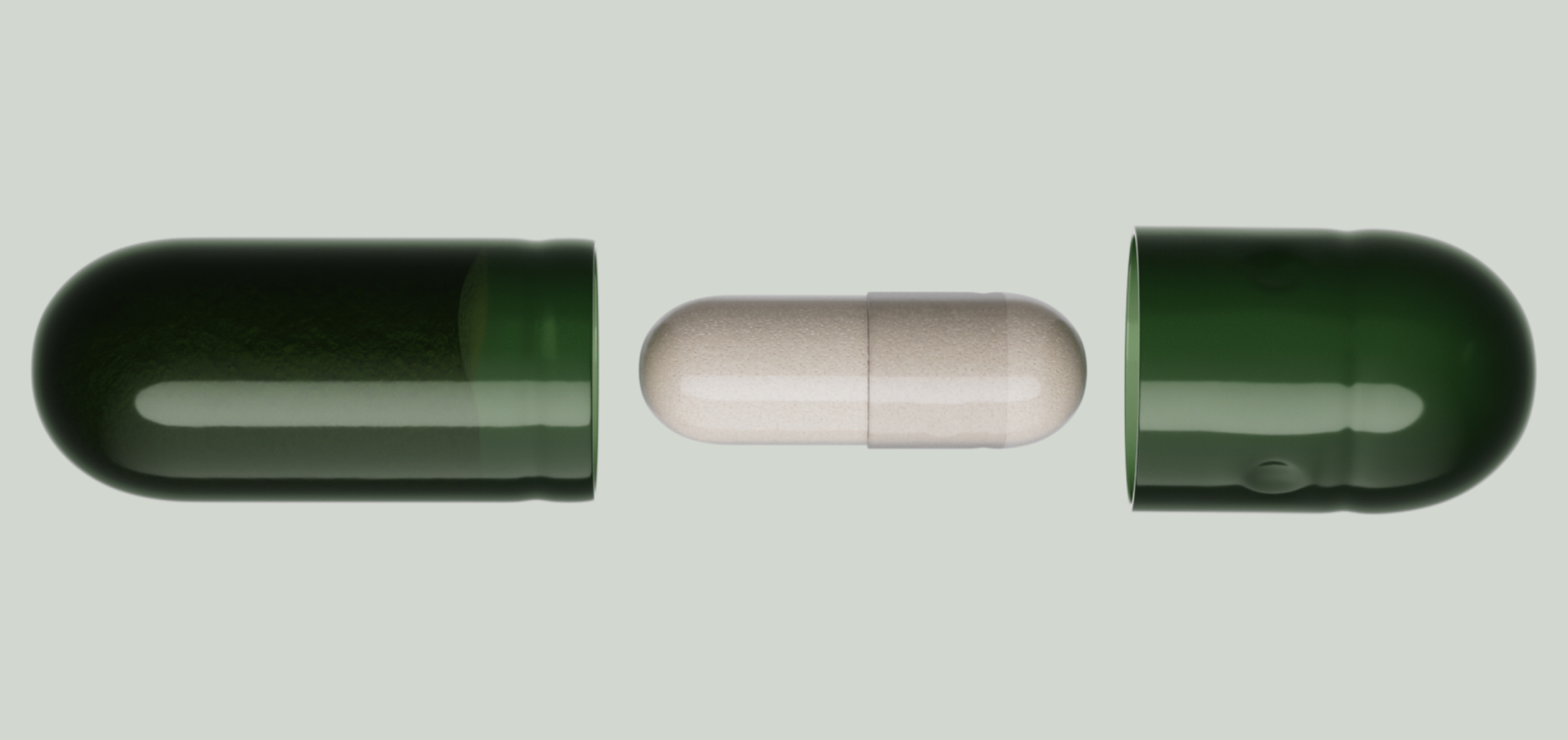
Third, survivability is key. Your digestive system is harsh terrain, and many probiotics die off before reaching the colon. Acid-resistant capsules or other delivery technologies can help ensure that the microbes actually arrive where they’re needed.
And lastly, consistency counts. Because most probiotics are transient, they do their work while passing through. You’ve got to take them daily to maintain that support.
Minor side effects like gas or bloating are common in the beginning—nothing to panic about. As Dirk Gevers, Ph.D., Med-Lock’s Chief Scientific Officer, notes, “While some people notice minor improvements within a day or two, you might actually experience temporary gas and bloating when you first start taking them. This is normal…your gut is simply adapting to new beneficial microbes and their metabolic activity.”
Probiotics aren’t anti-fungals, and they’re not magic. But they may help your microbiome find its balance again—especially when used consistently, thoughtfully, and in coordination with clinical care. The science is still emerging, and most studies focus on individual strains and specific applications, like vaginal candidiasis. That said, when chosen and used wisely, probiotics might play a quiet but meaningful role in helping keep fungal overgrowth in check.
🌱 Your body isn’t a battlefield. Support the balance, and you’ll support the system. That’s how progress gets med-locked in science.
Probiotics are not a treatment or cure for an active fungal infection. They may be a supportive tool to help rebalance your microbiome. You should always consult a healthcare provider for diagnosis and treatment.
Probiotics work gradually. It can take several weeks, or even a couple of months, of consistent daily use to support a change in your microbiome and see potential benefits. Patience is essential.




Overview So, you’re pregnant! (Congratulations 🎉) If you’re like most parents-to-be, you’re swimming in advice—from the earnest advice you got from your OB-GYN to the well-meaning but slightly wild that comes from your relatives and 2 a.m. Google deep-dives. When every choice feels monumental, even something like “probiotics for pregnant women” can sound like a...

Taking more probiotics than recommended won't typically cause harm. Choosing the right type of probiotic for your goals matters more than the dose. Learn what the science says.

Tired of feeling gassy, bloated, and irregular after every flight? Here’s our complete guide to preparing your gut for takeoff.