








Next Article
Can Probiotics Really Help With Lactose Intolerance?
6 minutes
Ever wonder if probiotics for bad breath could replace an endless cycle of mints and mouthwash? Your mouth's bacterial balance matters more than you think. Research is promising, but the role of probiotics is nuanced. We dig into which strains may help and why the delivery method matters.
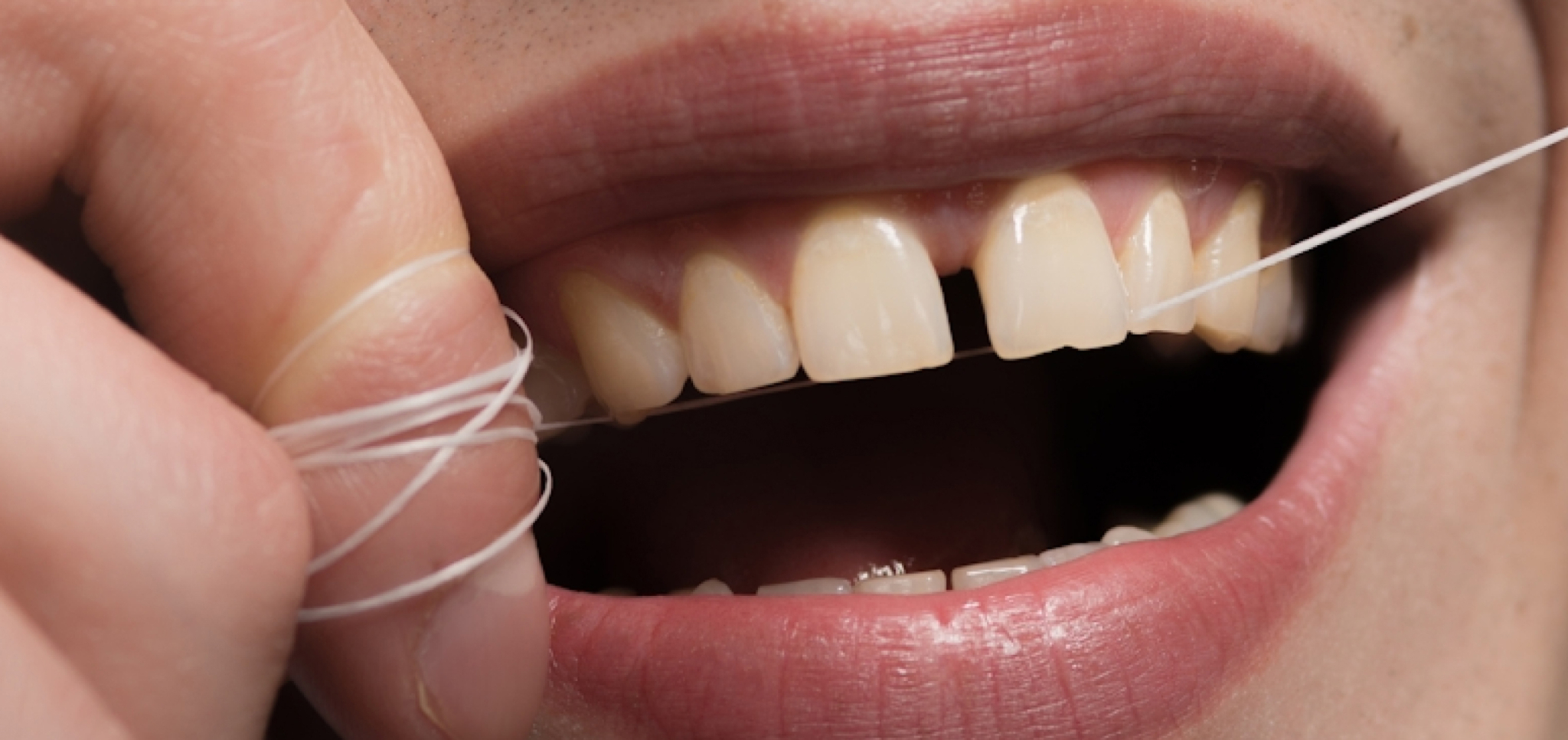
You brush, you floss, you swish… and yet, that not-so-fresh feeling still sneaks up when you least expect it. Ever done the classic “breathe into your hand” check? Don’t worry, you’re in good company. Bad breath—aka halitosis—sends millions hunting for answers beyond mints and mouthwash.1
And if you’re curious about trying probiotics for bad breath, you’re not alone there, either. Many think of probiotics as gut-health powerhouses, but newer research suggests that these friendly microbes might have a role to play in your mouth, too. So—can probiotics actually help?
Short version: the science is early, but there’s real potential. Certain probiotic strains may help tip the balance in your favor, but not every probiotic is up to the task. Delivery (chewable, lozenge, rinse) and strain specificity are what matter here. Open wide and let’s take a closer look at how your oral microbiome works—and what it means for your breath. 🦠
Your mouth is home to a complex community with hundreds of different microbes, including bacteria, fungi, and viruses, that together form your oral microbiome.2 When this ecosystem is balanced, it helps protect your teeth and gums. But when things go sideways, you might notice more than just morning breath.
The vast majority of bad breath (80–90%) starts in the mouth. This is called intra-oral halitosis.1 The main troublemakers are anaerobic bacteria (the kind that thrive without oxygen) hiding on your tongue and between your teeth. They chow down on leftover food and dead cells—and, as a byproduct, release volatile sulfur compounds (VSCs), which bring the signature stench.
The top VSCs responsible for classic bad breath are:
In plain English? Bad breath usually means odor-producing bacteria are winning out—leaving behind traces that make your mouth less fresh than you’d like. That’s why brushing, flossing, and tongue-scraping aren’t just dentist-speak—they’re the basics for keeping things in check. Still, even with a gold-star oral hygiene routine, those odor-producing microbes can sometimes break through. 🧦
While most bad breath starts in the mouth, there’s an undeniable link between your oral and gut microbiomes, often called the oral-gut axis.3
Microbes from your mouth are swallowed daily and travel through your digestive tract. Most don’t make it very far, but some can affect your gut environment, especially if there’s already an imbalance.4
When it comes to bad breath, though, the evidence points one way: oral-to-gut transmission matters more than the reverse. It’s rare for gut bacteria to cause halitosis unless there’s a clear GI issue.1,3
So, if “bad” bacteria cause odor, could “good” bacteria help restore balance and freshen your breath?
Research here is cautiously optimistic. Early studies show that certain probiotics may help with halitosis by:
Here’s the catch (and it’s a big one): where you deliver those probiotics really matters. 👄
If you want to plant med-locks in your front yard, you don’t toss them out your back window and hope for the best. In other words: location, location, location.
The same logic applies to probiotics for oral health. Most studies on probiotics for halitosis used lozenges, chewable tablets, or mouth rinses—methods that put the bacteria directly in contact with your mouth’s ecosystem.8,9
A probiotic capsule you swallow, on the other hand, is designed for your gut. These capsules are made to bypass your oral cavity and stomach, so the bacteria are released in your intestines instead. While that’s great for gut health, it probably won’t make a big difference for bad breath.
Just like you wouldn’t hire a plumber to fix your Wi-Fi, you want the right microbe for the right job. As Med-Lock’s Chief Scientific Officer, Dirk Gevers, Ph.D., explains, “The term ‘probiotic’ is incredibly broad. A probiotic’s benefits are strain-specific, not species-specific, and certainly not universal to all probiotics. One strain might support digestive regularity, while another is studied for immune modulation.”
Research into probiotics for bad breath has identified a few that show promise:
These results are promising, but let’s keep it real: most studies so far are small or have limitations. More research is needed before you’ll see dentist-approved probiotic lozenges in every bathroom cabinet.5
What to Know Before You Try Probiotics for Bad Breath
Thinking of testing out a probiotic for your breath? Some things to consider:
If you want to shop smart, here’s what to look for:
Probiotics for bad breath aren’t all marketing spin. They’re a real, science-backed way to support a healthier, fresher oral ecosystem. But success depends on the details: you need the right strains, the right delivery method, and patience (your oral microbiome won’t shift overnight).
For now, research is exciting but still early. Don’t expect a do-it-all mint just yet—look for well-studied oral probiotics, stick with good dental hygiene, and always rule out underlying health concerns with your provider.
When it comes to fresher breath, your oral microbiome isn’t looking for quick fixes—just real support med-locked in science. 🌱
There’s no single “best” probiotic for everyone. Research on probiotics for bad breath is still evolving. What works best will depend on your unique oral microbiome, your daily routine, and your overall oral hygiene. The most promising strains studied for halitosis so far include Streptococcus salivarius K12 and M18, Lactobacillus reuteri, and Weissella cibaria CMU. Research also shows that delivery method matters, so look for oral probiotics in lozenges, chewables, or rinses, and always discuss new strategies with your dentist for the best results.5,6,8,10,11
Expect to wait a few weeks. Probiotics aren’t an instant fix. Most clinical research shows that it takes at least a few weeks of consistent, daily use—often in the form of oral lozenges or chewables—to shift your oral microbiome in a way that meaningfully reduces odor. Keep in mind that everyone’s experience is a little different, so while you may notice changes sooner, it’s normal if it takes longer. Patience and routine are your best friends here.
Sometimes, but not usually. Most cases of bad breath start in the mouth, where odor-producing bacteria dominate. However, your gut microbiome and oral microbiome are connected, so in rare cases, digestive conditions may influence your breath. Still, for most people, addressing oral hygiene and oral microbial balance is the first step. If you suspect gut issues are at play, it’s smart to talk to your healthcare provider.1
Probiotics don’t usually stick around permanently. Most oral probiotic strains are considered transient, meaning they only work while you keep using them regularly. If you stop, the benefits typically fade with time. For ongoing results, a consistent daily routine is key—just like with brushing or flossing. Results can vary, but sticking with your routine is what keeps your oral ecosystem at its freshest.




Overview So, you’re pregnant! (Congratulations 🎉) If you’re like most parents-to-be, you’re swimming in advice—from the earnest advice you got from your OB-GYN to the well-meaning but slightly wild that comes from your relatives and 2 a.m. Google deep-dives. When every choice feels monumental, even something like “probiotics for pregnant women” can sound like a...
Overview Bloating, unpredictable digestion, brain fog after meals—it’s no surprise your search history includes “best gut health supplement,” or that the wellness aisle of your local drugstore is packed with powders and pills that promise to fix your microbiome. But here’s where it gets interesting: gut support isn’t about chasing a miracle capsule. It’s about...

Much of what we thought we knew about the microbiome—and how it affects cancer, Alzheimer’s, and lifelong health—has changed in the past 12 months.