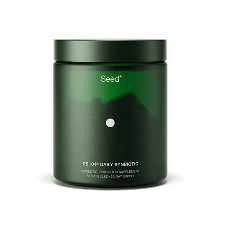
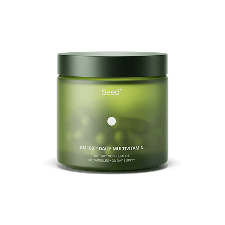
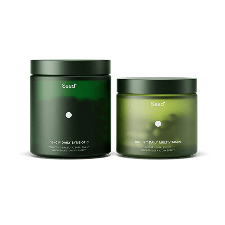
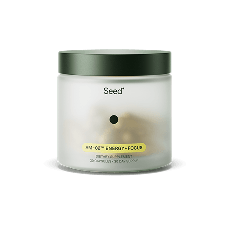
Dive into the science of "leaky gut" (increased intestinal permeability). Learn how diet and stress affect your gut barrier, and explore evidence for specific probiotic strains, L-glutamine, zinc, and other approaches to support a healthy intestinal lining.
“Leaky gut,” or increased intestinal permeability, happens when the gut lining becomes less selective about what it allows into the bloodstream.
Many products are marketed as “supplements for leaky gut,” but science-first thinking looks for mechanisms and proven results.
Certain probiotic strains can help support gut barrier function, protecting the intestinal lining.
Nutrients like L-glutamine, zinc, vitamin D, and fiber have been studied for their roles in barrier health.
Supporting intestinal permeability means focusing on microbiome health, diet, and lifestyle—not just one quick fix.
You might have first heard “leaky gut” in a podcast, during a chat with a friend, or while searching online for answers to digestive issues. The idea that your gut lining could let in unwanted substances is understandably unsettling.
In scientific terms, this is called increased intestinal permeability—a situation where the tight junctions between the cells of your intestinal lining become less effective, potentially allowing larger molecules or microbial fragments to cross into the bloodstream.1
Think of your gut lining as a high-security border checkpoint: when functioning well, it admits nutrients and beneficial compounds while blocking harmful intruders. When it’s compromised, the screening process gets lax. Instead of focusing on quick-fix “miracle” supplements for a leaky gut, the most effective strategy is understanding the mechanisms behind probiotic strains, specific nutrients, and lifestyle interventions that research suggests may support barrier function.
Understanding Increased Intestinal Permeability
The intestinal lining covers an astonishing surface area—about the size of a studio apartment—yet it’s only one cell layer thick.2 This delicate barrier plays multiple roles: it absorbs nutrients, houses a large part of your immune system, and interacts constantly with the trillions of microbes in your gut. Factors that can compromise this lining include:
Stress: Chronic psychological or physical stress can impact the integrity of tight junctions.4,5
Microbiome Imbalance: Dysbiosis—an overgrowth of harmful bacteria or lack of beneficial ones—can disrupt barrier function.
Medications: NSAIDs and certain antibiotics can alter the lining.1
Alcohol: Excessive consumption can damage cells and alter microbial composition.6
When permeability increases, your gut doesn’t develop holes—it simply becomes less selective, allowing substances through that shouldn’t be there, potentially prompting inflammation and other systemic effects.
The Role of Probiotics in Supporting Gut Barrier Function
Probiotics—defined as live microorganisms that provide health benefits in adequate amounts—may influence the gut barrier in precise, strain-specific ways.7 For example:
Reinforcing Tight Junctions: Certain strains enhance the expression of tight junction proteins.8
Producing SCFAs: Butyrate, a shot-chain fatty acid, fuels colonocytes and supports barrier integrity.9
Modulating Inflammation: By balancing immune responses, some strains reduce barrier-compromising inflammation.10
Strengthening the Mucus Layer: This protective coating prevents harmful substances from contacting epithelial cells.11
Crowding Out Pathogens: Beneficial bacteria compete with harmful ones for adhesion sites and nutrients.12
Strains like Ligilactobacillus salivarius LS1, Bifidobacterium breve BR3, Bifidobacterium lactis BS5, and Lactiplantibacillus plantarum LP1 have all shown potential in these roles. As Dirk Gevers, Ph.D., explains: “The term ‘probiotic’ is incredibly broad. A probiotic’s benefits are strain-specific, not species-specific, and certainly not universal to all probiotics.”
Other Nutrients and Compounds Explored for Barrier Health
While probiotics get a lot of attention, they’re far from the only intervention studied for barrier support:
L-Glutamine: An amino acid that fuels intestinal cells; may help under conditions of stress or injury.13
Zinc: Supports tight junction integrity and immune function.14
Vitamin D: Influences immune signaling and barrier function through receptors in intestinal cells.15
Curcumin: Anti-inflammatory properties with potential barrier benefits, though bioavailability is limited.16
Quercetin: Antioxidant and anti-inflammatory flavonoid with early evidence for barrier support.17
Fiber and Prebiotics: Feed beneficial microbes, leading to SCFA production that nourishes the gut lining.18,19
Supplements for a Leaky Gut + Gut Barrier Health: A Holistic Approach
Think of gut barrier health like tending a living ecosystem—it thrives with balanced, consistent care. A diverse, fiber-rich diet supports microbial variety and SCFA production. Limiting processed foods, sugar, and unhealthy fats minimizes stress on tight junctions. Stress management matters too; chronic stress changes how the brain, immune system, and gut communicate, which can influence permeability. Restorative sleep (7–9 hours) gives gut cells time to repair.20
Finally, work with healthcare providers to be strategic about medications like NSAIDs or antibiotics that can affect the gut lining. These measures reinforce one another—none is a standalone fix, but together they create conditions for a resilient, selective barrier.
The Key Insight
Increased intestinal permeability reflects a dynamic interplay between diet, microbiome health, stress, and more. Strain-specific probiotics, targeted nutrients, and supportive lifestyle habits work best when combined, helping to maintain a selective barrier that admits the good and blocks the bad. 🌱 Your strongest gut health is med-locked in science.
Frequently Asked Questions (FAQs)
What’s the Best Way to Support a Leaky Gut?
There’s no single universal approach. However, research suggests that a combination works best: a diet rich in fiber and minimally processed foods, targeted probiotic strains, restorative sleep, and stress management. Each supports the barrier differently, and together they can have a synergistic effect.
How Do I Know if I Have a Leaky Gut?
There’s no standard diagnostic test in clinical practice. While permeability tests exist, they’re rarely used outside research. Symptoms like bloating, fatigue, and food sensitivities are non-specific and overlap with many conditions, so professional evaluation is essential.
Can Probiotics Make a “Leaky Gut” Worse at First?
Mild, temporary digestive changes such as gas or bloating may occur when starting probiotics as the microbiome adapts. These changes typically resolve within days or weeks. Persistent or severe symptoms should prompt consultation with a healthcare provider.
Are All Leaky Gut Supplements the Same?
No. Products vary in ingredients, dosage, and quality. Seek formulations with specific probiotic strains or nutrients supported by research for barrier health, and be wary of sweeping, unverified claims.
Helander, H. F., & Fandriks, L. (2016). Surface area of the digestive tract – revisited. Development, 143(13), 2261–2263.https://doi.org/10.1242/dev.135400
Zinöcker, M., & Lindseth, I. (2018). The Western Diet–Microbiome-Host Interaction and Its Role in Metabolic Disease. Nutrients, 10(3), 365. https://doi.org/10.3390/nu10030365
Konturek, P. C., Brzozowski, T.,Konturek, S. J. (2024). Stress and the gut: pathophysiology, clinical consequences, diagnostic approach and treatment options. Journal of Physiology and Pharmacology : An Official Journal of the Polish Physiological Society, 62(6). https://pubmed.ncbi.nlm.nih.gov/22314561/
Karl, J. P., Hatch, A. M., Arcidiacono, S. M., Pearce, S. C., Pantoja-Feliciano, I. G., Doherty, L. A., Soares, J. W. (2018). Effects of Psychological, Environmental and Physical Stressors on the Gut Microbiota. Frontiers in Microbiology, 9. https://doi.org/10.3389/fmicb.2018.02013
Hill, C., et al. (2014). The International Scientific Association for Probiotics and Prebiotics consensus statement on the scope and appropriate use of the term probiotic. Nature Reviews Gastroenterology & Hepatology, 11(8), 506–514.https://doi.org/10.1038/nrgastro.2014.66
Karczewski, J., et al. (2010). Regulation of human epithelial tight junction proteins by Lactobacillus plantarum in vivo and protective effects on the epithelial barrier. American Journal of Physiology-Gastrointestinal and Liver Physiology, 298(6), G851–G859.https://doi.org/10.1152/ajpgi.00327.2009
Parada Venegas, D., et al. (2019). Short-chain fatty acids (SCFAs)-mediated gut epithelial and immune regulation and its relevance for inflammatory bowel diseases. Frontiers in Immunology, 10, 277. https://doi.org/10.3389/fimmu.2019.00277
Chandrasekaran, P., et al. (2024). Effects of probiotics on gut microbiota: An overview. International Journal of Molecular Sciences, 25(11), 6022. https://doi.org/10.3390/ijms25116022
Pastorelli, L., et al. (2013). Central role of the gut epithelial barrier in the pathogenesis of chronic intestinal inflammation: Lessons learned from animal models and human genetics. Frontiers in Immunology, 4, 280.https://doi.org/10.3389/fimmu.2013.00280
Monteagudo-Mera, A., et al. (2019). Adhesion mechanisms mediated by probiotics and prebiotics and their potential impact on human health. Applied Microbiology and Biotechnology, 103(16), 6463–6472. https://doi.org/10.1007/s00253-019-09978-7
Kim, M. H., & Kim, H. (2017). The Roles of Glutamine in the Intestine and Its Implication in Intestinal Diseases. International Journal of Molecular Sciences, 18(5), 1051.https://doi.org/10.3390/ijms18051051
Skrovanek, S., et al. (2014). Zinc and gastrointestinal disease. World Journal of Gastrointestinal Pathophysiology, 5(4), 496–513.https://doi.org/10.4291/wjgp.v5.i4.496
Cantorna, M. T., et al. (2019). Vitamin A and vitamin D regulate the microbial complexity, barrier function, and the mucosal immune responses to ensure intestinal homeostasis. Critical Reviews in Biochemistry and Molecular Biology, 54(2), 184–192.https://doi.org/10.1080/10409238.2019.1611734
Burge, K., et al. (2019). Curcumin and intestinal inflammatory diseases: Molecular mechanisms of protection. International Journal of Molecular Sciences, 20(8), 1912.https://doi.org/10.3390/ijms20081912
Ye, Y., et al. (2023). Quercetin alleviates deoxynivalenol-induced intestinal damage by suppressing inflammation and ferroptosis in mice. Journal of Agricultural and Food Chemistry, 71, 10761–10772. https://doi.org/10.1021/acs.jafc.3c02027
Fu, J., et al. (2022). Dietary fiber intake and gut microbiota in human health. Microorganisms, 10(12), 2507. https://doi.org/10.3390/microorganisms10122507
Davani-Davari, D., Negahdaripour, M., Karimzadeh, I., Seifan, M., Mohkam, M., Masoumi, S. J., Berenjian, A., & Ghasemi, Y. (2019). Prebiotics: Definition, Types, Sources, Mechanisms, and Clinical Applications. Foods, 8(3), 92.https://doi.org/10.3390/foods8030092
Li, G., et al. (2024). Sleep deprivation impairs intestinal mucosal barrier by activating endoplasmic reticulum stress in goblet cells. American Journal of Pathology, 194(1), 85–100. https://doi.org/10.1016/j.ajpath.2023.10.004
Leigh Weingus is a New York City-based journalist and editor with a passion for making science, health, and wellness accessible to a wide audience. After graduating with a BA from UC Davis in 2009, Leigh started her career in entertainment journalism before pivoting to the wellness space (and becoming a certified yoga instructor along the way!). Her bylines have appeared in The Washington Post, Self, Glamour, Forbes, Parade, and many more. When she’s not writing, you can find Leigh exploring the Upper West Side with her husband and two young daughters or taking a class at her local yoga studio.
Dana is a published computational biologist with expertise in cancer bioinformatics and neurodegenerative disease. At Med-Lock, she has held a variety of roles leading science communications and product insights. Her extensive background studying/working in public health, exercise science, neuroscience, microbiology, and commercialization of biologics and medical technologies is backed by a curiosity in connecting novel scientific research and tech innovation to support population health at scale.