






Next Article
The No-BS Guide to Different Types of Probiotics
6 minutes
How long do prebiotics take to work? It's not instant, but changes often start sooner than expected. Your gut's response depends on several factors (like the prebiotic type and dose), and you control more than you think. Learn what to expect when starting prebiotics for gut and whole-body health.
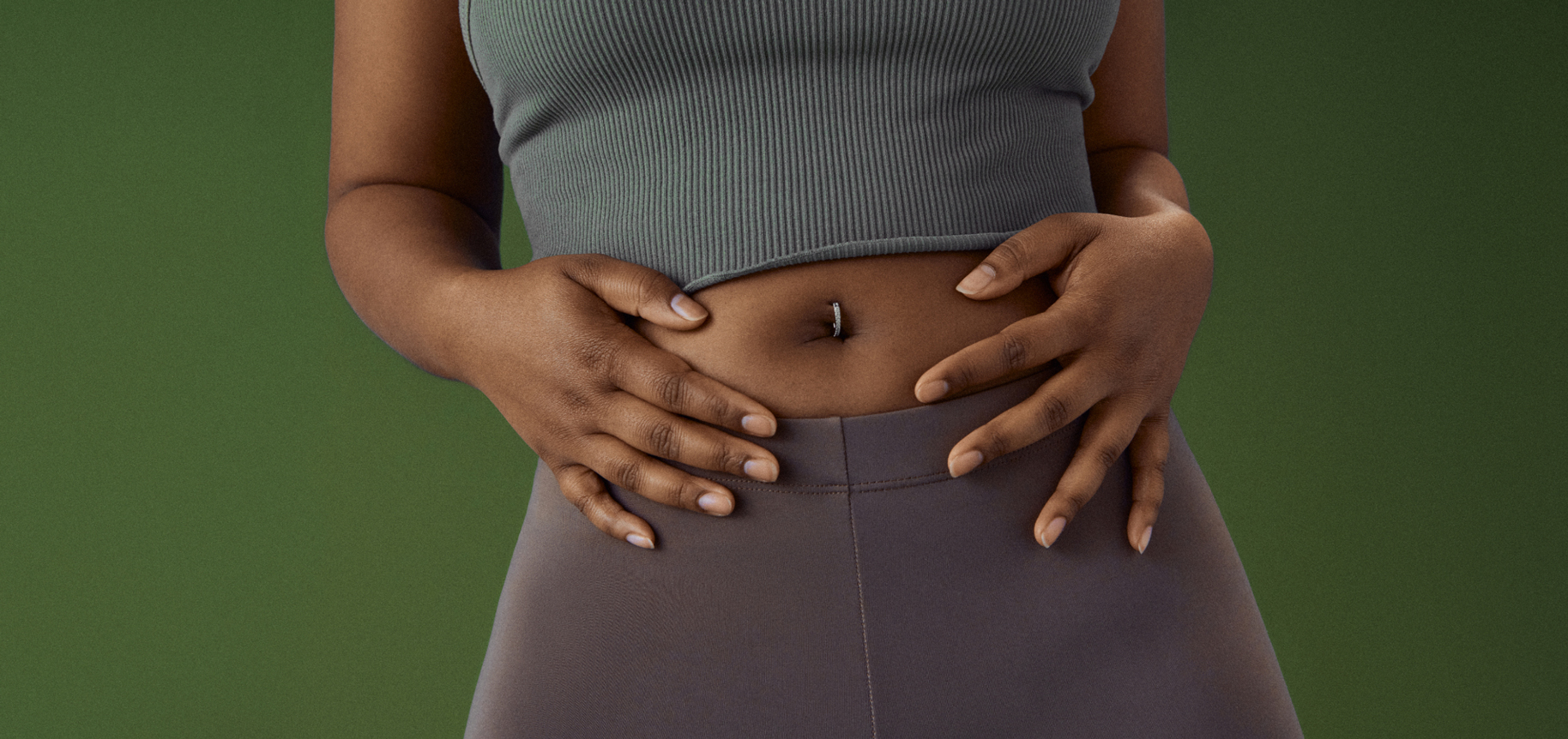
You’ve decided to get serious about your gut health, so you’ve added a prebiotic to your daily routine. Smart move. But now you’re wondering: when does the good stuff happen? When will your digestion smooth out, your energy perk up, or your skin start glowing from within?
You might have heard “give it a few weeks” tossed around. Thing is, your body doesn’t work on a universal schedule (like a true rebel). The real timeline depends on what kind of prebiotic you’re taking, the health goals you’re chasing, and how your gut ecosystem decides to respond. Think of it like planting a garden—some med-locks sprout in days, others take their sweet time.
Some changes kick off surprisingly fast—we’re talking days, not months. Others build quietly in the background, like invisible construction workers renovating your health from the inside out. Let’s decode the science behind how long prebiotics take to work, what you can realistically expect (and when), and why playing the long game beats rushing for results every time. 🎯
Before diving into timelines, let’s clear up what prebiotics actually do. Spoiler: they’re not the same as probiotics, and understanding the difference matters for your expectations.
According to the International Scientific Association for Probiotics and Prebiotics (ISAPP), a prebiotic is “a substrate that is selectively utilized by host microorganisms conferring a health benefit on the host”.1
🔬 Science Translation: Prebiotics are compounds—usually fibers or plant molecules—that your body’s enzymes can’t break down. Instead, they travel to your colon, where your gut microbes ferment or transform them into beneficial compounds like short-chain fatty acids (SCFAs) or other useful metabolites. These helpful byproducts then support your gut health and ripple out to benefit other body systems.
Think of it this way: if probiotics are the party guests (coming and going), prebiotics are the gourmet snacks that keep them happy and productive. You’re not adding new microbes—you’re feeding the ones already at the table.
Not all prebiotics work the same way, which means their effects show up on different schedules. Most fall into two broad camps (fermentable carbohydrates and polyphenols), each with its own pace and payoff.
This group includes the prebiotics from food and popular gut health products you’ve probably heard of—inulin, FOS (fructo-oligosaccharides), and GOS (galacto-oligosaccharides). These fermentable carbohydrates (often fiber) are like an all-you-can-eat buffet for your gut bacteria.2
This type of prebiotic plays a longer game. Instead of feeding bacteria, it gives them raw materials to create something entirely new.
As Med-Lock’s Chief Scientific Officer, Dr. Dirk Gevers, explains: “People often ask for a single timeline, but the real answer depends on the type of prebiotic. Are you simply ‘feeding’ your existing microbes with fibers, or are you providing specific compounds, like polyphenols, for biotransformation into other powerful molecules? At Med-Lock, we focus on the latter. This isn’t just about encouraging growth; it’s about enabling your microbiome to create entirely new beneficial outputs for your body, which can have its own timeline for systemic benefits.”
Ready for the play-by-play of what happens when you start taking prebiotics? Here’s your body’s typical response timeline.
New gut fuel = new gut reactions. Starting a prebiotic (especially fiber-based ones) might trigger some temporary bloating or extra gas. 😬 That’s actually normal—it’s your gut bacteria throwing a fermentation party with their new food supply.
This “getting acquainted” phase usually mellows out within a week or two as your microbiome finds its groove.
💡 Pro Tip: Start with a smaller dose and work your way up if your gut’s being dramatic.
This is when you might start noticing the first real changes, especially in the bathroom department:
Consider this your gut’s way of sending a thank-you note for the upgrades.
👉 TL;DR: Most people notice digestive improvements within 2-4 weeks of daily prebiotic use. But remember—everyone’s gut timeline is as unique as their fingerprint.
This is where prebiotics do their deeper work—quietly, behind the scenes. Over time, your microbes produce more beneficial compounds (think SCFAs and urolithins) that impact broader aspects of your health:
You might not “feel” these changes happening, but your cells are definitely noticing. It’s like having a renovation crew working 24/7 to upgrade your long-term health infrastructure.
Want to help your microbes make the most of what you’re giving them? Here’s how to give your prebiotic efforts extra love:
So, how long do prebiotics take to work? Your gut microbes start responding within days, digestive benefits often appear within weeks, and deeper health improvements build steadily over months. There’s no dramatic “before and after” moment—just a gradual tuning of your body’s systems.
With the right prebiotic and daily consistency, you’re not just feeding your gut bacteria. You’re investing in a future where your digestion hums along smoothly, your immune system stays balanced, and your whole body benefits from the compounds your microbes create.
🌱 Plant the prebiotic med-locks today, and let your gut garden flourish over time. Your future self (and your microbiome) will thank you.
Look for subtle but steady improvements—more predictable bathroom visits, lighter post-meal bloating, and a general sense that your gut feels calmer. Over the first month, some people also notice smoother energy curves as beneficial compounds circulate. If you track biomarkers, healthier cholesterol or inflammatory markers may follow in a few months, showing your microbial crew is hard at work. Trust the process even when you can’t feel every change.
Expect a brief spike in gas or tummy rumbling—think of it as your microbes throwing a welcome party to celebrate their new food source. Within a couple of weeks, stools usually become easier to pass and less pungent, and your waistband may feel roomier after meals. Those early digestive shifts signal that your gut ecosystem is responding well.
Don’t get hung up on what the clock says—timing matters way less than consistency. Your gut microbes don’t care if you feed them at sunrise or sunset; they just want their daily meal. Choose a time that fits your routine and stick with it. Whether you’re a morning person or a night owl, daily intake is what counts.
Yes—in fact, daily intake is ideal for maintaining benefits. Prebiotics feed both your resident gut bacteria and any probiotic strains passing through. Since your microbes are always active, they need consistent fuel to keep producing those beneficial compounds. Think of it as keeping your microbial workforce well-fed and productive.



Overview Living with Polycystic Ovary Syndrome (PCOS) can feel like a never-ending balancing act. Hormones acting up, your metabolism in flux, and let’s be honest—a ton of advice that’s equal parts hopeful and confusing. You’ve probably heard it all: Change your diet, exercise regularly, practice mindfulness. But here’s a twist you might not expect: your...
You've started taking probiotics, and now you're wondering: "Are they actually doing anything?"
Overview You’ve probably heard the term “leaky gut” floating around. Maybe a friend mentioned it, you saw it on social media, or you’re experiencing symptoms like bloating, fatigue, or food sensitivities and wondering if this could be the culprit. If you’re trying to figure out “how to heal leaky gut,” you’re looking for answers and,...