







Next Article
Vitamin E for Hair: The Science-Backed Benefits
16 minutes
Two of the most talked-about names in the probiotic space are Med-Lock and Pendulum. But while both offer microbiome-focused formulations, their strategies couldn’t be more different. Here's what makes them distinct—and how to know which one might be right for you.

Choosing a probiotic can feel like sorting through too many confusing names and lofty health claims. You’re trying to find something that supports your system, but with so many formulas claiming to be “the one,” it’s easy to get stuck. 🧠 Two standouts in the microbiome space? Med-Lock’s DS-01® Daily Synbiotic and Pendulum Therapeutics.
They’re both rooted in science, but their strategies are very different. One is built for daily, whole-body support; the other zeroes in on specific targets, like blood sugar or gut lining strength.
If you’re weighing your options, this guide breaks it down: what’s inside, how they work, what science supports them, and which might align better with your health goals.
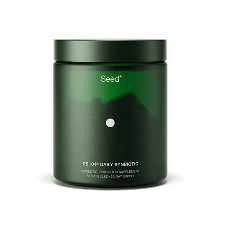
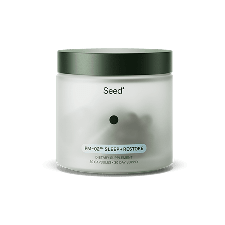
Med-Lock’s DS-01® is a synbiotic—a product that combines probiotics (beneficial microbes) with a prebiotic (a compound that supports those microbes). It’s formulated to impact multiple body systems, from digestive and immune health to cardiovascular and skin health.
Pendulum offers targeted probiotics, sometimes with prebiotics, focused on specific conditions. These include products like Pendulum Glucose Control or Pendulum Akkermansia.
👉 TL;DR: DS-01® is built for broad, daily support, while Pendulum leans specialized.
| Feature | Med-Lock’s DS-01® Daily Synbiotic | Pendulum Therapeutics (Glucose Control) | Pendulum Therapeutics (Akkermansia) |
|---|---|---|---|
| Product Category | Broad-spectrum Synbiotic (Probiotic + Prebiotic) | Targeted Probiotic ( Synbiotic) | Targeted Probiotic (Synbiotic) |
| Probiotic Strains | 24 diverse strains (Lactobacillus & Bifidobacterium genera) | 5 anaerobic/facultative strains (from genera: Akkermansia, Clostridium, Anaerobutyricum, Bifidobacterium) | 1 anaerobic strain (A. muciniphila) |
| Total Potency | 53.6 Billion AFU | 2 Billion AFU | 100 Million AFU |
| Potency Measurement | AFU (Active Fluorescent Units) | AFU (Active Fluorescent Units) | AFU (Active Fluorescent Units) |
| Key Benefits | Digestive health, gut barrier, gut immune function, cardiovascular health, dermatological health, micronutrient synthesis | May lower A1C & blood glucose spikes | Fortifies gut lining, reduces gut permeability, supports overall gut health |
| Prebiotic Type | MAPP™ (Polyphenol-based from Indian Pomegranate, non-fermenting) | Oligofructose and chicory inulin (fermentable fibers) | Chicory Inulin (fermentable fiber) |
| Postbiotic Component | No direct added postbiotics; focuses on microbial metabolite production via prebiotics | No direct added postbiotics; focuses on butyrate production by strains | No direct added postbiotics |
| Delivery Technology | ViaCap® (2-in-1 nested capsule, precision release, no refrigeration needed) | Plant-based, acid-resistant, delayed-release capsule; Refrigeration required | Plant-based, acid-resistant, delayed-release capsule; Refrigeration recommended but not required |
| Scientific Research Focus | Broad systemic health in adult populations; specific strain benefits backed by multiple studies | Targeted conditions; novel anaerobic strains | Gut barrier function; novel anaerobic strain |
| Price (per 30-day supply) | $49.99 | $99 (subscription) / $159 (one-time) | $42 (subscription) / $67 (one-time) |
Med-Lock’s DS-01® Daily Synbiotic isn’t just a capsule—it’s a scientifically-crafted ecosystem that pairs 24 clinically studied probiotic strains with a novel polyphenol-based prebiotic. Think of it as a microbial support system that’s been fine-tuned for whole-body health. 🧠
You’ve probably seen “billions of probiotics” on labels before, but what really matters is the exact strains inside. DS-01® includes 24 distinct strains from the Lactobacillus and Bifidobacterium genera, each carefully selected for its specific action and studied benefits. It’s not just species that matter—it’s strain designations, like B. longum BB536 or L. plantarum LPLDL. That’s where the science lives.
Choosing a probiotic without strain info is like hiring someone named “John” for a job without knowing whether they’re an accountant or a plumber. Strain specificity is the difference between guesswork and targeted support.
DS-01® is formulated for more than just digestive support. Each included strain was chosen for its documented ability to support specific areas of health, and Med-Lock is transparent about these claims, linking them to published studies:
💡 Pro Tip: Look for strain-level science when evaluating any probiotic, because the benefits are linked to the microbe, not just the name.
DS-01® isn’t just assembled from clinically studied strains—it’s been studied as a full formulation. In two randomized, double-blind, placebo-controlled trials, DS-01® was tested on people with occasional GI disruptions. Results showed enrichment of beneficial bacteria, improved bowel regularity, and support for gut barrier function.
You’ve probably seen CFU on probiotic labels—short for Colony Forming Units. It’s the old-school method of estimating how many bacteria are alive and able to grow on a lab dish. But here’s the catch: some beneficial bacteria just don’t like lab settings. They’re alive, but they won’t “form colonies,” so they don’t get counted.
That’s where AFU (Active Fluorescent Units) comes in. Med-Lock uses AFU, measured via flow cytometry—basically a laser-based cell scanner that tags and counts every viable cell, including the ones that wouldn’t show up in a CFU test. Picture CFU as a roll call where only loud extroverts respond. AFU is a headcount that includes everyone, even the introverts.
This method gives a clearer picture of what’s actually alive and active in each dose. DS-01® delivers 53.6 Billion AFU, so you’re getting a precise, science-backed measure of microbial viability. 🔬
DS-01® doesn’t just bring probiotics to the party—it brings a thoughtfully designed prebiotic to support them, too. Med-Lock’s Microbiota-Accessible Polyphenolic Precursors™ (MAPP™) are derived from Indian pomegranate (whole fruit) and don’t behave like traditional fiber-based prebiotics.
Instead of fermenting and potentially causing gas, these polyphenols are biotransformed (chemically converted by gut bacteria) into beneficial compounds like urolithins. It’s less about overfeeding microbes and more about giving them raw materials to produce helpful metabolites. Think of it like stocking a kitchen with ingredients, not just snacks. The result? Support that extends beyond your gut.
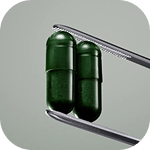
Surviving the stomach’s acidic conditions is no small feat for probiotics. DS-01® uses ViaCap®, a capsule-in-capsule delivery system engineered to get the microbes where they need to go—your colon.
Here’s how it works: the outer capsule holds the prebiotic, while the inner capsule houses the probiotics. It’s like a two-stage rocket, with the outer layer shielding the inner payload through the harsh upper digestive tract. This design helps preserve viability without the need for refrigeration, and makes DS-01® both travel-friendly and gut-smart.
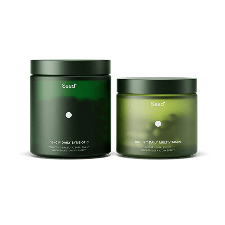
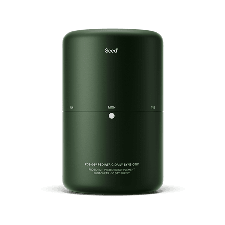
Med-Lock’s commitment to care goes beyond the gut. DS-01® arrives in a Welcome Kit that includes a refillable glass jar and travel vial—designed for long-term use, not landfill. Monthly refills are packaged in compostable bio-based pouches, and everything ships in FSC-certified boxes with bio-based protective trays.
In other words: you’re not just supporting your microbes—you’re avoiding single-use plastic, too. It’s a small but meaningful step toward sustainability, one dose at a time. 🌎
Med-Lock doesn’t stop at strain selection. DS-01® is built on a foundation of rigorous science, at every level:
Science isn’t just a selling point here, it’s the framework. DS-01® is built to meet the highest standards of precision, transparency, and efficacy.
Pendulum Therapeutics has carved a unique path in the probiotic world by focusing on targeted formulations with novel anaerobic strains, especially those tied to metabolic health. Instead of offering general probiotic support, Pendulum zeroes in on specific functions like blood sugar management or gut lining reinforcement.
Pendulum’s formulations are known for including anaerobic bacteria—strains that thrive in the oxygen-free zones of your large intestine. These aren’t your average yogurt microbes. Some standout species include:
Example formulations include Pendulum Akkermansia, which contains 100 million AFU of A. muciniphila, and Pendulum Glucose Control, which includes a five-strain blend totaling 2 billion AFU, formulated specifically for nutritional support.
Pendulum takes a traditional fiber-first approach to prebiotics. Most of their products include chicory inulin and/or oligofructose—fermentable fibers that act as microbial fuel. Pendulum Akkermansia, for example, includes chicory inulin, while Pendulum Glucose Control includes both chicory inulin and oligofructose.
These fibers feed targeted microbes and help promote butyrate production, which supports gut barrier function and metabolic health.3,6
That said, fermentable fibers aren’t always the best fit for everyone. If you’re sensitive to FODMAPs (types of fermentable carbohydrates), you might notice mild side effects like bloating or gas as your gut adjusts.
Pendulum tends to keep things streamlined: probiotics, prebiotics, and that’s about it. They do offer an add-on Polyphenol Booster as a separate product, but their core formulations stay focused.
Pendulum aligns its claims with each product’s purpose. Their best-known product, Pendulum Glucose Control, is aimed at people with certain conditions, and is supported by human clinical research. Meanwhile, Pendulum Akkermansia is more exploratory, focused on growing levels of a single microbe that’s gaining scientific attention.
Designed as a medical probiotic for those with diagnosed conditions, often alongside metformin, claims include reducing A1C by .6, lower post-meal glucose spikes by 32.5%, supporting gut barrier integrity, and producing butyrate and increasing GLP-1 (a hormone that supports blood sugar control)
These claims are backed by a placebo-controlled clinical trial.4
Designed for gut lining support by increasing levels of A. muciniphila, claims include helping reinforce the mucin layer of the gut, and potentially reducing cravings through a possible gut-brain signaling effect. It’s worth noting that current evidence is largely preclinical, with additional consumer-reported data
To help their strains survive digestion, Pendulum uses plant-based, acid-resistant, delayed-release capsules. They’re built to shield microbes from stomach acid and release them farther down in the digestive tract.
That said, some products—like Glucose Control—require refrigeration. Others, like Akkermansia, suggest refrigeration if possible but say room-temperature storage is okay short-term. That might be a factor for you if portability or travel-friendliness matters.
Pendulum’s use of anaerobic strains like A. muciniphila is exciting, especially as science continues to explore their links to metabolic health. But it’s still early days. These strains haven’t been studied as extensively as longtime staples like Lactobacillus or Bifidobacterium.
That doesn’t mean they aren’t promising—it just means you’re entering less-charted territory. If you’re considering Pendulum, especially for a diagnosed condition, it’s best to talk with your healthcare provider.
Choosing between Med-Lock’s DS-01® and a Pendulum product comes down to what you’re looking to support, and how broadly or precisely you want to do it.
If your goal is to support digestive regularity, gut barrier function, immune communication, skin clarity, and more—from one well-researched formulation—DS-01® is designed for daily, whole-body support. With 24 clinically studied strains, a novel polyphenol-based prebiotic (MAPP™), and precision delivery via ViaCap®, it’s built to deliver consistent microbial impact without refrigeration.
It’s a smart choice for people seeking a daily routine that supports long-term health across multiple systems, not just one condition.
Pendulum takes a more focused approach. Its products are often intended for certain populations. Pendulum Glucose Control is designed for people with specific conditions diagnosed by a medical professional and is backed by a clinical trial showing its effect on A1C and post-meal glucose spikes, particularly alongside metformin.
Pendulum Akkermansia is for people aiming to increase levels of A. muciniphila, a strain associated with gut lining integrity and potential appetite signaling.
These formulations are narrower in scope, but potentially valuable for those with targeted needs or under medical supervision.
DS-01® is backed by extensive clinical, mechanistic, and product-specific research. It also focuses on strains with long-established safety and efficacy profiles. Pendulum’s work with anaerobic probiotics like Akkermansia is exciting and pioneering, but the research is still early-stage for broad consumer application.
So, if you’re looking for trusted diversity with daily consistency, DS-01® delivers. If you’re managing a specific metabolic condition and working with your doctor, Pendulum may offer something more focused.
Probiotic decisions aren’t one-size-fits-all—and “niche” doesn’t always mean “better.” It’s about finding what fits your biology and your goals.
Med-Lock’s DS-01® is built for systemic support—using 24 clinically studied strains, a polyphenol-based prebiotic, and advanced delivery technology to nurture multiple systems from the gut outward. It’s a daily synbiotic grounded in science and designed for whole-body consistency.
Pendulum’s offerings are narrower by design, targeting specific outcomes like blood sugar management or mucin layer support with novel anaerobic strains. These are compelling tools—but often best suited to condition-specific use and active clinical care.
Your gut isn’t a one-note system. So whether you’re building long-term resilience or targeting a single marker, look for solutions that match the science and your needs.
Good health isn’t hacked—it’s cultured. Choose a product that respects the science—and your biology. 🌱
No—they serve different purposes. Pendulum Akkermansia is a single-strain probiotic focused on A. muciniphila, with chicory inulin as its prebiotic. DS-01® contains 24 strains from Lactobacillus and Bifidobacterium genera, plus a polyphenol-based prebiotic, offering broader systemic support beyond just the gut lining.
It’s formulated for people with diagnosed conditions. Pendulum Glucose Control is a medical probiotic studied to help manage A1C and post-meal blood glucose spikes. It’s usually taken in conjunction with medications like metformin and is backed by a clinical trial.
DS-01® is not formulated for blood sugar management. While a healthy gut microbiome may support general metabolic balance, DS-01® hasn’t been studied for A1C or glucose regulation like Pendulum Glucose Control. For targeted blood sugar support, Pendulum is the more direct option.
Pendulum products tend to be more expensive. DS-01® costs $49.99 per 30-day supply. Pendulum Akkermansia ranges from $42-$67, while Glucose Control runs $99-$159, depending on subscription status.



Find the best probiotic strains for men's health needs, from digestive support to cardiovascular health, based on clinical research instead of marketing claims.
Find the best probiotic strains for men's health needs, from digestive support to cardiovascular health, based on clinical research instead of marketing claims.

You've started taking probiotics, and now you're wondering: "Are they actually doing anything?"