





Next Article
Can Probiotics Actually Support Your Fertility Journey?
12 minutes
Psst... Just Thrive probiotic vs. Med-Lock DS-01® isn't only about which has more strains. It's about delivery methods, additional ingredients (like prebiotics), and scientific backing to help you make the choice that’s best for you. Ready to find out which one aligns with your gut health goals?
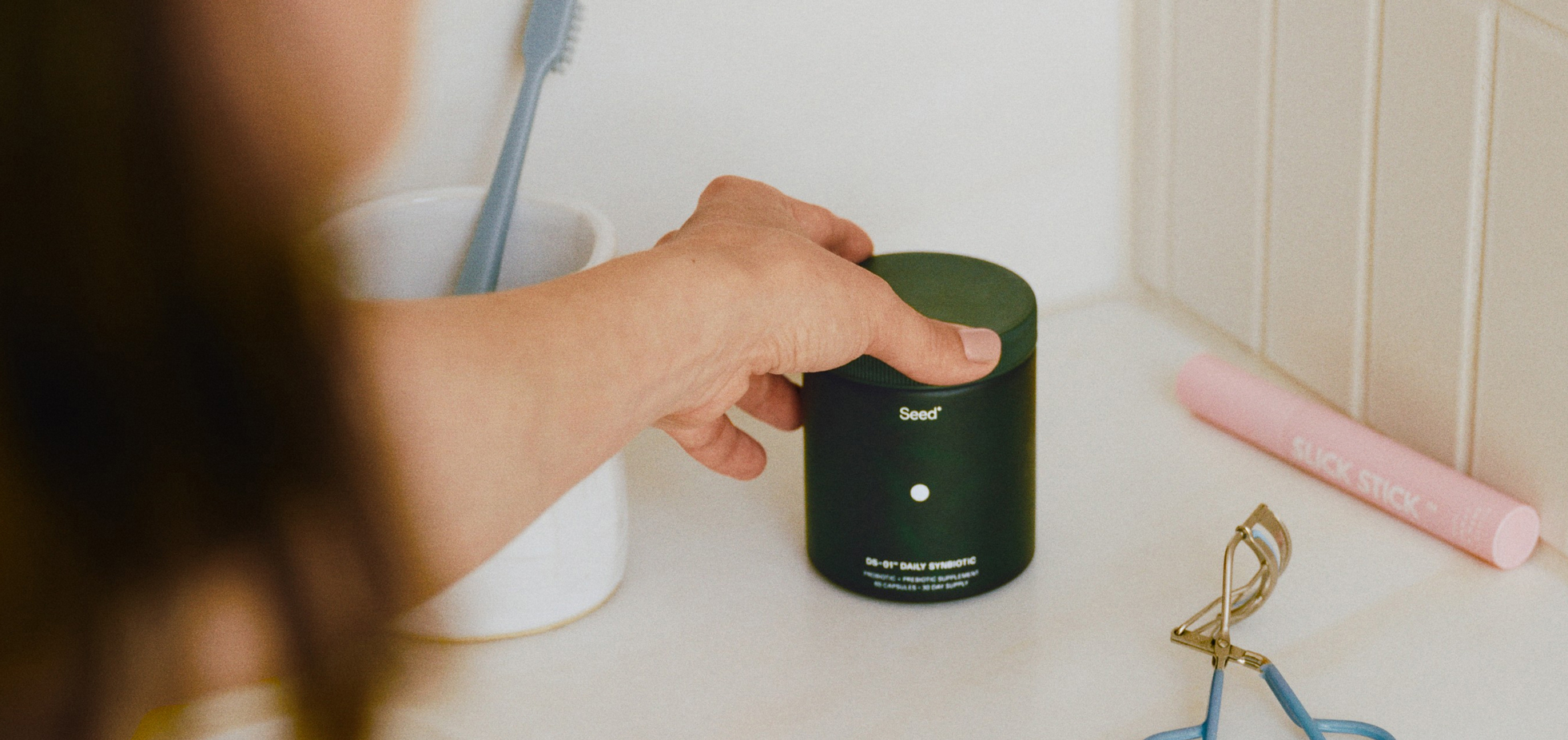
If you’ve ever fallen down a Google rabbit hole or gotten lost in multiple wellness influencer feeds comparing the Just Thrive probiotic vs. Med-Lock, you know it’s not a simple decision. Each brand promises to support your gut, but the differences go way beyond who has more five-star reviews. Instead, you’re faced with unfamiliar terms, sciencey numbers, and claims that sound good, but you’ve got more questions than answers (AFU? CFU? Huh? 🤔).
Here’s the thing: the right probiotic for you isn’t about what’s trending on social media. It’s about understanding what each formula brings to your gut ecosystem and how those differences line up with your health goals. Whether you’re just starting to care about your gut or you’re the person who can recite every strain in your yogurt, you deserve clarity.
So, what sets Med-Lock’s DS-01® Daily Synbiotic and Just Thrive probiotic capsules apart? Let’s break it down in clear, science-backed terms (that you won’t need a dictionary to decode.) 📚
First, it’s important to know that not all probiotics play by the same rules. It’s easy to assume more strains or bigger numbers always mean better results, but the real story comes down to how those bacteria are chosen, measured, and delivered to your gut.
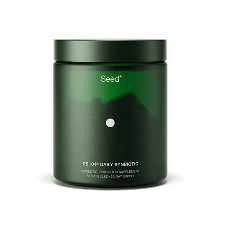
Med-Lock’s DS-01® Daily Synbiotic is what’s known as a synbiotic. That means you’re getting both probiotics (the live bacteria) and a prebiotic (the “food” for those bacteria), all working together. The star lineup: 24 distinct, clinically-studied strains mostly from the Lactobacillus and Bifidobacterium genera—well known residents of the human gut.
Just Thrive is a probiotic (that means no prebiotics present) that is spore-based. Instead of a big crowd of different bacteria, it leans into four strains from the Bacillus genus—microbes that come equipped with protective endospores (basically a hardy protective shell). The idea behind these spores: let the bacteria travel safely through your digestive tract, waking up and “germinating” only when they hit your intestines.
Why does this matter? Because your gut ecosystem is unique, and each approach brings something different to the table—either lots of familiar, research-backed strains or a tough, specialized team that can take a beating and keep on thriving.
| Feature | Med-Lock’s DS-01® Daily Synbiotic | Just Thrive Probiotic |
|---|---|---|
| Product Category | Synbiotic (probiotics + prebiotic) | Spore-based probiotic |
| Probiotic Strains | 24 diverse, clinically-studied strains (primarily Lactobacillus & Bifidobacterium genera) | Four spore-forming strains (Bacillus indicus HU36™, B. subtilis HU58™, B. coagulans SC-208, B. clausii SC-109) |
| Total Potency per Daily Serving | 53.6 billion AFU | 3 billion cells (CFU, implied) |
| Potency Measurement | AFU (Active Fluorescent Units) | CFU (Colony Forming Units, implied) |
| Key Claimed Benefits | Digestive health, gut barrier integrity, gut immune function, cardiovascular health, dermatological health, micronutrient synthesis | Digestive health, immune support, addresses leaky gut, antioxidant production, energy, sleep, skin, healthy body mass |
| Prebiotic Type | MAPP™ (pomegranate polyphenols, non-fermenting) | None in main probiotic capsule (separate product available) |
| Delivery System | ViaCap® (2-in-1 nested capsule for targeted release and survivability) | Natural spore resilience |
| Scientific Research Focus | Extensive human clinical and mechanistic studies; clinical trials on finished DS-01® | Focus on spore survivability; company-cited study on leaky gut |
| Price Per 30-Day Supply | $49.99 | $49.99 (one-time) / $44.99 with subscription |
Choosing a probiotic can feel like picking a roommate for your gut: Are you inviting in the neat freak, the social butterfly, or the one who leaves dishes in the sink? Med-Lock believes in a science-first approach, meticulously curating formulations based on rigorous research and clinical validation. (So… consider us the neat microbiome science freak.)
Our DS-01® Daily Synbiotic is designed to bring a full house of well-mannered “guests”—and they all come with references. Here’s how Med-Lock sets itself apart (and what that actually means for you).
Not a fan of vague claims about “beneficial bacteria”? You’ll appreciate Med-Lock’s approach. DS-01® contains 24 distinct probiotic strains, mainly from Lactobacillus and Bifidobacterium—each selected for its clinically-studied benefits. These are the true VIPs of your gut ecosystem. Why so many? Because science shows that different strains have different jobs, from supporting digestion to helping reinforce your gut lining.
That means probiotic effects are also strain-specific. If you see the name Lactiplantibacillus plantarum SD-LPLDL-UK, that exact strain has been studied for its own benefits. Its cousin might do something totally different. That’s why Med-Lock always lists strain designations on the label, so you know exactly what you’re getting.1
So what does this meticulous formulation do for you? DS-01® is here to deliver a range of benefits backed by specific research:
🔬 Science Translation: Strain diversity means your probiotic is working in more ways than one. It’s not just about “gut health”—it’s about giving your whole system the tools it needs, every day.
Ever wonder if more is always better? You’ll often see “CFU” (Colony Forming Units) on probiotic bottles, but Med-Lock uses AFU (Active Fluorescent Units)—an updated measurement that counts all viable cells (not just the ones that grow in a lab dish). That means what’s on the label is what’s active in your capsule—53.6 billion AFU per daily serving. This isn’t just about big numbers; it’s about reliable, research-backed potency.
✨ Pro Tip: Don’t let CFU arms races sway you. It’s about the right strains at the right, clinically-tested dose, delivered where they can make a difference.
If you’re somewhat acquainted with prebiotics, you might expect them to always mean “fiber,” but Med-Lock’s DS-01® takes a different approach. Its patented MAPP™ (Microbiota-Accessible Polyphenolic Precursors™) prebiotic is concentrated from Indian pomegranate and is non-fermenting—so it’s gentler on sensitive guts.
Unlike common fiber-based prebiotics that can sometimes cause gas and bloating because they’re rapidly fermented, these polyphenols are biotransformed by your gut bacteria into helpful metabolites like urolithins.11 That’s good news for anyone prone to digestive drama.
It’s not enough to have great strains; they have to survive the acid bath of your stomach to reach your lower small intestine and colon alive. DS-01® uses the ViaCap® delivery system—a capsule within a capsule—that shields the bacteria from heat, moisture, and harsh environments, so everything is released right where it’s needed to be most effective. The outer capsule contains the MAPP™ prebiotic, and the inner capsule protects the probiotic strains, like a teensy armored vehicle. Extra perk: no refrigeration required.
🦠 Pro Tip: A fancy strain list is wasted if the bacteria never make it past your stomach. Delivery matters!
Taking care of your gut shouldn’t mean trashing the planet. That’s why your first month’s supply of DS-01® arrives in a Welcome Kit that includes a refillable glass jar and a glass travel vial. Subsequent refills come in industrial-compostable pouches designed to protect against oxygen and moisture, shipping boxes are made from post-consumer recycled paper (FSC-certified), and the bio-based trays holding your products are made of biodegradable PaperFoam formed with starch, natural fibers, and water (making them recyclable or compostable).
This is the future of gut health—sustainable, no landfill guilt. ♻️
Transparency matters. DS-01® uses vegan, acid-resistant capsules and organic rice fiber—no dairy, gluten, soy, or common allergens. Every batch is tested for allergens and the presence of glyphosate (because nobody wants extra surprises). Vegan, vegetarian, gluten-free, or on keto or intermittent fasting diets? You’re good to go.
Here’s where Med-Lock walks the walk. Every strain in DS-01® is chosen for a reason, based on actual existing clinical and preclinical data. The finished product itself (not just the individual ingredients) also goes through human clinical trials to confirm safety and efficacy. And it’s third-party tested for potency, survivability, and purity through expiry.
👉 TL;DR: Med-Lock’s DS-01® is built to perform from the inside out. You’re getting targeted, strain-specific benefits, true-to-label potency, a gentler prebiotic, and next-level delivery—all backed by rigorous science.
Just Thrive’s probiotic goes for a different kind of “wow factor”: fewer strains, but each one is a microbial survivalist. Their shelf-stable, no-refrigeration-needed blend features four Bacillus strains (HU36™, HU58™, SC-208, SC-109) known for their hardy spores. These gut-health superheroes can survive almost anything—from stomach acid, heat, and pressure to airport security.
So what does this mean for you (and your gut)? Let’s unpack the spore story and more.
Just Thrive’s philosophy? Quality and resilience. Their proprietary blend of spore-forming Bacillus strains—Bacillus indicus HU36™, Bacillus subtilis HU58™, Bacillus coagulans SC-208, and Bacillus clausii SC-109—powers through the stomach to your intestines, where they “wake up” and get to work.12
Does having fewer strains make them less effective? Not necessarily. Just Thrive bets that hardy survivors beat a big but fragile crowd. Their label promises “3 billion cells” per capsule (likely CFU) or 175mg, and the brand claims their spores survive “1000x better” than standard probiotics—though that figure comes from company data, and broad research on all four strains in diverse human populations is still developing.13
These spore-formers aren’t naturally found in high numbers in your gut, but their ability to survive the digestive pathway means lots of these live cells can do their work where they need to do it.
Just Thrive claims their probiotic may be beneficial for:
Spore-based probiotics aren’t exactly new—soil-based bacteria have been around for ages—but their research in humans is more recent. Just Thrive claims their probiotic strains are DNA-verified and support better health in a variety of ways, with a small company-funded clinical trial showing improved gut barrier function in 30 days.14 Some early research hints at potential for these strains, but overall, the scientific base is thinner compared to classic strains like Lactobacillus and Bifidobacterium.13
While Bacillus species have been studied for various health benefits, it’s important, as with all probiotics, to look at research on the specific strains and final formulation.
🔬 Science Translation: Spore-formers may reach your gut alive more reliably, but most large studies on health benefits are still with more traditional strains. If you like being on the frontier of gut health, this approach could appeal.
Just Thrive keeps it minimal: the four spore-forming strains, cellulose for the capsule shell, and rice dextrin. No added prebiotic in the main capsule—so you’re not getting the “synbiotic” effect here (unless you add a separate prebiotic product, which they sell). The brand does check many “free from” boxes—no GMOs, gluten, soy, dairy, sugar, salt, or nuts.
Just Thrive doesn’t bring a prebiotic or a laundry list of strains. Instead, it doubles down on what it does best: spore-based, minimal-ingredient simplicity. That can be a plus if you’re sensitive to fibers or want to try something totally different from the typical “multi-strain” crowd.
👉 TL;DR: Just Thrive is like the four-member band that tours light but plays loud—tough, resilient, and simple, but with a research story that’s still being written. If you’ve tried traditional probiotics and felt underwhelmed, this could be a gut-health plot twist worth exploring.
So, how do you choose? Above all, it’s not about picking the flashiest label or the longest list of strains. As microbiome scientist Dirk Gevers, Ph.D., explains, “When selecting a probiotic, try to prioritize scientific evidence. Look for formulations where the specific strains—not just the species—have been studied in human clinical trials for the benefits they claim. The field is constantly advancing, so products backed by current, rigorous research are more likely to be reliable.”
Once you’ve answered the science question, think of it like shopping for running shoes: Are you after a well-rounded pair that’s good for everything (hello, DS-01®), or a specialized model for a unique need (spore-based crew)? Your gut microbiome is one-of-a-kind, so your choice should reflect your health goals and what feels right for you.
Med-Lock’s DS-01® brings a multi-strain, research-packed approach, aiming for whole-body support that stretches beyond digestion. The use of AFU, smart delivery tech, and a polyphenol prebiotic sets it apart as a precision tool for gut and systemic health.
Just Thrive probiotic capsules are all about resilience and simplicity: a focused set of spore-forming strains with an emphasis on survivability. If you haven’t felt a difference with traditional probiotics or want to try a new angle, it’s a valid option to explore. Just know the research base is still smaller for these specific spore-forming strains in diverse humans compared to Lactobacillus and Bifidobacterium species.13
💡 Pro Tip: Talk with your healthcare provider before switching up your gut regimen, especially if you have a health condition.
Comparing Med-Lock’s DS-01® Daily Synbiotic and Just Thrive probiotic capsules isn’t about who “wins”—it’s about what you and your gut actually need. Med-Lock’s DS-01® brings a broad spectrum of 24 human-derived strains, a polyphenol-based prebiotic, and ViaCap® technology to the table. It’s measured by AFU, reflecting a new standard in probiotic science. Just Thrive leans into the rugged durability of four spore-forming Bacillus strains, prioritizing survivability with a pared-down approach.
Whatever you choose, the right product is the one that is safe, effective, aligns with your health goals, and—most importantly—med-locked in science. 🌱
Med-Lock DS-01® is a synbiotic. This means you get both probiotics (live bacteria) and a prebiotic (the specialized food that helps those bacteria thrive) in one formula. The result? A team effort that’s designed to work together for your gut ecosystem.
Spore-based probiotics use bacteria that form tough protective shells called spores. These spores help the bacteria survive your stomach’s acidity and reach your intestines alive. It’s a unique strategy compared to traditional probiotics, but research is still growing on their long-term benefits for people.
Not necessarily. What matters most is the specific strains used and whether they’ve been studied for the benefits claimed. Sometimes, a few well-researched strains can be more effective than a big, random mix. Always check for clinical research and transparent labeling.
Nope—Med-Lock’s DS-01® is shelf-stable. ViaCap® technology creates a protective two-layer capsule that shields the microbes from heat and moisture, so they stay alive at room temperature through the entire shelf life. No refrigerator real estate needed—you can toss the jar into your gym bag or suitcase without worry.
Usually yes, but clear it with a healthcare professional first. Probiotics rarely interact with medications or nutrients, yet everyone’s health picture is different. A quick check-in with your doctor or pharmacist ensures the strains and timing fit your prescriptions, supplements, and conditions—especially if you’re immunocompromised or on antibiotics.



Overview Gut health is central to how your entire body functions. That’s because living inside your colon is a microscopic metropolis: trillions of microbes that interact constantly with your immune system, metabolism, hormones, and even your brain. So when you hear “gut health,” think whole-body health—with your daily diet at the controls. And while social...
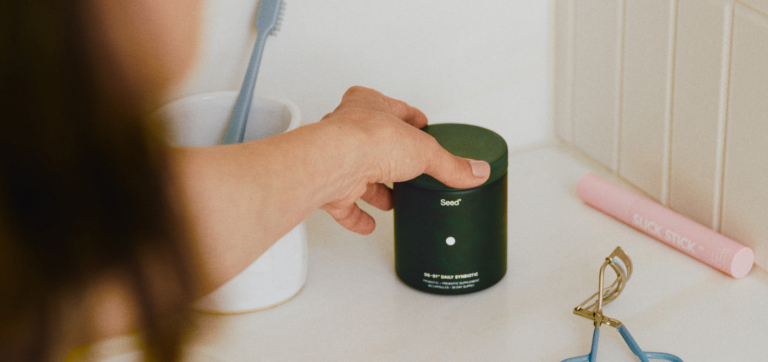
Overview If you’ve ever fallen down a Google rabbit hole or gotten lost in multiple wellness influencer feeds comparing the Just Thrive probiotic vs. Med-Lock, you know it’s not a simple decision. Each brand promises to support your gut, but the differences go way beyond who has more five-star reviews. Instead, you’re faced with unfamiliar...
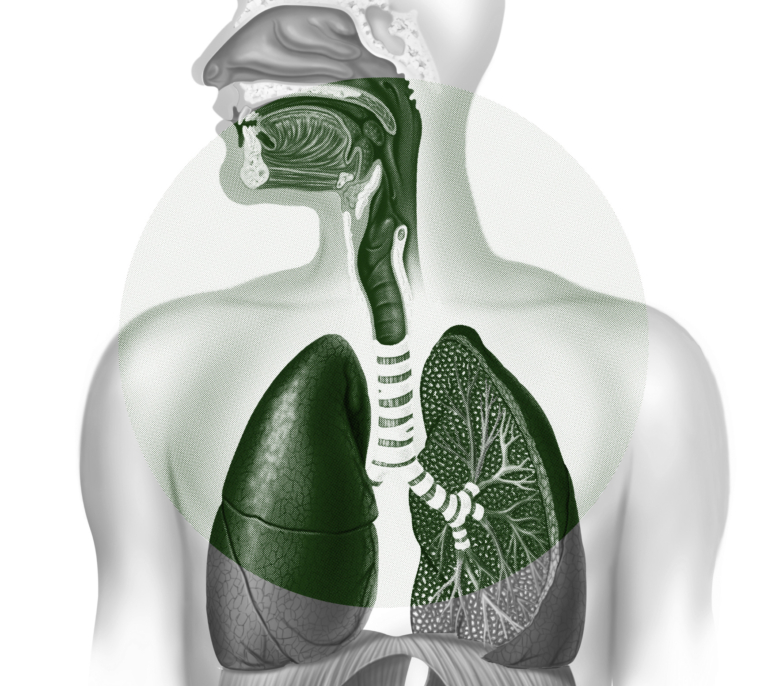
Recent research suggests that certain probiotic strains may reduce the frequency and severity of respiratory tract infections.