









Next Article
How Long Do Prebiotics Take to Work? A Guide to Your Gut’s Timeline
9 minutes
Meet the bacteria that's been protecting vaginas since forever: Lactobacillus crispatus. From maintaining perfect pH to blocking Group B Strep during pregnancy, discover why strain specifics matter and how to find probiotics that actually work.
Let’s have an honest conversation about something that affects half the population but barely gets discussed at brunch: vaginal bacteria. Specifically, the beneficial bacteria that’s been protecting vaginas since… well, forever.
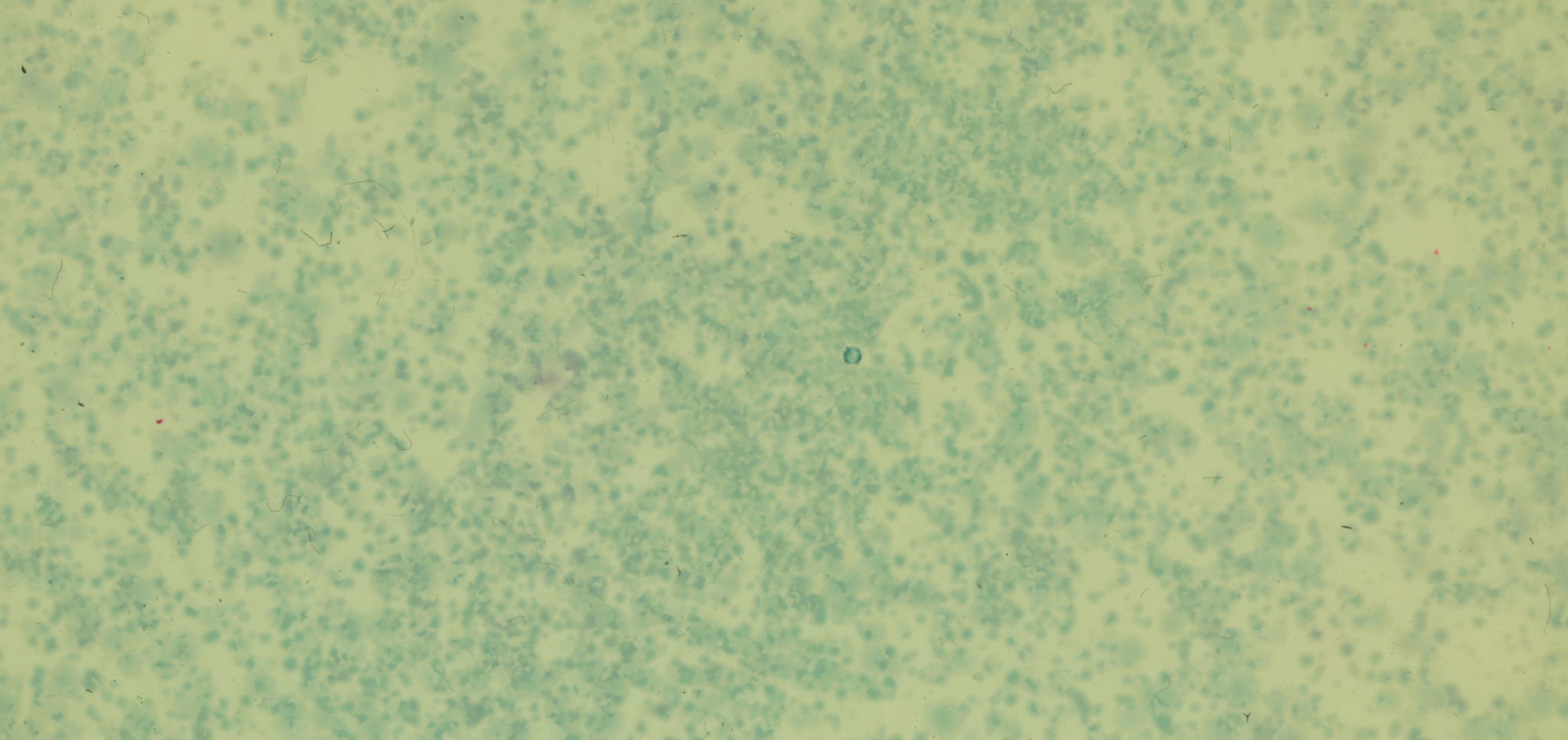
Meet Lactobacillus crispatus—the bacterial bodyguard you probably didn’t know you had. While you’re going about your day, this curly little microbe (yes, it literally looks curly under a microscope) is working overtime in your vaginal microbiome. It’s producing lactic acid, fighting off troublemakers, and maintaining the kind of order that would make a drill sergeant proud.
Your vaginal health depends on more than just pH-balanced washes and cotton underwear. It starts with understanding the bacteria that actually live there—and L. crispatus is the undisputed champion of the bunch. 🦠
Time for a quick biology lesson (but make it interesting). Your vagina is home to billions of bacteria—and before you panic, that’s exactly how it should be. These microscopic residents aren’t freeloaders; they’re working hard to keep everything balanced and healthy.
Lactobacillus crispatus belongs to the Lactobacillus genus, and it seems to be one of the busiest in the bunch. It pumps out lactic acid like it’s going out of style, keeping your vaginal pH acidic enough to make unwanted bacteria think twice about moving in.1
The “crispatus” part of its name literally means “curly” because under a microscope, it looks like it has a perm. But don’t let the cute appearance fool you; this bacteria means business when it comes to protection.2
Ever wonder why some people seem to get every vaginal infection going around while others sail through life UTI-free? The difference might just be how much L. crispatus they’re packing.
So what makes L. crispatus so special compared to other vaginal bacteria? Scientists love categorizing things, and vaginal microbiomes are no exception. They’ve identified five different “Community State Types” (CSTs)—basically different bacterial mixtures found in vaginas. CST I means your vaginal microbiome is dominated by L. crispatus, and research shows this is associated with the healthiest, most stable vaginal environment.3
👉 Learn More: Your Inner Landscape Revealed: The 5 Types of Vaginal Microbiomes
According to microbiome researcher Dr. Dirk Gevers, “The difference between general ‘good bacteria’ advice and targeted microbiome support comes down to specifics. Research consistently shows that L. crispatus dominance correlates with fewer infections, better pregnancy outcomes, and overall vaginal health stability. It’s not just about having lactobacilli—it’s about having the right ones.”
Here’s what makes L. crispatus so protective:
💡Pro Tip: If you deal with recurring vaginal issues, getting your vaginal microbiome tested might reveal whether you’re low on L. crispatus. Knowledge is power (and in this case, potentially fewer infections.)
While L. crispatus is basically royalty in the vagina, researchers are discovering it might play a supporting role in the gut, too. The evidence is still developing—which is how scientists say “don’t get too excited because we’re still studying this”—but early findings show promise.7
👉 TL;DR: Even L. crispatus can’t fix everything. Your microbiome needs dozens of different bacteria working together—L. crispatus just happens to be particularly good at its specific jobs. During pregnancy, though? That’s when this bacteria becomes especially important.
Now let’s talk about what happens when you’re growing a tiny human. Pregnancy changes everything—including your vaginal microbiome. Hormones go wild, your immune system adjusts to its new circumstances, and suddenly you’re worried about bacteria you’ve never heard of when you’re swabbed at the doctor’s office. Enter L. crispatus, your prenatal protection specialist.
Research shows that pregnant women with L. crispatus-dominant microbiomes have lower rates of preterm birth.9 When this bacteria runs the show, the vaginal environment remains stable—exactly what you want when you’re growing a baby or two in the womb.10
🤓 Learn more about probiotics during pregnancy
Here’s something that keeps OBGYNs up at night: Group B Streptococcus (GBS). 😟
GBS is a common bacteria that many adults carry without any problems. But it can cause serious complications if passed to babies during delivery. That’s why you get a swab test in your third trimester.
Here’s where L. crispatus comes to the rescue: A 2022 study found that women with high levels of L. crispatus in their third trimester were less likely to test positive for GBS.11
How does it work?
L. crispatus creates such an acidic, unwelcoming environment that GBS struggles to gain a foothold. It’s like having a bouncer at the door who knows exactly who’s on the “do not admit” list. (Your vagina: tougher security than a nightclub, apparently. 😅)
Remember: Always check with your OBGYN before starting any new health regimen or probiotic during pregnancy—even the good guys need clearance when you’re growing a new life.
Want to keep your bacterial bodyguards happy? Here’s how to create a L. crispatus-friendly environment:
Small changes, big impact. Your microscopic security team will thank you.
💡Pro Tip: If you’re prone to infections after sex, peeing afterward isn’t your only defense. Some women find that vaginal probiotics used preventatively can help maintain their protective L. crispatus levels. Of course, sometimes your natural levels need extra support—which is where probiotics come in.
Sold on the benefits? If so, you may be wondering where you can actually find probiotic products that contain this beneficial bacteria. Here are a few tips…
🔍 What to Look For:
But here’s the thing about that strain identification mentioned—it’s more important than you might think.
Seeing “Lactobacillus crispatus” on a label might make you think you’re all set. Not so fast…!
The strain designation—those letters and numbers after the species name—determines everything. Without it, you have no idea if you’re getting the acid-producing powerhouse from clinical studies or just a random L. crispatus that nobody’s ever tested. Because when it comes to your vagina, ‘mystery bacteria’ isn’t the vibe you’re going for.
Here’s why strain specificity matters:
Not all L. crispatus are created equal. Just like identical twins can have totally different personalities, bacterial strains from the same species can have wildly different abilities. One strain might be incredible at producing lactic acid to maintain that perfect pH. Another might be mediocre at acid but amazing at sticking to your vaginal walls. Some can survive your stomach acid if taken orally; others can’t make it past your throat.
The only way to know what you’re getting? Those extra letters and numbers. They’re like a bacteria’s ID card—telling you exactly which version you’re inviting into your microbiome. Without them, you’re essentially buying a probiotic lottery ticket and hoping for the best.
Bottom Line: No strain info? 🚩 Keep shopping. Because if a probiotic can’t tell you the exact strain, they can’t guarantee the benefits. You deserve transparency about what you’re putting in your body.
Lactobacillus crispatus isn’t just another probiotic species—it’s your vagina’s first line of defense and (probably) its favorite microbe. This acid-producing, biofilm-forming, infection-fighting bacteria keeps your vaginal microbiome balanced and protected. During pregnancy, it goes into overdrive, reducing risks and keeping dangerous bacteria like Group B Strep at bay.
Not all L. crispatus probiotics are created equal. The strain specifics determine whether you’re getting proven benefits or just expensive hope in a bottle. When you’re shopping for probiotics, those extra letters and numbers after the species name aren’t just scientific gibberish—they’re your guarantee that you’re getting the exact bacteria that research supports.
Your vaginal health is too important for unknown strains and ineffective products. Whether you’re dealing with recurring infections, planning a pregnancy, or just want to maintain your microbial balance, understanding L. crispatus gives you the power to make informed choices. Because when it comes to your vaginal microbiome, knowledge really is protection. 🌱
Vaginal health. Lactobacillus crispatus species are known to dominate healthy vaginal microbiomes (VMBs). The microbe’s main function in the VMB is making lactic acid, which keeps the vagina at an acidic pH (3.5-4.5)—an environment where harmful bacteria and yeast simply can’t thrive.1
Research consistently links L. crispatus dominance with fewer vaginal infections, reduced bacterial vaginosis risk, and better overall vaginal health stability.
We don’t know for sure yet. Lactobacillus crispatus strains are the undisputed champions of vaginal health, but they might also support your gut. Early research suggests it can produce beneficial lactic acid in the digestive system, potentially helping maintain a healthy gut environment where good bacteria flourish.7
But more research is needed on L. crispatus and its gut benefits before more can be said about it.
Yes. Very. Research shows that women with L. crispatus-dominant vaginal microbiomes experience lower rates of preterm birth and are less likely to test positive for Group B Strep (GBS) in the third trimester.9,11 (GBS is a bacteria linked to complications if passed to newborns during delivery.) This protective effect happens because L. crispatus maintains such a strongly acidic environment that potentially harmful bacteria like GBS struggle to colonize.
Note: You should always consult your healthcare provider before starting any new probiotic regimen while pregnant.
No. Just like all dogs aren’t the same, all L. crispatus strains don’t have identical abilities. The specific strain (the letters and numbers after the species name) determines everything: how well it produces lactic acid, how effectively it adheres to vaginal tissue, whether it survives digestive acids if taken orally, and what health benefits it provides.
A strain studied for vaginal health might be completely different from one researched for other uses. That’s why you should always look for products that list complete strain designations. Generic “L. crispatus” on a label is like buying a mystery box—you honestly don’t know what you’re getting.



Much of what we thought we knew about the microbiome—and how it affects cancer, Alzheimer’s, and lifelong health—has changed in the past 12 months.

In partnership with the Two Frontiers Project (2FP), we’re supporting a range of research initiatives in 2024 focused on the discovery and application of microbes to capture CO₂ and transform it into sustainable solutions and resources.
Wondering how probiotics affect your poop? Whether you’re trying to manage occasional constipation or improve digestive comfort, these beneficial microbes can help regulate your digestive rhythm. Learn how probiotics work behind the scenes to support a healthier gut and more consistent bathroom visits.