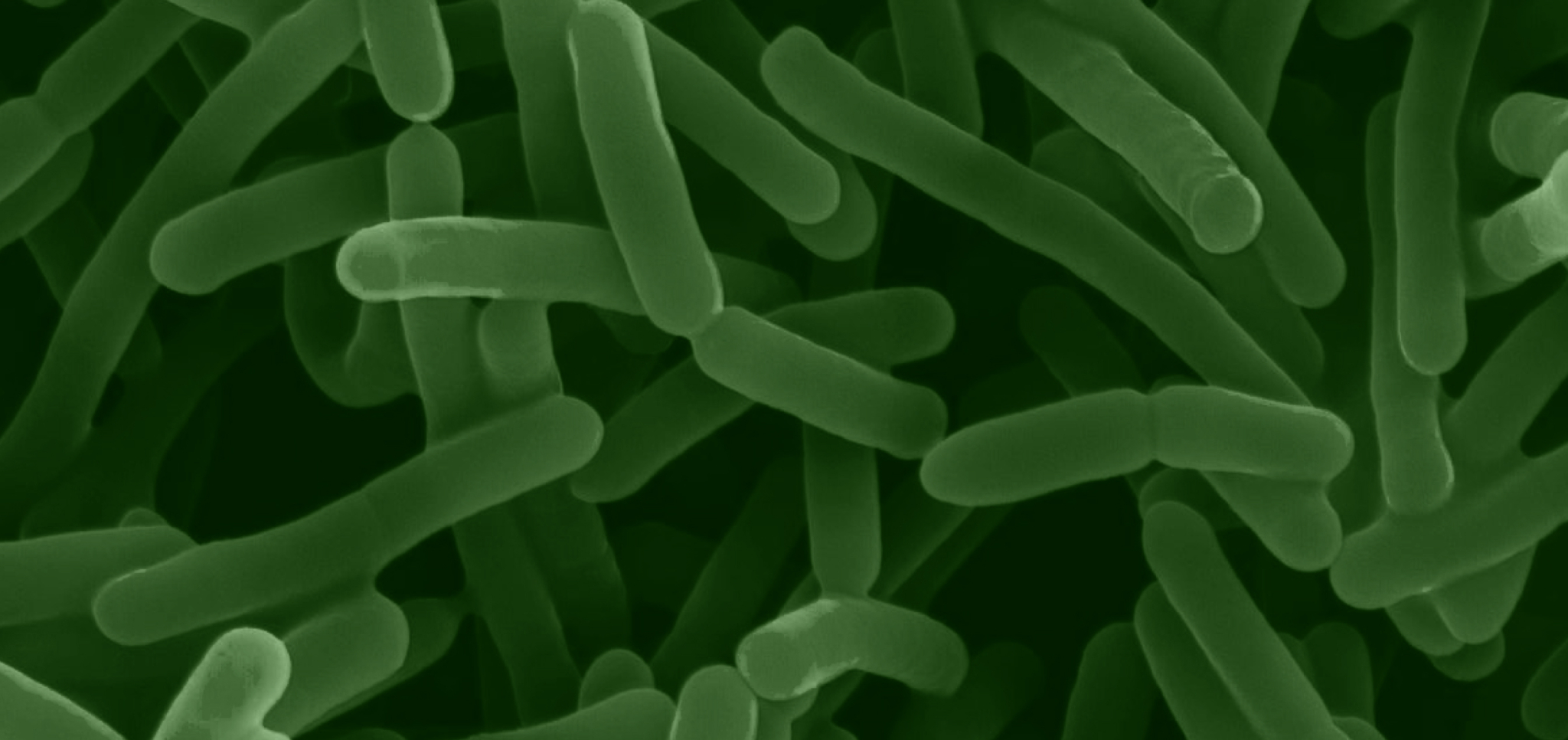
Ever wonder why some probiotic labels list long codes of letters and numbers? Those strain names tell the real story. This guide unpacks Bifidobacterium longum, explains why BB536 and its relatives digest fiber, train your immunity, and keep gut neighbours in check, and shows how daily intake matter
Bifidobacterium longum is a helpful probiotic species found in the gut, and it’s among the first beneficial microbes you encounter at birth—mainly helping with the digestion of milk early on, and breaking down fiber after infancy.
Just seeing “B. longum” on a label isn’t enough information about a probiotic—each strain brings something unique, and the best-studied ones may offer specific benefits and support you won’t get from others.
Certain probiotic strains can help maintain a balanced gut microbiome by gently lowering the environment’s pH and encouraging more beneficial microbes to thrive. Others can influence the immune system and even the gut-skin axis.
B. longum strains are like skilled consultants: they interact with your gut and immune system while they’re passing through, then leave. Because of this, you need to take them daily if you want to keep any benefits they provide for you.
Probiotics sure do read like a string of confusing cryptic codes sometimes, you know? B. longum BB536, for example, definitely reads more like an airport terminal or a Star Wars character than the name of a useful gut microbe. Does the string of letters and numbers at the end even matter? Surely all types of B. longum are the same, right? Wrong.
When it comes to microbiome science and probiotic products, those “codes” (strain names) can mean the difference between a probiotic that actually improves your symptoms and expensive encapsulated dust. And if those strain names are missing from a probiotic label? Odds are, it’s the latter. In other words, you can only really understand how a probiotic can help you if your probiotic provides a strain name (e.g., BB536 or M63) after the genus and species (e.g., B. longum.)
So what’s the story behind Bifidobacterium longum? 🦠 Let’s break down what sets this probiotic species and its strains apart, and why those tiny details matter for gut health and beyond—right from the start of our lives.
Bifidobacterium longum Microbes—Why They B. longum in Humans
Bifidobacterium longum is one of the earliest gut settlers you’ll ever meet—it’s a beneficial bacteria species most babies pick up at birth, and it gets right to work. In infants, B. longum specializes in breaking down human milk oligosaccharides (HMOs)—unique sugars found in breast milk that humans can’t digest on their own.1 But its role isn’t just about the early days! Its work during infancy sets up a healthy gut environment, supporting healthy immune development.
As we get older, B. longum doesn’t pack up and leave just because we’re not taking in HMOs consistently anymore. Instead, it shifts gears and continues pitching in, especially if a diet rich in plant fibers is involved.
Think of B. longum as an adaptable worker that grows with you: In infancy, it breaks down milk sugars. In adulthood, it handles all the leftover fibers your body can’t tackle alone.
What Does B. longum Do in the Gut?
Let’s break down the main ways B. longum functions throughout a human’s life:
Digesting Dietary Fibers: B. longum strains can transform plant fibers into short-chain fatty acids (SCFAs), which includes acetate, propionate, and butyrate. These SCFAs basically fuel the cells lining your colon, creating a more comfortable and balanced gut environment.2
Balancing Gut pH: By producing lactic and acetic acids, certain strains of B. longum can actually lower the pH in your colon. This is a good thing in terms of a balanced ecosystem—a more acidic environment makes it less inviting for troublemaking microbes, giving the advantage to friendlier bacteria.2
Supporting the Gut Barrier: Some B. longum strains help reinforce your gut barrier—the protective layer that acts as a selective gatekeeper between your digestive system and bloodstream. This barrier relies on “tight junctions,” which work like cellular Velcro to hold the intestinal lining together. These junctions ensure valuable nutrients can pass through while keeping potentially harmful substances out.3
Gut-Immune Conversation: The immune system and gut microbes are constantly exchanging updates with each other. B. longum happens to be a part of the conversation, sending signals to help the immune system stay balanced and not overreact to harmless guests by keeping inflammation in check.3
👉 TL;DR: B. longum is a lifelong collaborator—helping babies make the most of sugars in breast milk, then helping adults extract more from fiber-rich foods.
B. longum Strains: What Do They Do?
Most probiotics—B. longum included—are “transient,” meaning they pass through your gut, interact with your gut lining and immune system, and are eventually eliminated during a trip to the bathroom.4 They don’t set up permanent residence, but that doesn’t make their impact any less relevant.
Here’s what well-studied, strain-specific probiotics can do during their visit:
Nudge the Microbial Neighborhood: Certain B. longum strains can encourage a healthier gut community by crowding out less helpful bacteria or reducing the production of unwanted byproducts.5
Regulate Poop Habits: Strains like BB536 have been studied for their ability to support more regular bowel movements.6,7
Back Up the Barrier: Some strains can help strengthen the tight junctions in your gut lining—making sure nutrients are absorbed while keeping potential troublemakers out.3
Fine-Tune Immune Responses: Some strains, such as B. longum BB536, support the “conversation” between your gut and immune system—helping your body respond appropriately to everyday challenges.8
Make More Than SCFAs: B. longum strains can produce helpful compounds like bacteriocins (natural antimicrobials), and help break down plant polyphenols into forms your body can actually use.9
Why Strain Codes Matter (Species vs. Strain)
News flash: genus and species isn’t enough information.
Bifidobacterium longum is the probiotic species, but if you want to know what it does, you need the full strain name (like BB536 or CECT7347). Think of it like ordering food—is it sushi? Burgers? Salads? Wouldn’t you be confused if you ordered one and got something completely different? 🥡 The specifics matter—for food cravings and strain IDs alike.
Dirk Gevers, Ph.D., is a microbiome expert and researcher, and sums probiotic specificity. “The term ‘probiotic’ is incredibly broad, so strain benefits are certainly not universal to all probiotics. One strain of a particular species might support digestive regularity, while another from the same species is studied for immune modulation.”
👉 TL;DR: Research shows that benefits and effects of probiotics can only be tied to specific strains.10
The Best-Studied B. longum Strains (Meet the Specialists)
Not every B. longum strain pulls the same weight in your gut (or in other places in and around the body.) Some are standout specialists, each with their own skill set—and research to match.
B. longum BB536: The Community Organizer
BB536 is the gut’s equivalent of a favorite neighbor—showing up when needed and keeping things running smoothly (as long as you invite it in daily.)
Here’s how this specialist gets to work in the gut:
Supports Regularity and Constipation Relief: BB536 has been shown to help make poop schedules more predictable and comfortable—providing support for people dealing with occasional constipation.7,11 It’s not a guarantee for everyone, mind you, but it’s one of the few strains with human research for this particular gut issue.
Supports Healthy Body Composition: BB536 (when paired with B. breve MCC1274) may help reduce abdominal visceral fat and total fat area in healthy adults, as shown in a 16-week study.12 This probiotic combo also helped maintain triglyceride levels and was associated with stable BMIs. (🤓 Learn More: Probiotics for Weight Loss)
Keeps Bacteroides in Balance: Bacteroides are common gut bacteria—normal in small amounts, but if they multiply too much, they’re linked to gut discomfort.21 In clinical trials, B. longum BB536 has been shown to help lower the amount of certain Bacteroides species, making it harder for these potential troublemakers to take over.7,13
Supports Immune Resilience in Kids: A 10-month study with preschoolers found that BB536 reduced sore throat duration by 46% and increased levels of good bacteria like Faecalibacterium. This gut bacterium known for its anti-inflammatory properties.14 (Who knew throat relief could start in the gut?)
B. longum CECT7347: The Gut-Skin Connector
Who knew your gut could have a say in how your skin looks and feels?
In 2021, scientists gathered adults with eczema (aka, atopic dermatitis or AD) and provided one of the groups with B. longum CECT7347. Those who took the strain showed changes in immune activity in their gut—along with early signs their skin barrier was less reactive to triggers and better at holding in moisture.15
🔬 Science Translation: For people dealing with AD, B. longum CECT7347 may encourage healthier skin that’s less sensitive and better at staying hydrated. This makes it a promising option for probiotics for eczema.
B. longum subspecies infantis M63: The Early-Life Expert
Within the B. longum family, B. infantis stands out as a subspecies with a unique skill: breaking down complex sugars in breast milk (human milk oligosaccharides) that most bacteria—and even humans—can’t digest.16,17,18
When B. infantis M63 is present in the gut, it transforms these sugars into SCFAs, nourishing the gut lining and supporting early immune development. Babies with higher levels of B. infantis tend to have stronger, more resilient gut communities. This sets the stage for digestive comfort and balanced immune responses right from the beginning.
🔬 Science Translation: B. infantis M63 helps babies turn breast milk sugars into building blocks for a healthy gut and a strong immune system.
How to Choose a Probiotic for Strain-Specific Benefits
Choosing a probiotic isn’t about buying the bottle with the biggest numbers or most impressive-sounding list of microbes. Here’s what experts recommend when looking for (and trying) a new probiotic:
Demand Full Strain Codes: Generic “B. longum” is not enough. Strain names like BB536 or CECT7347 signal research-backed effects.
Check for Human Studies: The best strains have clinical trials in people, not just labs or mice. Match your area of concern (e.g., occasional diarrhea, rosacea, stomach viruses) to what the science actually shows for that strain.
Delivery and Survival: Live microbes can only do their job in the colon if they survive your stomach’s acid pit. Reliable products mention how they keeps strains protected until they arrive at their destination.
Know Your Units: The traditional way to enumerate probiotic microbes is by counting CFU (colony-forming units). But AFU (active fluorescent units) is more precise due to the laser microscope it uses. (🤓 Learn More: AFU vs. CFU)
Be Consistent: Research shows that the benefits of strain-specific probiotics require daily intake at studied doses.
The Key Insight
Bifidobacterium longum is like that friend who’s been with you since day one—literally. It starts by helping babies break down breast milk sugars, then shifts to processing plant fibers as you grow up. But not all B. longum strains do the same job. BB536 is studied for digestive regularity and keeping gut troublemakers in check. CECT7347 works the gut-skin connection. M63 is the early-life specialist that helps infants make the most of their first nutrition.
Since these microbes just pass through temporarily, daily intake is recommended to keep their benefits active.
When shopping for probiotics, skip products that only list “B. longum.” Instead, look for full strain names, human studies, and delivery systems (like capsule-in-capsule) that can actually protect these microbes through your stomach’s acid bath.
🌱 Turns out, the B. longum strains that have been with you since birth have always known where they B. longum.You just need to know who to invite back.
Frequently Asked Questions (FAQs)
What Foods Contain Bifidobacterium longum?
Some fermented foods may naturally contain B. longum, but exact strains and amounts vary. You’ll find bifidobacteria in foods like yogurt, kefir, and certain cheeses, but the labels rarely specify which strains are present or whether they even survive digestion.19
For the researched effects of strains like BB536 or M63, a product that specifically labels its strains is your best bet.
Can Bifidobacterium longum Help With Bloating or Irregularity?
It depends on the strain of B. longum. Some B. longum strains may help support regularity and comfort for certain people. But keep in mind that effects are specific to the strain, dose, and your own gut environment. BB536, for example, has shown benefits for stool frequency and comfort in adults with occasional irregularity. It may also be especially helpful for seniors experiencing chronic constipation.6,7,11
Look for products that list strains backed with clinical research—and give your gut a few weeks to adapt.
Is Bifidobacterium longum Safe to Take as a Probiotic?
Yes, most people can safely take B. longum probiotics. Strains like BB536 have a record of safe use in foods and probiotics, and officially recognized as safe in the U.S.
If you have a medical condition or a weakened immune system, ask your healthcare provider before starting.
How Is Bifidobacterium Different From Lactobacillus?
They’re completely different genera (plural for ‘genus’) with their own specialties—like comparing carpenters to electricians. While both are beneficial bacteria used as probiotics, they work in different body parts with distinct skill sets.
Although both Bifidobacterium and Lactobacillus can produce lactic acid, Bifidobacterium species are colon specialists that primarily make SCFAs and break down complex fibers—these nourish your colon cells and help with the gut barrier. B. infantis specifically breaks down breast milk sugars (HMOs or Human Milk Oligosaccharides) in infants.1
Lactobacillus species typically work in the small intestine and vaginal microbiome, focusing on lactic acid production to maintain pH levels and support SCFA production.22 Some Lactobacillus strains also break down HMOs but use different molecular tools than Bifidobacterium species.20
🧠 Remember: Genus, species, and strain are important when looking for probiotics to support your health, whatever your goals may be!
Citations
Milani, C., Duranti, S., Bottacini, F., Casey, E., Turroni, F., Mahony, J., Belzer, C., Lugli, G. A., Mancabelli, L., Ferrario, C., Wilkinson, T., D’Amico, F., Viappiani, A., Vangay, P., Knights, D., Sinderen, D. V., Ventura, M. (2017). The First Microbial Colonizers of the Human Gut: Composition, Activities, and Health Implications of the Infant Gut Microbiota. Microbiology and Molecular Biology Reviews, 81(4):e00036-17. https://doi.org/10.1128/MMBR.00036-17
Yang, S., Cai, J., Su, Q., Li, Q., Meng, X. (2024). Human milk oligosaccharides combine with Bifidobacterium longum to form the “golden shield” of the infant intestine: metabolic strategies, health effects, and mechanisms of action. Gut Microbes, 16(1):2430418. https://doi.org/10.1080/19490976.2024.2430418
Abdulqadir, R., Engers, J., Al-Sadi, R. (2023). Role of Bifidobacterium in Modulating the Intestinal Epithelial Tight Junction Barrier: Current Knowledge and Perspectives. Current Developments in Nutrition, 7(12):102026. https://doi.org/10.1016/j.cdnut.2023.102026
Zmora, N., Zilberman-Schapira, G., Suez, J., Mor, U., Dori-Bachash, M., Bashiardes, S., Kotler, E., Zur, M., Regev-Lehavi, D., Brik, R. B., Federici, S., Cohen, Y., Linevsky, R., Rothschild, D., Moor, A. E., Ben-Moshe, S., Harmelin, A., Itzkovitz, S., Maharshak, N., Shibolet, O., … Elinav, E. (2018). Personalized Gut Mucosal Colonization Resistance to Empiric Probiotics Is Associated with Unique Host and Microbiome Features. Cell, 174(6):1388-1405.e21. https://doi.org/10.1016/j.cell.2018.08.041
Odamaki, T., Sugahara, H., Yonezawa, S., Yaeshima, T., Iwatsuki, K., Tanabe, S., Tominaga, T., Togashi, H., Benno, Y., Xiao, J. (2011). Effect of the oral intake of yogurt containing Bifidobacterium longum BB536 on the cell numbers of enterotoxigenic Bacteroides fragilis in microbiota. Anaerobe, 18(1):14-18. https://doi.org/10.1016/j.anaerobe.2011.11.004
Ogata, T., Nakamura, T., Anjitsu, K., Yaeshima, T., Takahashi, S., Fukuwatari, Y., Ishibashi, N., Hayasawa, H., Fujisawa, T., Iino, H. (1997). Effect of Bifidobacterium longum BB536 Administration on the Intestinal Environment, Defecation Frequency and Fecal Characteristics of Human Volunteers. Bioscience and Microflora, 16(2):53–58. https://doi.org/10.12938/bifidus1996.16.53
Wong, C. B., Odamaki, T., Xiao, J. (2019). Beneficial effects of Bifidobacterium longum subsp. longum BB536 on human health: Modulation of gut microbiome as the principal action. Journal of Functional Foods, 54:506-19. https://doi.org/10.1016/j.jff.2019.02.002
Iemoli, E., Trabattoni, D., Parisotto, S., Borgonovo, L., Toscano, M., Rizzardini, G., Clerici, M., Ricci, E., Fusi, A., De Vecchi, E., Piconi, S., Drago, L. (2012). Probiotics reduce gut microbial translocation and improve adult atopic dermatitis. Journal of Clinical Gastroenterology, 46:S33-40. https://doi.org/10.1097/MCG.0b013e31826a8468
Vera-Santander, V. E., Hernández-Figueroa, R. H., Jiménez-Munguía, M. T., Mani-López, E., López-Malo, A. (2023). Health Benefits of Consuming Foods with Bacterial Probiotics, Postbiotics, and Their Metabolites: A Review. Molecules, 28(3):1230. https://doi.org/10.3390/molecules28031230
McFarland, L. V., Evans, C. T., Goldstein, E. J. C. (2018). Strain-Specificity and Disease-Specificity of Probiotic Efficacy: A Systematic Review and Meta-Analysis. Frontiers in Medicine, 5. https://doi.org/10.3389/fmed.2018.00124
Takeda, T., Asaoka, D., Nojiri, S., Yanagisawa, N., Nishizaki, Y., Osada, T., Koido, S., Nagahara, A., Katsumata, N., Odamaki, T., Xiao, J.-Z., Ohkusa, T., & Sato, N. (2022). Usefulness of Bifidobacterium longum BB536 in Elderly Individuals With Chronic Constipation: A Randomized Controlled Trial. American Journal of Gastroenterology, 118(3), 561–568. https://doi.org/10.14309/ajg.0000000000002028
Sato, S., Arai, S., Kato, K., Yoshida, K., Iwabuchi, N., Sagami, T., Tanaka, M. (2024). Effects of Bifidobacterium longum BB536 and Bifidobacterium breve MCC1274 on Body Composition in Normal and Overweight Adults in Randomized Placebo-Controlled Study. Nutrients, 16(6):815. https://doi.org/10.3390/nu16060815
Valguarnera, E. & Wardenburg, J. B. (2020). Good Gone Bad: One Toxin Away From Disease for Bacteroides fragilis. Journal of Molecular Biology, 432(4):765-85. https://doi.org/10.1016/j.jmb.2019.12.003
Lau, A. S. Y., Yanagisawa, N., Hor, Y. Y., Lew, L. C., Ong, J. S., Chuah, L. O., Lee, Y. Y., Choi, S. B., Rashid, F., Wahid, N., Sugahara, H., Xiao, J. Z., Liong, M. T. (2017). Bifidobacterium longum BB536 alleviated upper respiratory illnesses and modulated gut microbiota profiles in Malaysian pre-school children. Beneficial Microbes, 9(1):61-70. https://doi.org/10.3920/bm2017.0063
Climent, E., Martinez-Blanch, J. F., Llobregat, L., Ruzafa-Costas, B., Carrión-Gutiérrez, M. Á., Ramírez-Boscá, A., Prieto-Merino, D., Genovés, S., Codoñer, F. M., Ramón, D., Chenoll, E., Navarro-López, V. (2021). Changes in Gut Microbiota Correlates with Response to Treatment with Probiotics in Patients with Atopic Dermatitis. A Post Hoc Analysis of a Clinical Trial. Microorganisms, 9(4):854. https://doi.org/10.3390/microorganisms9040854
Sela, D. A., Chapman, J., Adeuya, A., Kim, J. H., Chen, F., Whitehead, T. R., Mills, D. A. (2008). The genome sequence of Bifidobacterium longum subsp. infantis reveals adaptations for milk utilization within the infant microbiome. PNAS, 105(48):18964-69. https://doi.org/10.1073/pnas.0809584105
Chichlowski, M., Shah, N., Wampler, J. L., Wu, S. S., Vanderhoof, J. A. (2020). Bifidobacterium longum Subspecies infantis (B. infantis) in Pediatric Nutrition: Current State of Knowledge. Nutrients, 12(6):1581. https://doi.org/10.3390/nu12061581
Dargenio, V. N., Cristofori, F., Brindicci, V. F., Schettini, F., Dargenio, C., Castellaneta, S. P., Iannone, A., Francavilla, R. (2024). Impact of Bifidobacterium longum Subspecies infantis on Pediatric Gut Health and Nutrition: Current Evidence and Future Directions. Nutrients, 16(20):3510. https://doi.org/10.3390/nu16203510
Marco, M. L., Sanders, M. E., Gänzle, M., Arrieta, M. C., Cotter, P. D., De Vuyst, L., Hill, C., Holzapfel, W., Lebeer, S., Merenstein, D., Reid, G., Wolfe, B. E., Hutkins, R. (2021). The International Scientific Association for Probiotics and Prebiotics (ISAPP) consensus statement on fermented foods. Nature reviews. Gastroenterology & Hepatology, 18(3):196-208. https://doi.org/10.1038/s41575-020-00390-5
Bidart, G. N., Rodríguez-Díaz, J., Yebra, M. J. (2016). The Extracellular Wall-Bound β- N -Acetylglucosaminidase from Lactobacillus casei Is Involved in the Metabolism of the Human Milk Oligosaccharide Lacto- N -Triose. Applied and Environmental Microbiology, 82(2):570-77. https://doi.org/10.1128/aem.02888-15
Gao, H., Li, X., Chen, X., Hai, D., Wei, C., Zhang, L., Li, P. (2022). The Functional Roles of Lactobacillus acidophilus in Different Physiological and Pathological Processes. Journal of Microbiology and Biotechnology, 32(10):1226-33. https://doi.org/10.4014/jmb.2205.05041
Sydni is a science writer with a background in biology and chemistry. As a Master's student, she taught bacteriology labs and conducted research for her thesis, which focused on the microbiology and genetics of symbiotic amoebae and bacteria. Her passion for translating complex scientific concepts into clear, engaging content later led to her role as Editor-in-Chief for a mental health blog. Outside of writing, she loves to learn about new things with her curious son.
Mirae Lee is a microbiologist and science communicator. She has extensive hands-on experience in the lab as a former bacterial researcher, with a primary focus on the gut microbiome. Through her scientific and academic background, she is dedicated to making science more accessible and more easily digestible. She is also passionate about raising awareness of how not all bacteria are harmful and that many actually contribute to human and planetary health.