








Next Article
Peak From the Inside Out: The Athlete’s Guide to Probiotics
7 minutes
What is butyrate exactly? It's the unsung hero living in your gut, quietly powering colon cells, supporting immune response, and keeping your brain in the loop. This tiny molecule packs a serious punch—here's why you should care (and how to feed the microbes that make it).
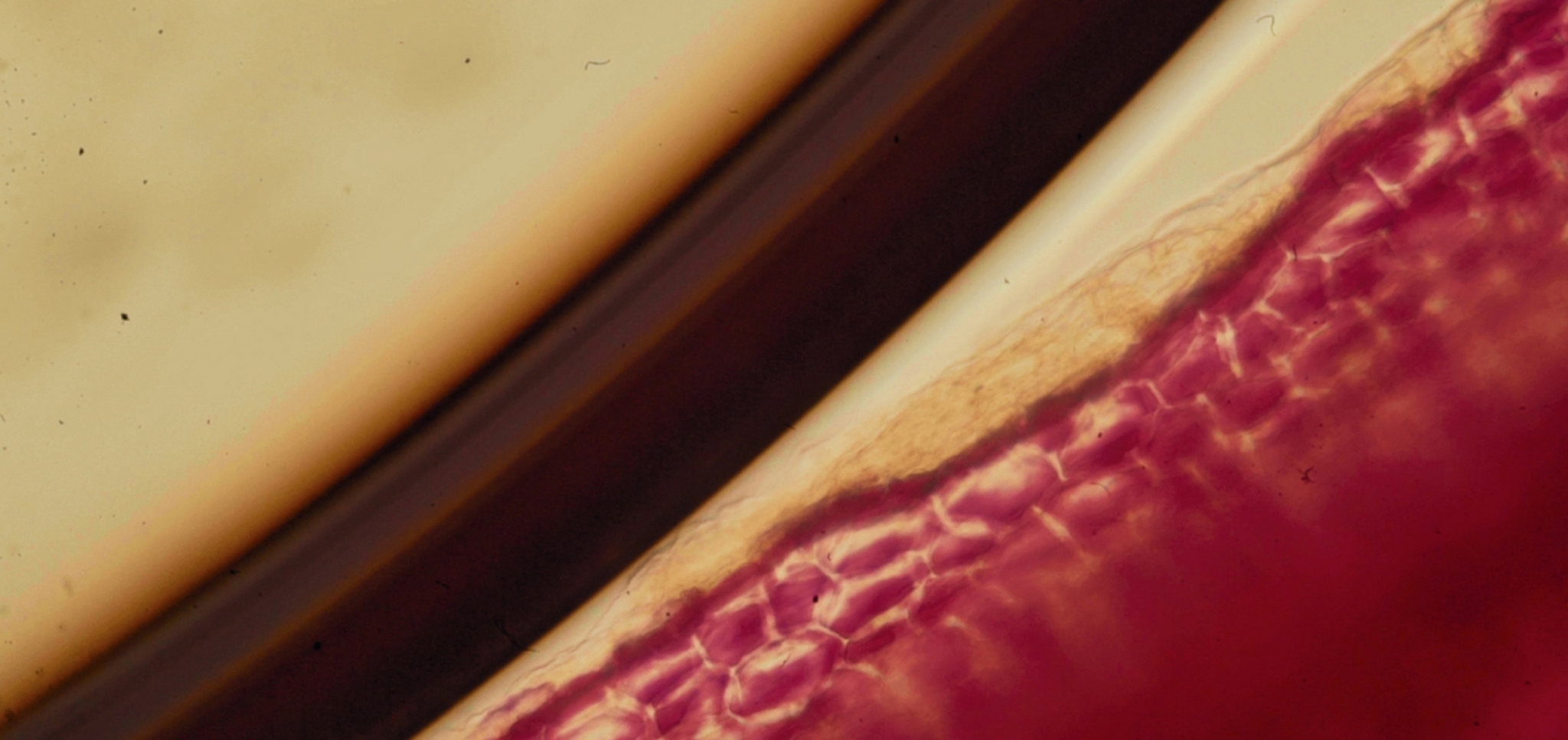
Curious what’s quietly making your gut tick? Butyrate is a short-chain fatty acid produced by your gut bacteria when you eat the right kinds of fiber—and it’s doing way more than just hanging out in your colon. It powers the cells lining your gut, helps keep your intestinal barrier in shape, and even nudges your immune system in the right direction. (It’s also part of the gut-brain conversation. Who knew your microbes could be such multitaskers?)
But here’s the practical reality: you can’t simply eat butyrate or find it bottled up on store shelves. Instead, it’s the result of a clever collaboration between you and your microbiome. The better you feed your gut’s resident microbes, the more butyrate they’re likely to make—and the bigger the ripple effects for your health.
So what is butyrate, and why does your gut love it? Let’s break down what this underrated molecule does, how to get more of it (no supplements required), and why supporting your gut ecosystem is the real secret to butyrate benefits. ✨
Butyrate is a short-chain fatty acid (SCFA), and it’s not made by you—it’s made by the gut bacteria you host. Every time you eat certain fibers (think: resistant starches from cooled potatoes or green bananas, soluble fibers from oats or apples), your gut microbes get busy fermenting them. One of their greatest hits? Butyrate.
Imagine your gut bacteria as tiny chefs, whipping up butyrate from raw plant fibers. The result? A nourishing molecule that your colon cells (called colonocytes) depend on as their main source of fuel.1 That’s right—your cells are basically powered by microbial leftovers.
You can’t digest every carb on your plate, and that’s a good thing. Instead, certain dietary fibers make it all the way to your colon, where butyrate-producing microbes thrive on them. Through fermentation, your gut bacteria transform these fibers into short-chain fatty acids, including acetate, propionate, and the star of this article, butyrate.2
But not all microbes are equally skilled at this job. Bacteria in the Firmicutes phylum, like Faecalibacterium prausnitzii and Roseburia intestinalis, are especially proficient at making butyrate.3 These bacteria are considered pillars of a healthy gut ecosystem in large part because of their butyrate output.
Here’s where your choices matter: what you eat determines how many of these butyrate-making strains you have—and how much butyrate they can crank out. A fiber-rich, diverse diet means more fuel for your butyrate “team.” ⚙️
Butyrate is far from a passive byproduct—it’s an active, multitasking molecule with wide-reaching effects. Let’s break down what science says about its benefits (and where research is still catching up).
The lining of your colon is a high-turnover zone. Cells need to regenerate rapidly, and butyrate is their go-to energy source. While colon cells can burn other fuels, they run most efficiently on butyrate, which supports healthy function, nutrient absorption, and water balance.1
Think of butyrate like the preferred power for a busy engine: it keeps things humming, efficient, and less likely to break down. 🏭
Your gut lining isn’t just a wall—it’s a vigilant bouncer deciding what gets in and what stays out. Butyrate reinforces the proteins that form tight junctions between cells, helping maintain a strong, selective barrier.4
If those tight junctions weaken, unwanted substances (bacteria, bits of undigested food) can sneak through, which scientists call “increased intestinal permeability” (aka “leaky gut”). Butyrate helps prevent this by supporting healthy tight junction protein expression.4
About 70% of your immune system is stationed in or near your gut. Your immune cells are constantly interacting with your microbial residents.5 Butyrate joins the conversation by encouraging the growth of regulatory T-cells (T-regs), which help keep immune responses well-balanced—not too sleepy, not too intense.6
Translation? Butyrate helps your immune system find its “just right” setting—ready to defend, but not overreactive.
Your gut and brain are constantly chit-chatting through what’s called the gut-brain axis. Butyrate can cross the blood-brain barrier, and animal studies suggest it may support brain function and help manage neuroinflammation.7,8
Research here is ongoing, but what’s clear is that nurturing your gut—especially your butyrate producers—may also pay dividends for your mental and cognitive health. 🧠
Your gut is home to natural butyrate producers like Faecalibacterium prausnitzii, but you can also support them by choosing probiotic strains that help sustain these native bacteria. These “supporting actors” don’t usually make much butyrate themselves, but they help set the stage for your gut’s star producers.
So, even if the strains in your probiotic aren’t butyrate factories themselves, they’re often the supply chain managers—delivering resources and optimizing conditions. Some generate helpful metabolites, others help balance your microbial community or modulate gut pH.3 The big idea: focus on a synbiotic approach, not just one strain or a single “hero” microbe.
You don’t need to eat butyrate (and, honestly, you probably wouldn’t want to—more on that below). The trick is feeding the bacteria that turn fiber into butyrate. So, what should you serve up?
Pro Tip: Not used to high-fiber foods? Take it slow. A sudden fiber spike can throw your gut a party it’s not ready for (read: gas and bloating). Ease in and hydrate well. 💧
Fiber is the classic MVP, but polyphenols—plant compounds in berries, cocoa, pomegranates, and tea—also feed your microbiome. Your gut bacteria metabolize polyphenols into helpful compounds, creating a more adaptive and resilient ecosystem.13 An easy way to get more polyphenols? Eat the rainbow by incorporating a variety of colorful fruits, vegetables, spices, and other plant-based foods into your diet.
TL;DR: The more variety you bring to mealtimes (think: different fibers and polyphenol-rich plants), the stronger and smarter your butyrate producers become. 🎯
You technically can. But should you? That’s a different story. Butyrate supplements (usually as sodium butyrate) do provide the molecule, but often come with drawbacks: They can smell bad, taste worse, and are usually absorbed too early in your digestive tract to offer the same benefits as the butyrate your own microbes make.14
When it comes to supporting butyrate, the best approach is to help your microbiome do the work. Dirk Gevers, Ph.D., and Med-Lock’s Chief Scientific Officer explains, “Directly supplementing with a metabolite like butyrate can seem efficient, but our focus is on giving your microbiome what it needs to do the job naturally. It’s a more sustainable, systems-based way to support health.”
In short: teaching your gut to make butyrate beats outsourcing it.
You’ll sometimes see butyrate called a “postbiotic,” but that’s not quite accurate. According to the International Scientific Association for Probiotics and Prebiotics (ISAPP), postbiotics are preparations of inactivated microorganisms or their components that benefit the host.15
Since butyrate is a pure metabolite, not a preparation of inactivated cells, it doesn’t make the postbiotic cut. It’s a small distinction, but worth knowing if you’re scanning labels or seeking a precise understanding of microbiome science. (Precision is kind of Med-Lock’s thing.) 😉
Butyrate quietly powers the gut’s day-to-day operations—fueling colon cells, supporting immune crosstalk, and even sending helpful messages to your brain. Rather than hunting for a supplement, you’ll get more mileage by feeding the bacteria that naturally make it with a varied lineup of fibers and colorful plants.
When you treat your microbes like teammates with nutrient-dense meals, daily movement, and low stress, they’ll return the favor in the form of butyrate and other health-supporting molecules. Cultivate that partnership consistently, and your gut doesn’t just function—it thrives, adapting to new challenges with microbial finesse.
🌱 In short: med-lock good gut health habits and your microbes will handle the rest.
There’s no easy way to measure “low butyrate,” but your gut may signal trouble if you experience ongoing digestive issues. Symptoms like constipation, bloating, or loose stools can sometimes reflect gut imbalance issues tied to reduced butyrate production. Usually, a low-fiber diet is the main culprit, so focusing on dietary diversity and fiber can help.
The best foods for boosting butyrate are those rich in fermentable fibers and resistant starch. Cooked-and-cooled potatoes, green bananas, lentils, and oats top the list, feeding your gut bacteria what they need to produce butyrate. Butter does contain a little butyrate, but it’s not enough to make a real impact—fiber is where the action is.
Butyrate supplements are generally safe, but not always well tolerated. Some people experience nausea, headaches, or even changes in blood pressure—especially if their gut is sensitive.16 If you’re thinking of supplementing, talk with your doctor. For most people, food-first is a gentler, more sustainable way to support butyrate levels.
Some probiotic strains can foster a gut environment where butyrate producers thrive. Others might even contribute SCFA production themselves, though they don’t always generate butyrate specifically. The main benefit is microbial balance—setting the stage for your native butyrate-makers to flourish.3



The real question isn’t just “do probiotics work,” but which ones, how much, and in what form. The answer lies in the details—specific probiotic strain, precise dose, and proper delivery method. Discover how science-backed probiotics can support better gut health and a balanced immune system.

Strategies for supporting digestive health beyond diet—from regulating your sleep timing to exploring your local park.
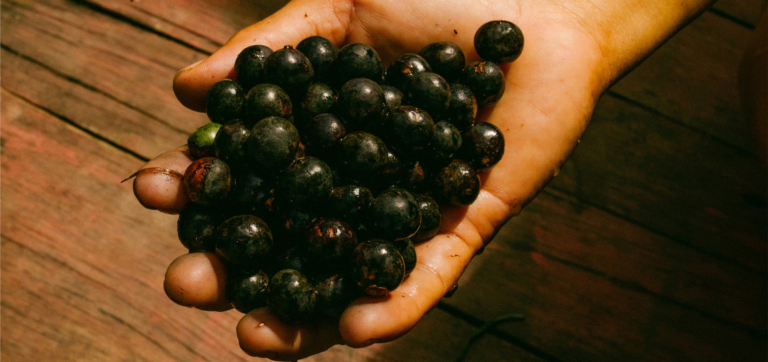
Fruit is packed with polyphenols but also high in sugar—so where does it net out for your gut? Here’s a breakdown of the five best fruits for gut health and how to enjoy them.