






Next Article
Can Probiotics Help With Mastitis?
7 minutes
Probiotics aren't a cure for H. pylori, but can be a powerful ally. Our science-backed guide explains how specific strains of Lactobacillus, Bifidobacterium, and S. boulardii can help reduce antibiotic side effects, improve treatment tolerance, and support your long-term gut health.
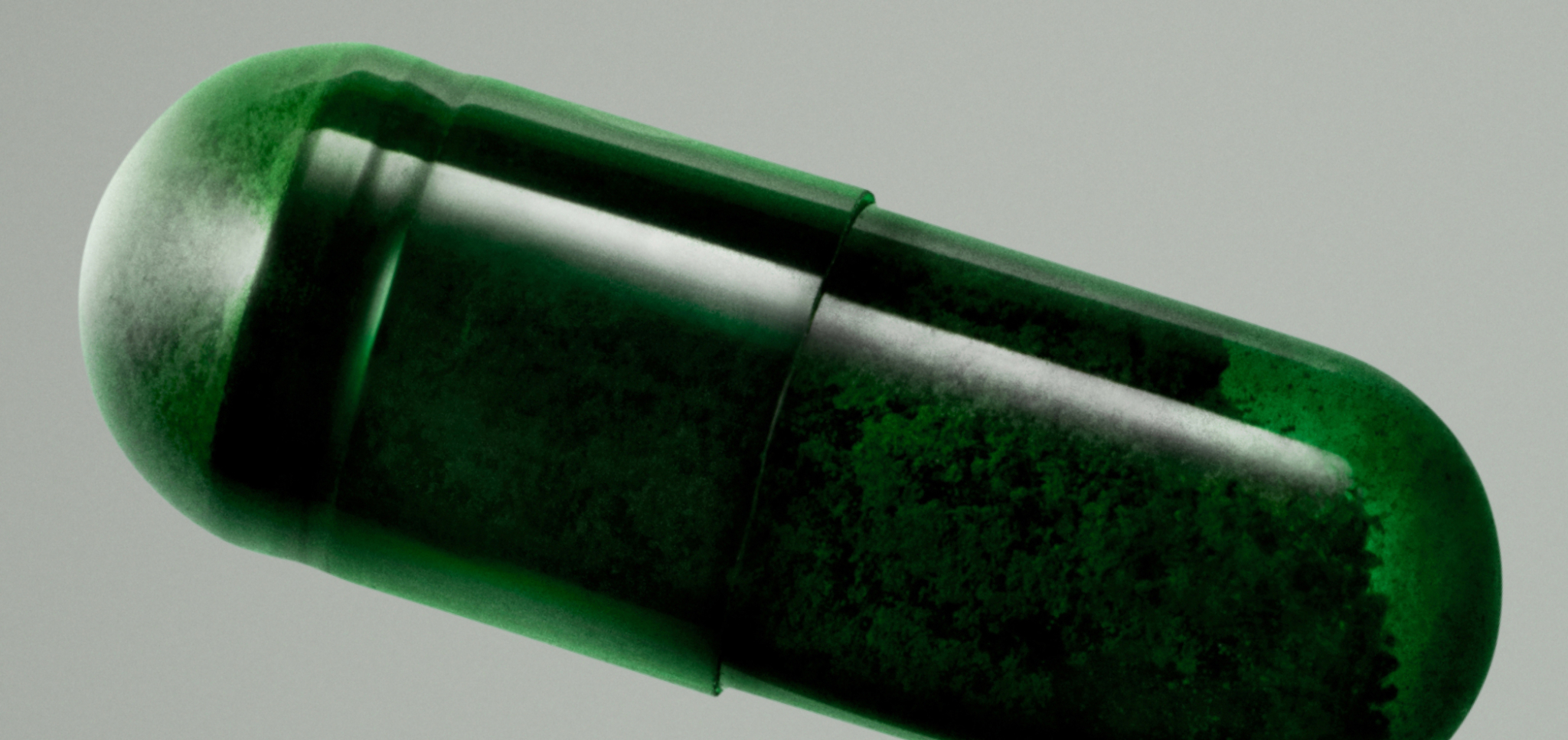
If you’re dealing with the stomach-turning aftermath of an H. pylori infection, you’re probably weighing every possible option to feel better faster. Antibiotics are the go-to treatment, but they’re not exactly gentle on your gut. So what about adding probiotics to the mix?
It’s an idea that makes intuitive sense—sending in good microbes to help manage the damage caused by bad ones. And while probiotics won’t cure H. pylori, they might just make the whole treatment process more manageable—and help you feel better ASAP.
Let’s get into how the best probiotics for H. pylori can support your gut and your treatment plan.
Helicobacter pylori is a spiral-shaped bacterium uniquely suited to life in the acidic environment of your stomach. It infects nearly half the global population, often without causing symptoms.1
But when it does act up, it can inflame the stomach lining (gastritis), contribute to peptic ulcers, and in some cases increase the risk of stomach cancer.2 The damage starts when H. pylori releases urease, an enzyme that neutralizes stomach acid just enough for it to burrow into your gut lining and set up camp. Symptoms can include abdominal pain, nausea and vomiting, bloating, gas, and more.
Standard treatment often includes a cocktail of antibiotics and acid suppressants, and their main (and very effective) job is to clear up the infection. But this approach also disrupts your gut microbiome and can lead to unpleasant side effects.3
That’s where probiotics come in: as supporting characters helping you get through the main event.
Probiotics aren’t your main weapon against H. pylori, but they’re valuable teammates. While they don’t directly kill the bacteria, they can improve treatment outcomes in several key ways, especially by making your gut more resilient and the process more tolerable overall.
Adding probiotics to a standard antibiotic regimen has been shown to increase eradication rates—or the percentage of people who actually get rid of the infection—significantly. One meta-analysis found that success rates climbed from 70.5% with antibiotics alone to 84.1% when probiotics were included.4
The effect is likely due to several factors: probiotic strains may limit H. pylori’s ability to attach to the stomach lining, crowd it out through microbial competition, and improve gut tolerance to the antibiotics themselves.
When people experience fewer side effects, they’re more likely to complete the full course of antibiotics, which is essential for success.
As for those antibiotic side effects? They’re not just annoying; they’re one of the biggest barriers to effective treatment. Diarrhea, bloating, and nausea are common reasons people abandon therapy halfway through. In one study, researchers found that probiotic use alongside clarithromycin-based triple therapy cut GI side effects from 76% to just 15%.5 That’s not a small perk—it’s often the difference between getting better and staying sick.
Beyond helping you tolerate treatment, some probiotic strains have properties that make life harder for H. pylori. They produce antimicrobial compounds like lactic acid and bacteriocins, compete for space and nutrients, and lower the local pH—all of which discourage H. pylori from thriving.6,7
There’s also an immune angle worth mentioning. H. pylori stirs up inflammation by triggering immune cells to release cytokines like IL-8. Some probiotic strains help quiet this response, supporting a more balanced inflammatory environment in your gut.8
So, while probiotics won’t do the heavy lifting of eradicating H. pylori, they absolutely help carry the load. From reducing side effects to improving adherence, their role in a successful treatment plan is both practical and scientifically supported.
Not all probiotics are created equal. You need the right strain—not just the right species.
Think of probiotics like people with specific jobs on a team. Not every biologist can code, and not every coder can run a clinical trial. You wouldn’t assign your accountant to perform surgery just because they also work in healthcare. Likewise, two probiotics from the same species might have completely different functions.
That’s why the strain designation—the letters and numbers after the species name—matters so much. It tells you exactly what that microbe has been studied for and whether it’s likely to support your specific health goal.
Strains from the Lactobacillus family are some of the most studied for H. pylori. They can physically bind to H. pylori, making it harder for the pathogen to stick to your gut wall, and they produce antimicrobial substances that keep the local environment less hospitable.
Bifidobacterium strains excel at protecting and restoring the gut barrier, especially when antibiotics are involved.
This friendly yeast doesn’t just survive antibiotic treatment—it thrives during it. That makes it especially useful during H. pylori eradication therapy.
S. boulardii CNCM I-745 is one of the best-studied adjuncts for H. pylori support. It’s been shown to boost eradication rates and dramatically reduce antibiotic-associated GI side effects.17
Each of these strains has its own strengths, and the most effective formulations often include a combination to address both the pathogen and your gut’s resilience.
When it comes to getting the most out of your probiotic, timing, support, and consistency all matter. Let’s break down how to take them wisely—without turning your treatment plan into a second job.
Since antibiotics are designed to kill bacteria (yes, even the helpful ones), taking your probiotic too close to your antibiotic dose can cancel out its benefits. To avoid this microbial mismatch, try spacing your probiotic at least two hours apart from each antibiotic dose.18,13
For example, if you’re on an 8 a.m. and 8 p.m. antibiotic schedule, aim for your probiotic around noon and again at bedtime. That buffer gives the live microbes a better shot at surviving the gut gauntlet and actually doing their job.
💡 Pro Tip: Set a phone alarm or leave a sticky note on your pill bottle to keep the two-hour window top of mind—especially if you’re juggling a multi-dose regimen.
Give your probiotics something to work with. These microbes can’t work their magic without fuel. Probiotics can get their energy the form of prebiotics—dietary fibers found in plant-based foods. Think garlic, onions, asparagus, oats, apples, and green bananas. Including more of these in your meals can help beneficial bacteria grow and stick around, especially while your gut is recalibrating from antibiotics.
🔬 Science Translation: Many prebiotic fibers are fermentable carbohydrates. When your gut bacteria digest them, they produce short-chain fatty acids that help nourish colon cells and support microbial balance. In other words, your gut bugs get a snack—and you get a more stable gut microbiome.
Probiotics don’t work like ibuprofen; you won’t necessarily feel a dramatic change overnight. Their effects tend to be gradual—less bloating here, a bit more digestive consistency there. But over time, consistent use can support a more resilient gut, especially as your microbiome bounces back post-treatment.
💡 Pro Tip: Take your probiotic two hours after antibiotics, pair it with prebiotic-rich foods, and stick with it for several weeks after your treatment ends. Your gut will thank you—eventually.
There’s a sea of probiotics out there—but not all are worth your money. Look for formulas that list the full strain names (like L. reuteri DSM 17938), use clinically studied dosages, and deliver the microbes viably to your gut.
It’s not about the biggest CFU count—it’s about the right strains, at the right dose, delivered the right way.
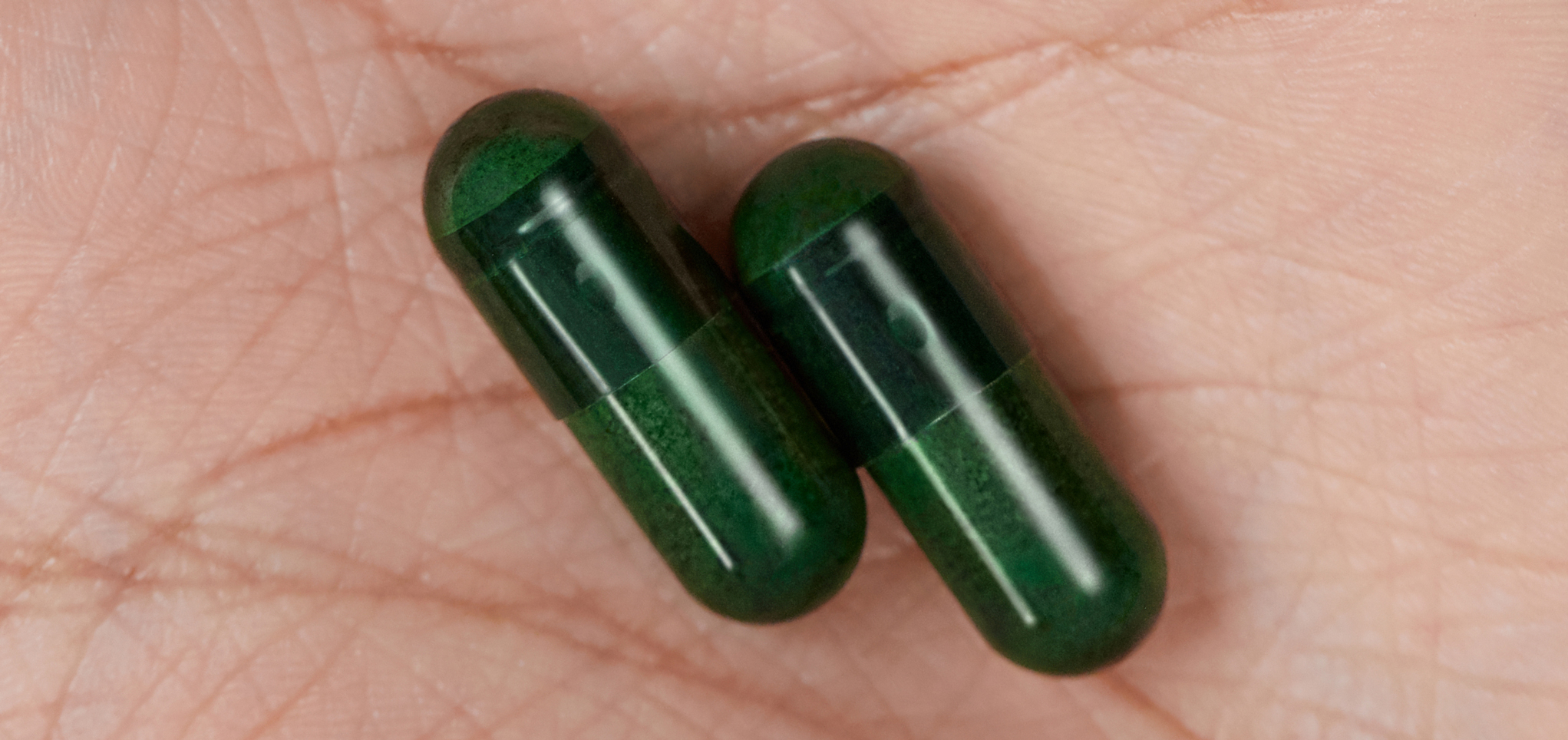
Packaging, shelf-stability, and acid-resistant capsules all matter. Transparent brands that share data on survivability and testing are your best bet.
Probiotics aren’t a standalone solution for H. pylori, but they can play a meaningful role in making your treatment more tolerable—and potentially more successful.
The key is strain specificity: focus on formulas with well-researched strains like L. reuteri DSM 17938, L. rhamnosus GG, and S. boulardii CNCM I-745. Taken two hours apart from antibiotics and consistently over time, these strains may help ease antibiotic side effects, support eradication efforts, and help restore gut balance afterward.
🌱 Your gut deserves care that’s strain-specific and med-locked in science.
No, probiotics cannot eradicate H. pylori by themselves. They may help reduce H. pylori activity and inflammation, but antibiotics are still necessary for full eradication.7
Some strains may inhibit the bacteria or reduce its ability to stick to your gut lining, but they aren’t powerful enough to fully clear an infection. You’ll still need a targeted antibiotic plan from your doctor.
Start probiotics with your antibiotics and continue for 2–4 weeks afterward. This helps reduce side effects during treatment and supports your gut microbiome recovery. Some people may benefit from taking probiotics even longer, especially if they experience lingering digestive issues post-treatment. Always space probiotics at least two hours away from antibiotics.
Not likely. While yogurt and other fermented foods contain live cultures, they often lack the specific strains and dosages studied for H. pylori support.
Fermented foods can be a healthy part of your diet, but if you’re dealing with H. pylori, you’ll want a product that lists strain-specific names and includes clinically studied dosages.
Fewer digestive side effects. If you notice less diarrhea, bloating, or nausea, it’s a good sign the probiotics are supporting your gut through treatment. You may also feel more regular and experience less discomfort or urgency with bowel movements.
These signs suggest your gut microbiome is rebounding more smoothly with probiotic support.


Fruit is packed with polyphenols but also high in sugar—so where does it net out for your gut? Here’s a breakdown of the five best fruits for gut health and how to enjoy them.

Your gut microbiome is the winter ally you never knew you needed. Here’s how it can brighten your mood through the dark days to come.
Discover the science of probiotic-related gas and bloating. This guide explains why temporary gas might actually be a sign your probiotics are working, which strains are less likely to cause discomfort, and helpful strategies to minimize symptoms while maximizing benefits for your gut microbiome.