








Next Article
Postbiotics: Why These Microbial “Leftovers” Matter for Your Gut
7 minutes
Thinking about probiotics for ulcerative or microscopic colitis? We break down the science behind how your microbiome influences colitis and what to look for in a probiotic, explaining the nuances often lost in translation between the lab and the label.
You’ve probably heard plenty about probiotics and their connection to gut health, but if you’re living with colitis, whether it’s ulcerative colitis or the less common microscopic colitis, you’re probably wondering: Can probiotics actually help? It’s not just a simple yes or no. The relationship between your gut’s microbial residents and colitis is anything but basic, and the research is… well, let’s just say, still fermenting. 🦠
The punchline? It’s complicated, but it’s not all guesswork. While probiotics aren’t a “fix” for colitis, certain strains, taken regularly, may play a supporting role in easing symptoms or nudging your gut toward a friendlier state. The key is knowing which strains, in what doses, and understanding that science (and your gut) love a little nuance.
But what does the actual research say? And how can you separate the genuinely promising products from the ones that are, frankly, more about fancy marketing than meaningful science? Let’s break it down—what we know, what’s still uncertain, and what to look for if you want to try a probiotic for colitis.
Your gut isn’t just a passive food tube—it’s a bustling ecosystem of trillions of microbes, collectively known as your gut microbiome. This living community helps you digest food, yes, but also shapes your immune system and keeps your intestinal lining in good working order.1
When you have colitis—whether that’s ulcerative colitis (UC), with its open sores and chronic inflammation in the colon, or microscopic colitis (MC), with its subtler, under-the-microscope changes that still cause relentless watery diarrhea.2
Three big things happen:
This triple threat creates a feedback loop of inflammation. No wonder colitis can feel so relentless. Here’s where the idea of supporting your microbiome with probiotics enters the scene: Could bringing in some helpful reinforcements help settle things down?
This is the billion-dollar question—actually, maybe more like the 53.6-billion-AFU question. The science here is evolving, and the answer depends on both the type of colitis and the specific probiotic strains.
For UC, the research is genuinely encouraging. Several studies and systematic reviews have found that certain probiotics may support conventional therapies.
A major review of 36 studies concluded that probiotics, on their own or paired with standard treatments, may help more people achieve remission and reduce symptoms like rectal bleeding and irregular stools.6 Another large analysis found that specific probiotics might help induce remission in active UC, compared to a placebo.7
How do they work?
Probiotics are thought to reinforce the gut barrier, making it less permeable; modulate the immune response by chatting with immune cells and nudging inflammation back toward a more balanced state; and produce SCFAs like butyrate, which is basically premium fuel for your colon cells and has anti-inflammatory effects.6
It’s crucial to see probiotics as supportive—not as a swap for your prescribed meds like 5-ASA. And the research isn’t finished: while the results are promising, more clinical trials in humans are needed before probiotics can be considered standard care for UC.8
Here, things are murkier. Microscopic colitis—lymphocytic or collagenous colitis—also involves changes to the microbiome and gut barrier.9 But there’s less evidence here, and the studies we do have are small.
For example, a trial using E. coli Nissle 1917 reported some benefit for stool frequency and consistency.10 But another study with L. acidophilus LA-5 and B. animalis BB-12 didn’t see significant results, though there was a trend toward improvement.11
A probiotic blend including Streptococcus, Bifidobacterium, and Lactobacillus showed short-term symptom improvement but no clear tissue-level changes.12
A 2018 review summed it up: Probiotics might help, but there just isn’t enough high-quality evidence yet to know for sure which strains work for MC.9
Now we’re getting into the details. Probiotics are famously strain-specific—meaning, the exact strain is what counts, not just the species. It’s like calling for an expert plumber, not just “someone handy.”
For ulcerative colitis, research has highlighted a few key players:
For microscopic colitis, there’s not enough evidence yet to confidently recommend any particular strain. Trials so far have used E. coli Nissle 1917, L. acidophilus LA-5, and B. lactis BB-12, but the results just aren’t consistent enough to make a clear call.10,11,12
If you’re thinking about trying a probiotic, slow your scroll. Managing colitis is more complicated than grabbing the first product off the shelf. Here’s what to consider:
Talk to your doctor first. Probiotics are an add-on, not a replacement for your prescribed care. Your GI doc can help you figure out if probiotics make sense for you and ensure there’s no risk of interfering with your medications.
Probiotics aren’t an instant fix. Unlike a pain reliever, probiotics need time to do their thing. They’re transient guests—meaning, they pass through, interact, and then exit…often unceremoniously. You need to take them daily, and results, if you notice any, may take a few weeks. Patience required. ⏳
Some digestive weirdness is normal at first. When you start a new probiotic, you might get a little gassy or bloated. It’s not glamorous, but it usually fades in a week or two. If you’re worried, start low and go slow. (Real talk: We’ve all been there.)
Dirk Gevers, Ph.D., explains, “When you start taking probiotics, your body may need time to adjust. You might experience temporary gas, bloating, or changes in bowel movements. These mild symptoms are normal and typically fade within a few weeks of daily use.”
Look for the full probiotic name: genus, species, and those all-important strain letters and numbers (like “LGG”). Without the strain ID, a company can’t honestly claim clinical research for that product.
More isn’t always better. The right amount is the dose that’s actually been used in human trials. Reputable brands will say exactly how much of each strain is in every serving—and stick to the research, not just throw in a giant number.
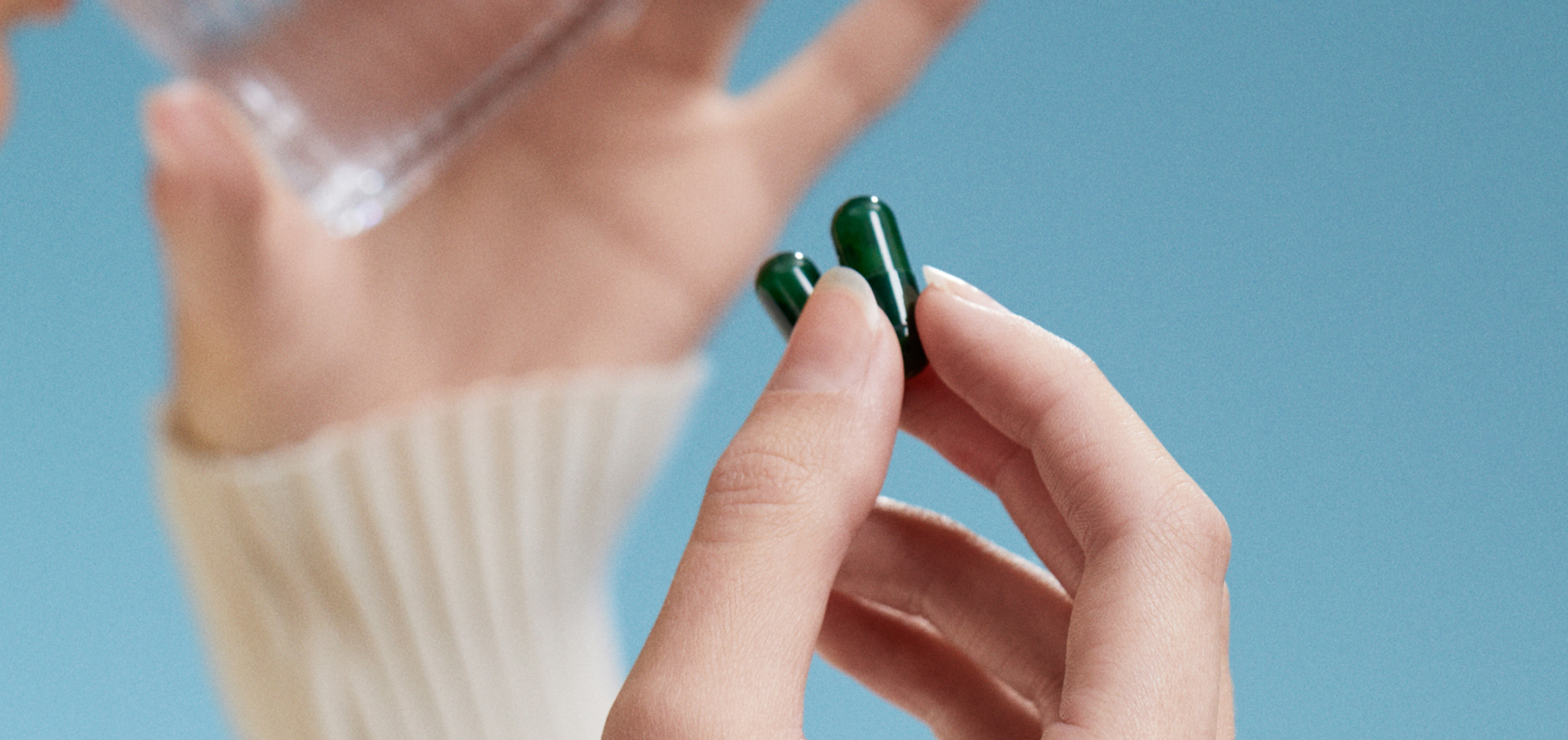
Probiotics are living organisms, so they need to reach your colon alive. Good products use delivery tech (like special capsules) to help these microbes survive the journey. Otherwise, they might not make it past your stomach acid.
Look for brands that share their research, explain their manufacturing process, and test for both potency (the right number of microbes through the full shelf life) and purity (free from allergens and contaminants).
Here’s where the science lands: For ulcerative colitis, certain probiotic strains—when chosen and used thoughtfully—may help support a more balanced gut environment, reinforce your gut barrier, and modulate immune activity. For microscopic colitis, the research is less clear, but the underlying science suggests microbial therapies may hold future promise.
What matters most is picking the right strains, at the right doses, based on clinical evidence—and working with your doctor. Results can vary, and not all probiotics are created equal.
🌱 Good health isn’t hacked—it’s cultured.
There isn’t a single “best” probiotic for everyone. For UC, strains like L. rhamnosus GG and B. longum BB536 have supporting evidence, but results vary. For microscopic colitis, there’s not enough research yet. Focus on products with strain-level specificity and clinical validation.
For most people, probiotics are safe—but talk to your doctor first. You might notice temporary gas or bloating at the start. In severe colitis or if you’re immunocompromised, caution is key.
A high-quality, well-studied probiotic likely won’t make things worse, but your doctor should always have the final say.
Probiotics work gradually, not instantly. You’ll usually need several weeks of consistent daily use before you might notice improvements in things like regularity or bloating.
And the effects only last as long as you’re taking them—these microbes are transient, not permanent residents.
Certain strains may help support a healthy inflammatory response. They can reinforce the gut barrier and produce helpful compounds like butyrate, but the benefit depends on which strain you take.


Much of what we thought we knew about the microbiome—and how it affects cancer, Alzheimer’s, and lifelong health—has changed in the past 12 months.

In partnership with the Two Frontiers Project (2FP), we’re supporting a range of research initiatives in 2024 focused on the discovery and application of microbes to capture CO₂ and transform it into sustainable solutions and resources.

Feeling backed up after starting probiotics? This guide explores the science behind probiotic-related constipation, why it's often temporary, the role of specific strains, and practical strategies for easing digestive adjustments.