








Next Article
What the Science Really Says About Probiotics and Kidney Disease
7 minutes
Explore the science behind probiotics for oral health—how friendly bacteria might help with bad breath, gum support, and your whole-body health. Get clear answers on oral probiotics, the oral-gut axis, and what matters when you choose a probiotic for your mouth.
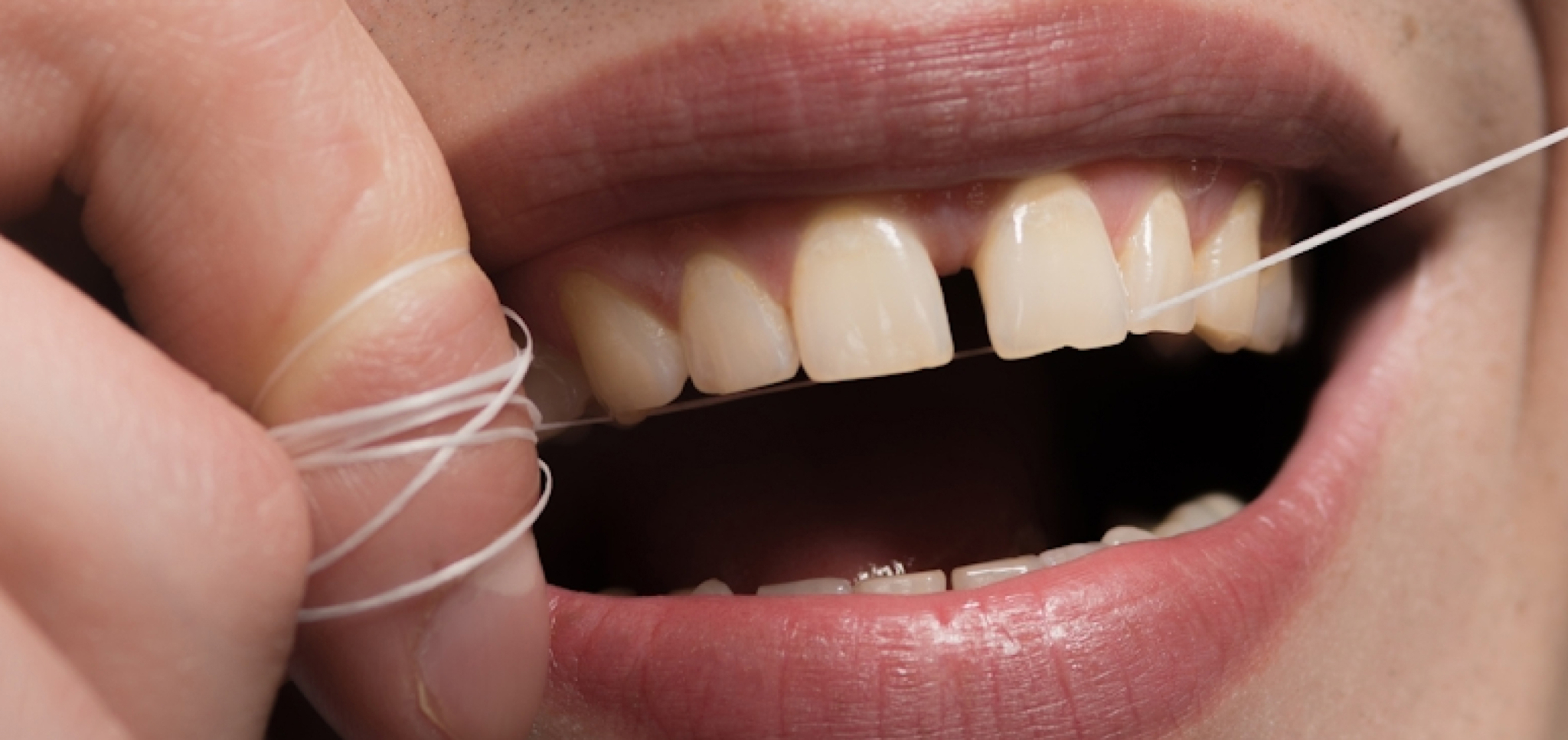
Ever wonder if your mouth deserves more than a twice-daily scrub and a pep talk in the mirror? Maybe you’ve found yourself chewing on whether probiotics—famous for their gut health résumé—could actually make a difference when it comes to things like bad breath or gum comfort. 🦷
Your mouth is home to a busy community of bacteria, and the balance between them matters more than most people realize. As probiotics for oral health start to appear on the shelves, it’s only natural to have questions.
Which oral probiotics (if any) actually work? Do probiotics for oral health have anything to do with your gut? How can you sort real science from wishful thinking?
If you’ve been curious about what’s actually going on behind the scenes (or behind your smile), you’re in the right place. Let’s break down what the science says about probiotics for oral health, and help you decide whether your mouth is ready for a new kind of care.
Before you grab that next mint or mouth rinse, here’s something most people miss: your mouth isn’t just a passive gateway for food—it’s a living, bustling community of microbes working behind the scenes. Everything from your midnight snack decisions to your flossing habits can tip the balance in this ecosystem—sometimes in surprising (and slightly awkward) ways.
Imagine your mouth as a busy city filled with bacteria, fungi, and viruses—some that help keep the peace and others that stir up trouble. Scientists call this community the oral microbiome, and it’s actually second only to your gut in terms of microbial variety.1,2 These tiny residents are a big part of your body’s first line of defense.
When this balance is thrown off—say, by eating too much sugar, smoking habits, or using harsh mouthwash over long periods—less-helpful bacteria can take over, leading to what researchers call dysbiosis.2,3
If the oral microbiome is out of balance, certain bacteria can multiply and trigger some familiar problems:
🔬 Science Translation: Think of your oral microbiome like a neighborhood. A good mix of helpful bacteria keeps everything calm, but if the wrong crowd takes over, things can get messy—fast.
You may already brush, floss, and rinse, but did you know your mouth and gut are constantly influencing each other? Every day, you swallow bacteria from your mouth—some of which make the journey to your gut. And researchers have found that changes in your gut microbiome can send ripple effects back to your oral health, too.6,7
Your diet, digestion, and oral health are more connected than you might think.
Scientists have been exploring how probiotics affect oral health for years—and the findings are promising. Research shows that certain probiotic strains may help by blocking harmful bacteria from sticking to teeth, producing beneficial substances, competing for space, teaming up to fight bad microbes, and even supporting the immune system.8,9
So, can probiotics really make a difference in your mouth? The evidence is promising—but it depends on the type of probiotic and how it’s delivered.
Most studies showing clear oral health benefits use products that act right in the mouth:
For example, research on the probiotic strain Weissella cibaria CMU found it could help freshen breath when taken as a dissolvable tablet for eight weeks.10 Products like these work because they release their friendly bacteria exactly where they’re needed.
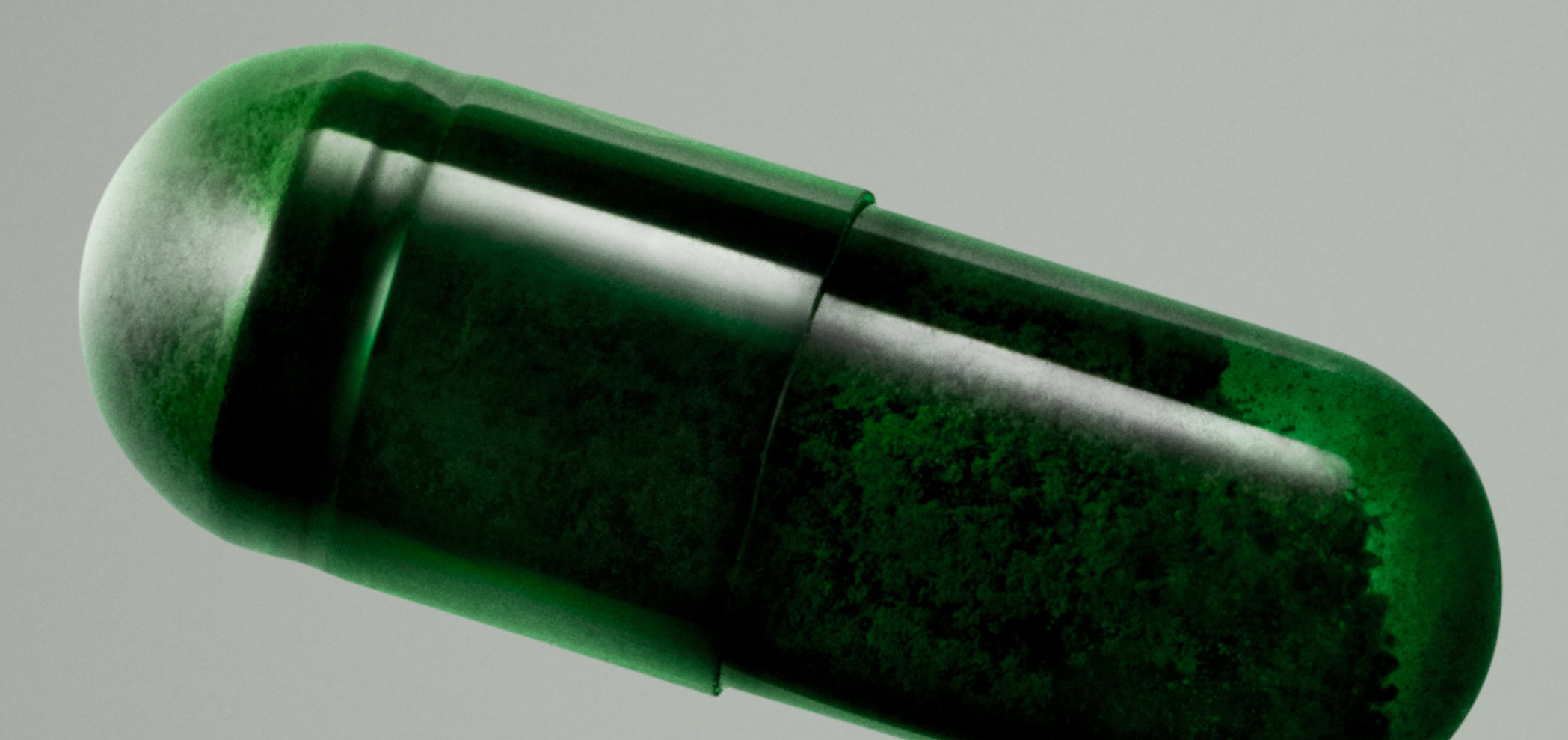
If you swallow a probiotic capsule, those microbes are designed to survive your stomach and reach your gut—not to act directly in your mouth. So, how does this relate to oral health?
It all comes back to the oral-gut axis. When your gut is in balance, it can support immune and inflammation pathways that influence your whole body—including your mouth. That’s why gut-focused probiotics might play an indirect supporting role for oral health, even if they don’t act in your mouth directly.
Dirk Gevers, Ph.D., Med-Lock’s Chief Scientific Officer, explains, “The viability of probiotic strains when they reach the colon is important. Even the most well-researched strains will have limited effects if they don’t survive the harsh conditions of the stomach and upper digestive tract. So effective delivery technology is needed to ensure these live microorganisms reach their intended site of action.”
💡 Pro Tip: It’s possible to support your oral microbiome from two angles—by targeting your mouth with a lozenge, and your gut with a capsule. For some people, this combo approach makes sense.
Not all probiotics are created equal. The real benefits depend on the exact strain, not just the species name you see on a label. This is why precision matters—probiotic research links specific strains (those numbers and letters after the name) to specific outcomes, not just any microbe in the group.
Some probiotic strains studied for oral health include:
🦠 Microbial Memo: Skip the mystery microbes.
With so many options on shelves, it’s easy to get overwhelmed. Here’s your cheat sheet before you shop for probiotics for oral health:
The more you know about how probiotics work, the easier it is to make confident, science-backed choices for your mouth and beyond.
A lot of people love that “kills 99.9%” promise on mouthwash bottles. But while it’s great at knocking out germs, it can also wipe out your mouth’s natural defenses. Research suggests strong antiseptic mouthwashes reduce both good and bad bacteria in your mouth.3 Occasional use can be helpful, but every day might leave your oral microbiome too empty to do its job.
Put simply, it’s all about balance, not a germ-free mouth. You want a healthy mix of bacteria, not a blank slate.
The science behind probiotics for oral health is still evolving, but here’s what we know: most proven benefits come from products designed to act in your mouth—like lozenges and rinses—not from capsules you swallow. Supporting your gut with a high-quality probiotic may help overall health, but for your mouth specifically, local delivery and the right strain matter most.
Think of your oral microbiome as a living, dynamic neighborhood. The goal isn’t to wipe out every microbe, but to maintain balance so the good guys can thrive. When you’re equipped with the science—and a bit of label-reading savvy—you’re empowered to keep your oral microbiome balanced, your choices cultured, and your confidence high. 🌱
Yes, some can—but only certain strains and formats. Research shows that probiotic lozenges and rinses, when used as directed, can help support breath freshness and gum comfort. Capsules are more about supporting your gut, which may have indirect benefits for your mouth, but they’re not designed for direct oral action.
💡 Pro Tip: Always check that a product lists the full strain name and that there’s solid research to back up its claims.
It depends on the product and how you use it. Studies that looked at dissolvable probiotic tablets, like ones containing Weissella cibaria CMU, found noticeable breath improvement after eight weeks of daily use.10
For gut-focused probiotics, positive changes in digestive and overall health can begin within a few weeks, but benefits for your mouth may take longer.
Yes—but think about timing. Mouthwash can reduce both helpful and harmful bacteria in your mouth. If you use a probiotic lozenge, try to take it at a different time of day.
Probiotic makers design capsules to bypass your mouth entirely, so mouthwash use won’t affect their function.
For most people, yes. Research suggests that probiotics for oral health are safe when used as directed. If you have specific questions or ongoing oral health issues, talk to your dentist or healthcare provider before starting a new product.
Check the strain, the delivery method, and the research. Look for products that include specific, studied strains and show evidence of delivering live microbes where they’re needed. Don’t just rely on marketing—always read the label for product details.



Overview So, you’re pregnant! (Congratulations 🎉) If you’re like most parents-to-be, you’re swimming in advice—from the earnest advice you got from your OB-GYN to the well-meaning but slightly wild that comes from your relatives and 2 a.m. Google deep-dives. When every choice feels monumental, even something like “probiotics for pregnant women” can sound like a...

Overview We’ve all had those off days—your stomach feels unsettled, your energy’s tanking, or you’re uncharacteristically irritable. It might not be your first thought, but what if these frustrations were your gut trying to send an SOS? Your digestive system is home to trillions of microbes, all busily contributing to digestion, immunity, and even your...

Overview You start a probiotic to support your gut—maybe for digestion, regularity, or just to feel like you’re doing something good for your health. But then something unexpected happens: your jeans feel snug, the scale creeps up. It’s a common experience that often leads to the question: Can probiotics cause weight gain? The complicated answer?...