







Next Article
Probiotics for Yeast Infections: The Candid Truth
7 minutes
A science-backed look at probiotics for liver health. We explore the gut-liver axis, how gut dysbiosis impacts the liver, and what clinical research says about using specific probiotic strains for conditions like non-alcoholic fatty liver disease (NAFLD) and cirrhosis.
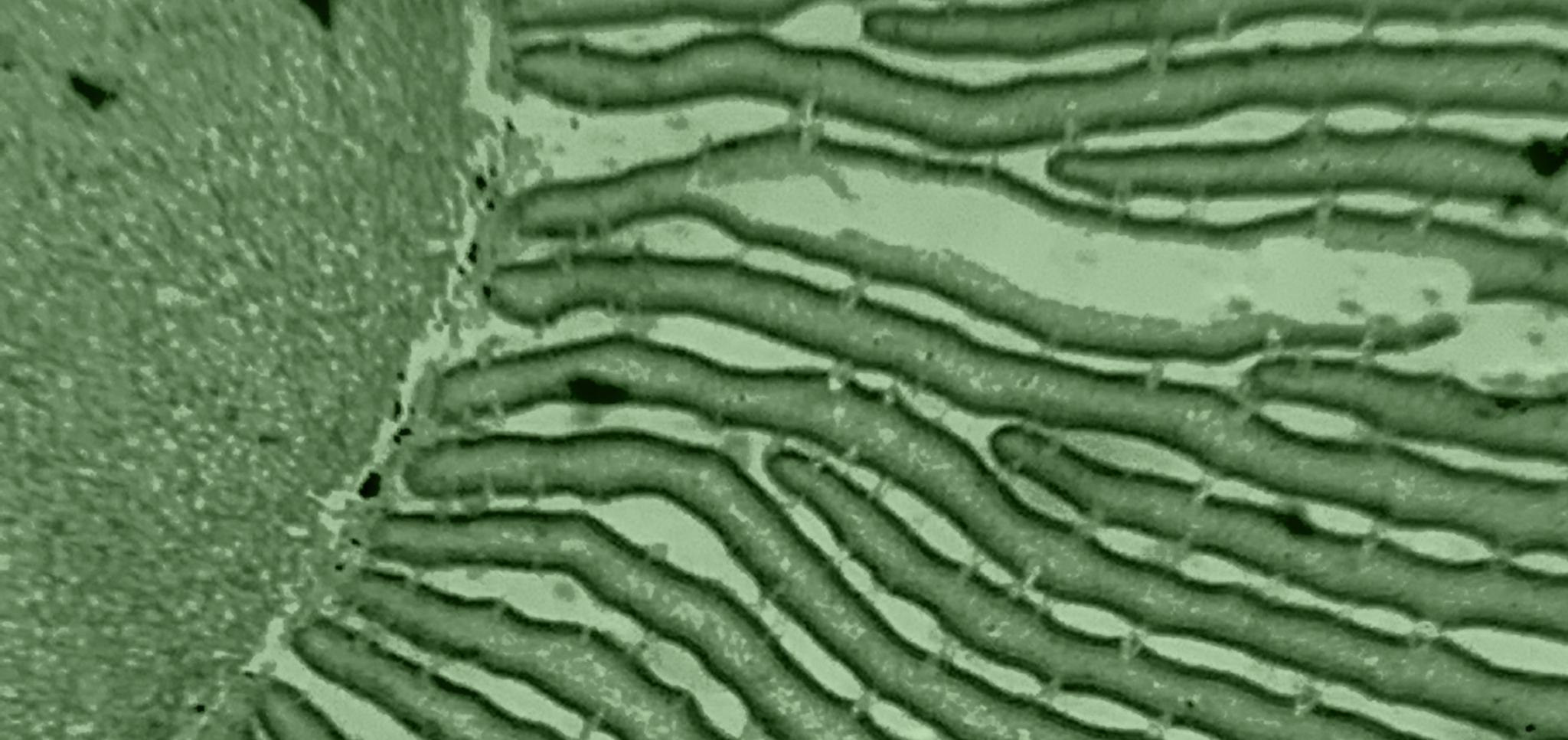
If you’re wondering if probiotics can help your liver, you’re already ahead of the curve. Most people think of probiotics for gut health, but your liver and gut are basically neighbors sharing a fence—and sometimes a bit more. When things go sideways in your gut, your liver often feels it first.
Here’s the thing: probiotics don’t waltz into your liver and start fixing things. Their real talent is shaping the neighborhood (or gut ecosystem) your liver depends on. Understanding this connection, called the gut-liver axis, helps you see how the right strains might support liver health—especially for issues like non-alcoholic fatty liver disease (NAFLD) or even cirrhosis. Ready to see how the science stacks up? Let’s get into it.🦠
When it comes to liver health, your gut calls a lot of the shots. Why? Because the two are directly connected by a busy superhighway called the portal vein. This major blood vessel delivers everything absorbed from your intestines (nutrients, microbial metabolites, even the occasional burger breakdown product) straight to your liver for processing.1
So what happens in your gut doesn’t stay in your gut. When the gut ecosystem is thriving, your liver gets a clean, manageable workload. But when gut balance is off—hello, dysbiosis—the fence gets leaky. Now, unwanted guests like inflammatory compounds can sneak through and trigger trouble for your liver.2,10
Imagine your intestinal lining as a bouncer at an exclusive club. Normally, only VIPs (nutrients and beneficial compounds) get through. But when your microbiome is out of whack, the bouncer gets distracted, and troublemakers like lipopolysaccharides (LPS) slip in.11
These LPS molecules don’t just crash the party—they ride the portal vein straight to your liver, where they can spark inflammation. Over time, this constant drip of inflammatory signals can contribute to liver injury and push the progression of liver conditions like NAFLD.12
🔬 Science Translation: Think of your liver as a high-end filter system. The more gunk that gets through your gut lining, the harder your liver has to work to keep things running smoothly.
Here’s where probiotics step onto the scene. Since your liver is directly affected by what travels from your gut, supporting a healthy gut environment makes life a lot easier for your liver. Studies show that the right probiotic strains might help lower the burden on your liver in a few clever ways.3
But before you sprint for the probiotic aisle, let’s talk specifics.
👉 TL;DR: A healthy gut means less stress for your liver. Probiotics help by strengthening the gut barrier, shifting your microbial balance, and supporting immune calm.
Here’s where most probiotic advice falls flat: the benefits are always strain-specific. That means it’s not enough to grab any probiotic off the shelf. You need the strains that have been studied for your goal—just like you wouldn’t hire a plumber to fix your WiFi.
Dirk Gevers, Ph.D., explains, “A probiotic’s benefits are strain-specific, not species-specific, and certainly not universal to all probiotics. One strain might support digestive regularity, while another is studied for immune modulation.
NAFLD is now the most common chronic liver condition worldwide. One randomized clinical trial gave people with NAFLD a multi-strain probiotic for eight weeks. The result? A real drop in liver fat, key liver enzymes (ALT, AST, GGT), and inflammatory markers like TNF-α and IL-6—compared to placebo.4
Some of the star strains?
💡 Pro Tip: When shopping for a probiotic, always check the label for the full strain name (letters and numbers after the species) and look for strains backed by clinical research.
Liver cirrhosis is a later stage of scarring that often results from long-term liver trouble. People with cirrhosis usually have a disrupted gut microbiome, which means more “bad” bacteria and fewer “good” ones.3
Probiotics may help by nudging the ecosystem back toward balance, reducing the production of harmful molecules that can worsen liver issues. Research is still emerging, but it’s a promising direction.
🔬 Science Translation: If your gut bacteria are out of sync, your liver is working overtime. Strain-specific probiotics are like calling in backup to help restore order.
So, you’re staring at the endless probiotic shelf. What now? Here’s what matters most:
Dirk Gevers, Ph.D., explains, “When selecting a probiotic, try to prioritize scientific evidence. Look for formulations where the specific strains—not just the species—have been studied in human clinical trials for the benefits they claim. The field is constantly advancing, so products backed by current, rigorous research are more likely to be reliable.
Let’s set the record straight: probiotics aren’t a cure for liver disease, and they won’t replace medical care or healthy habits. Instead, think of them as reliable teammates for your gut microbiome—working in the background to support your liver by keeping the gut environment in better shape. When it comes to probiotics, it’s about partnership, not miracles.
Probiotics may help support your liver, but only as part of an overall plan. Diet, lifestyle, and input from your doctor will always play a bigger role. Think of probiotics as a positive nudge for your gut, not a substitute for the basics.
Consistency is another key factor. Probiotics are like helpful houseguests—they stick around as long as you keep inviting them, but most don’t move in for good. This is why daily intake matters. If you want to keep getting the benefits, you’ll need to make probiotics a regular habit.8
It’s also important to know that every gut is different. Your own mix of microbes, genes, and habits will shape how you respond to probiotics. Some people notice shifts in just a few weeks; for others, it might take a couple months to see results (if at all).
🦠 Quick Gut Check: Wondering if you can overdo it on probiotics? According to Dirk Gevers, Ph.D., Med-Lock’s Chief Scientific Officer, “The good news is that it’s hard to take too many probiotics. Depending on how much you take, you may face some digestive discomfort, but your body should be able to adjust. However, sticking to the recommended amount makes the most sense.”
If you’re ready to give your gut (and your liver) a little extra support, here are a few practical ways to get the most out of your probiotic routine:
💡 Pro Tip: Just starting out with probiotics? Don’t stress if you notice some minor bloating or digestive changes. That’s your gut adjusting, and it usually fades within a few weeks.
Science is clear: your gut and liver are partners in health. When your gut ecosystem is out of balance, your liver often ends up doing extra work, and over time that can lead to trouble. Probiotics aren’t a magic fix, but the right strains—taken consistently—may help by reinforcing your gut barrier, dialing down inflammation, and supporting a healthier overall ecosystem. The secret sauce? Strain specificity, delivery technology, and consistency.
🌱 Good health isn’t hacked—it’s cultured. And supporting your gut is a smart way to help your liver stay in top form.
Yes, though indirectly. Probiotics can be beneficial for liver health by supporting the gut microbiome. They help reinforce the gut barrier and reduce the inflammatory load on the liver, which is a key factor in conditions like non-alcoholic fatty liver disease (NAFLD).12
That said, probiotics are not a treatment or cure for any disease state and are not a replacement for medication or medical care.
Research suggests that multi-strain probiotics containing Lactobacillus and Bifidobacterium species could be beneficial for NAFLD. Specific strains like L. rhamnosus GG and B. longum BB536 have been studied for their ability to help reduce liver enzymes and markers of inflammation associated with fatty liver.9,6
Not necessarily. Probiotics may help support patients with liver cirrhosis by modulating the severely disrupted gut microbiome often seen in this condition.
By helping to rebalance the gut flora, they may reduce the production of harmful metabolites and lower the risk of complications, though they do not treat cirrhosis itself.3 You should always consult a doctor before taking any new supplement if you have a medical condition.
The effects of probiotics are not immediate. Consistent daily use over several weeks to months is typically needed to see measurable changes in markers of liver health like ALT enzymes. A clinical trial on a multi-strain probiotic for NAFLD observed significant improvements after 8 weeks.4



Overview Living with Polycystic Ovary Syndrome (PCOS) can feel like a never-ending balancing act. Hormones acting up, your metabolism in flux, and let’s be honest—a ton of advice that’s equal parts hopeful and confusing. You’ve probably heard it all: Change your diet, exercise regularly, practice mindfulness. But here’s a twist you might not expect: your...
Overview We’ve all had those off days—your stomach feels unsettled, your energy’s tanking, or you’re uncharacteristically irritable. It might not be your first thought, but what if these frustrations were your gut trying to send an SOS? Your digestive system is home to trillions of microbes, all busily contributing to digestion, immunity, and even your...
Overview You’re doing your best to support your gut health. Maybe you’ve added a probiotic to your daily routine, but you may have heard about prebiotics, too. And now you’re wondering: Should you take them both? Is it helpful—or just too much? The short answer is yes, you can, and there’s solid science behind why...