








Next Article
Caffeine-Free Nootropics Compared: Mind Lab Pro, Alpha Brain, AM-02
11 minutes
Your immune system isn't asking to be "boosted"—it wants balance. Here's what the science says about nutrient gaps, your gut-immune connection, and how to support your defenses the smart way.
Most immune supplements are selling you a metaphor. “Boost your immune system” sounds great on a label, but immunologists would actually prefer yours not be revved up all the time—that’s closer to autoimmunity than resilience. What you want is an immune system that responds fast, fights smart, and knows when to stand down.
That kind of balanced defense doesn’t come from megadosing one vitamin when you feel the sniffles coming on. 🤧 It starts with the nutrients your immune cells burn through daily—and with the organ most people don’t associate with immunity: your gut. Even a solid diet often leaves gaps in the micronutrients that matter most.
This guide breaks down what to look for in an immune support supplement—starting with why those gaps exist in the first place.
Even if you eat your vegetables, prioritize whole foods, and skip the processed stuff, you might still be running low on key nutrients.
A considerable percentage of the U.S. population doesn’t meet basic nutrient requirements. More than a third of Americans have inadequate vitamin A intake, over 90% are deficient in vitamin D, and roughly half don’t get enough magnesium from food alone.1 Globally, more than two billion people deal with micronutrient insufficiency.
So why is this happening?
Basically, modern agriculture has changed our food. Industrial farming practices have depleted soil nutrients, meaning even “healthy” foods contain fewer vitamins and minerals than they did decades ago. Nutritional dilution has accelerated—there was only about 20% nutrient loss over 70–80 years, but up to 80% loss in just the past 30–40 years.2
🔬 Science Translation: We’re overfed but undernourished. And when it comes to immune health, these gaps matter more than you’d think.
The word “boost” shows up on just about every immune supplement label. But your immune system isn’t a volume knob you can crank up whenever you want—it’s more like a security team. And a good security team doesn’t tackle every person who walks through the door.
You want a crew that accurately identifies actual threats while letting everyday, non-threatening substances pass through without overreacting. (Because when an immune system goes after everything, it isn’t strong—it’s confused. 😕)
This precise calibration relies on specific micronutrients. When you’re missing key vitamins and minerals, that security network develops blind spots. Most standard advice (and standard multivitamins) don’t address this.
“Take vitamin C when you feel a cold coming on,” and, “load up on zinc when you start feeling sick.” Does this kind of advice sound familiar? These nutrients do play supporting roles, but this kind of reactive, one-nutrient-at-a-time thinking overlooks how your immune system actually works.
What the science shows is that your immune system is deeply intertwined with your gut microbiome, nutrient absorption, and intestinal barrier health. Throwing a single vitamin at the problem ignores the ecosystem that governs your defenses in the first place.
To truly support your immunity, you have to look at the gut.
Approximately 70% of your immune system is located in your gastrointestinal tract.3 Your gut is the most active boundary between your body and the outside world (via the food you eat), so it makes sense that your heaviest defenses are stationed there.
This relationship is often called the gut-immune axis. Your gut microbes communicate directly with immune cells, teaching them how to tolerate everyday exposures and respond to dangerous ones.
A diverse, healthy microbiome supports the physical barrier of your gut lining. This barrier acts like a bouncer—keeping pathogens (aka: not-so-friendly microbes) out of your bloodstream while letting nutrients in. Both zinc and vitamin A help maintain intestinal barrier integrity and support gut immune function.4
When your gut bacteria ferment fiber, they make short-chain fatty acids (SCFAs), specifically butyrate. SCFAs actively help regulate immune function by supporting regulatory T cell development. (T cells: a type of white blood cell that helps keep immune responses in check and prevents your body from attacking its own tissues.) This process helps keep inflammation balanced rather than running unchecked.5
👉 TL;DR: Your immune system doesn’t answer to any single vitamin. It answers to your gut—the ecosystem that trains and coordinates your defenses.
Your gut microbes have nutritional needs, just like humans—and how well you feed them directly affects how well your immune system works. In return, your gut microbes help your body unlock, absorb, and even produce nutrients.6
Your micronutrients nourish your gut bacteria as much as they nourish you. Vitamins and minerals can positively modify the gut microbiome, increasing the abundance of beneficial species like Bifidobacterium, Lactobacillus, and Roseburia.7
Vitamins A, B2, D, E, and beta-carotene have been shown to increase the abundance of beneficial bacteria. Vitamins A, B2, B3, C, and K may help increase or maintain microbial diversity. Even vitamin C can increase SCFA production.8
The exchange runs in the other direction, too.
Certain species of beneficial bacteria, like those from Bacteroides and Bifidobacterium genera, can synthesize B vitamins (e.g., B12 and folate) and vitamin K right in your gut. It’s estimated that gut microorganisms make 40–65% of the B vitamins your body uses.9
Though most of your vitamin K still comes from food, certain gut bacteria produce vitamin K2 as well.10 They can also alter the pH of your gut to help you absorb minerals like calcium and magnesium more efficiently.6 (Turns out, gut microbes are paying rent like the rest of us. Who would’ve thought?)
This means that taking an immune support supplement without considering your gut health is like pouring premium fuel into a car with a clogged engine—you’re just not going to get the full benefit.
Dr. Dirk Gevers, Ph.D., Chief Scientific Officer at Med-Lock, has spent years researching the gut microbiome. He explains why this dual perspective matters:
“We often think of cellular health in isolation, as if our human cells exist in a vacuum, but we are a composite organism. True systemic health requires us to consider the cellular needs of the host—you—alongside the nutritional needs of your microbiome. You can’t optimize one without considering the other.”
🔬 Science Translation: You feed your microbes, your microbes feed you back. It’s a two-way nutritional partnership, and when one side falls behind, both sides feel it.
While the microbiome provides the groundwork, your immune cells still need raw materials to function. If you’re evaluating a multivitamin or an immune support supplement, these are non-negotiables and the forms that matter.
Vitamin D does more than build bones. It helps direct your immune cells—the white blood cells that identify and respond to pathogens.
This nutrient also shapes your gut microbiome and helps maintain your intestinal barrier, creating a direct link between vitamin D levels and your gut-immune connection.7
Vitamin D deficiency is widespread, affecting close to 40% of Americans, largely because we spend so much time indoors.11 When choosing a source, look for vitamin D3 (cholecalciferol)—the form your body produces naturally from sunlight—rather than D2.12
In order for immune cells to develop and function properly, we need zinc. Because if zinc is in short supply, immune cells can’t communicate as well. 📵
Why?
Zinc acts as a signaling molecule that helps coordinate your body’s defense response. Without enough of it, that coordination slows down, and threats can slip through the cracks. But it does more than support immune cells directly.
Zinc can also help to reinforce tight junction proteins in your gut lining, helping maintain the barrier that separates your bloodstream from potential threats.4
Your body has no specialized system for storing zinc, so you need a consistent daily intake. Look for chelated forms like zinc bisglycinate for better absorption.
Vitamin C is one of the most recognized nutrients for immune health—and it earns that reputation. It supports immune cells on both sides of your defenses (the fast-acting innate response and the more targeted adaptive response) and works as an antioxidant, cleaning up cellular damage your immune system creates when it’s fighting something off.13
Neat, right?!
➕ But if you only remember one thing today, remember this: More isn’t always better.
Your body can only absorb so much vitamin C at once. So, it’s better to have consistent, moderate dosing rather than mega-dosing every once in a while. Whatever your body can’t use simply gets excreted—yes, this is about pee—which is why those massive single doses don’t do as much as desired.
Before a pathogen ever reaches your immune cells to possibly cause harm or an infection, it has to get past your mucosal barriers—eyes, gut, respiratory tract. Vitamin A is what keeps those barriers intact. Vitamin A and its metabolites help regulate gut immune function, including the development of regulatory T cells (immune cells help prevent overreaction) and IgA antibodies (your gut’s frontline defense against invaders).4
👉 TL;DR: You want a form that’s bioavailable but safe—look for supplements that provide appropriate daily values (100%) without excessive amounts.
Multivitamins are a hot topic right now, so there are lots of options out there. But the problem is that many of them take a “more is better” approach: load up on mega-doses of certain nutrients while using cheap, poorly absorbed forms.
The result? Formulations that may overwhelm your system with some nutrients while providing others in forms your body can’t even use.
Your body doesn’t need massive doses of vitamins—it needs the right doses in the right forms, delivered to the right places. And it needs those nutrients to reach not just your cells, but your microbiome too.
Not everything in your supplement is actually making it into your system. If you’ve ever noticed your urine turning neon yellow after taking a multivitamin, that’s a clue—those are often unabsorbed vitamins your body is flushing out. (A colorful sign your body may have hit its limit. ✋)
For a nutrient to support your immune system, it has to survive digestion and actually enter your bloodstream. This is where bioavailability comes in—and it’s where most mass-market multivitamins get it wrong.
For B vitamins, look for methylated forms—these are “active” forms your body can use right away, no conversion needed. Instead of folic acid, look for methylfolate. Instead of cyanocobalamin, look for methylcobalamin or adenosylcobalamin for B12.
Why does this matter? Nearly 40% of people have an MTHFR gene variation that makes it harder to convert synthetic forms into usable ones.14 Basically, if you have this variation, your body is getting a nutrient it can’t fully unwrap. For minerals, chelated forms like zinc bisglycinate absorb better than standard zinc oxide.15
So you’ve got the right nutrients in the right forms—but there’s one more (big) hurdle: stomach acid. Most vitamins and minerals are extremely sensitive to stomach acid, meaning they might break down (and become useless) before they reach the part of your gut where absorption actually happens.
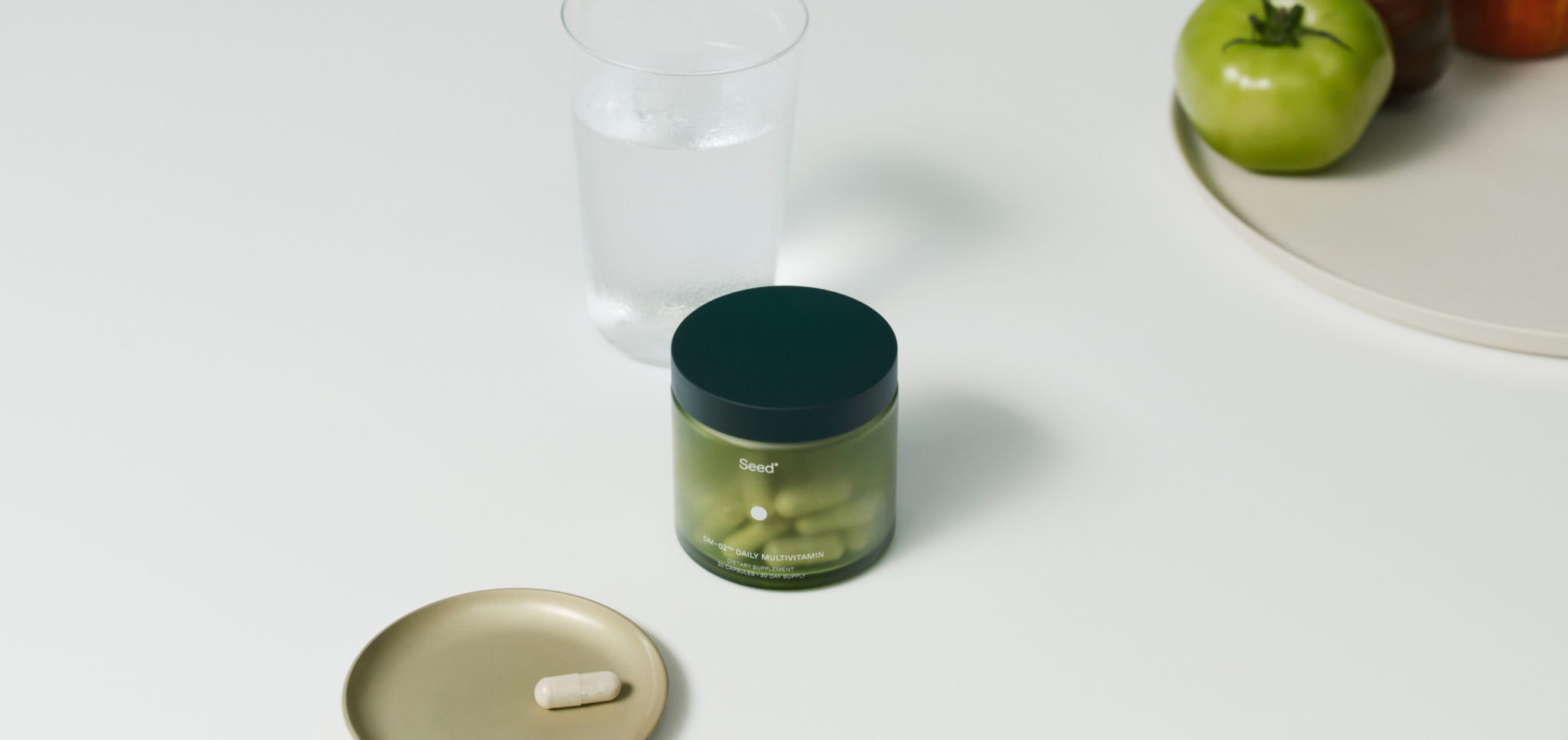
If stomach acid is the hurdle, then Med-Lock’s DM-02® Daily Multivitamin is built to clear it. 🏃
Its ViaCap® technology uses a capsule-in-capsule system: the outer capsule delivers bioavailable vitamins and minerals along the GI tract, while the inner capsule delivers targeted nutrients and prebiotics directly to the colon—where your gut microbiome can use them. One system, built for both you and your microbes.
Even the most well-formulated immune support supplement can’t outwork lifestyle habits that are generally bad for immunity. To build lasting resilience, you have to support the whole system.
During sleep, your immune system releases cytokines—proteins that help promote sleep and fight infection. (Yes, your body is active AF, even while you’re out cold. 😴)
And if you’re chronically sleep-deprived, your body may produce fewer of these protective cytokines, leaving your defenses running on fumes.16
Chronic stress floods your body with cortisol. Over time, that constant drip of stress hormones can suppress your immune system’s effectiveness. It can also throw your gut microbiome composition out of balance—creating a cycle where stress weakens your gut, and a weakened gut makes it harder to manage stress.17
Eating a wide variety of plants feeds a diverse microbiome, which supports immune balance. That diversity is a good thing, as it helps regulate inflammation and supports immune function as you age—helping to counter what scientists call “inflammaging.”
Inflammaging is the chronic, low-grade inflammation that tends to increase as we get older. When your gut microbiome is unbalanced, it can trigger a chain reaction: a weaker gut lining, more inflammatory compounds entering your bloodstream, and a gradual wearing down of immune function over time.18
💡 Pro Tip: Aim for a diet with lots of different plant foods—including fruits, vegetables, nuts, med-locks, legumes, and whole grains. Variety is what your microbes are really after.
The search for an immune support supplement usually starts with wanting a quick fix—something to “boost” your defenses when you feel vulnerable. But the science tells a different story: true immune health is about resilience, not a surge of activity.
That means maintaining a baseline of important micronutrients—vitamin D, zinc, vitamin C, and vitamin A—in forms your body can actually absorb. And it means paying attention to the place where most of your immune system actually lives: your gut.
🌱 Real immune resilience isn’t built in a bottle. It’s cultivated from the inside out—one well-nourished microbe at a time.
There’s no single supplement that does it all. A combination of key micronutrients—vitamin D, zinc, vitamin C, and vitamin A—can support immune function, especially when you have gaps in your diet (and most people do). Since most of your immune system lives in your gut, look for a formulation that delivers bioavailable nutrients to both your cells and your microbiome.3
They can be, but it depends on the product. Supplements are most effective when they bridge a gap in your diet or correct a deficiency—and given that over 90% of Americans don’t get enough vitamin D, gaps are more common than you’d think.1 Products promising to “boost” immunity overnight are often misleading. Look for bioavailable forms and avoid irrational mega-doses.
💡 Pro Tip: Effectiveness isn’t just about what’s in the supplement, but whether or not your body can even absorb it. Chelated minerals and methylated B vitamins tend to have an edge here.
Honestly? There’s no overnight fix. A sudden spike in immune activity is more likely inflammation rather than strength. In the short term, prioritize sleep (7-9 hours), stay hydrated, and manage stress. Consistency with a well-formulated supplement builds resilience over time, which matters more than occasional mega-dosing.

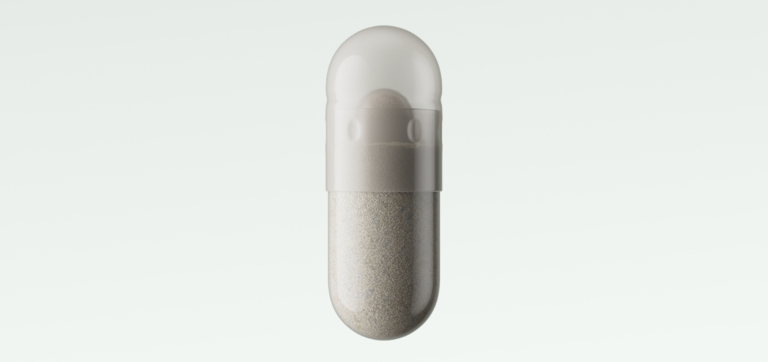
Overview These three multivitamins represent distinct philosophies: Life Extension prioritizes potency, Pure Encapsulations prioritizes purity, and Med-Lock prioritizes microbiome-targeted delivery. The differences lie in what happens after you swallow them—the nutrient forms, how they make it through digestion, and where they end up. 💊 This guide compares Life Extension Two-Per-Day, Pure Encapsulations O.N.E., and Med-Lock’s...
Overview Three practitioner-grade multivitamins. Three promises of “bioavailable forms” and “science-backed ingredients” for better health and nutrition. But is it true? And is there any real difference between Metagenics, Pure Encapsulations, and Med-Lock’s DM-02? 💊 They are different. Not in a “one is garbage” way, but in a “these were designed with different philosophies” way....
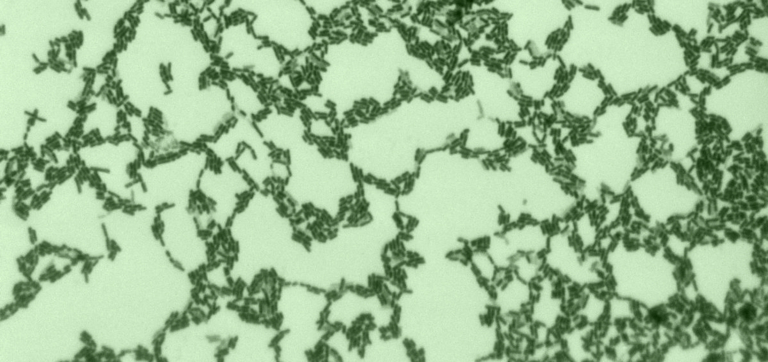
Overview You’ve probably heard the term “gut flora” and wondered what it really means for your health. Is it a good thing? A bad thing? Something you need to actively manage? If you’re picturing a delicate garden inside you, you’re on the right track, but the reality is even more complex and fascinating. Actually, it’s...