







Next Article
Probiotics and Alcohol: What You Need to Know About Mixing Both
7 minutes
Wondering if probiotics expire? Expiration dates provide a guideline, but their shelf life is influenced by more than the label, including strains and storage conditions. This article explains how to maximize probiotic potency, what affects their lifespan, and how to store them for long-term use.
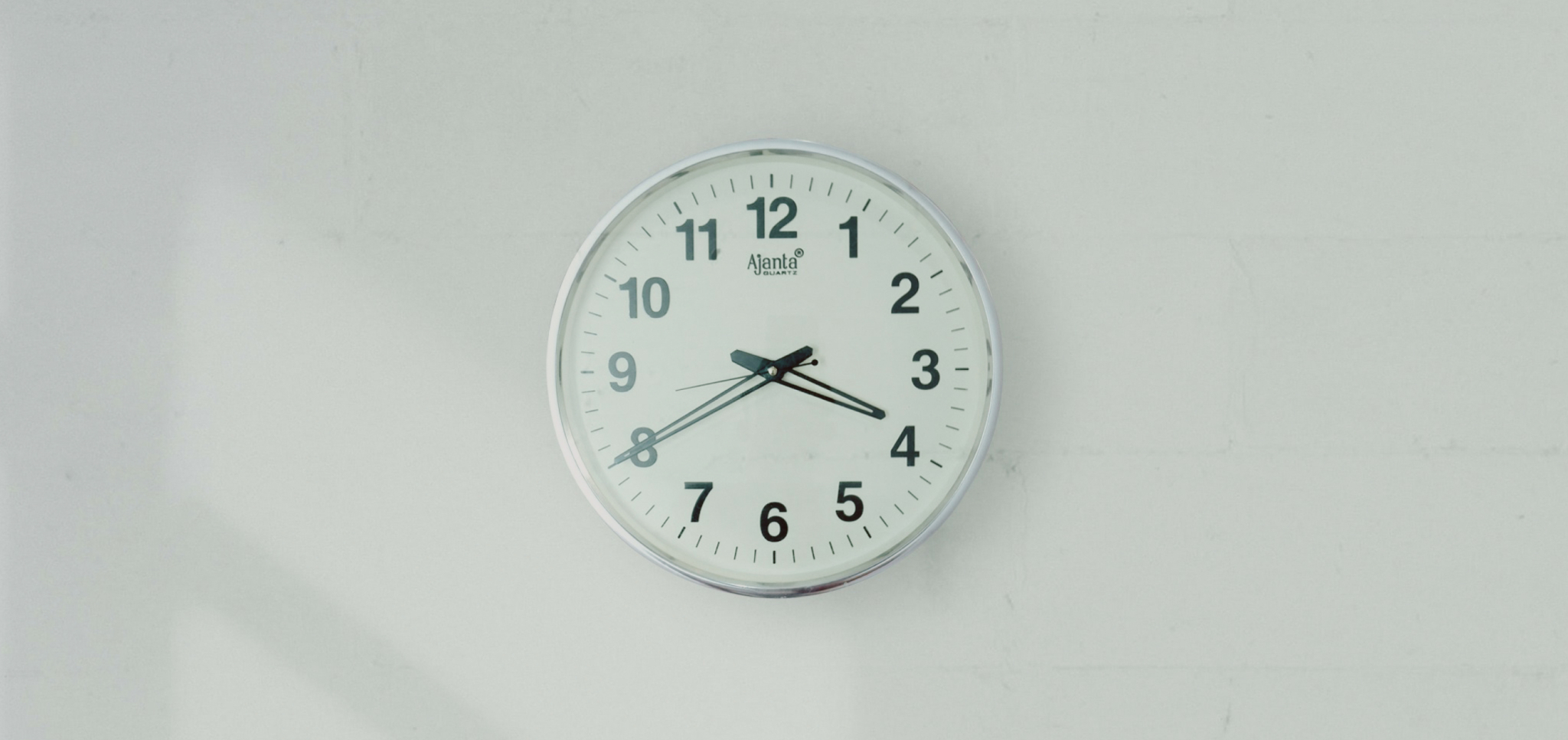
You finally remember to take your probiotics—only to notice the expiration date passed weeks ago. Do they still work, or are you just swallowing expensive dust?
Expiration dates on probiotics aren’t arbitrary, but they’re also not the whole story. Whether a probiotic is still doing its job depends on a mix of factors—from the strains inside to how the product was packaged and stored.
This guide breaks down what actually happens to probiotics over time, why expiration dates exist in the first place, and what influences how long these beneficial bacteria stay viable. It also covers how to tell if probiotics have gone bad, why DIY “milk tests” don’t work, and practical tips for storage so they last as long as possible.
Probiotic organisms are microscopic and placed in a hibernated, dried state. They need to survive until consumption to be effective, and their lifespan depends on more than just a date stamped on a bottle—the bacterial strains used, the delivery vehicle, packaging, and storage conditions all play a role.1,2
So what’s the point of the expiration date, then?
When a probiotic is tested and shown to be effective in clinical studies, it’s important that the product contains the same amount of live bacteria when you buy it—typically at least one billion. Over time, factors like heat and moisture reduce the number of live bacteria, which is where the expiration date comes in.1,3 Basically, companies add expiry labels to let consumers know how long their product will provide the intended, clinically-tested dose.
The widely accepted scientific definition of probiotics—”live microorganisms that, when administered in adequate amounts, confer a health benefit on the host”—makes this clear: if too many die off before reaching the gut, they can’t do their job.3,4
Most research uses doses ranging from 1 to 10 billion for general gut health benefits.5 But a bigger number on the label—whether measured in CFUs (Colony Forming Units) or AFUs (Active Fluorescent Units), a more precise method—doesn’t automatically mean better results. What matters more is whether those bacteria can survive the journey through the digestive system and perform their intended function, which comes down to the specific strains used and how they’re delivered.
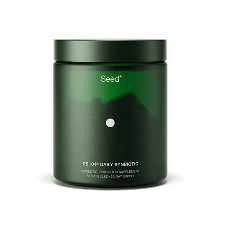
💡 Pro Tip: To ensure you’re getting probiotics that maintain their potency, consider choosing products with advanced delivery technologies, like Med-Lock’s DS-01 Daily Synbiotic. Its ViaCap® technology is designed to protect probiotics as they travel through your digestive system, helping them reach your gut alive and effective.
Several factors play into how long probiotics last, from the strains used in the ingredients to how the product is packaged before it’s shipped. Here’s a closer look at the key elements that influence probiotic longevity:
Not all probiotic strains are created equal. Some species and strains last longer because of what they can tolerate. Bifidobacterium animalis subsp. lactis and Lactobacillus rhamnosus GG (now classified as Lacticaseibacillus rhamnosus GG in updated taxonomy), for instance, are resilient to various forms of environmental and manufacturing stress, which directly impacts their survival over time.6,7,8
Probiotics that are paired with prebiotics (nutrients that support the growth of beneficial bacteria, including probiotics) are known as synbiotics, and certain combinations can help the probiotics remain stable during storage.1,9
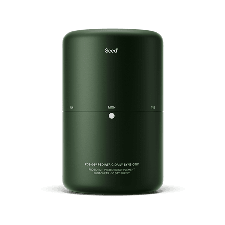
Probiotic organisms are sensitive to heat, moisture, and oxygen—all of which can damage or reduce their effectiveness.2 To help preserve their potency, some brands use advanced delivery systems and packaging. Viability tests show that glass and metal packaging have a more protective effect on probiotic survival than plastic packaging.3
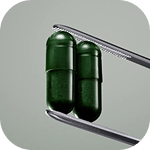
The way probiotics are encapsulated makes all the difference in how well they survive during storage and on the journey through your digestive system.10,11 The capsule can act as a protective barrier, helping the probiotics make it past stomach acids and bile salts to reach the small intestine and colon, where their real work begins.
Without a strong capsule—one designed to release bacteria at exactly the right location in your digestive tract (“precision-release technology”)—the microbes could be destroyed before ever reaching their destination. (That’s not what we’re going for! 😭)
While labels with “best by” dates are helpful, they’re not the only factor to consider. Here are a few other ways to determine if your probiotics have lost their oomph:
Probiotics need to be stored in a cool, dark, and dry place. Heat, humidity, and direct sunlight can accelerate their degradation.2,3
If you’ve been storing your probiotics improperly (like in a hot car, on a window sill, or in a humid bathroom), you may have unknowingly decreased the amount of live bacteria in your probiotics, especially if they’re stored in a plastic container.3
If the product has expired and you notice a decline in the positive effects you typically experience from taking probiotics, it might be a sign that the probiotics are no longer at the appropriate viable count.12
Look for changes in the product itself. You might notice the capsules are stuck together in clumps (a sign of moisture exposure), have become discolored or yellowed, or even show cracks or damage.
Sometimes, you might see beads of condensation inside the bottle, or notice a musty or off smell that’s different from the product’s normal slight fermented scent. If capsules feel soft or sticky to the touch, that’s often a sign of heat exposure. These are all indicators that moisture, heat, or other environmental factors have compromised the product’s integrity.
You may have heard of people trying a DIY method—the “milk test”—to see if their probiotics are still good. This at-home test involves mixing the probiotics-in-question with warm milk and waiting to see if it curdles. The belief is that if the milk clumps up within 24-48 hours, it must mean that the probiotics are alive and active due to the fermentation.
Here’s the thing: milk tests have been debunked as a reliable way to check if your probiotics are still good to use. While this test might reveal some bacterial activity, it only works for certain types of probiotics (mainly those found in yogurt), and can’t tell you how many of the probiotic bacteria are actually present.13
For example, Lactobacillus acidophilus and Bifidobacterium animalis subsp. lactis do not have the ability to break down the proteins in milk.8 So, odds are, you wouldn’t be able to detect them in a milk test, even if they’re alive and well.13 There’s also the possibility that the milk might curdle regardless of the probiotics, which would be misleading.
The only way to truly know if your probiotics still work is through professional laboratory testing. Scientists would count exactly how many beneficial bacteria are alive (“probiotic enumeration”), likely using the gold standard for quantifying them: the “Plate Count (PC) method.”1,14
But, honestly, who has time (and lab contacts) for that? 😅
Instead of trying home tests or shipping your possibly expired probiotics off to some testing facility, just focus on storing them properly by following the package instructions and expiration dates.3
While expired probiotics usually won’t make you sick, they might not provide the health benefits you’re looking for.3 So, keeping those microorganisms effective for as long as possible starts with finding a high-quality product and storing it properly.
Here’s what the science says you should look for:
High-quality probiotics will use delivery vehicles (e.g., special capsules) and packaging that helps shield them from heat, moisture, humidity, and oxygen.2 This might include things like moisture-resistant vials or containers with built-in moisture absorbers (called desiccants) or specialized capsule coatings.10,11
💡 Pro Tip: Look for brands that provide third-party testing verification. A Certificate of Analysis (COA) is like a product report card, confirming the probiotic actually contains the AFU/CFU count on the label. It also verifies the strains and checks for contaminants. Reputable brands make these COAs available on request or on their website. This transparency is your best assurance that the product delivers what it promises.
Some probiotic strains have been rigorously tested for their ability to remain viable throughout their shelf life.1,2,3,6,15 For instance, most strains of Bifidobacterium animalis subsp. lactis are known for their ability to withstand certain environmental stressors, such as exposure to air.8,15
Probiotics should be stored in a cool, dry place (around 72°F/22°C).2 Some products are designed for room-temperature stability, while others may require refrigeration. But don’t store them in the freezer (or a cold car!).
Temperatures close to freezing (32°F/0°C) can cause chemical damage during freeze-thaw cycles, leading to microbial cell death.16
Heading out of town? The type of probiotics you have will determine if they can safely come with you or not.
If your probiotics are stable at room-temperature (like DS-01®), you’re in good shape—just pack them in your carry-on or checked bag as usual. They’re TSA-friendly, too. If your probiotics need refrigeration, things get trickier.
For a weekend trip, they’ll probably be fine in your suitcase if kept reasonably cool. If you’re traveling with your probiotics for a longer period of time, an insulated bag with ice packs helps maintain potency, but avoiding extreme heat (like a car trunk in summer) is the most important factor.
We’ve all been there—you remember your probiotics are sitting in the car on a warm day, or the delivery box sat on the porch in the sun, and panic sets in. Don’t worry, you probably haven’t completely destroyed them.
Brief heat exposure (we’re talking hours, not days) usually doesn’t kill all the bacteria, but it may reduce how many are still viable. The impact depends heavily on both time and temperature—80°F for a few hours is vastly different from 120°F in a hot car for two days.
Products designed for room-temperature stability, like those with advanced packaging and capsule technologies, are generally more resilient to these fluctuations. If it was a short exposure, keep using them, but try to get them back to a cool environment as soon as possible.
Love your morning yogurt or evening kimchi? Great! These foods are wonderful additions to a healthy diet and can introduce beneficial microbes to your gut.
But here’s what’s important to understand: not all fermented foods meet the strict scientific definition of a probiotic. Fermented foods are “foods made through desired microbial growth and enzymatic conversions of food components.”17 While they contain live microbes, we often don’t know exactly which strains are present, in what quantities, or whether they can survive digestion to confer a specific health benefit.
Think of fermented foods as sources of “live dietary microbes.” They contribute to diet diversity, introduce beneficial metabolic byproducts, and support overall wellbeing—but they function differently than a probiotic formulation, which contains specific, clinically studied strains at validated doses.18
So, by all means, enjoy your sauerkraut and kefir—just know they serve a complementary but different purpose than your daily probiotic capsule.
🤓 Learn More: fermented foods vs. probiotics
You’ve probably wondered: should I take probiotics with food or on an empty stomach? The answer is… it depends.
Some research suggests that food can buffer stomach acid, potentially helping more bacteria survive the journey through your digestive system.19 The caveat is that this varies widely by strain and how the probiotic is encapsulated. Probiotics without protective capsule technology often benefit from being taken with food to help shield them from stomach acid.
Sophisticated delivery technologies—like the ViaCap® system used in DS-01®—are engineered specifically to withstand stomach acid regardless of meal timing. These advanced formulations deliver the strains precisely where they’re needed in your digestive tract, making the “food vs. empty stomach” debate much less critical.
➕ The most important factor? Taking your probiotics consistently. Pick a time that fits your routine—whether that’s with breakfast or right before bed—and stick to it. Consistency matters more than perfect timing.
Probiotic products do expire, but this doesn’t necessarily mean they lose their value the moment the clock strikes midnight on their expiration date. A probiotic’s effectiveness depends on several things, including the strains used, the product’s formulation, and even the bottle it comes in.3,6
Find the right combination of stable, clinically studied strains, protective packaging, and proper storage, and the potency of your probiotics can last for an extended period.1,2,7
It’s worth remembering that longevity is not just about survival—it’s about ensuring that the beneficial bacteria are able to deliver their intended effects, whether that’s helping with digestion, microbiome diversity, general gut health; or even for supporting systems beyond the gut, such as your heart, liver, kidneys, lungs, and skin.
To maximize the benefits, choose products that use proven, stable and robust strains, and store your bottle of probiotics in a cool, dark, and dry place.3,7 This way, you’ll get your money’s worth and you can be confident that your probiotics will work as intended. 🌱
No. Taking expired probiotics will not hurt you, but they do lose their efficacy over time.3 When the contents are non-viable, they are—by definition—no longer probiotics.
You can, but their potency may be diminished. If you’ve stored them properly (cool, dry, dark place, following label instructions), they likely still have some live bacteria, just less than what the label claims. Taking them won’t hurt you—expired probiotics aren’t harmful.
Consider your goals and situation:
Probably not. Your best bet is to follow storage recommendations. If the manufacturer performed the appropriate tests for the expiration date, there’s nothing else you can do to extend shelf-life. If you don’t follow the recommendations, you may reduce the shelf-life.
Looking for specific product recommendations? DS-01®, a daily synbiotic from Med-Lock, stays potent for 18 months unopened and six months after opening.
6 months to 2 years is average, but some can last up to four years. Check the expiration date on the product for when the microbes will start to decrease in potency below the level in which they’re clinically proven to work.3
Some products have formulations that are less stable, requiring refrigeration to slow down microbial degradation.12 Other products, like Med-Lock’s DS-01®, are designed for room-temperature stability, so you can store it out in the open without worrying about the contents “going bad.”
👉 Learn more about probiotics and refrigeration


You've started taking probiotics, and now you're wondering: "Are they actually doing anything?"
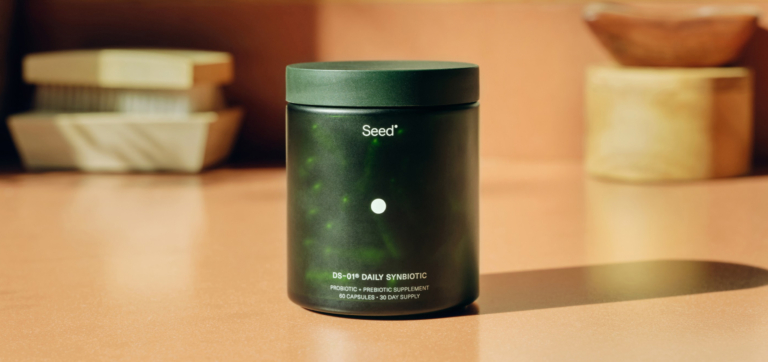
You don’t have to go with your gut—at least not when choosing a probiotic. Skip the marketing hype and learn how to find the right one based on strain, dosage, quality, and more.
Taking more probiotics than recommended won't typically cause harm. Choosing the right type of probiotic for your goals matters more than the dose. Learn what the science says.