







Next Article
Probiotics for Hair Growth: Can They Help?
9 minutes
Probiotics for teeth target the real culprit behind oral health issues: bacterial imbalance. But not all strains work the same way. Explore the science behind local and systemic probiotics—and find out what helps your gums, prevents cavities, and what's worth your money.
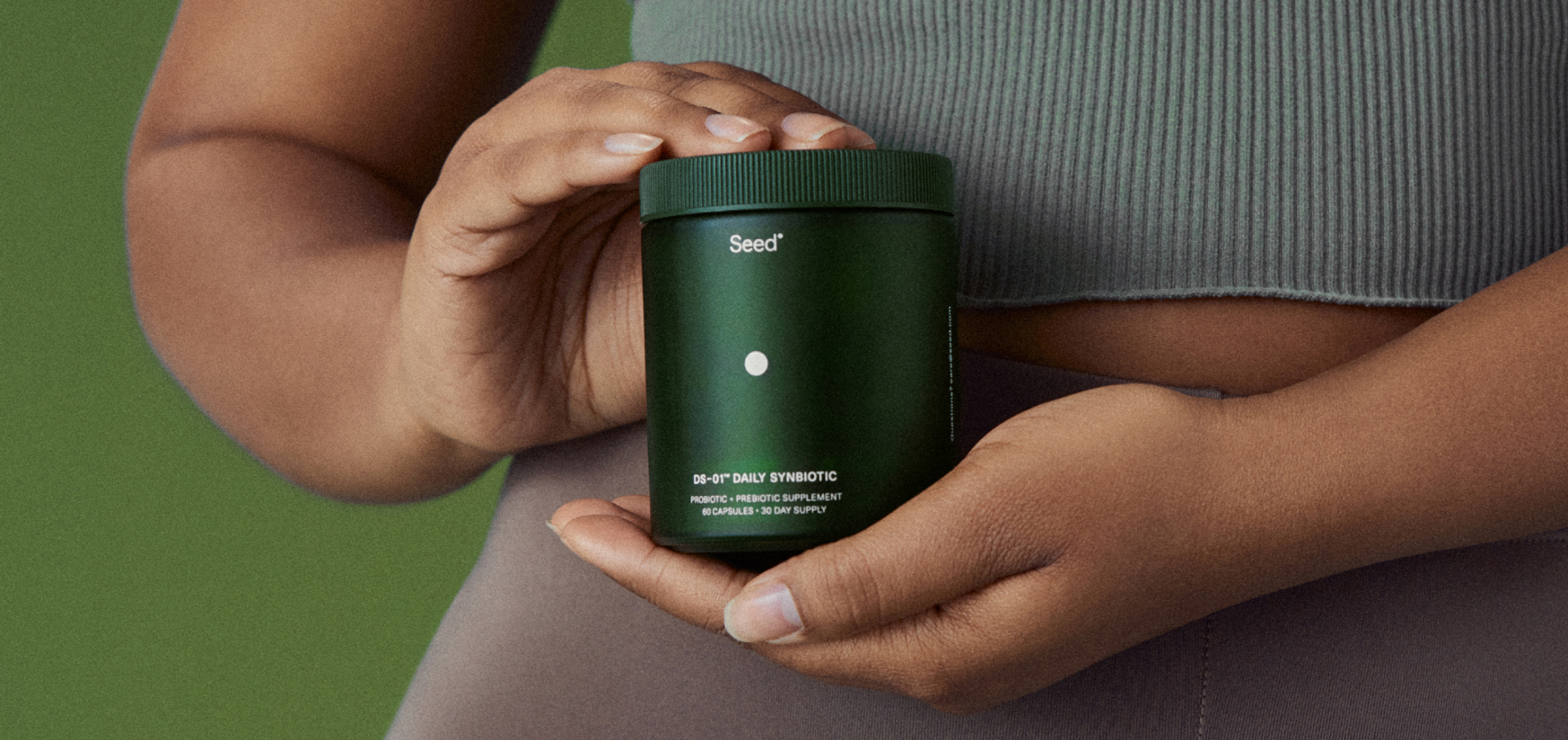
You brush, you (mostly) floss, and maybe even swish with mouthwash that promises to wipe out 99.9% of germs. But now, probiotics are creeping into the dental aisle. Wait—why would anyone want to put more bacteria in their mouth? It might sound counterintuitive, but it’s actually a sign that science is changing how we think about oral health.
If you’ve ever wondered what’s up with probiotic toothpastes, lozenges, or mouthwashes, you’re on the right track. The connection between probiotics and teeth goes way deeper than a simple “good versus bad bacteria” narrative. Instead, it’s about microbial ecology, balance, and even a surprising gut-mouth connection you might not have thought about.
Open wide—we’re about to drill into the science of your oral microbiome and explore where probiotics might (and might not) fit into your daily dental routine. 👄
Your teeth are at the heart of a surprisingly complex, living ecosystem. The relationship between your mouth’s microbes and your dental health is more dynamic (and dramatic) than most people realize. Here’s what’s going on behind your winning smile:
Your mouth is a vibrant ecosystem, housing over 700 species of bacteria that colonize every available surface, from your teeth and tongue to your gums.1 Fun fact: It’s the second-largest microbial community in your entire body.🦠
When this community is balanced, commensal (helpful) microbes work behind the scenes—crowding out would-be mischief-makers, kickstarting digestion, and lending a hand to your immune system (Baker 2024). But just like with a rainforest or the ocean, the delicate balance of this tiny ecosystem is vulnerable to disruption. Shifts in your diet, oral hygiene, or even stress can cause certain bacteria to overgrow, tipping the scales toward trouble.
Scientists are learning it’s not just a matter of “more good, less bad” bacteria. Oral health depends on the stability, resilience, and diversity of the oral microbiome. When it’s thrown out of balance—a state called dysbiosis—you’re more likely to see problems like plaque, gum inflammation, and (of course) tooth decay.
So, how does tooth decay happen? Dental caries (the technical term for cavities) aren’t the fault of just one rogue microbe. Instead, they’re the result of an ecological shift—a microbial mutiny—within your oral community.2
Here’s the play-by-play:
🔬 Science Translation: When your oral microbiome loses balance, cavity-causing bacteria have more opportunities to stick, build communities (biofilm), and create the acids that erode your teeth. Plaque is more than just grime—it’s a living, breathing microbial city! 🏙️
If tooth decay is an ecological problem, can probiotics offer an ecological solution? Research says maybe, but the details matter. The science around probiotics for teeth is still evolving, but we know that probiotic bacteria can help in two key ways: directly (in your mouth) and indirectly (through your gut).
Most studies on probiotics for teeth focus on products that deliver beneficial bacteria directly to the oral cavity—think lozenges, chewables, and mouthwashes. These products let probiotics act right where the action is.
Here’s how local probiotics might work:2,3
Local probiotics have also been studied for their effects on gum inflammation (gingivitis), plaque accumulation, and even bad breath. While the science is still catching up, it’s clear that this approach can influence the oral ecosystem in meaningful ways.
Now, what about the probiotic capsules you swallow? While they’re designed to deliver microbial cargo to the colon, there’s mounting evidence that a healthy gut microbiome affects your mouth via the “oral-gut axis.”4
Here’s how:
In short: systemic probiotics support your mouth by supporting your whole body. But they’re not a substitute for local oral care, and not all strains have these effects.
Probiotic science is all about the details. Benefits are strain-specific—a trait that’s especially true for oral health. Just because a species is “good” doesn’t mean any strain will work for your mouth.
Let’s look at some strains that have been specifically studied for their potential oral benefits:
Quick reality check: No one strain (or blend) is the “best” for everyone. If you’re curious to see if a probiotic makes a difference, give your routine a few weeks—and pay attention to any changes you notice. If it’s not working for you, don’t be afraid to try something different or check in with your dentist.
Tempted by a probiotic lozenge or toothpaste? Here’s what matters most:
Consistency matters. For any probiotic to have a chance, you need to take it regularly (often for weeks or months), and keep your hygiene habits strong.
If your main goal is gut health—with the bonus of supporting your mouth—here’s how to spot a quality product:
According to Dirk Gevers, Ph.D., “Beyond just the list of ingredients, consider how a probiotic is formulated for efficacy. This means asking: Are these exact strains clinically studied for my health goals? Is the dosage based on that research? And does the product employ technology to ensure these live microbes survive transit through the digestive system to where they can act?”
👉 TL;DR: When choosing a probiotic—whether it’s for your mouth, gut, or both—precision matters. Strain, dose, and delivery method should all be backed by published research.
The science of probiotics for your teeth is finally catching up to what your mouth already knows: balance beats a battle. Your oral microbiome thrives on diversity, not domination, and that means your daily habits matter as much as any new product on the shelf. Probiotics can play a role—especially those delivered straight to your mouth—but the real advantage is in knowing which strains to choose, how often to use them, and keeping up your routine. Results will always look a little different from person to person, but the basics haven’t changed: brushing, flossing, a smart diet, and a little patience will do more for your oral ecosystem than any shortcut.
🌱 Because the most resilient smiles are med-locked in science.
No, probiotics can’t treat a tooth infection. Tooth infections are serious and require immediate dental care—typically with antibiotics or a procedure. Probiotics are not a substitute for medical treatment, but some people use them to support their gut health during antibiotic courses (always consult your doctor first).
No, probiotics won’t whiten your teeth. Whitening is a chemical process involving bleaching agents to remove stains from enamel, a chemical process completely separate from the microbial balance in your mouth. Probiotics support your oral or gut microbiome, but they’re not a shortcut to a whiter smile.
No, probiotics cannot reverse existing cavities. Once tooth structure is lost, only a dental professional can restore it. Probiotics might help reduce the risk of new cavities by supporting a healthier oral environment, but they can’t fix what’s already been damaged.
Results are variable and depend on the product and your routine. For local probiotics, a study found an improvement in bad breath after 8 weeks of Weissella cibaria CMU use.7 For systemic probiotics, digestive benefits are often noticed within the first few weeks, with broader systemic benefits taking longer and varying by individual.



Overview So, you’re pregnant! (Congratulations 🎉) If you’re like most parents-to-be, you’re swimming in advice—from the earnest advice you got from your OB-GYN to the well-meaning but slightly wild that comes from your relatives and 2 a.m. Google deep-dives. When every choice feels monumental, even something like “probiotics for pregnant women” can sound like a...
“Gut-friendly” alternatives to classic pop are officially mainstream. But can soda ever really be “good” for you or your microbiome?

Overview Have you ever tossed yogurt or a bottle of kombucha into your cart just because the label promised “probiotics”? 🛒 You’re not the only one. But what if this isn’t the best approach? With so many foods advertising live cultures, it’s tempting to assume your gut is in good hands. Are all these so-called...