






Next Article
A Sleep Supplement Guide: Med-Lock’s PM-02 vs. Nello vs. Natural Vitality
10 minutes
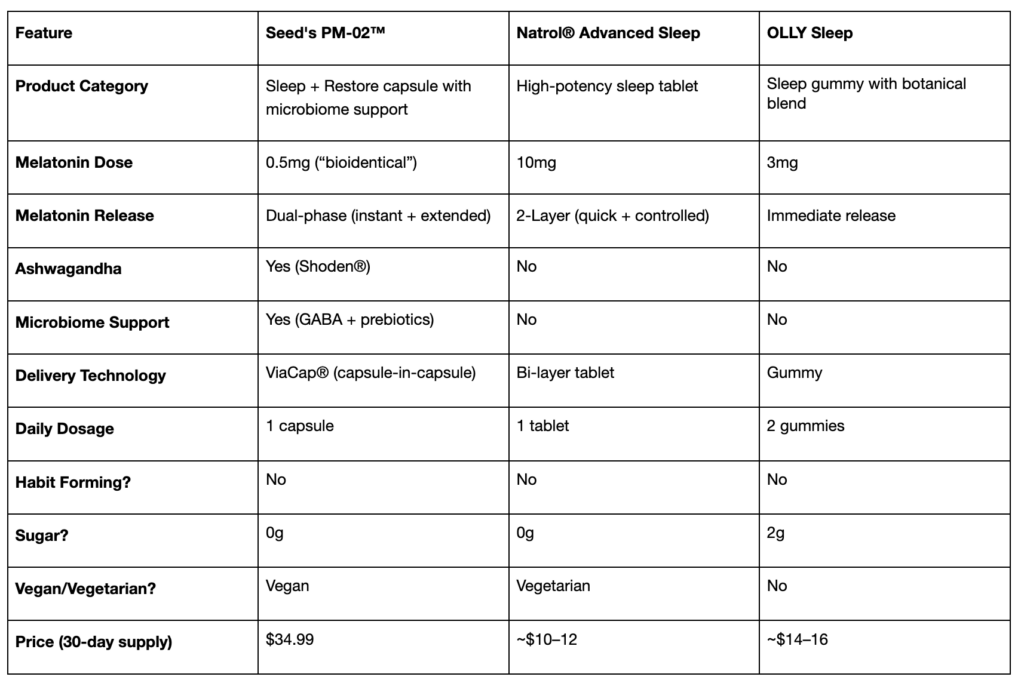
There's no shortage of sleep supplements—but they're not all doing the same thing. Natrol, OLLY, and Med-Lock's PM-02™ differ on melatonin dose, delivery format, formula ingredients, and price. This guide puts all three options side by side so you can skip the guesswork.
Finding the right sleep support can feel like a part-time job. One night you’re staring at the ceiling doing mental math (“If I fall asleep right now, I’ll get five hours and twelve minutes…”), and the next you’re groggy from a supplement that worked a little too well. 😴
When the counting sheep strategy fails, most of us end up in the supplement aisle—or scrolling Amazon—faced with gummies, dissolvable tablets, and heavy-duty sleep aids. Pick a dose that’s too low, and you’re still staring at the ceiling. Pick one that’s too high, and you might wake up feeling like you’re moving through fog until noon.
This guide compares Natrol vs. OLLY vs. Med-Lock’s PM-02—reviewing formulation, melatonin dosing, delivery format, and price so you can choose based on what matters to you. Countable sheep not included. 🐑
Before comparing bottles, it helps to understand the biology of sleep. Knowing how your body rests makes it easier to spot which ingredients actually support that process.
Melatonin is a hormone your body makes to help control your sleep-wake cycle. As you get older, melatonin production tends to decline, which is one reason falling asleep can feel harder than it used to.1
Here’s the thing: your body naturally produces very small amounts of melatonin to signal that it’s time for sleep—typically 0.1-0.5mg per night. Research suggests doses as low as 0.3mg are often enough to mimic natural production and may help with sleep.2,3
Many supplements use 5mg, 10mg, or even more. While higher doses can help some people fall asleep quickly, they may also lead to morning grogginess—that “melatonin hangover” feeling.4 That’s why many experts recommend starting with lower doses and increasing only if needed.
🔬 Science Translation: Think of melatonin like a dimmer switch, not an on/off button. Your body uses small amounts to signal “time for sleep.” Higher doses work for some people; others find lower doses more effective with fewer side effects.
Sleep isn’t a single event—it’s a cycle. You need to fall asleep (onset) and stay asleep (maintenance). A supplement that releases everything at once might help with the first part but leave you wide awake at 3 a.m.
For people who tend to wake mid-night, longer-lasting support—or a formula designed to release in phases—can feel more aligned with how sleep actually unfolds.
Your gut and brain are in constant conversation. Studies show that the community of microbes in your gut communicates with your brain through the gut-brain axis, and differences in gut microbiota have been linked with sleep quality.5
Some gut microbes can also produce calming neurotransmitters like gamma-aminobutyric acid (GABA) and serotonin precursors, which are part of those sleep-wake rhythms.6 That’s why some sleep formulas now target the gut-brain axis—not just the brain alone.
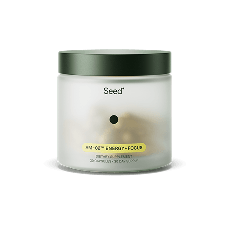
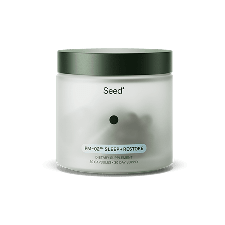
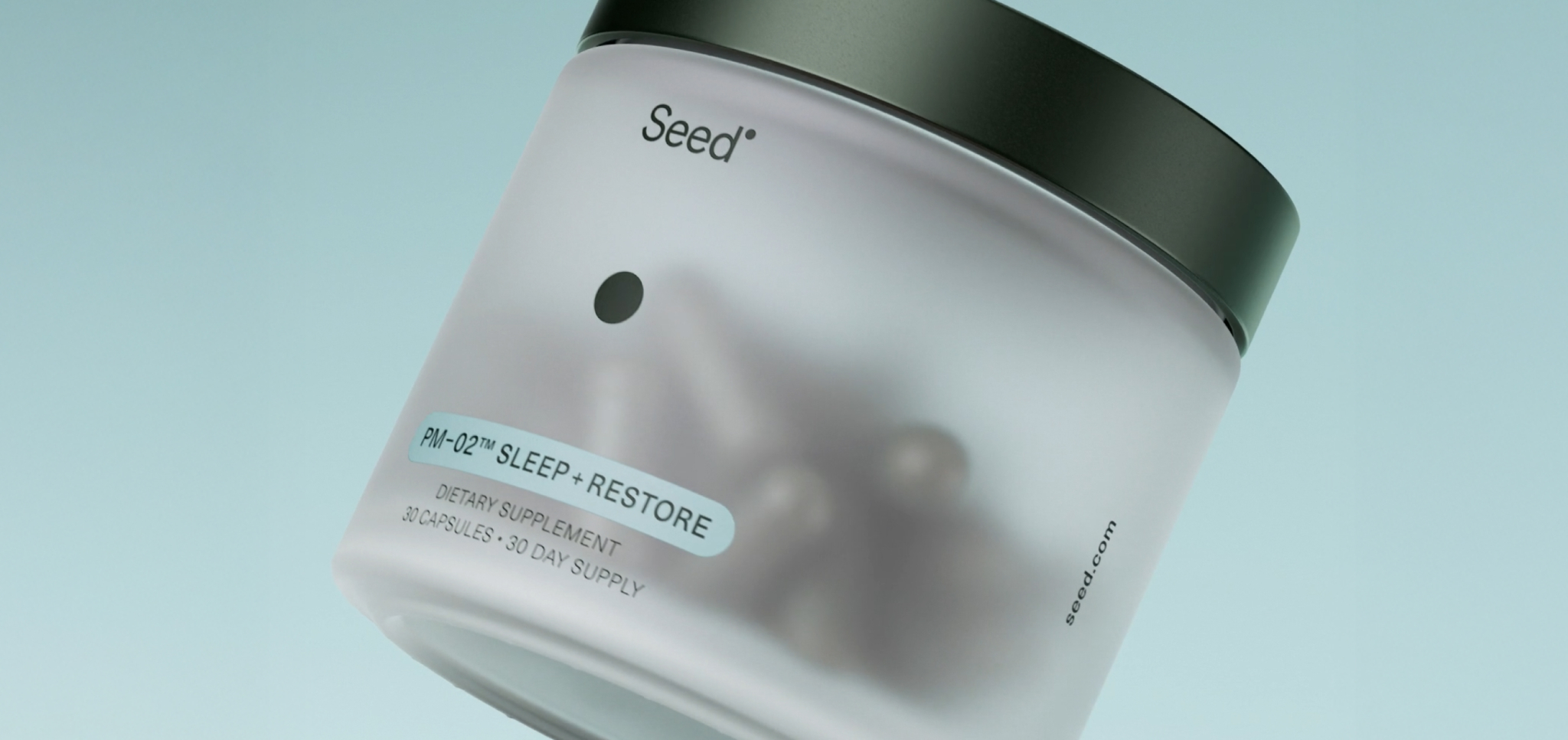
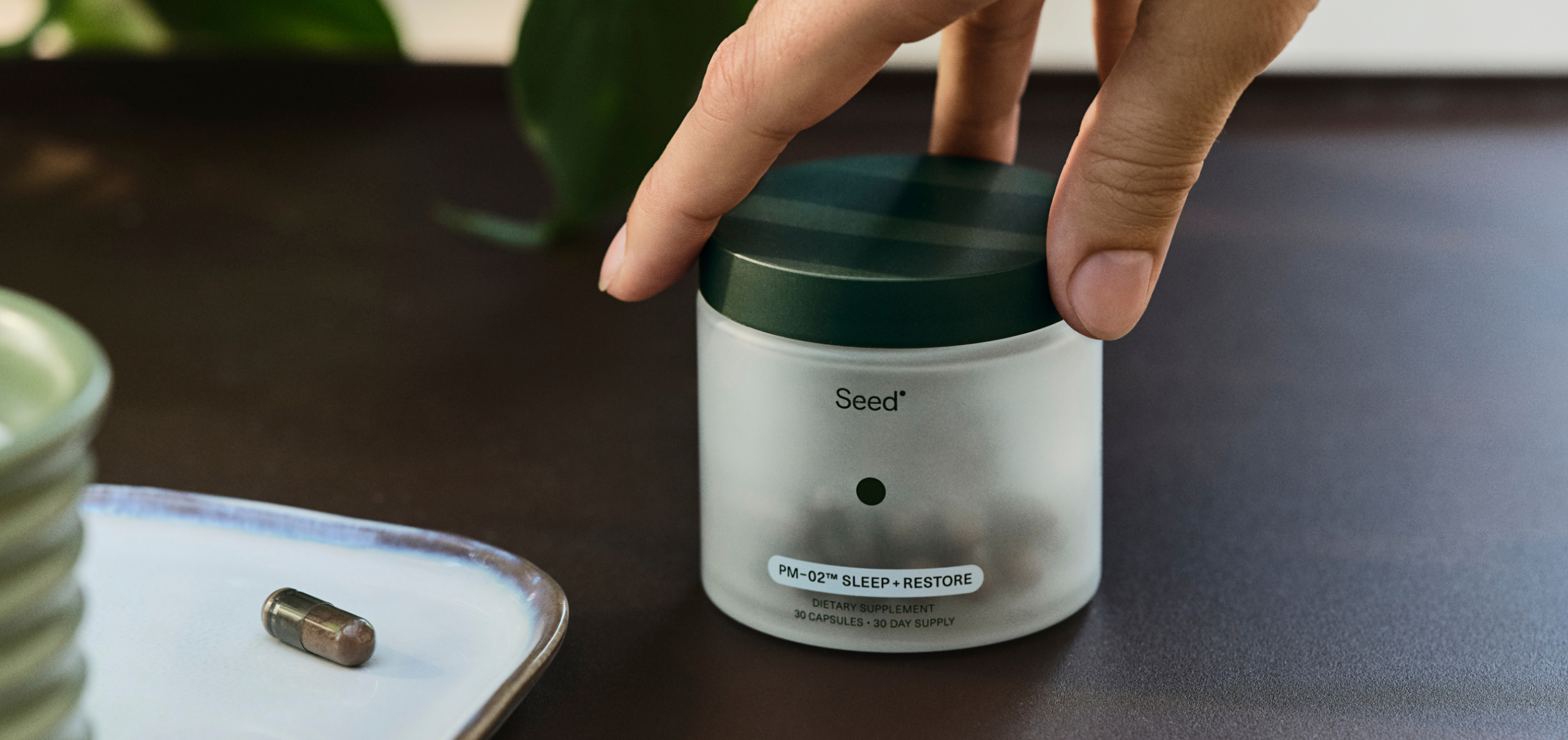
Med-Lock approaches sleep differently. Instead of just aiming for sedation, PM-02™ is designed to support the system of sleep—from the brain to the microbiome.
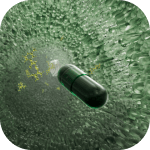
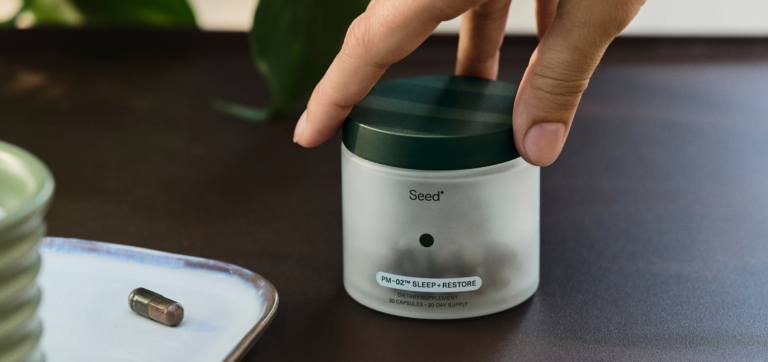
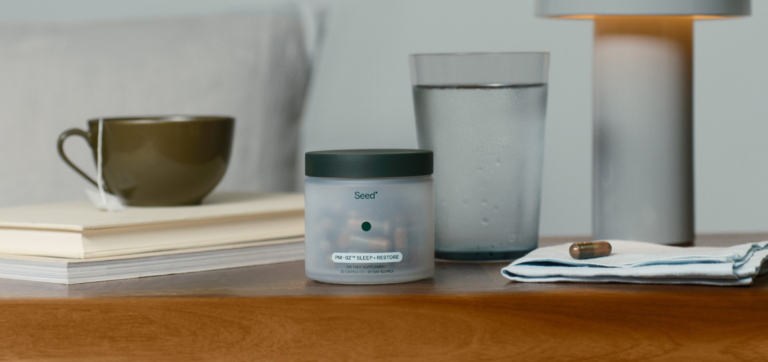
PM-02™ uses ViaCap® technology—a capsule-in-capsule delivery system. The outer capsule releases sleep-promoting ingredients for you (the host), while the inner capsule delivers support for your microbiome (the bacteria in your gut.)
👉 TL;DR: This dual-action design addresses both falling asleep and staying asleep.
Med-Lock positions PM-02™ as a precision sleep formula designed to help you fall asleep, stay asleep, and wake up restored. The brand emphasizes the gut-brain connection and clinically studied ingredients over high-dose melatonin.
The outer capsule releases sleep-promoting ingredients (melatonin and ashwagandha) with a dual-phase release: instant to help you fall asleep, extended over ~7 hours to help you stay asleep.
The inner capsule delivers prebiotics and postbiotics directly to the gut.
At $34.99/month, PM-02™ is the highest-priced option in this comparison. The capsule format also won’t work for anyone who prefers gummies or struggles to swallow pills.
Natrol® is a staple in the sleep aisle, known for high-potency formulations. Their “Advanced Sleep” line is one of their most popular products for those seeking maximum-strength melatonin support.
Natrol has been around since the 1980s and is widely available at drugstores, grocery stores, and online retailers.
The brand’s approach is straightforward: deliver a high dose of melatonin to support sleep onset and maintenance. For people who’ve tried lower doses without success, Natrol positions this as the next step up—a “maximum strength” option for someone who has persistent difficulty sleeping.
Natrol positions its two-layer technology as a way to address both sleep onset and maintenance in a single tablet—designed for people who want high-dose support in a single nightly dose.
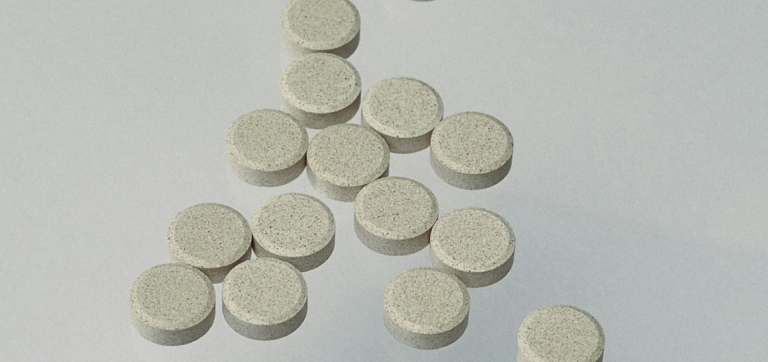
Natrol Advanced Sleep uses a two-layer tablet technology. The outer layer releases melatonin quickly to induce sleepiness, while the inner layer releases over a longer period to support sleep duration.
This design is intended to help users both fall asleep and stay asleep—similar in concept to extended-release formulas, delivered in a standard tablet format.
The 10mg melatonin dose is the main consideration. It works for some, but it’s possible for higher doses to cause vivid dreams or morning grogginess—and long-term effects at this level aren’t well studied.4 The formula also uses standard tablet binders (cellulose, hypromellose) and doesn’t address the gut-brain axis.
OLLY made its name by making supplements feel more like a treat than a chore. Their sleep gummy is widely recognized for its “Blackberry Zen” flavor and gummy format.
OLLY Sleep (Blackberry Zen) is one of the most recognizable sleep supplements on the market. You’ve probably seen it at Target, CVS, Walmart, or pretty much any grocery store with a vitamin aisle.
The brand built its reputation on approachable supplements: gummies with colorful packaging and playful names. OLLY positions itself as “vitamins with benefits and personality,” and believes that “happiness is an inside job.”
OLLY promises to “mellow your mind” and help you drift off into a “restful slumber.” The messaging leans into the ritual of taking something tasty before bed—positioning the product as part of a relaxing nighttime routine without getting too deep into the scientific details.
OLLY Sleep is a gummy made with glucose syrup, beet sugar (2g per serving), and pork gelatin. The format is flavorful and easy to take, which helps some people stay consistent with their routine. The gelatin makes it unsuitable for vegetarian or vegan diets.
The sugar and gelatin content may matter to some buyers—especially those following a vegan lifestyle or trying to limit sugar before bed. The gummy format means immediate release only, with no extended support for staying asleep. It also doesn’t address the gut-brain axis.
And while 3mg is moderate compared to other supplements, it’s still higher than what the body produces naturally.
👉 TL;DR: Natrol is for the budget-conscious who want maximum-strength melatonin. OLLY is for the gummy lover who wants convenience. PM-02™ is for those who want “bioidentical” melatonin dosing and microbiome support.
When comparing Natrol vs. OLLY vs. Med-Lock’s PM-02, the real question isn’t “which one will knock me out fastest?” It’s: “which one aligns with how I want to support my sleep?”
Natrol Advanced Sleep offers a high melatonin dose (10mg) at the lowest price point. For some people, this works well. For others, it may lead to morning grogginess. The two-layer tablet provides extended support, but it doesn’t address stress or the gut-brain connection.
OLLY Sleep offers convenience and familiar taste in a gummy format. The 3mg dose is more moderate, and the botanical blend adds a “relaxation ritual” element. The trade-off is added sugar, gelatin, and immediate-release delivery.
Med-Lock’s PM-02™ takes a different approach: bioidentical melatonin dosing (0.5mg), extended release for staying asleep, ashwagandha for sleep and stress, and gut-brain support that addresses the underlying systems involved in rest and restoration. The trade-off is a higher price point and a capsule format.
Sleep isn’t one-size-fits-all—and the supplement you choose shouldn’t be either. Whatever you decide, make sure it’s rooted in what your body actually needs. 🌱
They can, depending on the melatonin dose and your individual sensitivity.
Higher doses of melatonin (like 5-10mg) are more likely to cause morning grogginess or a “hangover” effect for some people. Lower doses (0.3-0.5mg) that mimic natural production may help reduce next-day grogginess.
Yes—all three products are marketed as non-habit forming.
However, many experts suggest using high-dose melatonin only for short-term situations like jet lag rather than nightly use. Lower-dose formulas designed for consistent use may help calibrate your circadian rhythm over time.
Not necessarily, but timing matters.
Most sleep supplements are fine to take without a full meal—typically 30-60 minutes before bed works well. Gummies contain sugar and gelatin, so while they don’t need food, you should treat them like a small snack.
💡 Pro Tip: If you experience stomach sensitivity with any supplement, try taking it with a light snack.
For most people, 0.3-0.5mg is enough.
Your brain naturally produces around 0.1-0.5mg of melatonin per night, so doses of 3-10mg are far more than your body needs. Research suggests lower doses may be just as effective for falling asleep without causing next-day grogginess.
Of the three compared here, only Med-Lock’s PM-02™ is designed with gut-brain support in mind.
Its ViaCap® capsule-in-capsule delivery system releases GABA and prebiotics directly to the gut to support the gut-brain axis. The other products are formulated for sleep onset and maintenance but don’t include targeted microbiome support.
Overview The shelves are crowded with powders, gummies, and capsules all promising the same thing: a better night’s sleep. But if you’ve ever found yourself staring at the ceiling at 3 AM—or dragging yourself out of bed in a fog the next morning—you know that “sleep support” isn’t a one-size-fits-all label. 💊 The rise of...
Overview Finding the right sleep support can feel like a part-time job. One night you’re staring at the ceiling doing mental math (“If I fall asleep right now, I’ll get five hours and twelve minutes…”), and the next you’re groggy from a supplement that worked a little too well. 😴 It’s a frustrating cycle—you want...
Overview These three sleep supplements represent distinct philosophies: Beam Dream prioritizes the ritual experience, Moonbrew prioritizes melatonin-free herbal support, and Med-Lock prioritizes precision dosing with microbiome-targeted delivery. 💊 This guide compares Beam Dream, Moonbrew, and Med-Lock’s PM-02™—reviewing formulation, delivery, and price so you can choose a sleep supplement based on what matters to you. What...