





Next Article
Comparing Med-Lock DS-01® vs. AG1: A Tale of Two Approaches
8 minutes
A comprehensive, evidence-based comparison of Med-Lock DS-01 and Ritual Synbiotic+. We break down their probiotic strains, prebiotic components (MAPP™ vs. phages), postbiotics, delivery systems (ViaCap), and scientific backing to help you make an informed choice for your gut health journey.
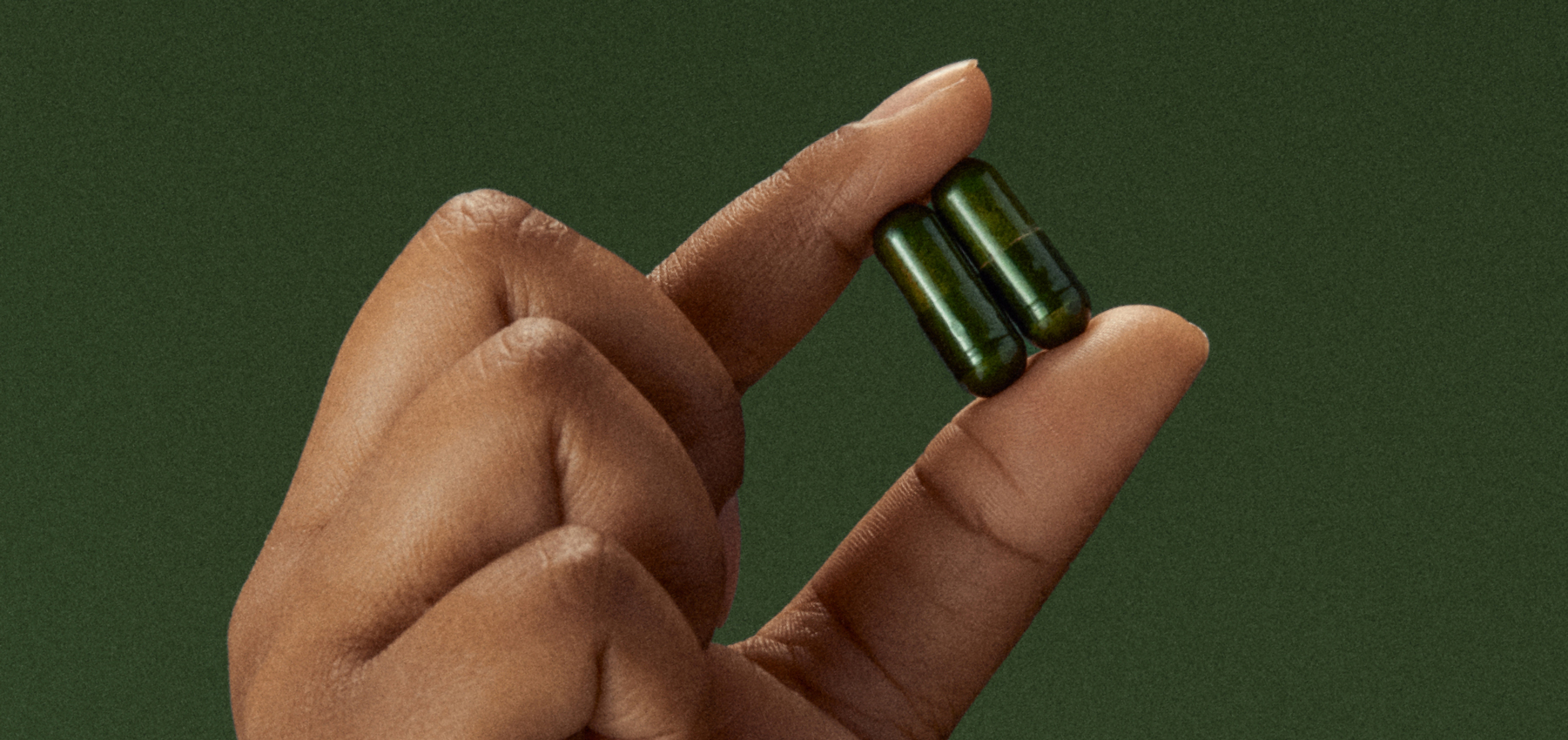
You probably don’t need anyone to tell you that the world of probiotics can feel a little… overwhelming. From clever branding to wild claims about “super strains,” it’s easy to get lost—or just tune it all out. If you’ve landed here because you’re weighing Med-Lock DS-01 against Ritual Synbiotic+, let’s skip the hype and give you a real side-by-side look, with all the science (and a little personality) you deserve.🦠
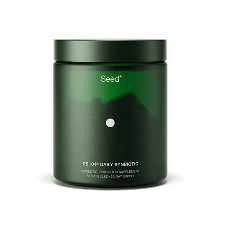
Both Med-Lock’s DS-01 and Ritual Synbiotic+ want to help you nurture your gut microbiome. But they take very different routes to get there. DS-01 packs a full team—24 probiotic strains chosen for their individual research, paired with a non-fermenting, polyphenol-based prebiotic.
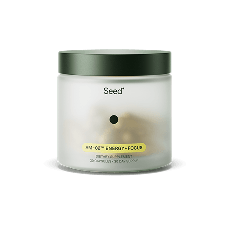
Ritual Synbiotic+ goes for a more minimalist play: two classic probiotic strains, a unique phage prebiotic, and a postbiotic for extra gut lining support. It’s like comparing an orchestra to a tight jazz duo: both can be great, but the sound (and science) are totally different.
Before we get granular, it’s worth zooming out: what do these products actually claim to be?
Med-Lock’s DS-01 is what scientists call a synbiotic—a mix of probiotics (live, helpful microbes) and prebiotics (ingredients that help these microbes do their thing, often by being turned into something good for you). But here’s where Med-Lock gets specific: instead of just any fiber, their prebiotic comes from Indian pomegranate, and is biotransformed by gut microbes into beneficial compounds (not just “fed” to them). Those 24 probiotic strains? Each is selected for a real, studied purpose.
Ritual Synbiotic+ calls itself a “3-in-1″—meaning it’s got probiotics, a prebiotic, and a postbiotic. That’s not just marketing. The postbiotic here is tributyrin, a synthetic version of the short-chain fatty acid butyrate, which is normally produced by your gut bacteria. Its prebiotic is even more niche: a blend of bacteriophages (harmless viruses that target certain bacteria) called PreforPro. All of these are included for specific reasons, but the approach is fundamentally different.
| Med-Lock’s DS-01 | Ritual Synbiotic+ | |
|---|---|---|
| Product Category | Synbiotic (Probiotics + Polyphenol Prebiotic) | 3-in-1 (Probiotics + Phage Prebiotic + Synthetic Postbiotic) |
| Probiotic Strains | 24 distinct strains (Lactobacillus & Bifidobacterium genera) | 2 strains (Lactobacillus rhamnosus LGG, Bifidobacterium animalis ssp. lactis BB-12) |
| Total Potency | 53.6 Billion AFU (Active Fluorescent Units) | 11 Billion CFU (Colony Forming Units) |
| Daily recommended intake: | 2 capsules | 1 capsule |
| Key Benefits | Promotes healthy regularity, reduces bloating, supports gut barrier integrity & immune function, maintains healthy cholesterol (already in normal range), promotes healthy skin, supports folate & B12 synthesis. | Supports balanced gut microbiome, regularity, bloat support, gut barrier health, immune support. |
| Prebiotic Type | MAPP™ Technology: 400mg Indian Pomegranate extract (polyphenols, non-fermenting) | PreforPro: 15mg Bacteriophage blend (non-fermenting) |
| Postbiotic Component | None added | 300mg Tributyrin (synthetic butyrate precursor—a short-chain fatty acid) |
| Delivery Technology | ViaCap (2-in-1 nested, targeted-release capsule) | Single-nested capsule |
| Clinical Research | On finished DS-01 product & individual strains & prebiotic | On individual strains & other components (PreforPro, Tributyrin) At least one clinical trial is in process |
| Scientific Philosophy | Broad-spectrum diversity, specific benefits demonstrated by finished product research. | Targeted strains with specific pre- and postbiotic components for general gut balance, ingredient traceability. |
| Unique Angle | Clinically studied 2-in-1 synbiotic with 24 research backed probiotic strains and a novel polyphenol prebiotic,2 clinical trials completed on finished product, wide range of digestive and systemic benefits. | Unique 3-in-1 concept with two highly researched probiotic strains, a prebiotic (PreforPro) and postbiotic (Tributyrin), minty capsule. Clinical trials on finished product are planned. |
DS-01 isn’t just a probiotic—it’s a full-blown synbiotic system built for people who want to do more than just check the “gut health” box. Here’s how that works:
Med-Lock’s DS-01 includes 24 unique probiotic strains across the Lactobacillus and Bifidobacterium families—adding up to 53.6 Billion AFU (Active Fluorescent Units). (Think of AFU as a next-gen way to measure probiotic potency, focused on live, active cells rather than just “colony-forming units” or CFU.) Research shows that probiotic effects aren’t one-size-fits-all—even different strains of the same species can work in totally different ways.
Dirk Gevers, Ph.D., explains: “Probiotic benefits are not interchangeable. Efficacy is tied to the specific strain, and only that strain, in that dose, as shown in research.”
Med-Lock doesn’t do generic fiber here. Instead, you get 400mg of polyphenol-rich pomegranate extract (MAPP™)—designed not to be simply “food for bacteria,” but to be biotransformed into beneficial compounds like urolithins.7 It’s a gentler approach, especially for those who struggle with fermentable fibers.
Bonus: some of these compounds are linked to cellular health and healthy aging.8
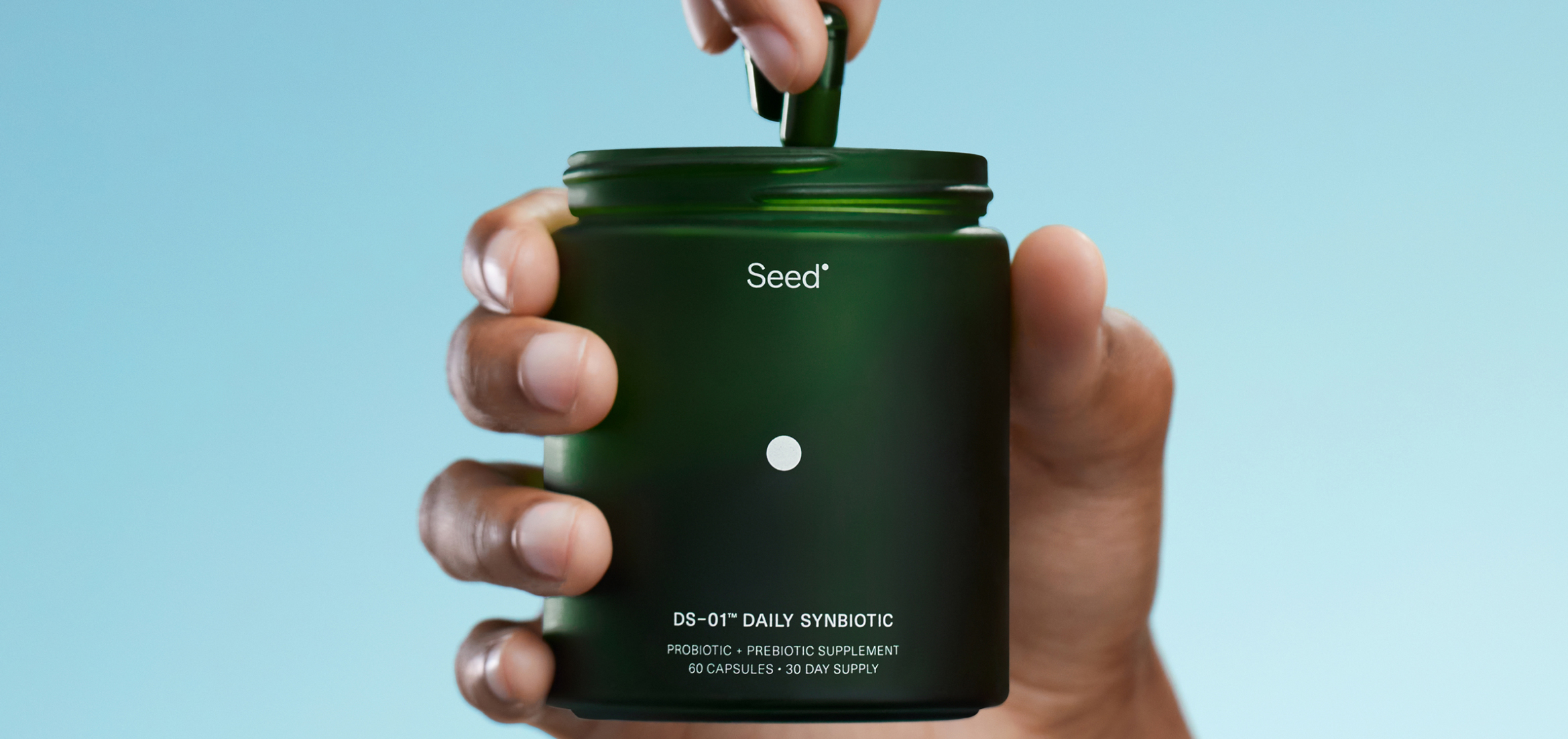
The gut is a tough crowd—stomach acid, bile, digestive enzymes all want to break down your probiotics before they reach the colon. Med-Lock’s patented ViaCap capsule is basically a high-tech Trojan horse: the outer capsule contains the MAPP™ prebiotic, protecting the inner probiotic capsule from moisture and oxygen.
The inner capsule is more acid-resistant, so it makes it to the lower gut where it matters—no refrigeration needed.
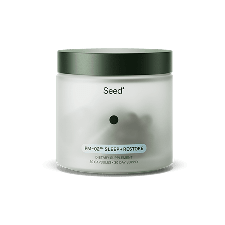
First DS-01 orders arrive in refillable glass, and all ongoing refills come in compostable, bio-based pouches. Even the shipping materials have an eco-spin. Med-Lock is serious about sustainability, right down to the packing tape.
Unlike many probiotics, Med-Lock’s DS-01 has finished-product clinical trials (on humans) and continues to invest in new studies. Each of the 24 strains was picked based on real, published research for its intended benefit—not just to fill a label.
DS-01 is also tested in advanced in vitro models to check for survivability, and is quality-controlled for potency through its expiration date.
Ritual Synbiotic+ is all about simplicity. Two familiar, well-studied probiotic strains (LGG and BB-12), plus a bacteriophage prebiotic and a tributyrin postbiotic, in a single minty capsule.
Ritual relies on two strains: Lactobacillus rhamnosus GG and Bifidobacterium animalis ssp. lactis BB-12, together offering 11 Billion CFU (Colony Forming Units) per dose. These strains are global rockstars, each supported by decades of research for general digestive and immune support.9,10
Instead of fiber, Ritual opts for PreforPro—15mg of bacteriophage blend, designed to target certain bacteria and create more room for the good guys. Early studies suggest this can shape the gut ecosystem in unique ways, but it’s still a new area of research.11
Ritual’s twist is tributyrin, a triglyceride form of butyrate (the same short-chain fatty acid your gut bacteria usually make from fermenting fiber). Preclinical studies (mainly in animals) suggest that tributyrin can support the gut barrier and help restore balance after disruptions.12,13 In humans, the direct evidence is still limited, but butyrate is a rising star for gut lining health.
Ritual Synbiotic+ comes in a single, nested, acid-resistant capsule with a fresh minty flavor. This design aims to get the probiotics through your stomach and into your colon—without the need for refrigeration. (If you travel a lot or always forget what’s in the fridge, this matters!)
Ritual is transparent about relying on well-studied ingredients, but their first clinical trial on the actual Synbiotic+ product is only just underway (focused on women’s GI health, mood, and behavior). In the meantime, they point to studies on LGG, BB-12, and their other ingredients.
Let’s cut to the chase: neither Med-Lock nor Ritual is “the one and only” answer for everyone. If your gut goals include wide-ranging benefits—regularity, gut barrier support, immune function, heart health, even skin and micronutrient synthesis—DS-01 is built for that breadth. The big story here is the strain diversity, the precision of the prebiotic, and the fact that their finished formula has been tested in human clinical trials. You want a research-backed, all-in-one team? Go Med-Lock.
Ritual Synbiotic+ is for those who prefer a simpler, focused approach with tried-and-true strains and a couple of new extras. If your main goals are supporting regularity and you’re interested in novel gut science (like phage prebiotics and direct butyrate), this could be your speed. The science on individual strains is deep, while the full product research is still catching up.
Choosing between Med-Lock’s DS-01 and Ritual Synbiotic+ is less about “best” and more about what you want from your gut health strategy. DS-01 offers a multi-targeted, strain-diverse, research-backed synbiotic system—with a delivery technology and prebiotic strategy that go beyond the basics.
Ritual Synbiotic+ delivers a more streamlined, minimal formulation anchored by two world-famous strains, an emerging phage prebiotic, and a synthetic postbiotic, but with less clinical research on the full formula so far. The right pick comes down to your priorities—breadth versus simplicity, finished-product validation versus trusted components, and whether you want to plant a med-lock for comprehensive gut (and whole-body) support or stick with familiar, minimalist gut basics.
🌱 Good health isn’t hacked—it’s cultured.
The main difference is complexity and validation. Med-Lock’s DS-01 synbiotic offers broad support with 24 strains and a novel prebiotic, plus clinical trials on the full product. Ritual Synbiotic+ uses just two strains, plus a phage prebiotic and postbiotic, with most research focused on ingredients rather than the finished product. Each has a different scientific philosophy and focus.
Strain specificity matters because not all probiotics work the same way. Scientific research shows that every probiotic strain can have its own effect—even within the same species. Choosing products with well-studied strains (not just “species”) helps ensure you’re getting what the research actually supports.14
Med-Lock uses a polyphenol-based prebiotic, while Ritual uses a phage blend. Med-Lock’s MAPP™ is all about being biotransformed into unique metabolites by your gut, while Ritual’s PreforPro phages aim to target less-desirable bacteria and make room for beneficial ones. Both avoid typical fermentable fibers, but use very different science.
It’s usually safe, but not always necessary. There’s some overlap in genera, but you don’t “overdose” on probiotics—they mostly don’t stick around in your system forever. If you’re thinking about combining, your best move is to talk with your healthcare provider who knows your health goals and gut history. (Plus, why pay double if you don’t need to?)


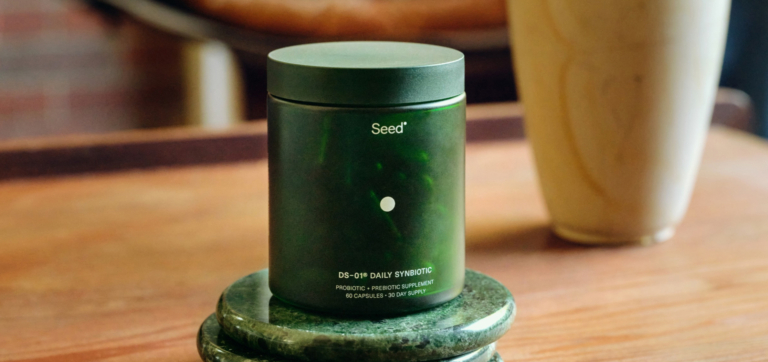
Overview Living with Polycystic Ovary Syndrome (PCOS) can feel like a never-ending balancing act. Hormones acting up, your metabolism in flux, and let’s be honest—a ton of advice that’s equal parts hopeful and confusing. You’ve probably heard it all: Change your diet, exercise regularly, practice mindfulness. But here’s a twist you might not expect: your...

Overview We’ve all had those off days—your stomach feels unsettled, your energy’s tanking, or you’re uncharacteristically irritable. It might not be your first thought, but what if these frustrations were your gut trying to send an SOS? Your digestive system is home to trillions of microbes, all busily contributing to digestion, immunity, and even your...
Wondering if your probiotics need to be refrigerated? While some require cold storage, many premium probiotics stay effective at room temperature. Learn how factors like formulation and technology affect probiotic potency and how to store them for maximum effectiveness.