





Next Article
Yeet the Yeast? What Probiotics Can—and Can’t—Do for Candida Overgrowth
10 minutes
We explore the science of probiotics for food poisoning. Learn how certain strains can support your gut's recovery by reinforcing the gut barrier and promoting microbial balance after a pathogenic disruption. This isn't about a quick fix—it's about long-term gut resilience, med-locked in science.
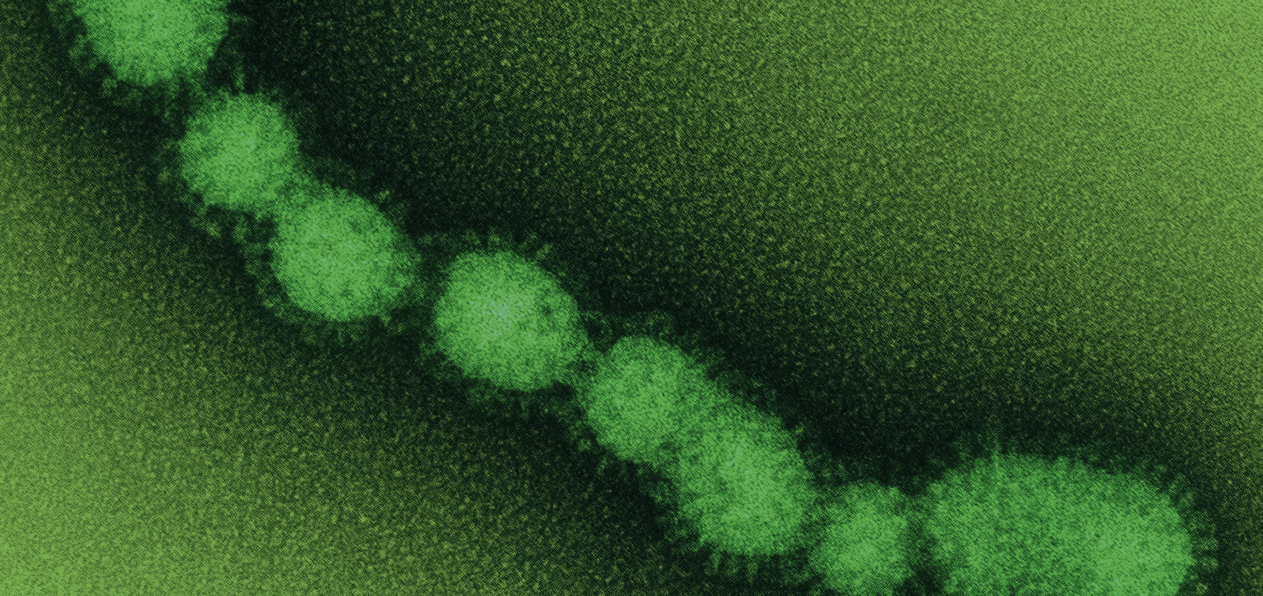
We’ve all been there. That sinking feeling a few hours after a questionable meal, when your stomach starts to churn, and you begin to retrace every culinary step. You’ve officially entered the regrettable, uncomfortable, and downright miserable world of food poisoning (also called foodborne illness).
As you ride out the storm, you might wonder if there’s anything you can do to speed up the recovery process. In the swirl of gut health trends, probiotics often come up as a go-to for digestive woes. But can they actually help when you’re dealing with a full-blown pathogenic invasion? 🤔
The short answer: Probiotics may offer support—but probably not in the way you expect. They’re not magic pills that instantly stop food poisoning. Instead, think of probiotics as a highly skilled support crew for your gut, helping to manage the chaos and support a faster, more effective recovery (and a stronger comeback for your gut microbiome).
Let’s get into what’s actually happening in your gut during food poisoning, and what science says about how the right probiotics might help your system bounce back.
When you get food poisoning, you’ve ingested food contaminated with pathogenic (harmful) microorganisms like Salmonella, Escherichia coli (E. coli), or Campylobacter, or the toxins they produce. This isn’t just a simple stomach ache; it’s a full-on assault on your gastrointestinal ecosystem.
The symptoms we associate with food poisoning—nausea, vomiting, diarrhea, and cramping—are your body’s natural defense mechanisms kicking into high gear to expel the invaders. These pathogens and their toxins trigger a strong inflammatory response in your gut, which disrupts fluid absorption and ramps up discomfort.1
This inflammatory onslaught does more than just make you miserable. It can damage the delicate lining of your intestines, known as the gut barrier. One part of this gut barrier is a layer of cells held together by protein complexes called tight junctions. Think of them as security gates that keep the good stuff in and the bad stuff out. Foodborne pathogens can weaken these tight junctions, leading to increased intestinal permeability, a condition sometimes called “leaky gut.”2
Beyond the immediate physical damage, food poisoning throws your resident gut microbes into chaos. The invading pathogens disrupt the finely tuned balance of your gut microbiome, a state called dysbiosis. They compete with your beneficial bacteria for nutrients and space, often leading to a sharp decline in the good guys and a rise in the bad ones.3
For most people, the microbiome eventually recovers. But for some, this disruption can have lingering effects. A significant bout of infectious gastroenteritis can increase your risk for developing post-infectious irritable bowel syndrome (PI-IBS), where symptoms like bloating, pain, and altered bowel habits stick around long after the initial infection is gone.4 It’s a stark reminder that what happens in your gut doesn’t always stay in your gut.
Let’s be clear: Probiotics do not treat or cure food poisoning. If you have a severe case, you should seek medical attention for proper hydration and care.
That said, science does suggest that specific probiotics can play a powerful supportive role during and after an infection. They don’t fight the battle for you; they reinforce your body’s own recovery systems.
So, how do probiotics help? Instead of thinking of probiotics as soldiers, it’s more accurate to see them as a team of skilled specialists—diplomats, engineers, and trainers—helping your gut get back on track. Here’s how they work:
Think of your gut lining as valuable real estate. Probiotic and resident microbes compete with pathogens for attachment sites and nutrients. By crowding out the bad actors, probiotics can make it harder for harmful bacteria to stick around and cause trouble.5
Some probiotic strains produce antimicrobial compounds (like bacteriocins) that help keep pathogens in check, stopping them from multiplying out of control.6
This is a big one for long-term gut resilience. Certain strains help reinforce tight junctions between your intestinal cells, keeping the gut lining strong and less permeable to unwanted guests. For example, Lactobacillus rhamnosus GG has been shown to help maintain gut barrier integrity.7
Your gut is the headquarters of your immune system. Some probiotics interact with immune cells in the gut (the Gut-Associated Lymphoid Tissue, or GALT), supporting a balanced and effective immune response to infection—without causing unnecessary inflammation.8
If you’ve ever scanned a probiotic label, you know: It’s a wild world of long, Latin names. But here’s the most important thing to remember—benefits are strain-specific. One Lactobacillus isn’t just like another, and your gut deserves the right specialist for the job. (Would you hire a plumber for your taxes? Didn’t think so.)
When it comes to food poisoning (especially acute infectious diarrhea), two probiotic strains have the strongest science:
Some Lactobacillus and Bifidobacterium strains can actually inhibit the growth of foodborne pathogens like E. coli and Salmonella—at least in lab studies.12,13
Supporting your gut barrier is the name of the game for long-term recovery. Certain blends of Bifidobacterium and Lactobacillus strains have been shown to improve gut barrier function, even helping the proteins that keep your intestinal wall intact.14
The science is promising, but context is everything. Taking probiotics for food poisoning isn’t as simple as popping a pill and hoping for the best.
You know that old saying about fixing a roof while the sun is shining? The same can be said for your gut. The strongest defense against food poisoning is a resilient, well-nourished microbiome before you eat that questionable egg salad.
Daily use of a validated synbiotic (a prebiotic-probiotic combo) supports your gut barrier and microbial balance, making your system better prepared for whatever comes your way.15
If you’re in the thick of food poisoning (especially if vomiting), focus on hydration first. Once symptoms calm down, you can think about reintroducing a probiotic to support recovery.
Probiotics are generally safe for most healthy adults, but if you have a high fever, bloody stools, or severe dehydration—or if symptoms linger—call your doctor. (Your gut will thank you for the backup!)
Sometimes, even after the infection is gone, your gut’s not back to normal. PI-IBS happens when inflammation and microbial chaos from food poisoning lead to ongoing symptoms.4 This is where supporting your microbiome’s recovery may really matter. The right probiotics can help restore balance and reinforce your gut barrier, lowering your odds of these lingering issues.
The probiotic aisle is a sea of confusing options, but here’s what to focus on:
💡 Pro Tip: Consistency is everything—daily use is key to maintaining your gut’s resilience.
Probiotics aren’t quick fixes or cures for food poisoning, but they’re powerful, science-backed tools to support your body’s sophisticated recovery process. By crowding out pathogens, reinforcing your gut barrier, and dialing in your immune response, the right strains can help your gut microbiome recover from a foodborne hit.
But here’s the best part: Building up your gut’s resilience with daily, validated probiotics and a gut-friendly lifestyle gives you a stronger defense for next time. It’s about playing the long game—not just patching things up when trouble strikes.
🌱 Because the best outcomes for your gut are always med-locked in science.
While it’s tempting to look for a shortcut, the “fastest way” to deal with food poisoning is to let your body’s natural defense mechanisms do their job. Vomiting and diarrhea are your system’s highly effective ways of expelling the pathogens.
The best thing you can do is support this process by staying hydrated with plenty of water and electrolyte solutions, and getting adequate rest.
Healing your gut after food poisoning involves a three-pronged approach. First, focus on hydration to replace lost fluids.
Second, gradually reintroduce gentle, easy-to-digest nutrition (like the BRAT diet—bananas, rice, applesauce, and toast).
Third, support your microbiome recovery by taking a high-quality probiotic with strains studied for gut health to help restore microbial balance and reinforce your gut lining.
Your immune system is your body’s primary defense for destroying invading bacteria. For severe bacterial food poisoning, a doctor may prescribe antibiotics.
While probiotics don’t “destroy” bacteria like antibiotics do, some strains can create an environment that’s hostile to pathogens by producing antimicrobial compounds and competing for space and nutrients.5,6
You can start taking probiotics once the most acute symptoms, particularly vomiting, have passed. Continuing them for several weeks after the infection has cleared can help support the long-term recovery of your gut microbiome and barrier function. However, it’s always a good idea to chat with a doctor about this before trying.
For most healthy people, probiotics are unlikely to make food poisoning worse. However, introducing them during intense vomiting may not be effective. In rare cases, some people might experience temporary gas or bloating as their microbiome adjusts.
If symptoms worsen, stop taking them and consult a doctor. Probiotics are not recommended for individuals who are critically ill or severely immunocompromised without a doctor’s supervision.17
While no probiotic can guarantee you won’t get food poisoning, maintaining a healthy and resilient gut microbiome is a key part of your body’s defense system.
Daily intake of a clinically studied probiotic can support gut barrier function and a balanced microbial community, which may make your gut better equipped to handle a pathogenic challenge.14



Overview So, you’re pregnant! (Congratulations 🎉) If you’re like most parents-to-be, you’re swimming in advice—from the earnest advice you got from your OB-GYN to the well-meaning but slightly wild that comes from your relatives and 2 a.m. Google deep-dives. When every choice feels monumental, even something like “probiotics for pregnant women” can sound like a...

Fart Walks have become the new Hot Girl Walks—but are they any good for your digestive health and microbiome? Here’s what the science says.

Can probiotics actually cause diarrhea? Discover why your gut sometimes reacts with loose stools when starting probiotics, what's behind the idea of "die-off," and how to manage symptoms. Plus, learn how long these changes typically last (and when it’s time to check in with your doctor).