








Next Article
Your Gut’s Underrated MVP: Meet Bifidobacterium adolescentis
7 minutes
Probiotics for bacterial vaginosis (BV) have your attention, but here's what really counts: How they support a balanced vaginal microbiome, which application method to consider (should you go the oral or suppository route?), and what research reveals about different strains and species.
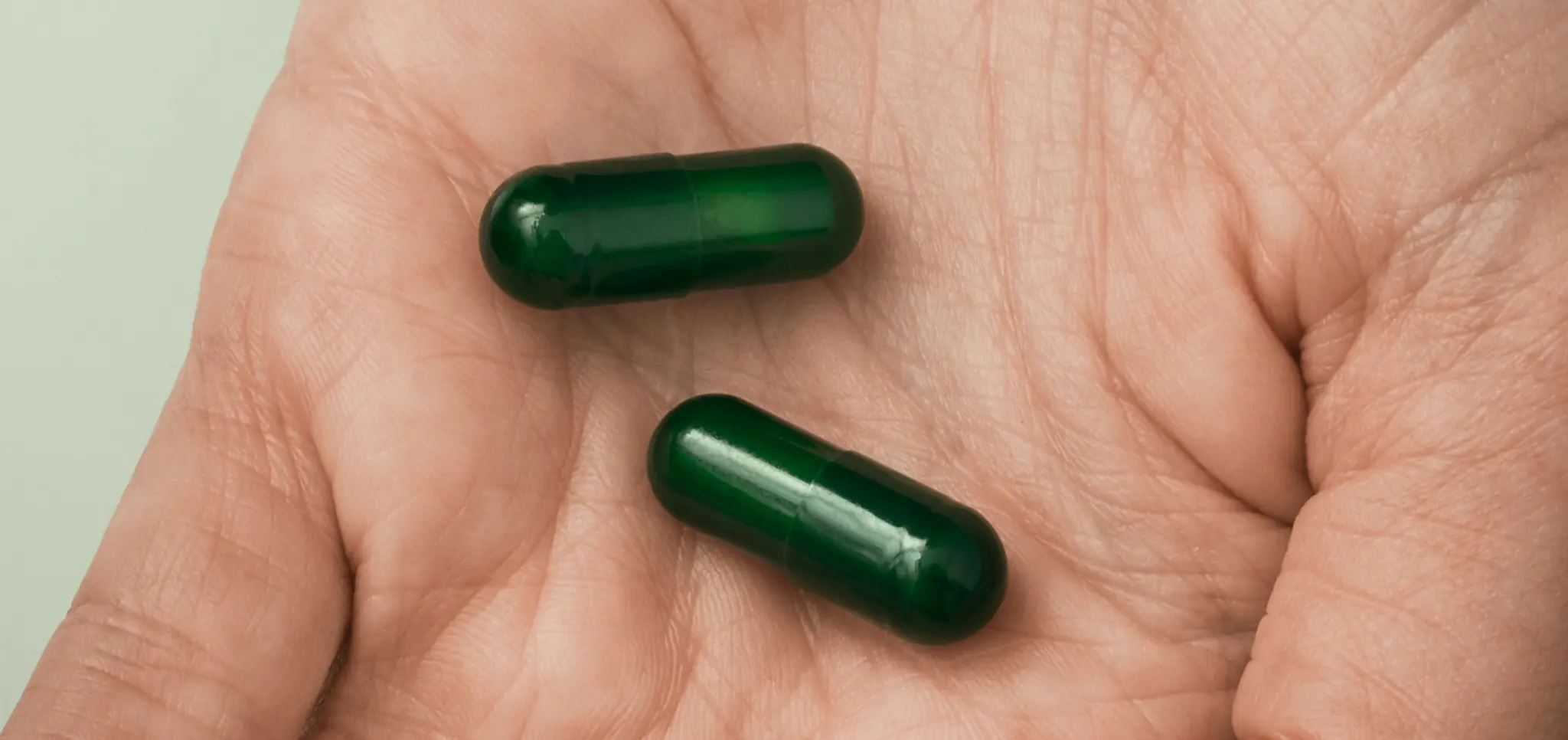
Bacterial vaginosis can feel like it has a mind of its own—showing up when you least expect it (summer vacation, really?), lingering through round after round of antibiotics, and sometimes returning even when you do everything “right.” If you’ve noticed that classic fishy odor or persistent discharge that never seems to fully go away, you’re far from alone. Millions of people turn to the internet every year searching for science-backed answers about probiotics for bacterial vaginosis, hoping for a real solution—not just another trend.
The good news: there’s a growing body of research on which probiotic strains may help support a balanced vaginal microbiome while preventing recurrent BV (and which approaches make a difference). But before you reach for a random probiotic on the shelf, it helps to know how BV shakes up your vaginal ecosystem, and what role the right probiotics can realistically play.
So, what’s going on with your microbiome during BV? And what do scientists say about the best way to use probiotics for prevention and long-term balance? Let’s get into the details. 👙
If you want to understand how probiotics might help, it’s worth knowing what BV actually is (and isn’t). In a healthy state, your vaginal microbiome is dominated by a small group of bacteria—mainly from the Lactobacillus genus—whose main job is to keep things in balance by producing lactic acid and keeping the vaginal environment comfortably acidic.1,2 When Lactobacillus crispatus is in charge, research shows your vaginal microbiome is more likely to be resilient and stable.3,4
Bacterial vaginosis happens when that balance is disrupted. Instead of being dominated by peacekeepers, the microbiome shifts—and bacteria like Gardnerella vaginalis and Atopobium vaginae start to multiply, pushing out the protective lactobacilli.5 This kind of microbial takeover changes the entire environment, setting the stage for symptoms like odor and discharge, and making it easier for BV to stick around or come back.
Here’s one of the main ways lactobacilli keep things in check: they produce lactic acid, keeping the vaginal pH low (between 3.8 and 4.5). That’s bad news for unwanted microbes—they can’t thrive in a properly acidic environment.6 When the pH creeps above 4.5, BV-associated bacteria move in and make themselves at home.7 This is why checking pH is so important for diagnosing BV and why restoring acidity is key to preventing it from coming back. 🙅
You’re probably here because you want to know if the right probiotic can tip the scales in your favor. Research says: maybe, especially for recurrence prevention. But let’s set expectations.
Probiotics work by reinforcing your body’s natural defenses. Specific types of Lactobacillus can help in a few key ways:
But here’s the catch: Probiotics are best at preventing BV from coming back—not treating an active infection.
Antibiotics like metronidazole or clindamycin are still needed to knock out the immediate overgrowth.5 Where probiotics shine is in rebuilding your microbiome’s defenses after antibiotics have done their job.
Nearly 50-80% of people see BV return within a year of antibiotics.8,9 This is often because antibiotics, while effective at killing the “bad” bacteria, can also disrupt beneficial lactobacilli, leaving the vaginal ecosystem vulnerable to another imbalance—which is why scientists are exploring probiotics as an extra layer of protection. A major meta-analysis found probiotics are most helpful as an adjunct—meaning, in combination with antibiotics or as a follow-up strategy.10 Effects may include immune support, beneficial pH changes, competition with BV bacteria, and, most importantly, restoring a vaginal flora dominated by lactobacilli. 🦠
Here’s where things get technical (and important). When it comes to bacterial vaginosis, different lactobacilli don’t play the same role. It’s not about any random “women’s probiotic”—it’s about the right species, strains, and delivery system.
👉 TL;DR: While several strains can be beneficial, Lactobacillus crispatus is emerging as a particularly potent ally for maintaining vaginal health and preventing BV. Always look for products that name the specific strains on the label, so you know exactly which microbial team you’re recruiting.
Dirk Gevers, Ph.D., explains, “The power of probiotics lies in their specificity. While they aren’t a panacea, the right probiotic strain, chosen for a well-defined purpose and supported by research, can modulate the microbiome in ways that contribute to diverse health outcomes.”
There’s no shortage of options at the pharmacy or online—oral capsules, vaginal suppositories, combination kits, you name it. So does it matter where your probiotics go? Science says yes, and here’s why.
Vaginal probiotics get live, beneficial bacteria right to the source. By skipping the digestive tract, they reach the vaginal lining where they’re needed most, especially after antibiotics have cleared out the microbial neighborhood.11 For anyone seeking fast, on-site support for restoring balance, this is the most direct approach.
Oral probiotics can play a role, too—just in a more roundabout way. There’s a well-established link called the gut-vagina axis: your gut can serve as a reservoir for microbes that may influence the vaginal ecosystem.14 Disruptive bacteria, including those behind BV, can travel from the gut to the rectum, and then up to the vagina—think of it as a microbial commute that shapes the overall environment.
Certain oral probiotic strains, when swallowed, may survive digestion, colonize the rectum, and gradually reach the vagina to help rebalance things.3 Preclinical studies even show oral probiotics can tweak your immune system from within the gut, ultimately affecting the vaginal environment for the better.15
So, while oral probiotics are less targeted, they can be part of a holistic ecosystem approach—shaping the vaginal microbiome through both direct travel and indirect immune effects. As always, results will vary from person to person, and what works best might come down to your own biology and routine. 🧬
Bottom line: If you want to act fast after antibiotics, vaginal probiotics are the straight shot. For longer-term support or prevention, oral probiotics—when you choose clinically-studied strains—can be a smart addition to your routine, especially if you understand the gut-vagina axis is a real (if slower) player in the BV story.
Probiotics for bacterial vaginosis aren’t a cure-all, but they’re a promising tool for supporting balance and reducing frustrating recurrences. They work best as part of a thoughtful plan—used alongside and after antibiotics, with the right strains at the right dose. Look for Lactobacillus crispatus as your microbial MVP and pay close attention to strain names and clinical backing. While both oral and vaginal probiotics have their place, consider starting with vaginal application if you’re struggling with persistent BV.
🌱 When you approach your vaginal health with evidence (and a little patience), you’re far more likely to break the cycle—and culture something better.
It typically takes several weeks of consistent use to see a meaningful shift in your vaginal microbiome. Research suggests that you may start to notice changes in balance and symptoms after a few days to a few weeks (and sometimes months). Results will vary depending on the strains used, your starting microbiome, and how you take them. If you’re using probiotics after antibiotics, this is when they’re most likely to quickly support a healthy balance.
No, antibiotics are still the most effective treatment for an active BV infection. Probiotics work best as a follow-up or adjunct—supporting a healthy vaginal ecosystem and making it less likely for BV to return. Some clinical research shows that combining probiotics with antibiotics increases treatment success over the long term.5
The best-researched species for BV is Lactobacillus crispatus, especially strain CTV-05 for vaginal health. While other lactobacilli can help, L. crispatus is most consistently linked with a stable, protective vaginal microbiome and fewer recurrences.1,4 Always check for a specific strain on the label and opt for products with strong clinical evidence.
Yes, but timing matters and you should talk to your doctor first. Researchers have tested probiotics both alongside and after antibiotic use for BV. This approach can help replenish beneficial bacteria that antibiotics may knock out, making recurrence less likely.13



Overview We’ve all had those off days—your stomach feels unsettled, your energy’s tanking, or you’re uncharacteristically irritable. It might not be your first thought, but what if these frustrations were your gut trying to send an SOS? Your digestive system is home to trillions of microbes, all busily contributing to digestion, immunity, and even your...

In partnership with the Two Frontiers Project (2FP), we’re supporting a range of research initiatives in 2024 focused on the discovery and application of microbes to capture CO₂ and transform it into sustainable solutions and resources.

Our SciCare team is coming in hot with answers to four FAQs about heat, probiotics, the microbiome, and your health.